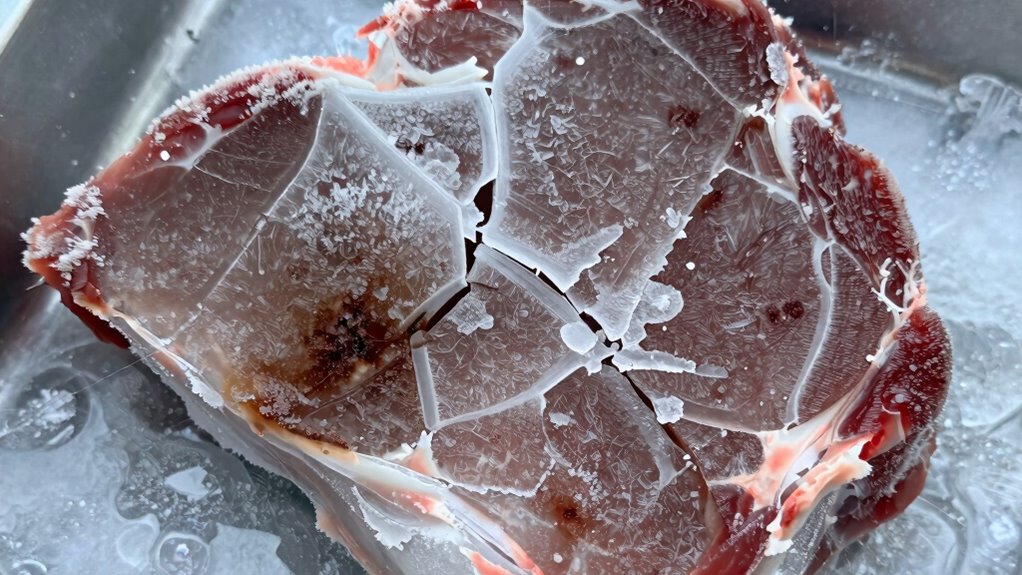
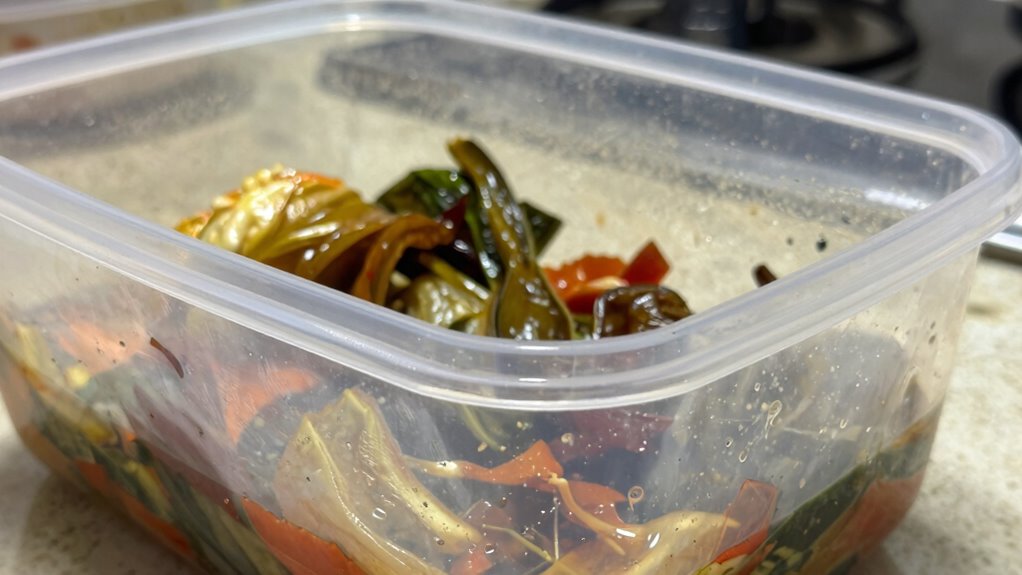
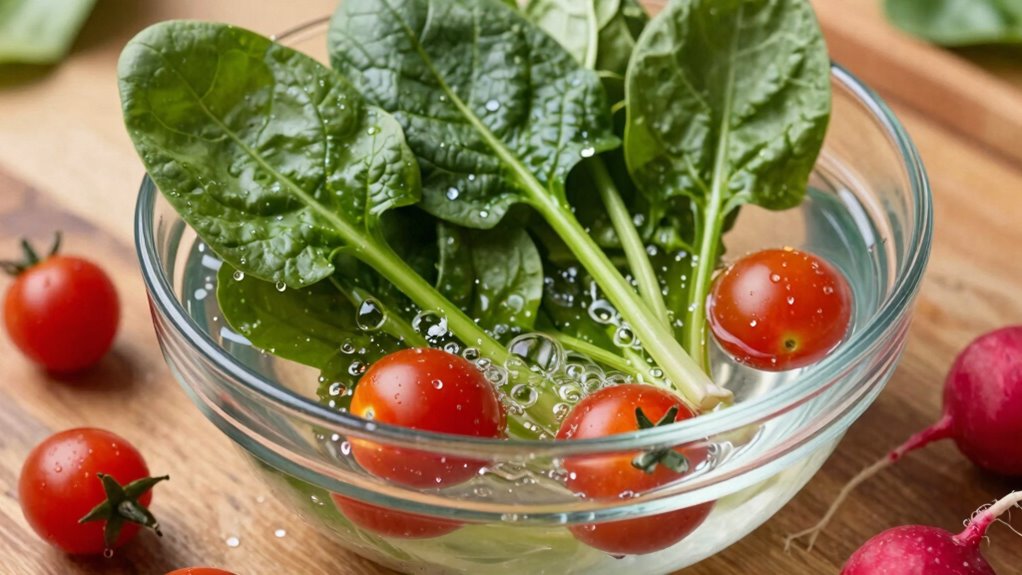
Beyond appearance and smell, learning to distinguish kahm yeast from mold is crucial—discover the safe methods to identify and handle them properly.
Browsing Category
Food Safety & Storage
86 posts
Food Poisoning Prevention: The Temperature Rules That Matter
Prevent food poisoning by understanding key temperature rules—discover essential tips to keep your meals safe and bacteria-free.
Bulk Rice and Flour Storage: How to Prevent Rancidity and Bugs
Optimize your bulk rice and flour storage to prevent rancidity and bugs—discover essential tips to keep your grains fresh and safe.
Pantry Container Materials: Glass vs Plastic vs Metal
Navigating pantry container materials involves weighing safety, durability, and style—discover which option best suits your needs before making a decision.
Sterilizing Jars: When It’s Necessary and When It’s Not
Keen to ensure safe food storage? Learn when sterilizing jars is essential and when quick cleaning will do.
Home Canning Basics: Water Bath vs Pressure Canning (Safety First)
Master the essential differences between water bath and pressure canning to ensure your home-preserved foods are safe and delicious; learn more inside.
Jerky Safety Basics: Temperature, Time, and Storage
For safe jerky, mastering temperature, drying time, and storage is essential—discover how to keep your snack fresh and safe beyond the basics.
Dehydrating Chilies Safely: Avoiding Mold and Musty Flavor
Master the art of dehydrating chilies safely to prevent mold and musty flavors, ensuring your peppers stay flavorful and long-lasting.
Meal Prep Freezing: The Cooling Step That Prevents Ice Crystals
Discover how proper cooling techniques during meal prep freezing prevent ice crystals and ensure your food stays fresh and delicious longer.
Vacuum Sealing Basics: What It Preserves (and What It Ruins)
Learn the essentials of vacuum sealing—what it preserves and what it can ruin—so you can maximize freshness and avoid common pitfalls.