To store homemade sauces and pastes safely, follow proper fermentation, sterilization, and packaging methods. Use clean, sterilized glass jars or BPA-free plastic containers that seal tightly. Leave headspace for expansion and use fermentation lids to allow gases to escape. Store products in the fridge at consistent temperatures and regularly check for spoilage. Staying vigilant about these steps guarantees your sauces stay fresh and safe longer. Keep exploring to learn more about perfect storage practices.

Get kitchen staples and gadgets delivered free — and shop member deals
- Fast, free delivery on millions of items
- Access to Prime Big Deal Days deals on October 6–7
- Prime Video, Amazon Music and more included
Key Takeaways
- Use sterilized, airtight glass jars or BPA-free plastic containers for storage.
- Follow proper fermentation techniques and allow gases to escape with fermentation lids or airlocks.
- Store sauces and pastes at consistent, appropriate temperatures to prevent microbial growth.
- Regularly inspect stored products for mold, off smells, or unusual textures; discard spoiled items.
- Ensure containers are properly sealed and leave headspace to accommodate expansion during freezing.
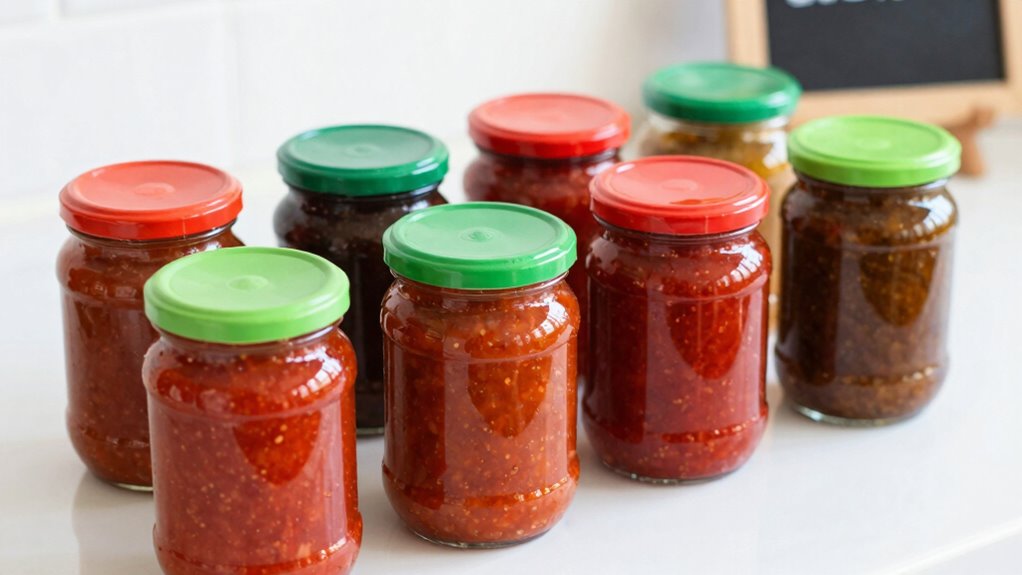
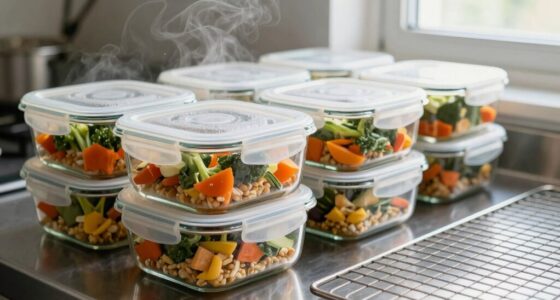
When you make homemade sauces and pastes, proper storage is essential to keep them safe and flavorful. The way you handle fermentation techniques can significantly affect the shelf life and safety of your creations. If you’re fermenting, ensure you follow trusted recipes and use fermentation-specific methods to prevent spoilage or harmful bacteria growth. Proper fermentation not only enhances flavor but also naturally preserves your sauces and pastes, making them safer for longer storage. Ensuring that you understand fermentation techniques can help you achieve optimal results and prevent unintended spoilage. Choosing the right storage container choices is equally important. Glass jars with tight-fitting lids are ideal because they don’t react with acidic ingredients, unlike some plastics that can leach chemicals into your food. If you prefer plastic, opt for BPA-free containers designed for food storage. Metal containers are generally not recommended unless they’re specifically made for food storage, as they can corrode or impart metallic tastes. Whichever container you select, make sure it’s clean and sterilized before filling it with your homemade sauces or pastes. Proper sterilization techniques are crucial for maintaining food safety during storage and can be achieved through boiling or using food-safe sterilizing solutions. Additionally, proper sterilization techniques are crucial for maintaining food safety during storage. Maintaining awareness of food safety practices can further help prevent contamination and spoilage. Incorporating proper storage temperatures can also play a vital role in ensuring your sauces stay fresh and safe over time.
Once you’ve selected your storage containers, pay attention to how you pack your sauces and pastes. Leave some headspace at the top of jars to accommodate expansion, especially if you plan to freeze them. For refrigerated storage, tightly seal the containers to prevent air exposure, which can lead to oxidation and spoilage. If your recipe involves fermentation, ensure that the lids are secure but allow for gases to escape—using airlocks or fermentation lids can help regulate pressure and prevent explosions or mold growth. Proper sealing helps maintain the quality and safety of your preserved foods. Additionally, maintaining consistent storage temperatures can prevent spoilage and preserve flavor, especially during long-term storage. Adequate temperature control is vital for preventing microbial growth and ensuring your sauces and pastes stay fresh longer. Regularly inspecting your stored sauces and pastes is a good habit. Look for signs of spoilage such as mold, off smells, or unusual textures. When in doubt, discard any product that looks or smells questionable. By combining proper fermentation techniques, selecting the right storage container choices, and maintaining good storage habits, you can enjoy your homemade sauces and pastes safely for weeks or even months, preserving their vibrant flavors and nutritional qualities.
sterilized glass jars for sauces
As an affiliate, we earn on qualifying purchases.
As an affiliate, we earn on qualifying purchases.
Frequently Asked Questions
How Long Can Homemade Sauces and Pastes Be Stored Safely?
You can safely store homemade sauces and pastes for up to a week in the refrigerator, or several months if frozen. Proper storage helps preserve flavor and ingredient integrity, preventing spoilage. Use airtight containers to minimize contamination and oxidation. Always check for signs of spoilage before use, like off smells or mold. Following these tips guarantees your sauces stay fresh, flavorful, and safe for your next meal.
Can I Freeze Homemade Sauces and Pastes?
Yes, you can freeze homemade sauces and pastes. Freezing helps preserve flavor and prevents ingredient separation over time. To maintain quality, store them in airtight containers or ice cube trays for easy portioning. Just make sure you leave some space for expansion. When ready to use, thaw in the fridge or gently warm, stirring to reblend ingredients and preserve the sauce’s original flavor.
What Is the Best Container for Storing Homemade Sauces?
Think of your storage containers as tiny treasure chests for your sauces. Glass jars with airtight lids are your best bet—they keep flavors fresh and prevent leaks. Look for containers made from durable, non-reactive materials like glass or BPA-free plastic. Avoid flimsy or porous options, as they might taint your sauce’s taste. Choosing the right container guarantees your homemade creations stay vibrant and delicious until you’re ready to enjoy them.
How Do I Prevent Mold Growth in Stored Sauces?
To prevent mold growth in stored sauces, you should focus on good storage hygiene and mold prevention techniques. Always use clean, airtight containers to reduce exposure to air and contaminants. Keep your sauces refrigerated at the right temperature, typically below 40°F (4°C), and avoid cross-contamination by using clean utensils. Regularly check your sauces for signs of mold and discard any that develop mold to guarantee safety and freshness.
Is It Safe to Store Homemade Sauces at Room Temperature?
Storing homemade sauces at room temperature is like playing with fire—it’s risky! For fermentation safety, you should always refrigerate or properly process your sauces. If ingredients are fresh and your recipe involves vinegar or salt, it might be safe temporarily, but generally, room temp storage invites mold and spoilage. To keep your sauces safe and delicious, prioritize ingredient freshness and follow proper storage techniques.
BPA-free plastic food storage containers
As an affiliate, we earn on qualifying purchases.
As an affiliate, we earn on qualifying purchases.
Conclusion
By following these simple steps, you’ll secure your sauces and pastes safely and smoothly. Store them properly, label them clearly, and always keep an eye on expiry dates. Remember, proper preservation prevents spoilage, secures flavor, and safeguards your health. So, stay savvy, stay safe, and savor your homemade sauces with confidence. Safe storage isn’t just smart — it’s essential for every kitchen connoisseur!
As an affiliate, we earn on qualifying purchases.
As an affiliate, we earn on qualifying purchases.
NFL season / tailgating Picks
team gear
As an affiliate, we earn on qualifying purchases.