
TL;DR
Listen free for 30 days with Audible
Thousands of audiobooks and originals — cancel anytime.
Start your free trialAs an affiliate, we earn on qualifying purchases.
In Bogotá, numerous informal meat stalls sell products without proper health regulation. Authorities are investigating potential health risks, but many stalls remain unregulated. The situation raises concerns over food safety and public health.
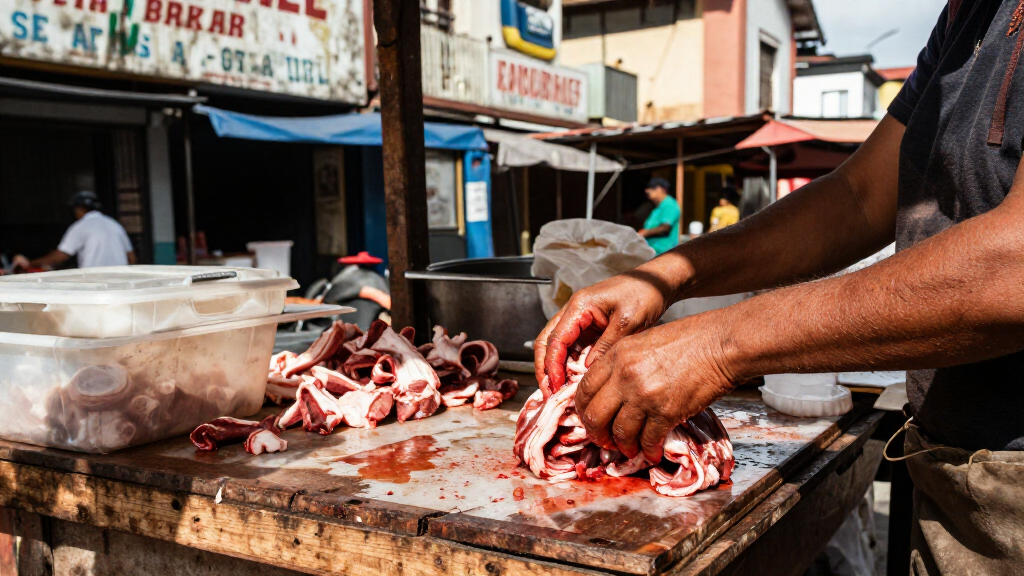
Several informal meat stalls in Bogotá are selling products without proper health permits, raising concerns over food safety and public health. Authorities have confirmed that many of these vendors operate outside official regulation, but the extent of their activities remains under investigation.
Local authorities in Bogotá have identified numerous informal meat stalls operating without the necessary health and safety permits. These vendors often sell meat that is not stored or handled according to official standards, increasing the risk of contamination and foodborne illnesses. Despite the health risks, many of these stalls continue to operate, largely unmonitored by regulatory agencies.
Official sources indicate that inspections are ongoing, but enforcement remains inconsistent due to resource limitations and the widespread nature of informal commerce. Experts warn that unregulated meat sales can lead to outbreaks of illnesses such as salmonella, listeria, and other bacterial infections, which pose significant public health challenges.
Consumers often rely on these stalls for affordability and convenience, unaware of the potential health hazards involved. The government has issued statements urging citizens to buy from licensed vendors and has promised increased enforcement, but specific measures and timelines are still being finalized.
Public Health Risks from Unregulated Meat Sales in Bogotá
This situation underscores the potential health dangers posed by unregulated food vendors, including increased risk of foodborne illnesses and outbreaks. It highlights gaps in the city’s food safety oversight and the challenge of regulating informal markets, which are a significant part of Bogotá’s economy. For consumers, the lack of oversight means limited assurance of meat safety, increasing the risk of illness, especially among vulnerable populations such as children and the elderly.
As an affiliate, we earn on qualifying purchases.
Growth of Informal Meat Markets in Bogotá
Over recent years, Bogotá has seen a rise in informal markets and street vendors selling meat and other perishable foods. This trend is driven by economic factors, including affordability and accessibility for low-income residents. Many vendors operate without official permits, often due to complex bureaucratic processes or lack of awareness about health regulations.
Previous incidents of food safety violations in the city have prompted some government actions, but enforcement remains inconsistent. The current focus on unregulated meat stalls reflects ongoing concerns about the safety standards in these informal markets and the difficulty authorities face in monitoring widespread street vending.
Public health officials have long warned that unregulated food sales can contribute to outbreaks of preventable illnesses, but balancing regulation with economic realities continues to be a challenge for Bogotá’s authorities.
meat storage containers for freshness
As an affiliate, we earn on qualifying purchases.
As an affiliate, we earn on qualifying purchases.
Extent of Unregulated Meat Market in Bogotá
It is not yet clear how widespread the issue is across Bogotá or how many vendors are operating without regulation. Authorities have acknowledged ongoing investigations but have not provided specific figures or comprehensive data on the scale of unregulated meat sales.
As an affiliate, we earn on qualifying purchases.
Government Plans for Regulating Informal Meat Vendors
Authorities are expected to increase inspections and enforcement efforts in the coming weeks. They have also announced plans to educate vendors about health regulations and to facilitate easier licensing processes. The success of these measures will determine whether the situation improves or persists.
As an affiliate, we earn on qualifying purchases.
Key Questions
Why are so many meat stalls operating without regulation in Bogotá?
Many vendors operate informally due to the complex licensing process, economic necessity, or lack of awareness about health regulations.
What are the main health risks of buying meat from unregulated stalls?
Unregulated meat can be contaminated with bacteria such as salmonella and listeria, increasing the risk of foodborne illnesses.
Are there any recent outbreaks linked to these informal stalls?
There are no confirmed recent outbreaks directly linked to these stalls, but health officials warn of potential risks based on inspection findings.
What is the government doing to address this issue?
The government is planning increased inspections, public education campaigns, and simplified licensing procedures to regulate informal vendors more effectively.
How can consumers protect themselves when buying meat in Bogotá?
Consumers should prefer licensed vendors, check for proper storage and handling practices, and inquire about permits when possible.
Source: local
NFL season / tailgating Picks
team gear
As an affiliate, we earn on qualifying purchases.