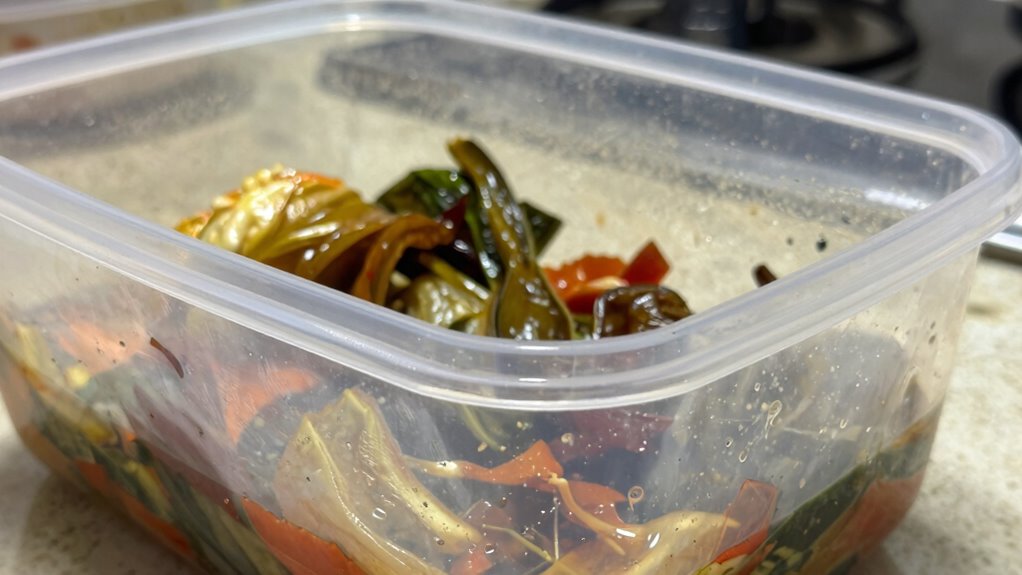
If you notice your food tastes strange the next day, it’s often due to low-quality or porous containers that absorb odors or leach chemicals. Older plastic or cheap materials can release substances into your food, affecting flavor and safety. Poor sealing or container degradation also allows smells to seep in, tainting leftovers. Choosing high-quality, odor-resistant, and airtight containers can help maintain fresh taste and safety—if you want to know more, keep exploring what influences food storage.
Listen free for 30 days with Audible
Thousands of audiobooks and originals — cancel anytime.
As an affiliate, we earn on qualifying purchases.
Key Takeaways
- Low-quality or porous plastics can absorb odors and flavors from previous foods, tainting stored leftovers.
- Chemical leaching from older or cheaper plastics may alter the taste of food over time.
- Poor sealing lids allow external odors to infiltrate, causing strange flavors in stored food.
- Container degradation releases chemicals and increases porosity, leading to off-flavors.
- Inert, non-porous materials like glass prevent odor absorption and chemical transfer, maintaining food flavor.
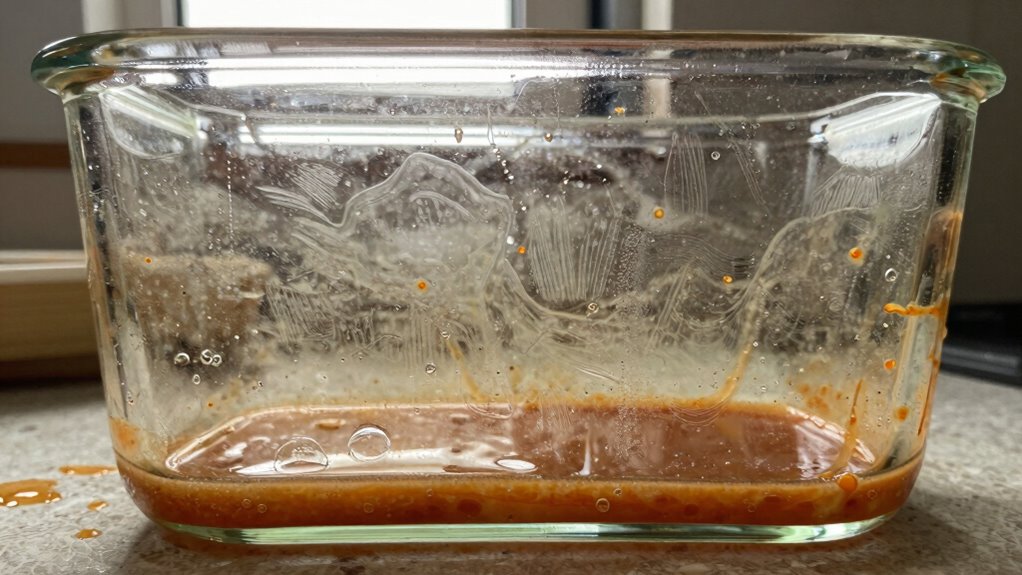
Ever wondered why some containers leave your leftovers tasting off the next day? The answer often lies in the materials these containers are made from. Material safety plays a vital role in guaranteeing your food stays fresh and flavorful. Certain plastics, especially cheaper or older ones, can leach chemicals into your food, impacting both safety and taste. These chemicals might not be immediately noticeable but can subtly alter the flavor profile of your leftovers. When you use containers made from high-quality, food-grade materials, you minimize the risk of chemical transfer and help preserve the natural taste of your food. Glass containers are a popular choice because they’re inert, meaning they don’t react with your food, keeping flavors pure. Conversely, some plastics can interact with oily or acidic foods, leading to strange tastes that linger even after reheating.
Another key factor is odor absorption. Some containers, particularly those made from porous plastics or low-quality materials, tend to absorb strong smells from previous meals. Over time, this absorption builds up, and the next time you store food, those odors can seep into your leftovers, tainting their taste. For example, if you store garlic or fish in a plastic container that isn’t odor-resistant, those flavors may stick around long after you’ve finished your meal. This lingering odor can cause your food to taste off, even if it’s fresh and properly stored. To combat this, look for containers labeled as odor-resistant or those made from non-porous materials like glass or high-quality plastics designed to resist scent absorption. Additionally, understanding the importance of material safety can help you choose better storage options and prevent unwanted flavors. Being aware of chemical leaching can further guide you to select safer, more inert containers, reducing the risk of chemical transfer. Moreover, choosing airtight seals can prevent external odors from infiltrating your stored food.
Furthermore, the design of the container can influence how well it seals and prevents odor transfer. An airtight lid minimizes exposure to air and external odors, helping maintain the original flavor of your leftovers. If a container doesn’t seal tightly, it’s more likely to absorb and transfer odors, leading to that unpleasant taste the next day. Proper storage habits, combined with choosing the right container material, can greatly reduce these issues. It’s also beneficial to regularly replace older or damaged containers to prevent material degradation, which can contribute to chemical leaching or odor absorption. Additionally, some containers feature odor-resistant coatings that can further enhance freshness. Ultimately, your goal is to select containers that prioritize material safety and odor resistance. Doing so guarantees your leftovers taste as good the next day as they did when you first stored them, without any strange aftertastes or chemical flavors. Investing in quality containers isn’t just about safety; it’s about preserving the true flavor of your food and making your leftovers enjoyable again.
airtight glass food storage containers
As an affiliate, we earn on qualifying purchases.
As an affiliate, we earn on qualifying purchases.
Frequently Asked Questions
Can the Material of the Container Affect Food Taste?
Yes, the container material can affect food taste. Different materials, like plastic, metal, or glass, can cause flavor transfer, especially if the container isn’t food-grade or is porous. You might notice a metallic or plastic taste in your food after storing it. To prevent this, choose containers made from high-quality, non-reactive materials like glass or certain plastics designed for food storage, which help preserve your food’s original flavor.
Do Plastic Containers Release Chemicals That Alter Flavor?
Plastic containers can act like sneaky messengers, quietly releasing chemicals through chemical leaching. These tiny chemical leaks mingle with your food, subtly altering its natural flavor. To preserve flavor, opt for glass or stainless steel, which act like trustworthy guardians, keeping your food’s true taste intact. Avoid plastics labeled with recycling codes 3 and 7, as they’re more likely to leach chemicals and compromise flavor preservation.
How Does Cleaning Affect Container Odor Retention?
Cleaning affects container odor retention by removing residue buildup that causes lingering smells. If you don’t clean thoroughly, porous containers can trap odors, making them hard to eliminate. Use warm, soapy water and scrub well to reduce odor retention. For stubborn smells, try baking soda or vinegar. Proper cleaning decreases residue buildup and minimizes the container’s porosity, preventing odors from seeping into your food and keeping your containers fresh.
Are Some Containers Better for Specific Types of Food?
You bet some containers are better suited for specific foods. When choosing, consider food aroma and container design. For example, glass and stainless steel containers preserve flavors without lingering odors, making them ideal for leftovers or strong-smelling foods. Plastic containers work well for dry snacks, but avoid storing highly aromatic dishes in them. Picking the right container helps keep your food tasting fresh and prevents unwanted flavor transfers.
Does the Storage Temperature Influence Container-Food Interactions?
Yes, storage temperature influences container-food interactions. Temperature fluctuations can cause materials in some containers to break down or release odors, affecting taste. For example, plastics may warp or leach chemicals if exposed to extreme heat or cold, compromising container compatibility. To keep food fresh and prevent strange flavors, choose containers suited for specific temperatures—like glass or BPA-free plastics—and avoid frequent temperature swings, ensuring better preservation and taste.
odor-resistant plastic food containers
As an affiliate, we earn on qualifying purchases.
As an affiliate, we earn on qualifying purchases.
Conclusion
So, the next time your leftovers taste off, remember that your containers might be hiding a secret. They’re like silent storytellers, whispering tales of chemicals and smells that cling to your food long after the meal’s over. By choosing the right containers, you’re not just protecting your food—you’re locking in its true flavor, keeping it fresh and vibrant. Don’t let your containers be the villain in your culinary story; choose wisely and savor every bite.
food-grade plastic storage containers
As an affiliate, we earn on qualifying purchases.
As an affiliate, we earn on qualifying purchases.
As an affiliate, we earn on qualifying purchases.
Fall Picks
fall essentials
As an affiliate, we earn on qualifying purchases.