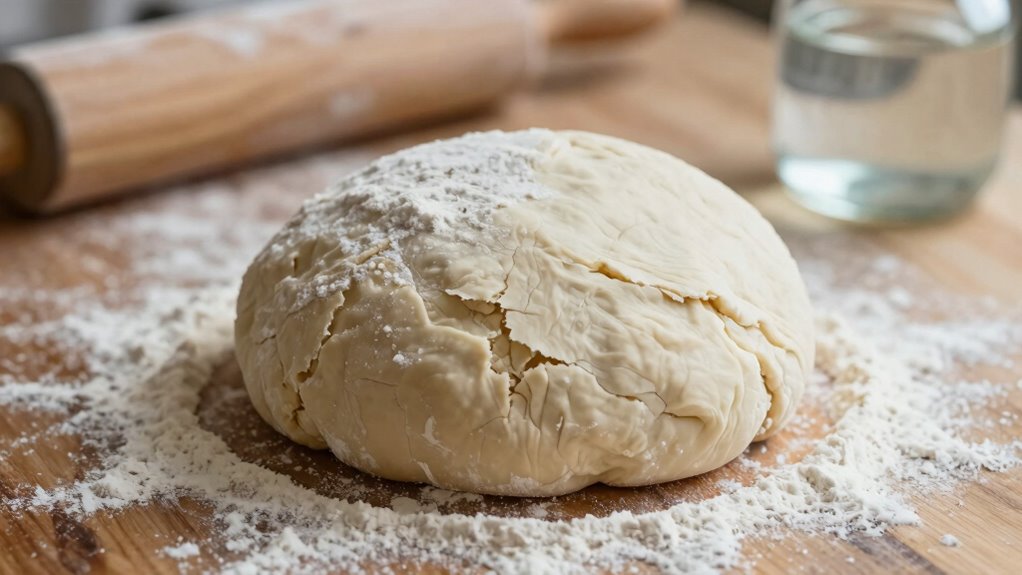
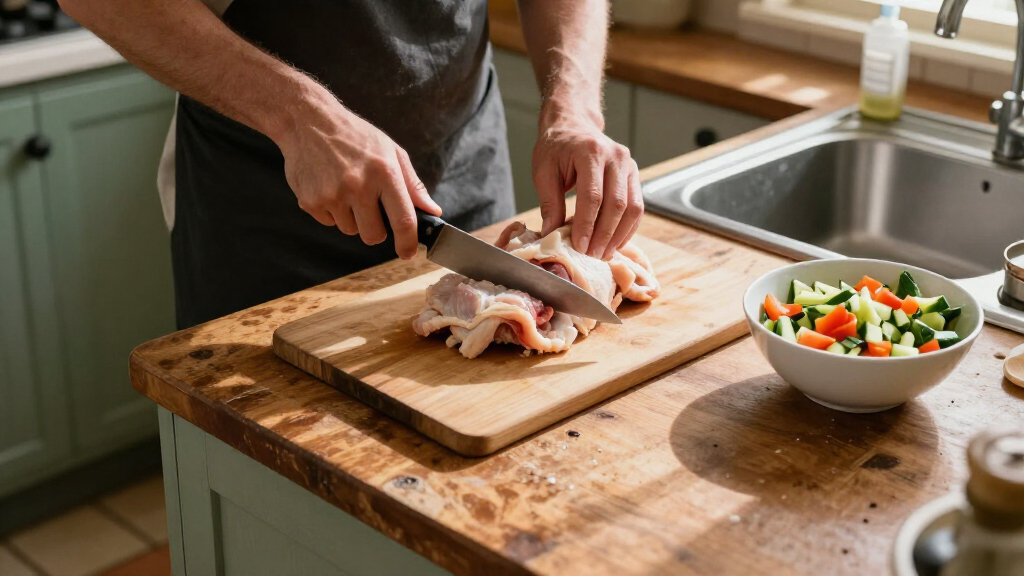
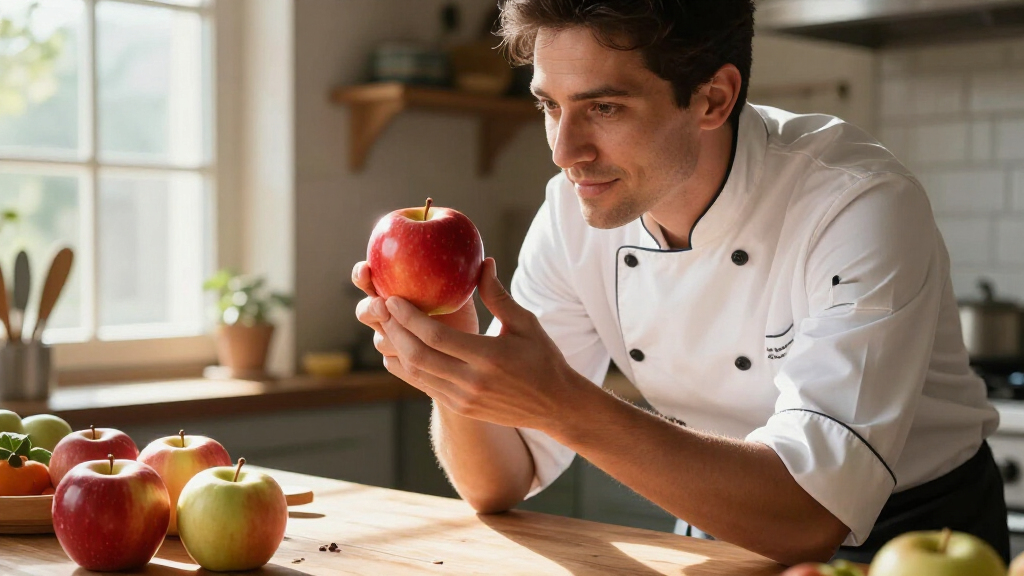
Unlock the secrets of how food textures like crunch, chew, and creaminess shape your sensory experience—continue reading to discover the fascinating science behind them.
Browsing Category
Food Science
141 posts
Why High Heat Isn’t Always the Fastest Route to Better Food
Just rushing with high heat may seem quicker, but it often compromises flavor and texture—discover why patience pays off in cooking.
Why Milk Splits in Sauces and Curries
Learn why milk splits in sauces and curries and discover essential tips to prevent curdling and improve your cooking results.
Why Frozen Food Sometimes Tastes Better Than ‘Fresh’
A surprising reason frozen food sometimes tastes better than fresh is that freezing at peak ripeness locks in flavor and nutrients, but there’s more to discover.
The Surprising Science of Why Bread Goes Stale
Lurking beneath the crust, the science behind bread staling reveals surprising factors that affect freshness and flavor—discover what really causes bread to go stale.
How Salt Changes Texture Before It Changes Flavor
By altering food’s physical structure before flavor, salt’s early effects reveal surprising insights into how it truly transforms your dishes.
Why Acid Can Toughen or Tenderize Depending on Timing
No matter the acid level, timing determines whether your meat becomes tender or tough—discover how to perfect the process for ideal results.
The One Heat Principle Behind Good Caramelization
Baking the perfect caramel depends on mastering the one heat principle, which ensures even, flavorful results—discover how to do it right.
The Switch: You Never Owned the AI You Depend On
A U.S. order affecting Anthropic and OpenAI’s GPT-4o retirement show how hosted AI access can disappear fast.
Data: The One Thing You Can’t Rent
Public web text is nearing its training limit as lawsuits, licensing deals and proprietary datasets reshape the AI race.