
You should avoid leaving warm food on the counter for hours because bacteria love warm, moist environments, especially between 40°F and 140°F, known as the “danger zone.” When food stays out too long, bacteria like Salmonella and E. coli can multiply quickly, increasing your risk of foodborne illness. Reheating might not destroy all toxins, making it unsafe to eat. If you want to stay safe, understanding proper storage techniques is essential—keep exploring to learn more.
Play games included with Prime
Start a Prime free trial and play with Amazon Luna on your devices.
As an affiliate, we earn on qualifying purchases.
Key Takeaways
- Warm food left out creates an ideal environment for bacteria to multiply rapidly.
- Bacteria such as Salmonella and E. coli can produce toxins resistant to reheating.
- Extended time in the “danger zone” (40°F-140°F) significantly increases foodborne illness risk.
- Keeping food warm on the counter doesn’t prevent bacterial growth, it accelerates it.
- Proper cooling and refrigeration are essential to prevent bacterial proliferation and ensure food safety.
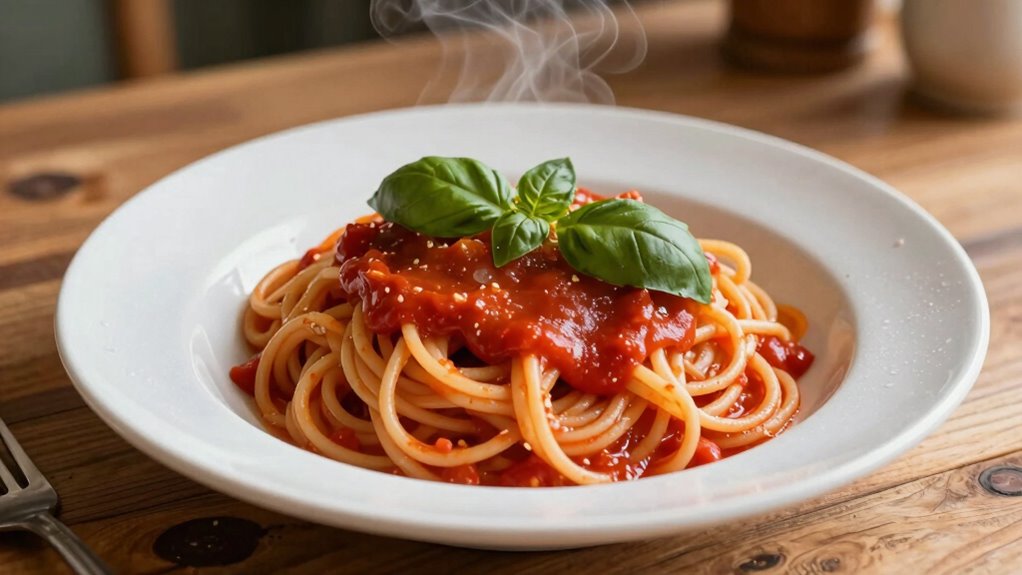
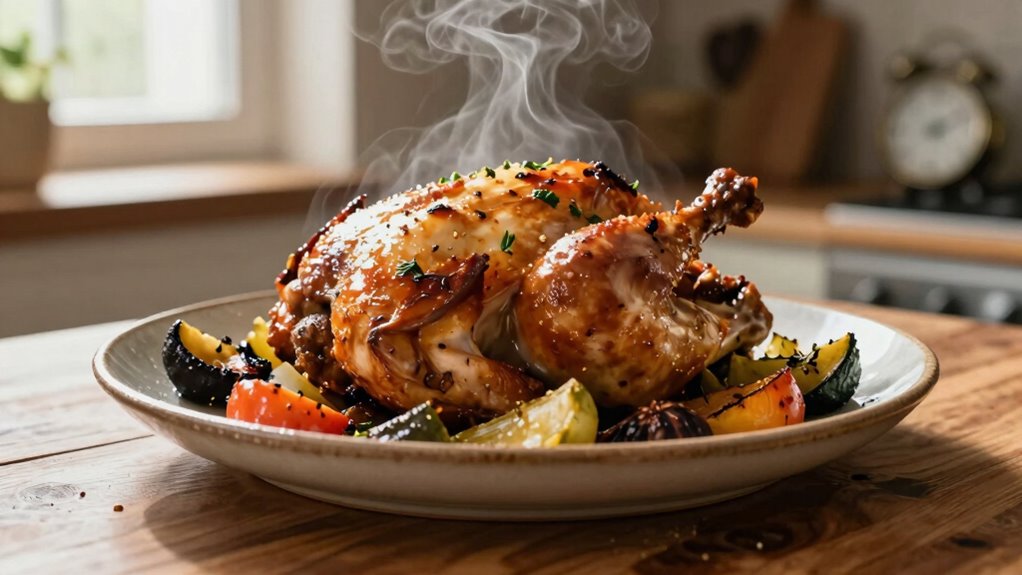
Leaving warm food sitting on the counter for hours might seem harmless, but it can actually pose serious health risks. When food remains at room temperature for too long, it creates an ideal environment for bacterial growth, which directly threatens food safety. Bacteria thrive in the “danger zone,” between 40°F and 140°F, where they multiply rapidly. If you leave warm food out for extended periods, you risk exposing yourself and others to harmful pathogens that can cause foodborne illnesses. Understanding bacterial growth is key to grasping why leaving warm food out is dangerous. Bacteria such as Salmonella, E. coli, and Listeria can multiply exponentially at room temperature. Within just a few hours, these microorganisms can reach levels that are unsafe to consume. Consuming contaminated food can lead to symptoms like nausea, vomiting, diarrhea, and in severe cases, even hospitalization. The longer food sits out, the greater the bacterial population becomes, increasing the risk of illness for anyone who eats it. Proper cooling methods, such as using shallow containers, help reduce the amount of time food spends in the danger zone, limiting bacterial growth. Food safety guidelines emphasize the importance of proper cooling and storage to prevent bacterial proliferation. If you’ve cooked warm food and don’t plan to eat it immediately, it’s best to cool it quickly and store it in the refrigerator. Using shallow containers helps the food cool faster, reducing the time it spends in the danger zone. Conversely, leaving warm food out on the counter gives bacteria a perfect breeding ground, making it unsafe to eat later. It’s tempting to keep food warm on a countertop to preserve its temperature, but doing so markedly compromises food safety. You should also be aware that some bacteria produce toxins that aren’t destroyed by reheating. This means even if you heat the food again, you might not eliminate the risk of illness. Additionally, understanding bacterial growth can help you make better decisions about food safety and avoid potential health hazards. Properly monitoring the time food spends at unsafe temperatures is crucial for preventing foodborne illnesses, especially in warm environments. This highlights the importance of prioritizing proper storage rather than relying on reheating leftovers. When in doubt, it’s better to discard food that has been left out for more than two hours. This simple step can prevent potential health hazards and protect you from avoidable illnesses.
food cooling and storage containers
As an affiliate, we earn on qualifying purchases.
As an affiliate, we earn on qualifying purchases.
Frequently Asked Questions
How Long Is Too Long to Leave Warm Food Out?
You shouldn’t leave warm food out for more than two hours, as it risks food safety. Bacteria thrive in the temperature danger zone between 40°F and 140°F, so maintaining proper temperature control is essential. If your warm food sits out longer, it can become unsafe to eat, increasing the chance of foodborne illnesses. To keep your food safe, refrigerate or serve it promptly after heating.
Can Bacteria Grow in Warm Food Left at Room Temperature?
Yes, bacteria can grow in warm food left at room temperature. For food safety, it’s essential to maintain proper temperature control because bacteria multiply rapidly between 40°F and 140°F. If warm food stays out for more than two hours, it becomes a breeding ground for bacteria, increasing the risk of foodborne illnesses. To stay safe, always refrigerate or keep food hot enough to prevent bacterial growth.
What Foods Are Most at Risk if Left Out?
Fresh salads, dairy products, and cooked meats are most at risk if left out. While appealing, warm food on the counter invites bacteria growth, risking food safety. You should prioritize temperature control to prevent foodborne illnesses. Think of it like a delicate balance—once the temperature rises, bacteria thrive. To keep your meals safe, always refrigerate perishable foods within two hours and avoid leaving them out longer.
Does Reheating Kill All Bacteria From Sitting Out?
Reheating food doesn’t guarantee it’s completely safe, as it doesn’t kill all bacteria or toxins that may have developed from sitting out. Food safety experts warn that bacterial growth can produce harmful pathogens, some resistant to heat. To stay safe, you should refrigerate leftovers promptly and reheat them thoroughly to an internal temperature of 165°F. Don’t rely solely on reheating to eliminate all risks from bacteria.
Are There Safe Ways to Keep Food Warm Longer?
To keep food warm longer safely, focus on proper temperature control, maintaining it above 140°F (60°C). Use chafing dishes, slow cookers, or warming trays designed for food safety. Cover your dishes to prevent heat loss and avoid leaving food out on the counter for hours. These methods help prevent bacterial growth while keeping your food at a safe temperature, ensuring it stays fresh and safe to eat.
refrigerator thermometers for food safety
As an affiliate, we earn on qualifying purchases.
As an affiliate, we earn on qualifying purchases.
Conclusion
So, next time you’re tempted to leave warm food out for hours, think twice. The common belief that bacteria won’t grow at room temperature isn’t entirely true—dangerous microbes can thrive quickly. It’s a simple step to prevent foodborne illnesses by refrigerating leftovers promptly. Don’t risk your health just to save a few minutes. Remember, a little caution now can save you a lot of trouble later. Stay safe and keep your food out of the danger zone.
As an affiliate, we earn on qualifying purchases.
As an affiliate, we earn on qualifying purchases.
Fall Picks
fall essentials
As an affiliate, we earn on qualifying purchases.