

Choosing between tamarind, lemon, or vinegar depends on the flavor profile and dish you’re making. If you want a mild, complex tartness with depth, go for tamarind. For bright, clean acidity, lemon is ideal. Use vinegar when you need sharpness, especially in pickling or dressings. Understanding their unique qualities helps you select the best souring agent for your recipe. Keep exploring to discover how each ingredient can elevate your dishes beautifully.

Get kitchen staples and gadgets delivered free — and shop member deals
- Fast, free delivery on millions of items
- Access to Prime Big Deal Days deals on October 6–7
- Prime Video, Amazon Music and more included
Key Takeaways
- Choose tamarind for complex, mild tartness in Indian, Thai, or Mexican dishes needing depth.
- Use lemon for bright, clean acidity in salads, seafood, and Mediterranean recipes.
- Opt for vinegar in pickling, dressings, and dishes requiring sharp, straightforward sourness.
- Substituting lemon or vinegar for tamarind shifts flavor profile and may affect authenticity.
- Pair sour ingredients with spices and adjust gradually to balance flavors effectively.
As an affiliate, we earn on qualifying purchases.
What Are the Flavor Profiles of Tamarind, Lemon, and Vinegar?

Tamarind, lemon, and vinegar each bring distinct sour notes to dishes, making them versatile ingredients in many cuisines. Their flavor intensity varies—tamarind offers a complex, slightly sweet tartness, while lemon delivers a bright, clean acidity. Vinegar’s sharpness depends on the type, from milder apple cider to pungent balsamic. These differences influence culinary harmony, as you balance their sourness with other ingredients. Tamarind’s richness adds depth, lemon’s freshness lifts flavors, and vinegar’s pungency cuts through richness or fattiness. Understanding these flavor profiles helps you choose the right ingredient for your dish, ensuring the sour note complements rather than overwhelms. Each brings a unique character, allowing you to craft dishes with precise flavor intensity and harmonious balance.
As an affiliate, we earn on qualifying purchases.
When Should You Use Tamarind, Lemon, or Vinegar in Cooking?
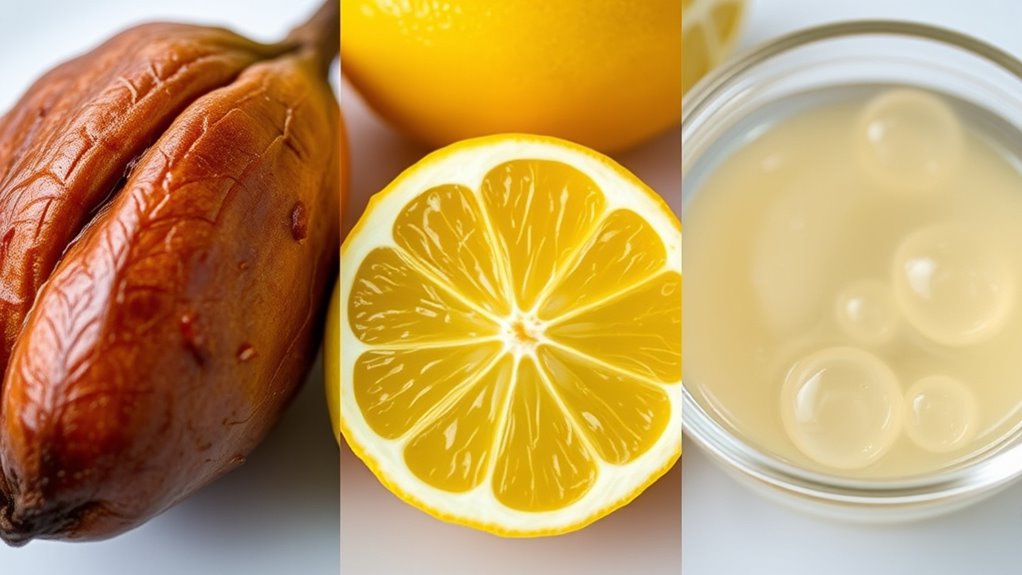
Choosing the right souring agent depends on the dish you’re preparing and the flavor outcome you want. Tamarind offers a complex, slightly sweet sourness ideal for Indian, Thai, and Mexican cuisines. Lemon provides a bright, clean acidity suited for salads, seafood, and Mediterranean dishes. Vinegar delivers a sharp, straightforward sourness, perfect for pickling and dressings. Consider the sourness intensity: tamarind is milder, lemon has moderate acidity, and vinegar is often the sharpest. Culinary traditions influence your choice; tamarind is traditional in Southeast Asian dishes, lemon in Mediterranean, and vinegar in Western pickling. Use this table as a guide:
| Dish Type | Ideal Souring Agent | Sourness Intensity |
|---|---|---|
| Fish and seafood | Lemon | Moderate |
| Soups and stews | Tamarind | Mild |
| Pickling | Vinegar | Sharp |
| Salads | Lemon or Vinegar | Mild to moderate |
Additionally, understanding the flavor profile of each souring agent can help you tailor your dishes for the desired taste experience.
As an affiliate, we earn on qualifying purchases.
How Do You Decide Which Sour Ingredient to Use for Your Recipe?
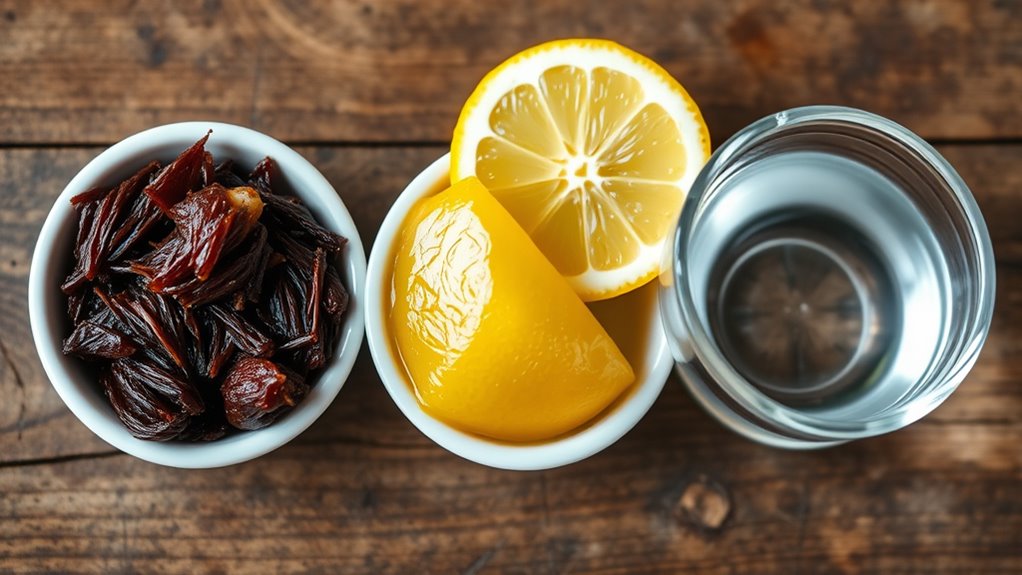
When deciding which sour ingredient to use, consider the flavor profile you want to achieve and how the ingredient will complement the other components of your dish. Your choice depends on the desired intensity, brightness, and overall balance. Think about the role of sourness in flavor balancing—whether you need a subtle touch or a bold punch. Incorporating innovative and energy-efficient cloud solutions can also inspire creative approaches to culinary experimentation. Using essential oils for flavor enhancement can add depth and a unique aroma profile that elevates your dishes. Additionally, understanding the impact of quality assessment methods can help you select the freshest and most suitable ingredients to achieve the perfect balance of flavors. Recognizing the net worth of personalities related to culinary trends can also provide insight into popular ingredients and flavor combinations.
As an affiliate, we earn on qualifying purchases.
Can You Substitute Lemon or Vinegar for Tamarind or Vice Versa?
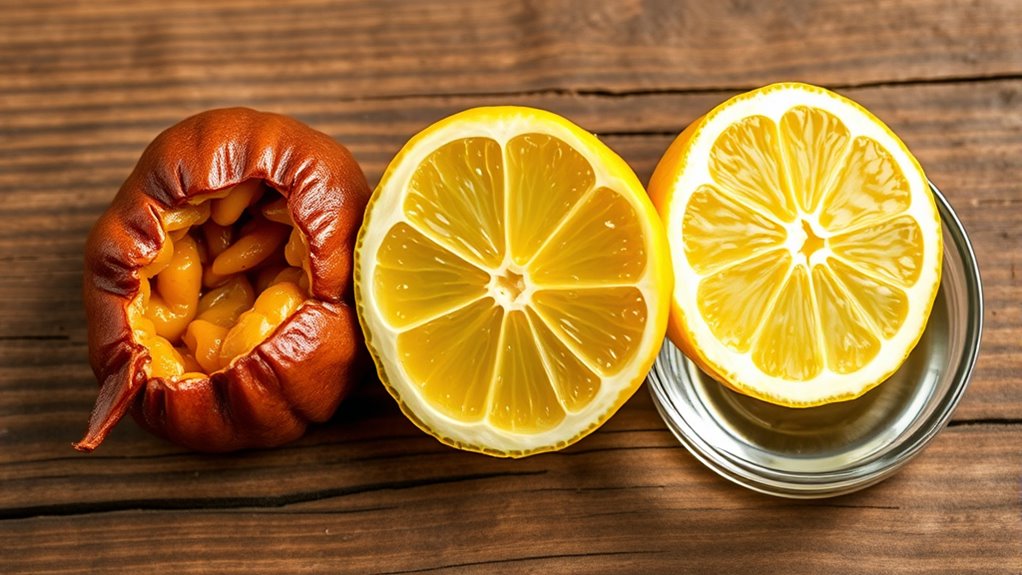
Can you substitute lemon or vinegar for tamarind or vice versa? While they all add acidity, their unique flavor profiles mean substitutions aren’t always straightforward. In cooking substitutions, lemon or vinegar can sometimes replace tamarind in recipes needing acidity, like dressings or marinades. However, tamarind offers a complex, slightly sweet-tart flavor that lemon or vinegar lack. For flavor pairings, consider the dish’s overall profile—vinegar’s sharpness or lemon’s brightness may work in a pinch, but they won’t replicate tamarind’s depth. Conversely, using tamarind instead of lemon or vinegar is tricky, as it adds sweetness and body not found in the others. Use substitutions carefully, understanding that flavor pairings may shift, affecting the dish’s authentic taste. Additionally, the power output of electric bikes can influence their performance in various conditions, just as the acidity of substitutes can alter a dish’s flavor profile. To better understand these variations, it’s helpful to explore the different acidic ingredients and their unique characteristics in culinary applications. Exploring the flavor profiles of each ingredient can help you make more informed substitution choices in your recipes, especially when balancing acidity and flavor complexity.
Tips for Using Sour Ingredients to Enhance Your Dishes

Adding sour ingredients like lemon, vinegar, or tamarind can elevate your dishes by balancing flavors and highlighting other ingredients. To maximize their effect, consider pairing with spices that complement or contrast their acidity. Use small amounts first and taste as you go to avoid overpowering the dish. Balancing sweetness is key—adding a touch of sugar or honey can mellow the sourness and create a harmonious flavor profile.
- Pair sour ingredients with aromatic spices like cumin or coriander to deepen flavor.
- Use them to cut through richness in creamy or fatty dishes.
- Adjust acidity gradually to find the perfect balance without overwhelming other flavors.
Frequently Asked Questions
Are There Health Benefits Associated With Each Sour Ingredient?
Each sour ingredient offers unique health benefits suited to various dietary restrictions. Lemons provide vitamin C, boosting immunity and skin health, while tamarind supplies antioxidants and fiber, aiding digestion. Vinegar helps regulate blood sugar levels and supports weight management. Incorporating these into your diet can enhance your health, but consider your dietary restrictions, like acidity sensitivity or allergies, to choose the best option for your needs.
How Do Storage Methods Affect the Flavor of Tamarind, Lemon, and Vinegar?
Think of storage like a time capsule for your sour ingredients. Proper storage, such as sealing tamarind in an airtight container or refrigerating lemon and vinegar, slows fermentation effects that can alter flavors. Light, heat, and air degrade flavor preservation, making your ingredients dull or overly sour. Keep them cool, dark, and sealed to maintain their vibrant, fresh taste, ensuring your dishes stay lively and flavorful.
Can These Ingredients Be Used in Desserts? if So, How?
Yes, you can use tamarind, lemon, and vinegar in desserts. They add a unique tang that enhances sweetness and creates interesting flavor pairings. To balance tartness, consider sweetening alternatives like honey or sugar. For example, tamarind works well in pudding, lemon in lemon bars, and vinegar in fruit salads or vinaigrettes for desserts. Use them thoughtfully to bring depth and brightness to your sweet creations.
What Are Common Cultural Cuisines That Favor Each Sour Element?
You’ll find tamarind in Southeast Asian, Indian, and Mexican cuisines, where its complex, sweet-tart flavor enhances curries and sauces. Lemon is central to Mediterranean, Middle Eastern, and Western dishes, adding brightness to salads and seafood. Vinegar dominates Western and East Asian regional flavor profiles, used in pickles and marinades. These culinary pairings reflect each ingredient’s unique acidity, shaping their roles in traditional dishes worldwide.
Do These Ingredients Have Any Common Allergens or Dietary Restrictions?
You should be aware that tamarind, lemon, and vinegar can have allergen concerns or dietary restrictions. Tamarind may cause reactions if you’re allergic to legumes, while lemon can trigger citrus allergies or acid sensitivities. Vinegar, especially if unfiltered or containing sulfites, might pose issues for those with sensitivities. Always check ingredient labels and consider your dietary needs before using these sour elements in your dishes.
Conclusion
Choosing between tamarind, lemon, or vinegar is like selecting the right brush for your masterpiece—each adds its own unique hue to your dish. Trust your palate to guide you through this flavorful journey, blending sour notes like a composer weaving a symphony. With each ingredient, you craft more than a meal—you craft an experience. So, embrace the variety, and let your culinary canvas burst with vibrant, tangy colors that leave a lasting impression.
NFL season / tailgating Picks
team gear
As an affiliate, we earn on qualifying purchases.