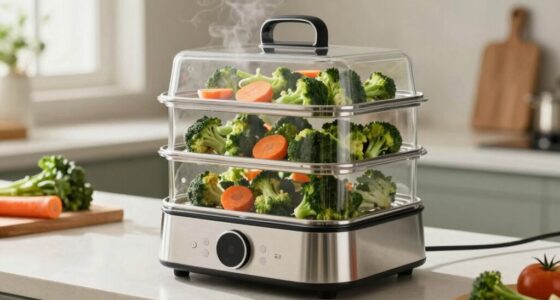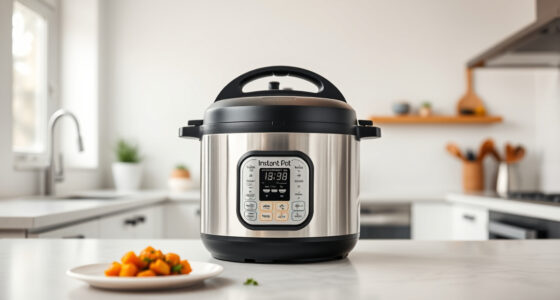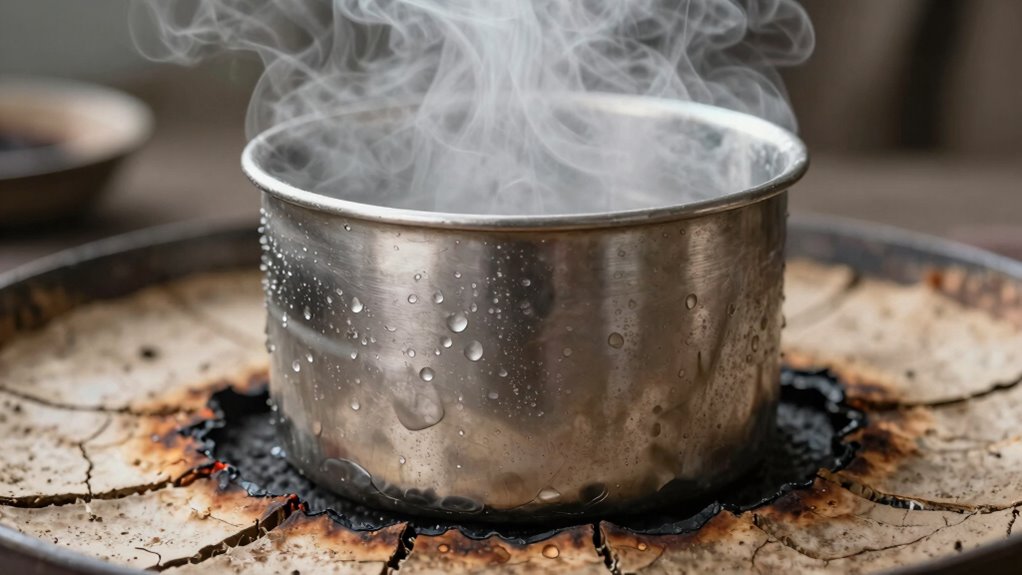

You should use steam for reheating delicate foods because it preserves their original textures, moisture, and flavors better than dry heat. Steam heats food gently and evenly, reducing the risk of drying out, toughening, or burning. It’s especially good for items like rice, seafood, or cakes that need moisture to stay tender. If you want to know more about why steam often wins for specific reheating jobs, keep exploring these benefits further.

Get kitchen staples and gadgets delivered free — and shop member deals
- Fast, free delivery on millions of items
- Access to Prime Big Deal Days deals on October 6–7
- Prime Video, Amazon Music and more included
Key Takeaways
- Steaming preserves the original textures and moisture of delicate foods better than dry heat methods.
- It provides even and consistent heating, reducing the risk of hot spots and overcooking.
- Moist vapor locks in natural juices, maintaining tenderness and flavor in leftovers.
- Steaming heats gradually, minimizing the chances of drying out or burning food.
- It is energy-efficient and environmentally friendly, helping extend food freshness and reduce waste.
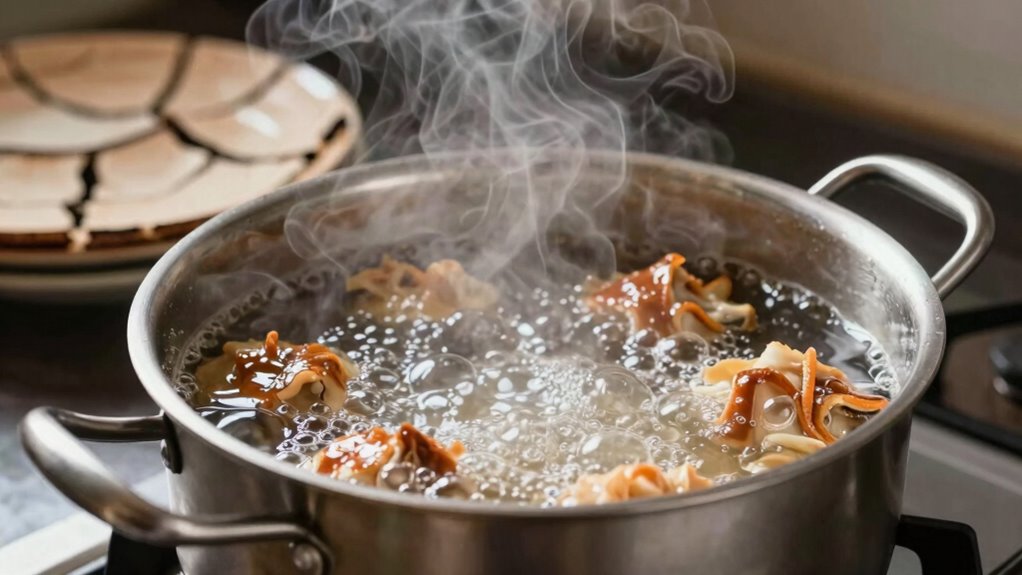
Have you ever wondered whether steaming or dry heat is better for reheating your leftovers? When it comes to preserving the quality of your food, understanding the differences in reheating methods is key. Steaming offers a unique advantage over dry heat, especially when it comes to maintaining the original culinary textures of your dishes. Unlike dry heat, which can cause food to become tough, dry out, or even burn, steaming gently heats food with moist vapor, ensuring a more even and delicate reheating process.
One reason steaming outperforms dry heat is its superior microwave efficiency in certain situations. While a microwave is quick and convenient, it often results in uneven heating, with some parts getting overcooked while others remain cold. Steaming, on the other hand, provides a consistent heat transfer that evenly penetrates food, reducing the risk of hot spots. This is particularly beneficial when reheating delicate items like rice, seafood, or vegetables, where preserving moisture and texture is crucial. By using steam, you allow heat to circulate gently around the food, ensuring every bite is heated through without sacrificing its original culinary textures.
Another advantage of steaming is its ability to retain moisture and prevent food from drying out. Dry heat methods, such as roasting or baking, can strip away natural juices, leaving leftovers tough or rubbery. Steaming keeps these juices locked in, maintaining the food’s tenderness and flavor. This is especially important when reheating leftovers like dumplings or moist cakes, where the goal is to preserve their softness and moisture content. With dry heat, you risk over-drying the food or creating a crust that alters the original texture, making the reheated dish less appealing. Additionally, steaming minimizes the formation of hot spots, which can occur with dry heat methods and lead to uneven heating. Using steaming as part of your food preservation routine can help extend the shelf life of leftovers by maintaining their quality.
Furthermore, steaming is a gentle process that minimizes the risk of overcooking. When reheating with dry heat, you often need to watch carefully to prevent burning or over-drying, which can ruin the dish. Steaming, by contrast, requires less oversight because it heats food gradually and evenly. This makes it ideal for reheating leftovers that are already cooked but need just a gentle touch to bring back their original appeal. Plus, steaming is versatile enough to reheat a variety of foods without the need for oils or fats, keeping your dishes healthier. Understanding the moisture retention capabilities of steaming can help you achieve better results with your leftovers, especially when the goal is to minimize food wastage and preserve flavors. Incorporating steaming into your routine can also be more energy-efficient and environmentally friendly compared to some dry heat methods.
electric food steamer for reheating
As an affiliate, we earn on qualifying purchases.
As an affiliate, we earn on qualifying purchases.
Frequently Asked Questions
Can Steam Reheat Frozen Leftovers More Effectively Than Dry Heat?
Yes, steam can reheat frozen leftovers more effectively than dry heat. When you use microwave reheating with steam or oven reheating that involves steam, the moisture penetrates the food better, preventing dryness and uneven heating. Dry heat methods, like traditional oven reheating, can dry out leftovers or heat unevenly. Steam keeps the food moist, ensuring even, delicious reheating without sacrificing texture or flavor.
Does Steaming Preserve Food Texture Better Than Dry Reheating Methods?
Steaming preserves food texture better than dry reheating because it offers superior moisture retention and gentle heat. When you steam leftovers, the moisture helps prevent the food from drying out or becoming tough, keeping the original texture intact. This method guarantees delicate items like vegetables or rice stay moist and tender, making steaming ideal for maintaining texture preservation during reheating, unlike dry heat methods that can lead to dryness or uneven heating.
Is Steam Reheating Suitable for All Types of Dishes?
Steam reheating isn’t suitable for all dishes. Unlike microwave reheating, which works fast for most leftovers, steaming can sometimes make foods overly moist or soggy, especially delicate items. It’s better than oven drying for preserving texture in certain dishes like rice or vegetables, but it might not be ideal for crispy foods or baked goods. Consider the dish’s texture and moisture content before choosing steaming over microwave or oven drying methods.
How Does Reheating in Steam Affect Nutritional Content?
Reheating in steam preserves more nutrients and vitamins than dry heat, keeping your food vibrant and healthy. Imagine steaming as a gentle hug that protects delicate molecules, preventing nutrient loss. Unlike dry heat, which can deplete essential nutrients, steam maintains nutrient retention and vitamin preservation. This method guarantees your leftovers stay nourishing, flavorful, and wholesome, so you get the maximum health benefits with every bite.
Are There Safety Concerns With Using Steam for Reheating?
Using steam for reheating is generally safe if you follow proper food safety guidelines. Make certain the food reaches the right internal temperature to kill bacteria. Be cautious of steam burns, as hot steam can cause serious injuries if mishandled. Always use appropriate tools, like tongs or oven mitts, and keep an eye on the process to prevent accidents. Proper handling ensures safe and effective reheating.
multi-tier bamboo steamer basket
As an affiliate, we earn on qualifying purchases.
As an affiliate, we earn on qualifying purchases.
Conclusion
In the battle of steam versus dry heat, think of steam as your culinary Gandalf—guiding your leftovers back to life with gentle, moist warmth. Dry heat may be a lone Aragorn, tough but sometimes too harsh, risking dryness and uneven reheating. Embrace the steam’s wizardry, and you’ll find your reheats not just heated, but revived—like a phoenix rising anew from the ashes of leftovers, ready to delight once more.
As an affiliate, we earn on qualifying purchases.
food steaming tray for vegetables and seafood
As an affiliate, we earn on qualifying purchases.
As an affiliate, we earn on qualifying purchases.
NFL season / tailgating Picks
team gear
As an affiliate, we earn on qualifying purchases.