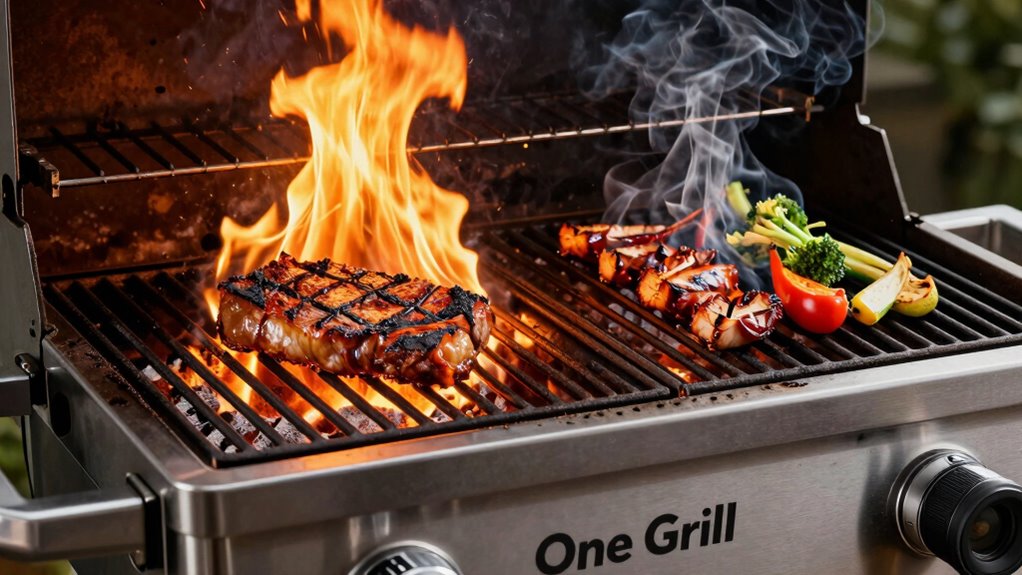
Mastering both direct and indirect heat on a single grill lets you cook with maximum versatility and precision. By understanding when to sear with direct heat and when to slow-cook with indirect heat, you can achieve perfect results every time, without changing equipment. Proper setup and control mean you can switch seamlessly between the two methods. Keep exploring to discover how this one grill approach can elevate your grilling game to a whole new level.
Key Takeaways
- The One Grill Concept combines both direct and indirect heat zones for versatile, seamless cooking without switching equipment.
- Proper setup and heat management enable quick switching between high-heat searing and slow, gentle roasting.
- Integrating heat zones improves temperature control, ensuring precise results for various recipes.
- Mastering both heat types within a single grill enhances efficiency, safety, and cooking versatility.
- Consistent maintenance and calibration optimize heat zones, maximizing the benefits of the combined heat approach.
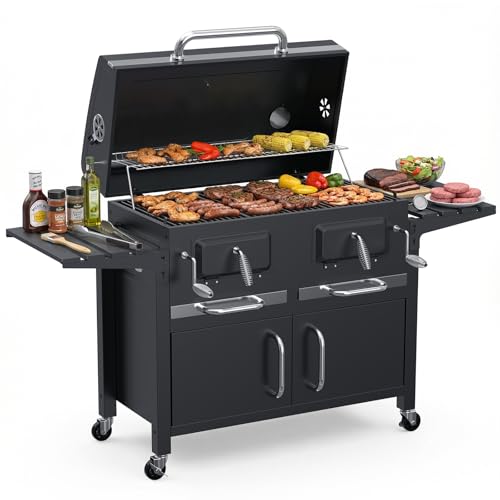
Bestfire 63" Oversized Charcoal BBQ Grill & Smoker, Large Outdoor Grill with 2 Individual Lifting Charcoal Trays, Cabinet-Style Charcoal Grills with Foldable Side Tables, 4 Wheels, Asadores de Carbon
- Large Cooking Surface: Feeds 15+ with spacious grate and warming rack
- Dual Charcoal Trays: Independent lifting for precise heat control
- Adjustable Heat Levels: Switch between searing and smoking modes
As an affiliate, we earn on qualifying purchases.
As an affiliate, we earn on qualifying purchases.
Why Mastering Both Direct and Indirect Heat on One Grill Matters
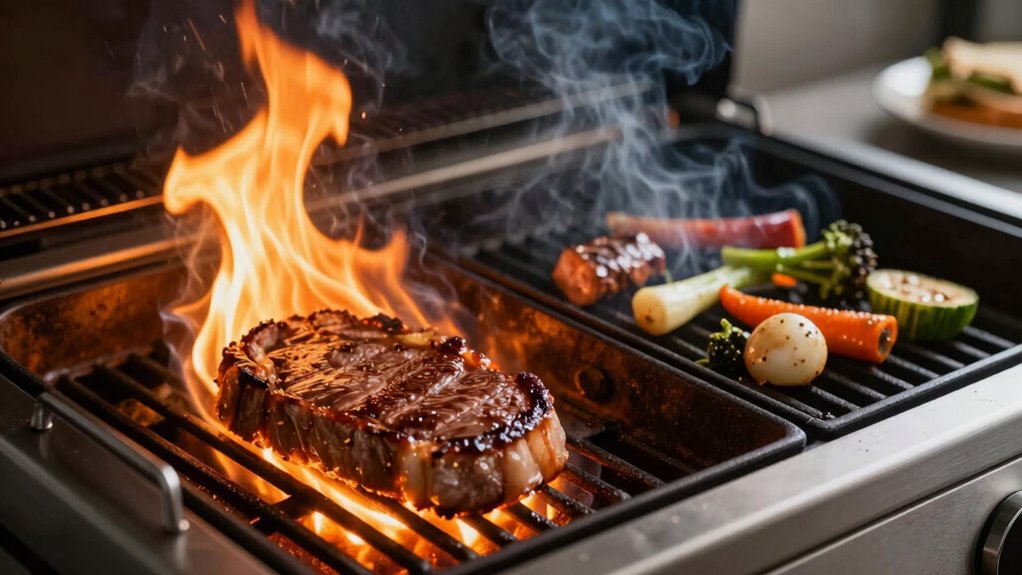
Understanding both direct and indirect heat on your grill is essential because it gives you greater control over your cooking process. When you master these techniques, you improve grill safety by preventing flare-ups and overcooking, reducing the risk of accidents. Plus, knowing how to switch between direct and indirect heat helps you cook more efficiently, conserving fuel and money. Using the right heat for different foods ensures even cooking, so you don’t waste charcoal or propane. Whether you’re searing steaks or slow-roasting vegetables, understanding how to manage both heat zones helps you achieve perfect results every time. This control allows you to optimize fuel use, making your grilling sessions more economical and safer for everyone involved. Additionally, understanding the differences between heat types can help you select the appropriate products, such as charcoal or propane, for optimal performance. Developing a clear understanding of heat zone management can also enhance your overall grilling technique, leading to consistently better dishes. Being aware of the benefits of energy-efficient grilling methods can further improve your sustainability efforts. Mastering these techniques also involves understanding small appliance efficiency, which can further reduce energy consumption during your grilling and outdoor cooking adventures. Gaining knowledge about modern grill technology can help you leverage innovative features for smarter, more precise cooking.

BIG HORN OUTDOORS 1500°F Infrared Propane Gas Grill AS SEEN ON TV– Portable Steak Broiler & Sear Station, Outdoor Salamander BBQ, Stainless Steel, 16 inch
- Fast Heating: Heats to 1500℉ in 3-5 minutes
- Infrared Top-Down Heating: Creates perfect sear and locks in moisture
- Pulse Ignition System: Easy, windproof one-touch start
As an affiliate, we earn on qualifying purchases.
As an affiliate, we earn on qualifying purchases.
The Fundamentals of Direct and Indirect Heat for Grilling
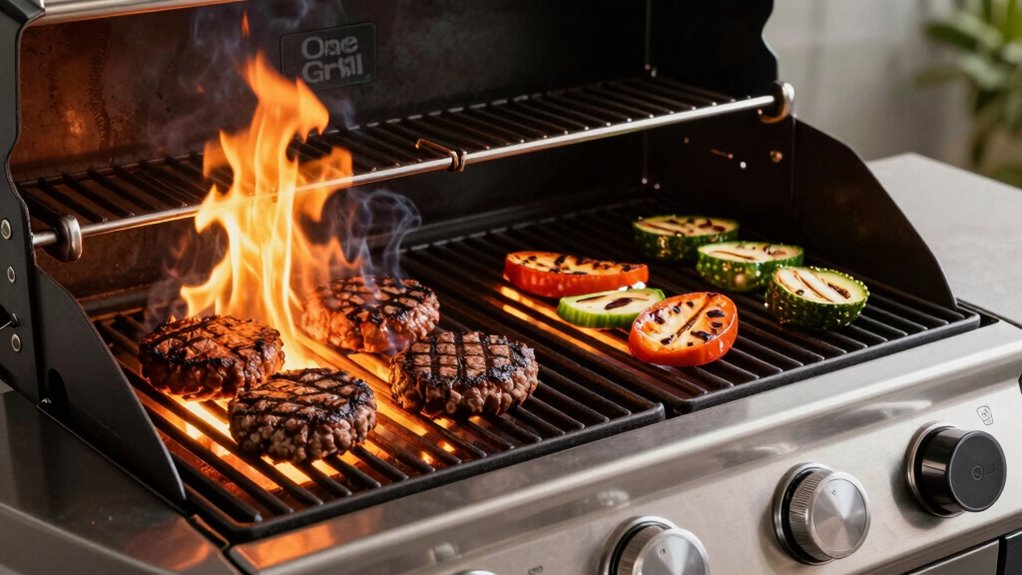
Mastering the fundamentals of direct and indirect heat is key to becoming a confident griller. To do this effectively, understanding charcoal placement and heat zone management is essential. Proper charcoal placement creates distinct heat zones, allowing you to control cooking intensity. For direct heat, position coals directly beneath the food for quick searing or grilling. For indirect heat, push coals to one side, creating a cooler zone for slower cooking. Managing heat zones involves adjusting vents and charcoal layout to maintain consistent temperatures. This control minimizes flare-ups and ensures even cooking. By mastering these basics, you’ll be able to switch seamlessly between high-heat searing and gentle roasting, maximizing flavor and texture without the need for multiple grills.

GRILLJOB 3 Pack Stainless Steel Heat Zone Separator for Blaze Grills, LTE & LTE2 32/34 / 40 Inch Stainless Steel, Replacement Parts for Blaze Grill BLZ-32-052
- Material: High-temperature resistant stainless steel SS430
- Durability: More durable and long-lasting than SS304
- Function: Creates individual grilling zones
As an affiliate, we earn on qualifying purchases.
As an affiliate, we earn on qualifying purchases.
How Your One Grill Combines Both Heating Methods
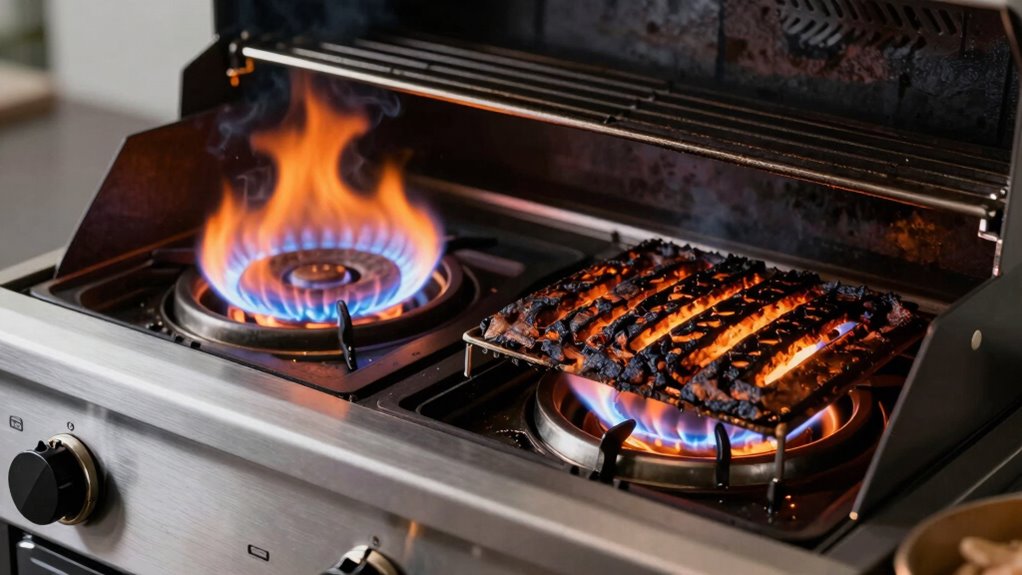
Your grill’s integrated heating system allows you to switch effortlessly between direct and indirect heat. With seamless temperature control, you can fine-tune each zone for perfect results. This versatility opens up a wide range of cooking options, making your grill more adaptable than ever. Understanding how home electrical safety is maintained during operation ensures reliable performance and user confidence. Additionally, incorporating safety features helps prevent electrical hazards and ensures consistent operation. Proper maintenance of electrical connections and understanding electrical safety standards further enhances the reliability of your grill’s performance. Familiarity with essential oils for safe use, especially in relation to electrical appliances, can also support overall safety during grilling sessions. Ensuring proper electrical connections minimizes the risk of malfunctions and contributes to a safer cooking environment.
Integrated Heating System
Many modern grills seamlessly combine direct and indirect heating methods into a single system, allowing you to switch between high-heat searing and gentle cooking without changing equipment. This integrated heating system enhances your outdoor cooking experience by providing precise temperature zones and reducing the need for multiple grills. It also simplifies grill maintenance, as you can manage all heating elements from one control panel. Key features include:
- Adjustable heat zones for versatile cooking styles
- Efficient energy use by targeting specific areas
- Enhanced safety with integrated temperature regulation
With this setup, you can effortlessly shift from searing steaks to slow-roasting vegetables. The convenience of an integrated system means less fuss, more consistency, and better results every time you fire up your outdoor grill.
Seamless Temperature Control
Seamless temperature control is what makes a modern grill with integrated heating truly versatile. With multiple temperature zones, you can easily switch between high heat for searing and low heat for gentle cooking without hassle. You can also adjust heat precisely to match the specific requirements of each dish, ensuring consistent results every time. The grill’s precise heat adjustment lets you dial in the perfect temperature for each dish, ensuring consistent results every time. No more guesswork or fluctuating flames—this system automatically manages heat distribution across different zones, giving you full control. Whether you’re cooking thick steaks or delicate vegetables, you can effortlessly maintain the ideal temperature. This seamless control makes your grilling experience more intuitive and efficient, allowing you to focus on your food instead of constantly monitoring heat levels. It’s the key to mastering a variety of grilling techniques with just one grill.
Versatile Cooking Options
By combining both direct and indirect heating methods, a versatile grill allows you to tackle a wide range of cooking techniques with ease. You can sear steaks over direct heat for that perfect crust or slow-cook delicate dishes using indirect heat for even, gentle results. This flexibility enables you to experiment with smoke infusion, adding rich flavor layers to your food, and enhances flavor development through varied heat zones. Additionally, understanding how to balance heat zones on your grill can optimize cooking outcomes and expand your culinary possibilities. Mastering temperature control is essential for achieving consistent results across different cooking styles. Recognizing the importance of cooking techniques can further elevate your grilling skills and ensure optimal flavor and texture in every meal. Proper ventilation considerations also play a critical role in maintaining safety and flavor when using different heating methods, empowering you to expand your culinary repertoire while maximizing the flavor and texture of every meal. Incorporating fuel types can further influence the heat distribution and overall efficiency of your grilling setup.

Geesta 5-in-1 Grilling Prep & Serve Tays, Grill Carry System, Stainless Steel BBQ Serving Platter, Marinating Container with Lid & Cutting Board, Outdoor Cooking Grill Accessories, Grilling Gift
- Organized 3-Tray System: Keeps food separate and hassle-free
- Color-Coded Lids: Prevent cross-contamination with color coding
- Multi-Functional Use: Storage, preparation, marinating, and serving
As an affiliate, we earn on qualifying purchases.
As an affiliate, we earn on qualifying purchases.
Setting Up Your Grill for Versatile Cooking
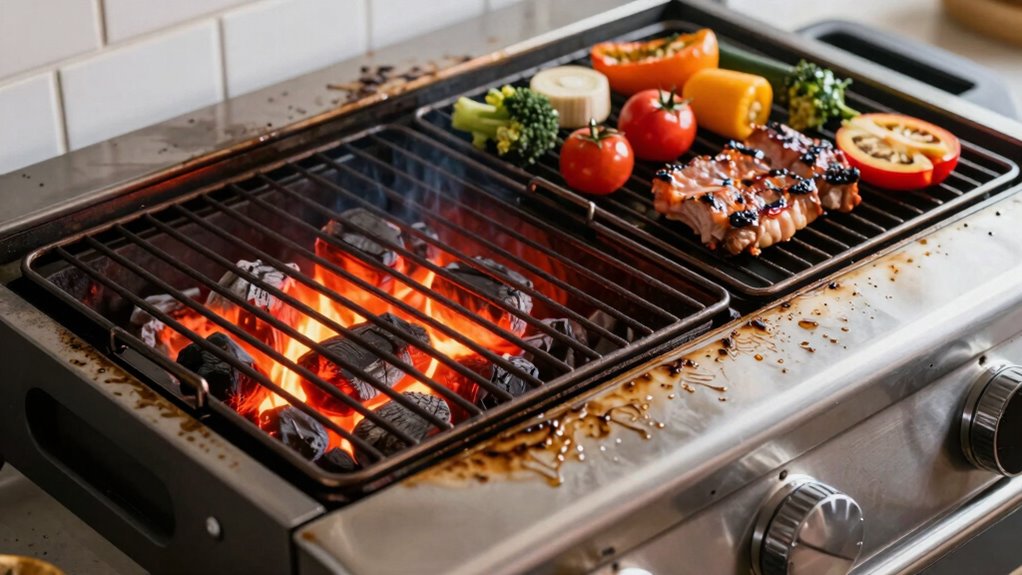
To prepare your grill for versatile cooking, start by choosing the right setup for your desired heat zones. Arrange your coals or burners to create both direct and indirect heat areas. This setup allows you to switch seamlessly between high-temperature searing and gentle cooking, expanding your culinary options. Good grill maintenance guarantees even heat distribution and prevents flare-ups, which is essential for consistent results. Keep the grill clean and check for hot spots before cooking. To enhance flavor infusion, consider using wood chips or marinades that complement both direct and indirect grilling. Having a versatile setup gives you control over cooking techniques, enabling you to perfect everything from caramelized steaks to tender roasts, all with a single, adaptable grill.
When to Use Direct Heat for Perfect Sears
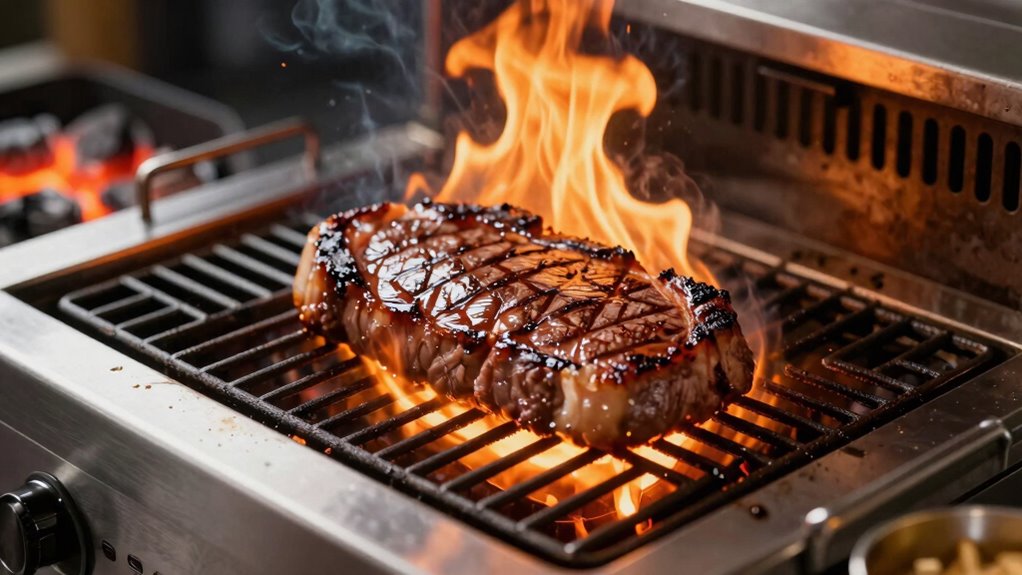
Using direct heat is ideal when you want to quickly develop a flavorful, caramelized crust on your food. This method is perfect for searing steaks, burgers, or vegetables, locking in juices and enhancing flavor. To get the best results, make sure your grill is well-maintained; clean grates prevent sticking and uneven searing. Proper grill maintenance also helps you achieve consistent heat distribution, which is essential for successful searing. Regular maintenance reduces the risk of mechanical failures that can affect heat output and performance. Direct heat also helps you monitor cooking progress closely, avoiding overcooking. Remember, proper grill maintenance ensures consistent heat and maximizes flavor enhancement. When using direct heat, keep a close eye on your food to prevent burning. This technique is best for items that cook quickly and benefit from a crispy exterior. Mastering when to use direct heat lets you achieve perfect sears every time, elevating your grilling game. Evidence-based insights can help you refine your technique for consistently delicious results. Additionally, understanding heat control is crucial for managing the intensity of direct heat effectively. Properly managing temperature regulation is also key to preventing charring or undercooking.
When to Rely on Indirect Heat for Tender Roasts
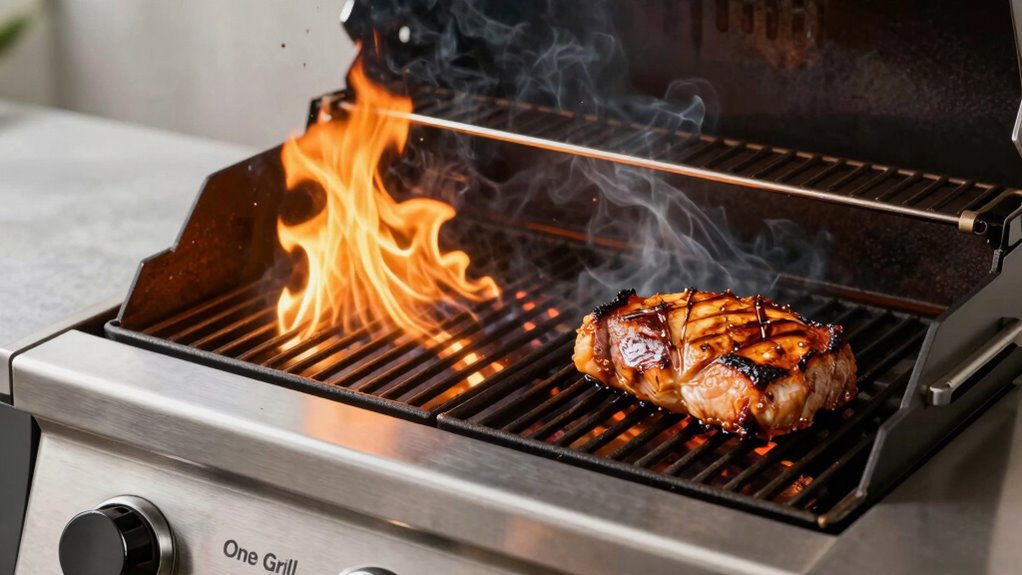
Ever wonder when indirect heat is the best choice for your roast? You should rely on it when aiming for tender, evenly cooked results. This technique involves placing the meat away from direct flames or coals, allowing slow, gentle cooking. Indirect heat is ideal for larger cuts that benefit from low and slow cooking, helping break down connective tissues and achieve maximum tenderness. It also enhances flavor development, as the meat cooks in its own juices without risk of burning or charring. Using this method allows you to control temperature more precisely, preventing overcooking on the outside while ensuring the interior reaches the perfect level of doneness. When tenderness and rich flavor are your goals, indirect heat becomes your best cooking technique.
Tips to Master Both Techniques Without Switching Grills

Mastering both direct and indirect heat techniques on a single grill allows you to cook a variety of meats to perfection without the hassle of switching equipment. To do this effectively, focus on proper grill maintenance to guarantee even heat distribution, which is essential for mastering both methods. Keep the grill clean and well-maintained to prevent flare-ups and maximize flavor enhancement. Use the following tips:
Master both direct and indirect grilling for perfect meats with proper maintenance and heat zone setup.
- Adjust vents and airflow to control temperature zones for direct and indirect cooking.
- Create distinct heat zones by piling coals on one side or adjusting burner flames.
- Use a two-zone setup to sear meats over direct heat and finish with indirect heat for tenderness.
- Remember that well-maintained equipment is key to consistent heat distribution and consistent grilling results, ensuring every cook turns out just right. Proper grill calibration can improve heat control and overall performance, making your grilling experience more reliable.
These steps help you switch between techniques seamlessly, elevating your grilling game with consistent results.
Frequently Asked Questions
Can I Use Direct and Indirect Heat Simultaneously on the Same Grill?
Yes, you can use direct and indirect heat simultaneously on the same grill by setting up dual zone grilling and managing heat zones effectively. You’ll create a hot zone for searing and a cooler zone for slow cooking, giving you versatile control. Just adjust your vents or burners to maintain different temperatures in each zone, allowing you to cook multiple items with precise heat zone management.
What Types of Food Benefit Most From Combined Heat Methods?
Think of your grill as a symphony, where different heat zones create harmony. You benefit most when grilling vegetables and cooking seafood with combined heat methods, as direct heat sears and adds flavor, while indirect heat guarantees tenderness. This approach prevents burning delicate items and achieves perfect doneness. So, next time you grill, use both zones to elevate your dishes, making each bite a melody of smoky goodness.
How Does Ambient Weather Affect Direct and Indirect Grilling?
Ambient weather substantially impacts your grilling, especially with temperature fluctuations and wind influence. When it’s windy, heat can become inconsistent, making direct grilling harder to control. Cold or hot weather also affects your grill’s temperature, requiring you to adjust your techniques. You’ll need to monitor your heat more closely and perhaps tweak your lid position or fuel to maintain steady cooking, ensuring your food turns out great regardless of the weather.
Are There Safety Concerns When Switching Between Heat Zones?
Switching between heat zones is like crossing a busy street—you need to be cautious. To guarantee heat safety, always use long-handled tools and wear heat-resistant gloves during zone transitions. Be mindful of hot surfaces and avoid sudden movements that could cause burns or accidents. Proper zone transition techniques help you cook safely, preventing mishaps while taking full advantage of your grill’s versatility.
Can These Techniques Be Adapted for Electric or Indoor Grills?
Yes, you can adapt these techniques for electric and indoor grilling. For electric adaptation, use different temperature zones on your grill to mimic direct and indirect heat, placing food closer or farther from the heat source. In indoor grilling, utilize adjustable heat settings and a two-zone setup to replicate the same effect. Just guarantee proper ventilation and follow safety guidelines to prevent accidents and maintain ideal cooking results.
Conclusion
Knowing how to use both direct and indirect heat on one grill transforms your cooking game. Did you know that grilling with the right technique can reduce cooking time by up to 30%? Mastering these methods means you can achieve perfect sears and tender roasts without switching grills or setups. So, next time you fire up your grill, remember that understanding both heat zones makes every meal more delicious and consistently rewarding.