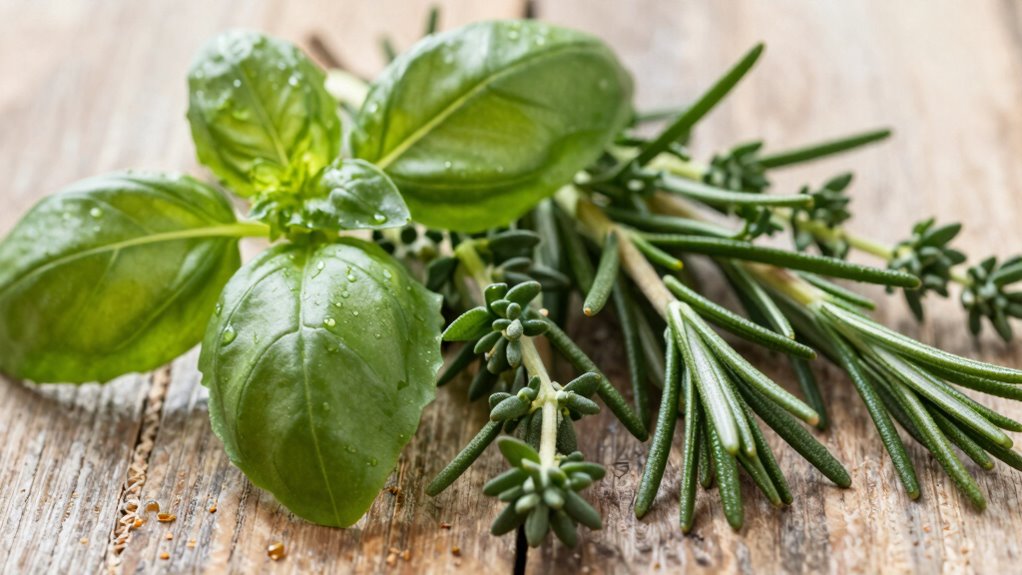
You should use herb leaves at the end of cooking or as a garnish to keep their fresh, aromatic qualities intact. Stems are best added early in the process to infuse depth into broths, sauces, or stews, and can be finely chopped for better flavor release. Using both parts wisely maximizes flavor while reducing waste, making your dishes more sustainable. If you want to discover more tips on how to use herbs efficiently, keep exploring.
Open a free Amazon Business account
Business pricing, bulk buying and tax-exempt orders.
As an affiliate, we earn on qualifying purchases.
Key Takeaways
- Use herb leaves at the end of cooking or as garnishes to preserve their fresh aroma and flavor.
- Incorporate stems early in cooking to infuse depth into broths, sauces, or stews.
- Finely chop tougher stems to blend seamlessly into dishes, maximizing flavor without texture issues.
- Using both leaves and stems reduces waste and enhances overall dish complexity and sustainability.
- Proper preservation extends herb freshness, allowing flexible use of both parts over time.
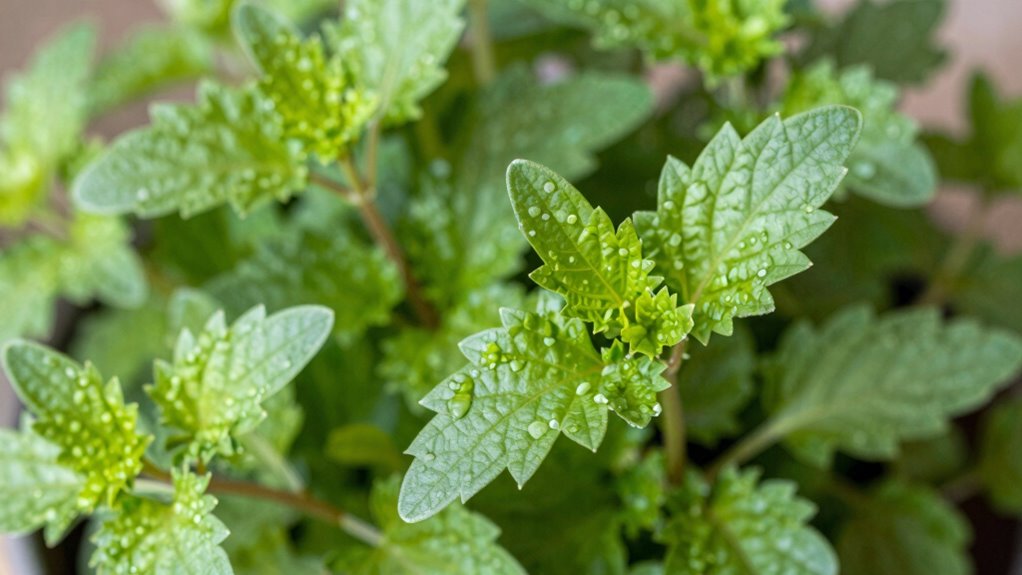
Have you ever wondered how leafy herbs can elevate your cooking and boost your health? The answer lies in understanding when to use the leaves, stems, or both. Each part of a leafy herb offers unique flavors and benefits, so knowing how to incorporate them can make a real difference in your dishes. Plus, mastering herb preservation techniques helps you keep these flavors fresh and vibrant longer, ensuring you get the most out of your herbs. When it comes to culinary herb pairings, selecting the right parts of the herb can enhance your dishes’ aroma and taste, creating more balanced and delicious results.
In many recipes, the leaves are the star. They contain the most concentrated flavor and aroma, making them perfect for finishing dishes or adding freshness. For instance, basil leaves add a sweet, peppery note to salads, pasta, or pesto, while cilantro leaves bring brightness to salsas and Asian dishes. When using leaves, be sure to add them at the end of cooking or as a garnish to preserve their delicate flavors. However, stems can also be valuable, especially in the early stages of cooking. They carry much of the herb’s flavor and can be used to infuse broths, sauces, or stews. For example, celery or cilantro stems can be simmered to impart depth without overpowering the dish. Just remember, stems are often tougher, so chopping them finely or blanching them can make them more palatable. Incorporating herb part versatility can help you maximize flavor and texture in your dishes, whether you’re using leaves, stems, or both. Being aware of herb part versatility allows you to utilize more of the herb and minimize waste, making your cooking more efficient and sustainable. Additionally, understanding herb preservation techniques can extend the usability of your herbs beyond their fresh state, reducing waste and saving money. Properly herb storage methods can also prevent spoilage and maintain flavor integrity over time.
herb preservation storage containers
As an affiliate, we earn on qualifying purchases.
As an affiliate, we earn on qualifying purchases.
Frequently Asked Questions
Can the Stems Be Eaten Raw Like the Leaves?
Yes, you can eat the stems raw like the leaves. Stems of leafy herbs often have nutritional benefits, providing fiber and vitamins, and are used in culinary dishes for added texture and flavor. In many recipes, both stems and leaves are utilized to enhance taste and presentation. Just make sure to wash them thoroughly, as stems can sometimes be tougher or contain dirt, but they’re a versatile ingredient in your cooking.
How Do I Store Leafy Herbs to Keep Them Fresh?
Herb preservation is essential to keep your herbs tasting vibrant and fresh; otherwise, they wilt faster than a snowflake in July! To store leafy herbs, trim the stems and place them in a jar filled with water, like flowers in a vase. Cover loosely with a plastic bag and refrigerate. Follow these fresh herb storage tips to extend their life, keeping your herbs flavorful and ready for your next culinary masterpiece.
Are Stems More Flavorful Than Leaves in Cooking?
Stems often have more intense flavor than leaves, offering a different flavor profile that can add depth to your dishes. However, their flavor intensities vary among herbs, making stems quite versatile in cooking. You can use stems in soups, broths, or stir-fries for a burst of flavor. While leaves are delicate and aromatic, stems provide a more robust taste, making them a valuable ingredient depending on your desired flavor outcome.
Do All Herbs Have Edible Stems and Leaves?
Not all herbs have edible stems and leaves. Many culinary herb varieties, like basil and cilantro, offer both edible parts packed with nutritional benefits, but some, like rosemary, have woody stems that aren’t suitable for eating. You’ll find that herb nutritional benefits vary, so it’s essential to identify which parts are safe and flavorful for cooking. Always check specific herb recommendations before using stems or leaves in your dishes.
Which Herbs Are Best Used for Teas?
You should choose herbs like chamomile, peppermint, and lemon balm for teas, as they create invigorating herbal infusions with distinct tea flavor profiles. These herbs are best used for their leaves, which release aromatic oils and flavors, though some, like mint, also include stems for added brightness. Using both leaves and stems can enhance complexity, but always tailor your choice to the desired infusion strength and flavor.
As an affiliate, we earn on qualifying purchases.
Conclusion
Next time you’re cooking with leafy herbs, remember that using just the leaves or stems can really change your dish’s flavor. Surprisingly, about 60% of herb flavor comes from the leaves, but stems often carry a milder, complementary taste. So don’t be afraid to experiment—sometimes, using both parts can elevate your cooking to a whole new level. Trust your palate, and enjoy the fresh, vibrant flavors you create!
As an affiliate, we earn on qualifying purchases.
herb infuser for broths and sauces
As an affiliate, we earn on qualifying purchases.
As an affiliate, we earn on qualifying purchases.
Fall Picks
fall essentials
As an affiliate, we earn on qualifying purchases.