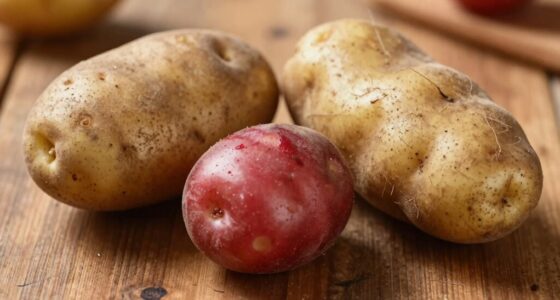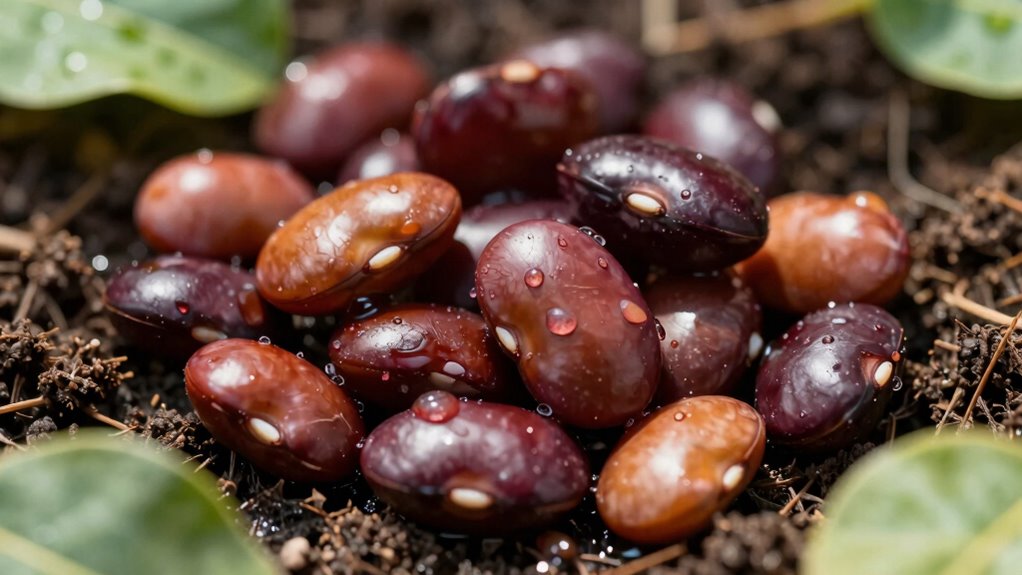

To truly unlock the best flavor, tenderness, and digestibility of beans, you need more than just water and heat. Soil quality impacts how beans develop, affecting their texture and cooking time. Proper soaking helps soften shells and reduces gas, while cooking techniques like timing, temperature, and ingredient addition influence their final tenderness. Paying attention to these factors guarantees your beans turn out perfect. Keep exploring to discover how mastering these details can elevate your bean dishes.

Get kitchen staples and gadgets delivered free with Prime
- Fast, free delivery on millions of items
- Prime Video, Amazon Music and more included
- Member-only deals all year
Key Takeaways
- Soil nutrition influences bean seed coat strength, protein content, and overall flavor, impacting cooking quality.
- Proper soaking and gentle cooking techniques are essential to soften beans and enhance digestibility.
- Cooking methods and timing affect bean tenderness, texture, and the ability of beans to absorb flavors.
- Water management, temperature control, and ingredient timing are crucial to prevent overcooking or toughening.
- Soil quality and preparation methods work together to unlock the full flavor and optimal texture of beans.
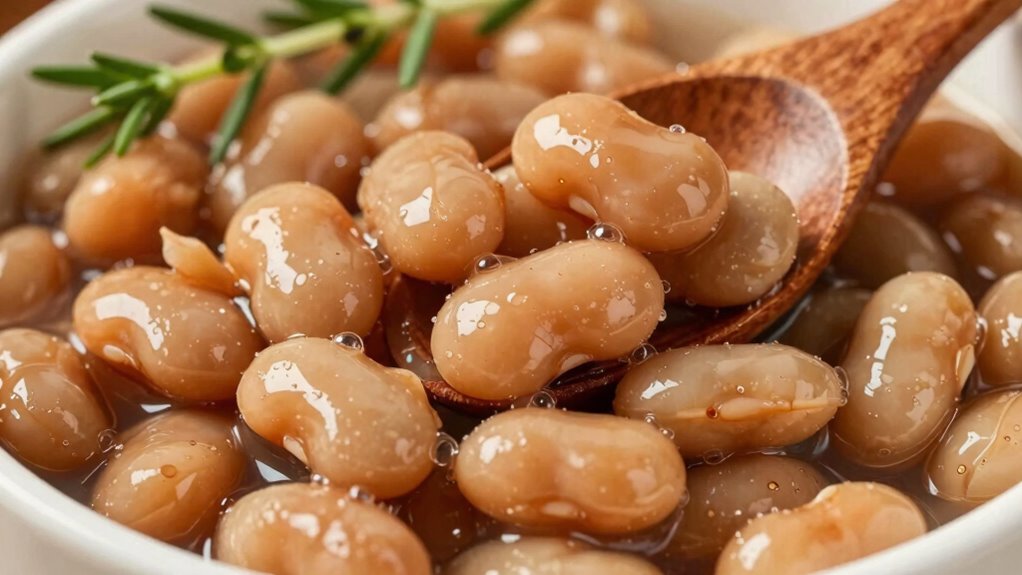
Have you ever wondered why simply adding water and heat isn’t enough to turn dried beans into a delicious, cooked meal? The truth is, beans require more than just these basic elements to become tender and flavorful. While soaking and boiling are essential steps, understanding what’s happening at a deeper level can make a real difference in your cooking. One overlooked aspect is soil nutrition, which influences the quality of the beans you buy. Beans grown in nutrient-rich soil tend to have better texture and flavor because they develop stronger seed coats and higher protein content. This means they absorb water more evenly and cook more predictably. On the other hand, beans from depleted soil may be harder, take longer to cook, and sometimes even taste dull. Paying attention to the origin of your beans and choosing those from reputable sources can help ensure you start with a better product.
Beyond soil nutrition, mastering proper cooking techniques is vital. Soaking beans overnight softens their outer shells and reduces cooking time, but it also helps leach out some of the indigestible sugars that cause gas. When you cook beans, maintaining a gentle simmer rather than a vigorous boil preserves their structure, preventing them from becoming mushy or breaking apart. You also need to watch your water levels; too little water can cause beans to dry out or scorch, while too much can lead to uneven cooking. Adding salt at the right time is another technique—wait until they’re almost done cooking before salting, as adding salt too early can toughen the beans’ skins. Additionally, understanding how soil nutrition impacts bean quality can guide you in selecting better ingredients for your recipes. Using the proper cooking vessel can also influence heat distribution and overall texture, making a noticeable difference in the final dish. Proper temperature control during cooking is equally important to achieve the ideal tenderness without overcooking. Furthermore, paying attention to cooking times ensures that beans are cooked thoroughly without losing their desired firmness.
Another key to perfect beans involves understanding how different cooking methods impact their final texture. For example, pressure cooking speeds up the process, but it requires careful timing to avoid mushiness. Slow-cooking methods, like using a crockpot, allow flavors to meld and beans to become tender gradually. Incorporating ingredients like acidic tomatoes or citrus too early can hinder softening, so it’s best to add these towards the end of cooking. Using the right techniques ensures you don’t just cook beans, but cook them well, achieving the desired tenderness and flavor. Recognizing the impact of cooking methods on texture can help you select the best approach for each recipe and bean variety.
In essence, turning dried beans into a delicious dish involves more than just water and heat. It’s about understanding the role of soil nutrition in the beans’ quality and applying proper cooking techniques to unlock their full potential. When you pay attention to these factors, your beans won’t just be cooked—they’ll be perfectly prepared, flavorful, and satisfying every time.
As an affiliate, we earn on qualifying purchases.
Frequently Asked Questions
Do Different Bean Varieties Require Different Cooking Times?
Yes, different bean varieties require different cooking times. For example, lentils cook faster than chickpeas, and black beans take longer than kidney beans. You should always check the specific cooking times for each bean variety, as factors like size and texture influence how long they need to cook. Adjust your cooking process accordingly to guarantee each type reaches the perfect tenderness without overcooking or undercooking.
How Does Altitude Affect Bean Cooking Requirements?
Altitude effects your bean cooking because higher elevations cause water to boil at lower temperatures, which slows down the cooking process. As a result, beans may take longer to soften, affecting their texture. You might need to increase cooking time or add more water to guarantee they become tender. Adjusting your method helps overcome altitude effects, guaranteeing your beans reach the perfect texture and don’t stay too firm or hard.
Can Adding Salt Early Ruin Bean Texture?
Adding salt early can interfere with bean texture because salt interferes with the bean’s ability to soften properly. When you add salt at the beginning, it can make the beans tougher and take longer to cook. To avoid this, wait until the beans are nearly tender before adding salt. This way, you prevent salt interference and guarantee a smoother, creamier bean texture.
What Role Do Enzymes Play in Bean Digestibility?
Think of enzymes as tiny chefs inside your beans, preparing them for your digestion. When you soak or cook beans, enzyme activation occurs, breaking down complex sugars and proteins. This process directly enhances digestibility improvement, making beans gentler on your stomach. Without proper enzyme activity, beans can cause discomfort. So, by fostering enzyme activation, you release the full nutritional potential of beans, easing digestion and boosting health benefits.
Are There Health Benefits to Soaking Beans Overnight?
Yes, soaking beans overnight offers health benefits by boosting nutritional enhancement and enzyme activation. When you soak beans, you reduce anti-nutrients like phytic acid, making minerals more accessible. It also activates enzymes that break down complex sugars, preventing gas and bloating. Plus, soaking improves digestibility and nutrient absorption. Overall, this simple step helps you get more nutrients from beans and makes them easier on your stomach.
heavy-duty stainless steel stockpot
As an affiliate, we earn on qualifying purchases.
As an affiliate, we earn on qualifying purchases.
Conclusion
So, next time you cook beans, remember they’re more than just water and heat. Think of them as tiny treasures, patiently waiting to reveal their rich, hearty soul. With a little extra care and understanding, you discover a world of flavor and comfort, filling your kitchen with warmth and promise. Beans aren’t just food—they’re a story waiting to be told, a simple yet profound reminder that patience transforms ordinary into extraordinary.
As an affiliate, we earn on qualifying purchases.
As an affiliate, we earn on qualifying purchases.
NFL season / tailgating Picks
team gear
As an affiliate, we earn on qualifying purchases.