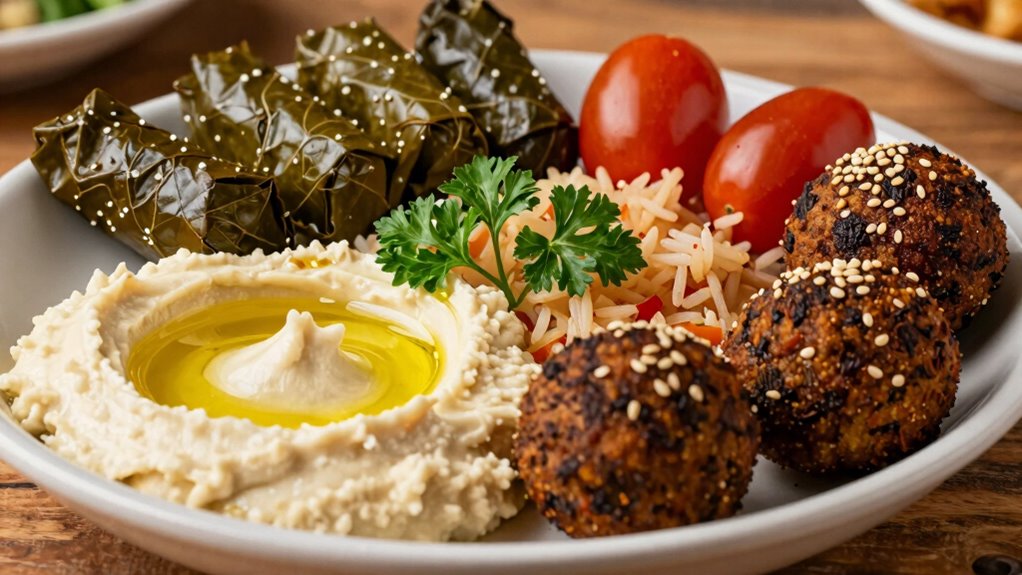

In Lebanese cooking, the key flavor-building rule is layering ingredients, spices, and techniques to create depth and harmony. Start with a flavor base like sautéed onions and garlic, then add spices and aromatics gradually at different stages. This careful process lets flavors meld, develop, and become more complex. Using fresh, high-quality ingredients enhances the overall taste and aroma. If you keep exploring these methods, you’ll discover how they transform simple dishes into memorable culinary experiences.

Get kitchen staples and gadgets delivered free — and shop member deals
- Fast, free delivery on millions of items
- Access to Prime Big Deal Days deals on October 6–7
- Prime Video, Amazon Music and more included
Key Takeaways
- Layer spices thoughtfully to create complex, aromatic flavor profiles.
- Add ingredients sequentially during cooking to build depth and richness.
- Use fresh, high-quality ingredients for vibrant, authentic flavors.
- Balance spice combinations to achieve harmony and complexity.
- Master precise timing and technique to develop and meld flavors effectively.
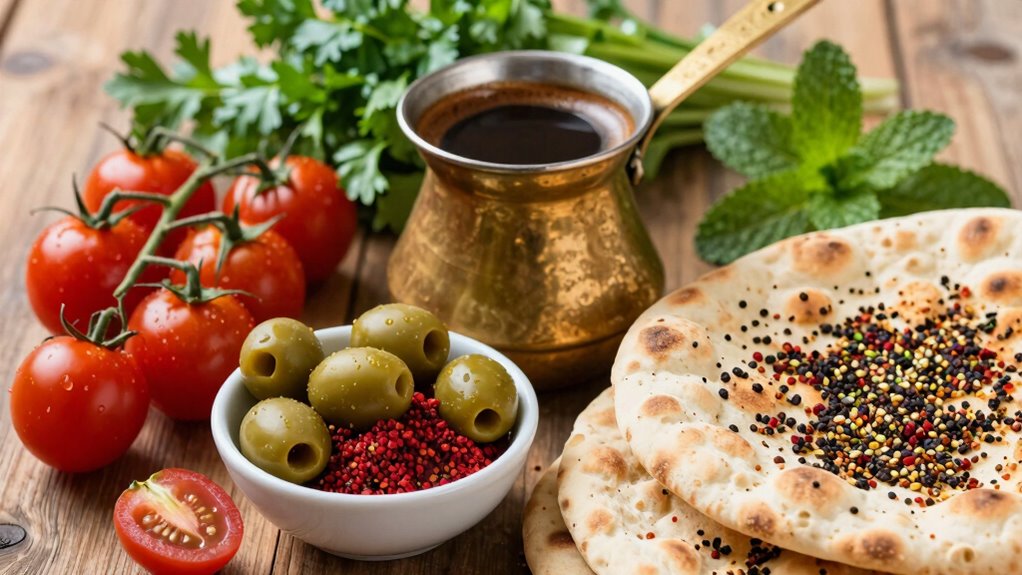
Lebanese cooking is renowned for its vibrant and complex flavors, which are carefully crafted through a combination of fresh ingredients, aromatic spices, and precise techniques. One of the most effective flavor-building strategies you can learn from this cuisine is how to master spice combinations and ingredient layering. These techniques transform simple components into dishes bursting with depth and richness, and once you understand them, you’ll see how every element plays a vital role in creating memorable flavors.
Spice combinations are at the heart of Lebanese dishes. Instead of relying on a single spice to define a flavor, Lebanese cooks blend multiple spices to achieve a balanced, layered taste. For example, a common spice mix might include cinnamon, allspice, cumin, and sumac, each adding its unique note. You’ll want to experiment with these combinations, adjusting quantities to suit your taste, but the key is to think of spices as building blocks, not just flavor accents. When you start combining spices thoughtfully, you create a complex aroma that hints at multiple flavor layers, drawing the eater in with each bite. Incorporating ingredient quality can further enhance these layers by ensuring the freshest flavors are present from the start. Paying attention to cooking techniques can also significantly influence how well these spices develop and meld.
Lebanese spice blends layer flavors, turning simple dishes into aromatic, complex culinary masterpieces.
Ingredient layering is equally essential. It involves adding ingredients at different stages of cooking to develop complexity gradually. You might start with sautéed onions and garlic as a flavor base, then add spices, herbs, and other aromatics, allowing each to infuse the dish with its essence. As you cook, you layer in ingredients like tomatoes, herbs, and vegetables, letting their flavors meld and deepen over time. The process is akin to constructing a flavor foundation, where each layer enhances and complements the previous one. Paying attention to precise timing during cooking can significantly influence how well these flavors develop and balance out. Additionally, understanding the importance of ingredient freshness can make a noticeable difference in the final flavor profile.
As an affiliate, we earn on qualifying purchases.
Frequently Asked Questions
How Do Lebanese Spices Vary by Region?
You’ll notice regional spice profiles in Lebanese cuisine vary based on local ingredients and culinary traditions. For example, coastal areas favor citrus and fresh herbs, while inland regions use more warm spices like cinnamon and allspice. By exploring these regional differences, you contribute to culinary heritage preservation. Embracing these variations helps you appreciate Lebanon’s diverse flavors and deepen your understanding of how geography influences spice choices.
What Is the Role of Acidity in Lebanese Flavor Building?
Acidity plays a vital role in Lebanese flavor building by balancing rich ingredients and enhancing freshness. You’ll often add vinegar or citrus zest to brighten dishes, creating a vibrant, well-rounded taste. Vinegar provides a subtle tang that cuts through hearty flavors, while citrus zest adds a lively aroma and brightness. Incorporating these elements thoughtfully helps you develop depth and harmony in Lebanese recipes, making every bite more flavorful and appealing.
Can Flavor Building Techniques Be Adapted for Western Dishes?
Imagine your kitchen as a canvas, ready for vibrant fusion techniques. You can adapt flavor-building methods from Lebanese cuisine to Western dishes by experimenting with ingredient substitutions—like swapping sumac for lemon zest or pomegranate molasses for balsamic. These techniques layer complex flavors, transforming familiar dishes into exciting culinary journeys. Embrace the art of blending, and your creations will burst with depth and cultural richness, mesmerizing every palate.
How Important Are Traditional Cooking Tools in Flavor Development?
Traditional cooking tools play a crucial role in flavor development, even in a modern kitchen. They help you achieve authentic textures and deepen flavors through specific techniques, like using mortar and pestle for herb substitution or cast iron pans for even heat. While you can adapt with modern tools, understanding how traditional ones influence flavor allows you to better replicate authentic tastes and elevate your cooking, even with contemporary equipment.
What Are Common Pitfalls When Trying Lebanese Flavor Profiles?
Imagine your dish as a symphony; rushing or mismatched herb pairings can create discord. You might over- or under-season, disrupting the delicate balance of flavors. Poor cooking timing can dull the freshness of herbs or spice layers, losing their vibrant essence. To avoid these pitfalls, pay attention to herb pairings that complement each other and master cooking timing, ensuring each ingredient’s unique role shines through in your Lebanese-inspired creation.
high-quality sautéed onion and garlic pan
As an affiliate, we earn on qualifying purchases.
As an affiliate, we earn on qualifying purchases.
Conclusion
Now that you’ve explored Lebanese cooking’s flavor-building secrets, it’s clear how layering spices, herbs, and textures creates vibrant dishes. Imagine each ingredient as a brushstroke on a culinary canvas—can you see how combining them thoughtfully results in a masterpiece? Embrace these techniques next time you cook; aren’t the richest flavors worth the effort? With practice, you’ll craft dishes that not only satisfy but also tell a story through their bold, harmonious tastes.
As an affiliate, we earn on qualifying purchases.
cooking technique spice layering tools
As an affiliate, we earn on qualifying purchases.
As an affiliate, we earn on qualifying purchases.
Fall Picks
fall essentials
As an affiliate, we earn on qualifying purchases.