TL;DR

Get kitchen staples and gadgets delivered free with Prime
- Fast, free delivery on millions of items
- Prime Video, Amazon Music and more included
- Member-only deals all year
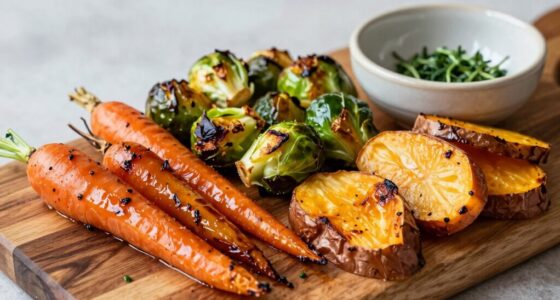
The Kitchn food writer Lizzy Briskin recommends adding a splash of Colavita white balsamic vinegar to roasted vegetables just after they come out of the oven. She says its mild sweetness and acidity brighten carrots, squash, Brussels sprouts and potatoes; this is a personal product recommendation, not a reported taste test or scientific finding.
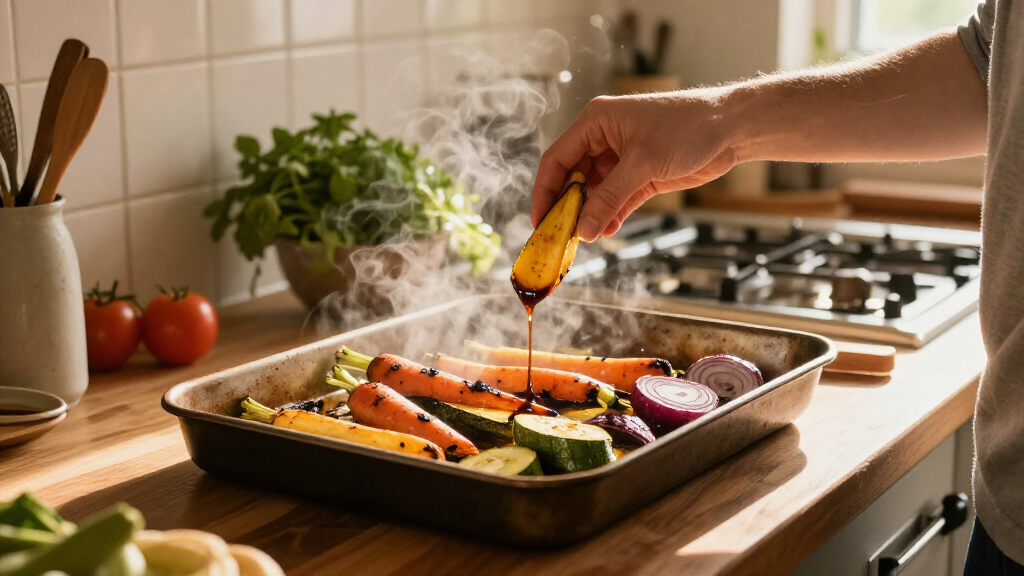
The Kitchn food writer Lizzy Briskin recommends finishing a sheet pan of roasted vegetables with a splash of Colavita white balsamic vinegar as soon as it comes out of the oven. In her product review, Briskin says the vinegar adds acidity and a little sweetness to vegetables including carrots, squash, Brussels sprouts and potatoes, offering a simple flavor adjustment rather than a change to the roasting method.
Briskin describes white balsamic as a blend of white grape and white wine vinegar. She says it falls between traditional balsamic’s sweetness and the sharper acidity of white or red wine vinegar. In her account, the product has a light, fluid texture rather than the thick, syrupy consistency often associated with balsamic vinegar. That makes it easy to drizzle or mix into other preparations, she writes.
Her recommended use is to add the vinegar after roasting, while the vegetables are fresh from the oven. Briskin says this adds brightness and a slight sweetness to a tray of vegetables. The article names carrots, squash, Brussels sprouts and potatoes as examples, but does not provide a measured quantity, a formal recipe, or separate cooking instructions for each vegetable.
Briskin also says she uses white balsamic in winter slaws and bitter-green salads, and to finish creamy or meaty soups and stews. The Kitchn’s disclosure says it independently selects products and may earn a commission if readers buy through its links; it also says prices were accurate at the time of publication.
A Quick Finish for Roasted Vegetables
The recommendation focuses on a small finishing step that can change how a familiar side dish tastes without requiring a new roasting technique. Vinegar’s acidity can provide contrast to the richness of oil and the sweetness that develops as vegetables roast. Briskin’s account presents white balsamic as a less sharp, lightly sweet option for readers who want that contrast without the thick texture of traditional balsamic.
The advice may be useful for home cooks looking to adjust a meal with a pantry ingredient, particularly when serving root vegetables, squash or Brussels sprouts. The report is based on Briskin’s own cooking experience and preference. It does not establish that the named brand performs better than other white balsamic vinegars, or that every vegetable or palate will respond the same way.
Products Worth Considering

KitchenAid 5.5-Qt Bowl-Lift Stand Mixer, Porcelain White (KSM55SXXX)

De'Longhi Rivelia Fully Automatic Espresso Machine with Milk Frother, White

Instant Pot Pro 6-Quart 10-in-1 Electric Pressure Cooker, Black
As an affiliate, we earn on qualifying purchases.
How Briskin Uses White Balsamic
The Kitchn article is a product review and recommendation by Lizzy Briskin, who is identified as a trained chef, food writer and recipe developer. Its starting point is her routine of roasting seasonal vegetables with olive oil, salt and pepper. She says that basic preparation works, but that some trays benefit from an additional flavor.
Rather than putting the vinegar on before roasting, Briskin describes using it as a finishing ingredient once the vegetables leave the oven. She also uses it in salads and soups, where she says its acidity can cut through richer flavors. The article does not include a comparison with other brands, independent testing, or a recipe developed specifically to quantify the effect.
“The most common way I use white balsamic vinegar is to finish a big sheet pan of roasted vegetables.”
— Lizzy Briskin, writing for The Kitchn
No Measured Recipe or Brand Comparison
The article does not specify how much vinegar to use, whether the vegetables should be tossed or drizzled, or how the amount should change with the size of the tray. Those choices are left to the cook. It also does not report a side-by-side comparison with other white balsamic products or provide independent testing to verify the described flavor differences.
Briskin’s comments are a personal recommendation, not a guarantee that all white balsamic vinegars have the same blend or taste. The source material does not give a specific publication date beyond saying the piece was published “yesterday,” and it does not establish current product availability or pricing.
Adjust the Splash to Taste
Readers who try the suggestion can start with a small amount of white balsamic after roasting and add more to taste, since the article offers no fixed measurement. The vinegar can be sampled alongside the vegetables to judge how its acidity and sweetness work with the seasoning and ingredients. Briskin’s piece also invites readers to share their own uses for white balsamic in the comments.
There is no announced follow-up test, recipe update or further product comparison in the supplied report. The immediate takeaway remains Briskin’s practical serving suggestion: add the vinegar after the vegetables are cooked, rather than treating the article as a tested formula or a claim that one brand is best.
Key Questions
When does Briskin add white balsamic vinegar to roasted vegetables?
She adds a splash as soon as the vegetables come out of the oven, using it as a finishing ingredient.
Which vegetables does the recommendation mention?
The article names carrots, squash, Brussels sprouts and potatoes. Briskin does not provide separate instructions for each one.
How much vinegar should I use?
The report does not give a measured amount. It recommends a splash, so readers will need to adjust it to the size of the tray and their taste.
Is the article a comparison proving Colavita is better than other brands?
No. It presents Briskin’s personal product recommendation and does not describe a side-by-side brand test or independent evaluation.
Source: thekitchn.com