
The one habit that cuts food waste in half is mastering proper food storage techniques. By keeping vegetables in the crisper drawer with humidity control, storing fruits separately, and using airtight containers for leftovers, you prevent spoilage and extend food freshness. Organizing your fridge and pantry also plays a big role in reducing waste. If you want to learn more about how to implement these strategies effectively, keep exploring these smart storage habits.
Open a free Amazon Business account
Business pricing, bulk buying and tax-exempt orders.
As an affiliate, we earn on qualifying purchases.
Key Takeaways
- Regularly organize your fridge to ensure older items are used first, preventing spoilage and waste.
- Label leftovers with dates to prioritize consumption before they expire.
- Store fruits and vegetables separately, maintaining optimal humidity and airflow to extend freshness.
- Plan meals ahead to buy only what is needed, reducing impulse purchases and spoilage.
- Use airtight containers for leftovers and pre-cut produce to preserve freshness and prevent waste.
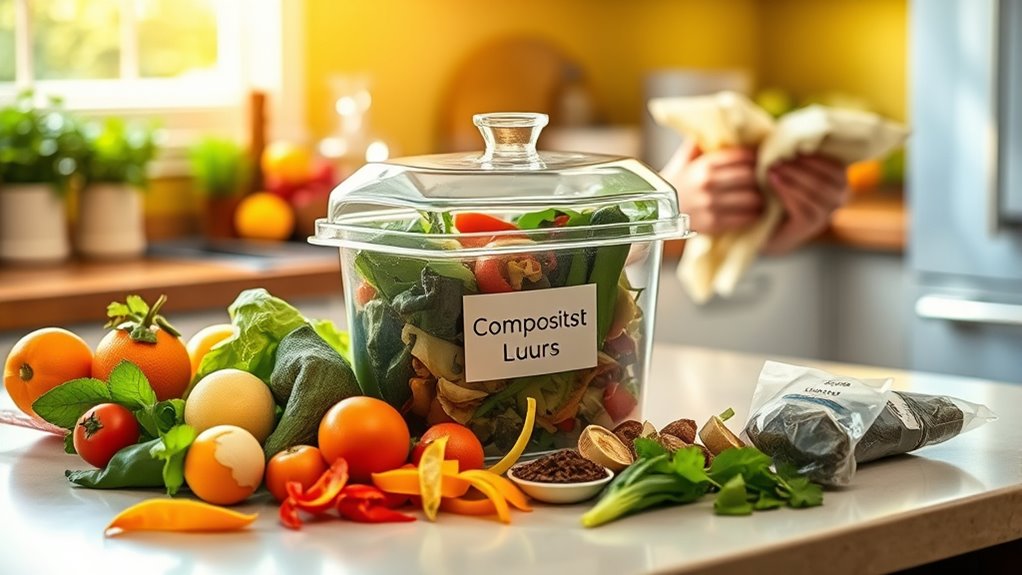
Proper storage plays an essential role in keeping food fresh longer. Once you’ve bought your groceries, take the time to store them correctly. For example, keep vegetables in the crisper drawer, where humidity levels are controlled, and store fruits in a separate area to prevent ripening too quickly. Use airtight containers for leftovers and pre-cut produce, which helps prevent moisture loss and spoilage. When you understand the best storage methods for different foods, you greatly extend their shelf life. This means you’re less likely to throw out items because they’ve gone bad before you get around to eating them. Understanding the differences between storage methods such as air circulation and humidity control can further optimize freshness. Proper organization of your fridge and pantry is also crucial; keep older items at the front so you use them first, reducing waste from forgotten groceries. Label leftovers with dates so you know exactly when they need to be eaten. Small steps like these ensure you consume food while it’s still fresh, rather than letting it sit and eventually spoil. Incorporating food preservation techniques from reliable sources can help ensure you’re applying the most effective methods. For example, proper food storage can help mitigate contamination risks, keeping your food safer for longer. Planning your meals means fewer trips to the store, less impulse buying, and ultimately, less food wasted. Proper storage preserves what you buy, reducing the chance of spoilage. Over time, you’ll waste less money, feel less overwhelmed by spoiled food, and contribute to reducing overall food waste. It’s a simple change with profound effects—just plan smarter, store better, and enjoy a more sustainable kitchen. By making these adjustments, you’re taking a vital step toward cutting your food waste in half.
airtight food storage containers
As an affiliate, we earn on qualifying purchases.
As an affiliate, we earn on qualifying purchases.
Frequently Asked Questions
How Quickly Can I See Results From This Habit?
You can start seeing visual progress within a week of adopting this habit, but it depends on your initial food waste levels and your time commitment. Consistently practicing the habit helps you quickly notice less waste and better food management. The key is to stay committed daily, and over time, you’ll see significant improvements. Your effort will pay off in less waste, saving money and reducing environmental impact.
Does This Habit Work for All Types of Food?
Yes, this habit works for all types of food, including fruit preservation and enhancing ingredient versatility. By adopting this habit, you reduce waste across different foods, whether they’re fresh produce or leftovers. It helps you make the most of your ingredients, extending their freshness and usability. You’ll notice less spoilage and more creative meal options, making your food last longer and your grocery budget go further.
Are There Any Costs Associated With Implementing This Habit?
Implementing this habit usually costs little or nothing, helping you avoid significant financial barriers. You might need to invest in some organization tools like containers or labels, but these are often inexpensive. Overall, the implementation costs are minimal compared to the savings on wasted food. By focusing on planning and proper storage, you can easily adopt this habit without worrying about high expenses or financial hurdles.
Can This Habit Be Shared With Family or Roommates?
You can absolutely share this habit with your family or roommates, turning it into a powerful tool for change. Imagine transforming your home into a waste-free zone, where everyone’s involved in reducing food waste. With family involvement and shared accountability, you create a community effort that’s unstoppable. When everyone commits, the impact multiplies, making the habit not just personal but a collective mission, leading to significant waste reduction.
What Are Common Mistakes to Avoid When Adopting This Habit?
When adopting this habit, avoid common mistakes like ignoring expiration dates, which can lead to food safety issues, or overeating portions that cause waste. Always check expiration dates carefully and practice portion control to prevent leftovers from becoming forgotten or spoiled. Don’t assume all food is still good past its date, and be mindful of how much you prepare to reduce unnecessary waste and save money.
As an affiliate, we earn on qualifying purchases.
Conclusion
So, next time you’re about to toss that slightly wilted lettuce, remember: just adopt this one simple habit and watch your food waste halve. It’s almost too easy—like a secret society of waste reduction geniuses. Who knew that a little planning and mindful shopping could turn you into a hero of the environment? So go ahead, impress your friends with your newfound eco-warrior skills, and finally give that food waste a well-deserved break.
As an affiliate, we earn on qualifying purchases.
pre-cut produce storage containers
As an affiliate, we earn on qualifying purchases.
As an affiliate, we earn on qualifying purchases.
Flea & tick season Picks
flea and tick prevention
As an affiliate, we earn on qualifying purchases.