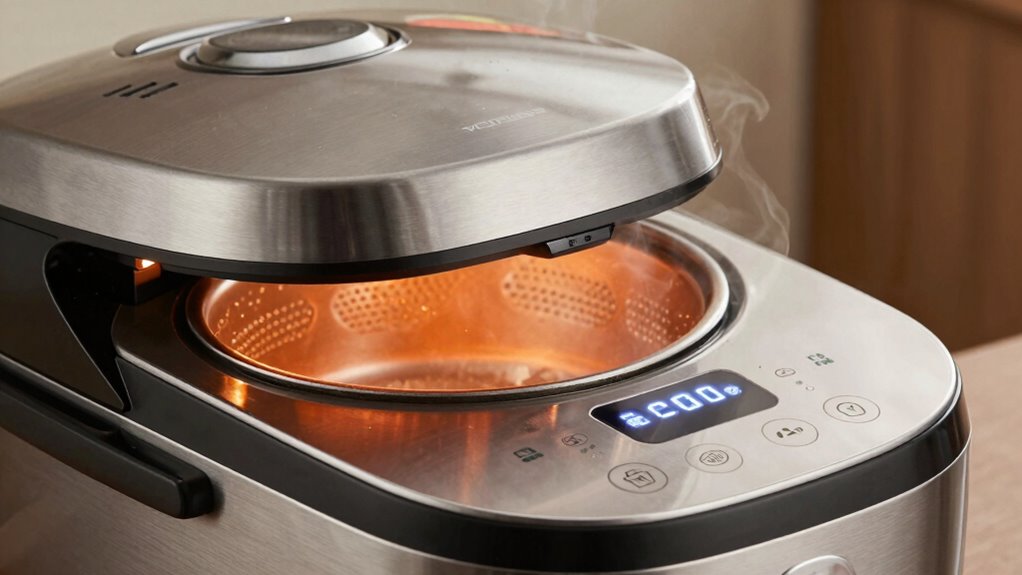

Different rice cooker technologies cater to various needs. Basic models simply heat the rice until done, while fuzzy logic cookers analyze sensors in real-time and adjust temperature to improve results. Induction heating goes a step further by directly generating heat within the pot for even cooking and energy efficiency. Understanding these options helps you pick the right one, and if you keep exploring, you’ll uncover how each tech impacts your cooking experience.
Key Takeaways
- Basic rice cookers operate with simple timers and temperature sensors, offering straightforward, reliable performance.
- Fuzzy logic rice cookers analyze sensor data dynamically, adjusting cooking parameters for optimal rice texture and flavor.
- Induction heating rice cookers generate heat directly within the pot for faster, more even cooking and precise temperature control.
- Fuzzy logic enhances energy efficiency by adapting heat based on real-time feedback, reducing overcooking and power consumption.
- Induction heating provides superior heat distribution, making it ideal for enthusiasts seeking precise control and consistent results.

Zojirushi NP-HCC10XH Induction Heating System Rice Cooker and Warmer, 5.5-Cup, Stainless Dark Gray
Induction rice cooker and warmer. Electrical Rating : 1,230 Watts
As an affiliate, we earn on qualifying purchases.
As an affiliate, we earn on qualifying purchases.
How Do Rice Cookers Work? An Overview of Rice Cooker Technology

Rice cookers simplify the process of preparing rice by automating temperature control and cooking time. Inside, temperature sensors monitor the heat, ensuring the rice doesn’t overcook or burn. When you start the cooker, the cooking timer begins, guiding the process until the rice reaches the perfect consistency. As the rice heats up, the sensors detect changes in temperature, signaling when to switch from cooking to warming mode. Many models also use preset timers to help you plan meal preparation. These components work together seamlessly, allowing you to set it and forget it. This automation eliminates guesswork, making rice cooking straightforward and reliable. By managing heat levels and timing precisely, rice cookers deliver consistently well-cooked rice with minimal effort. Additionally, some advanced models incorporate Fuzzy Logic technology, which enables the cooker to automatically adjust cooking parameters for optimal results based on real-time data. The integration of such smart control systems exemplifies how modern appliances leverage innovative technology for improved performance.

Cosori Rice Cooker 10 Cup, 24h Keep Warm, Non-stick Ceramic Inner Pot, 18 Functions Fuzzy Logic Rice Maker with Stainless Steel Steamer Basket, Sauté, Slow Cooker, Black
𝟭𝟴 𝗙𝘂𝗻𝗰𝘁𝗶𝗼𝗻𝘀 𝗥𝗶𝗰𝗲 𝗠𝗮𝗸𝗲𝗿: Choose from different types of white and brown rice with texture options, 3 types…
As an affiliate, we earn on qualifying purchases.
As an affiliate, we earn on qualifying purchases.
What Are the Main Features of Basic Rice Cookers?
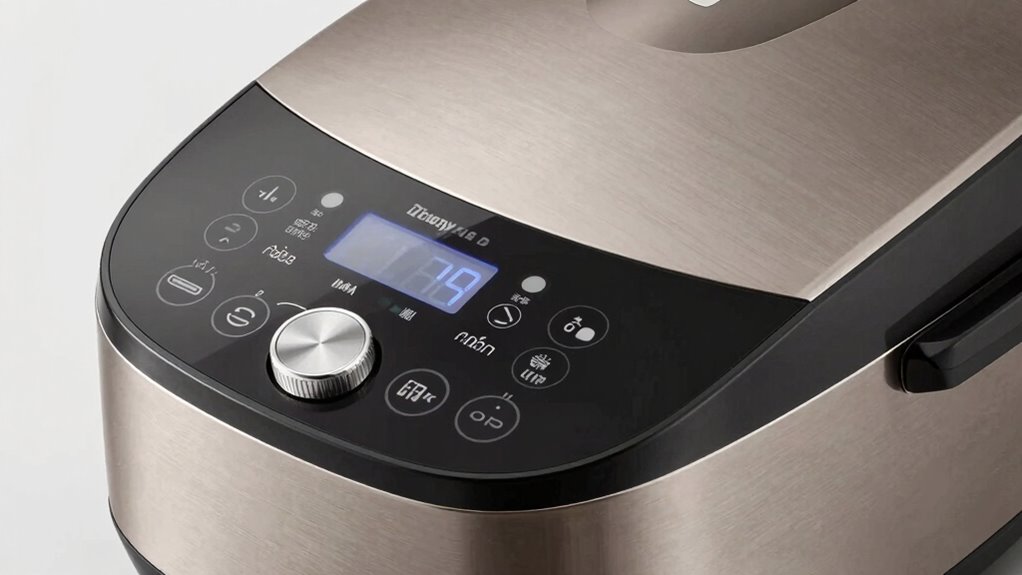
Basic rice cookers typically feature simple controls like a single switch or button that starts the cooking process. They’re easy to operate, making them perfect for everyday use. You can choose a size based on your cooking capacity needs, whether for a small family or larger gatherings. The design aesthetics are straightforward, often compact and unobtrusive, fitting seamlessly into any kitchen. These cookers focus on functionality, offering reliable performance without complicated settings. Their main features include:
- User-friendly operation for quick, stress-free cooking
- Adequate cooking capacity to handle your meal portions
- Simple, clean design aesthetics that blend with your kitchen
- Durability and reliability for consistent results every time
If you prefer straightforward, dependable appliances, basic rice cookers are a smart choice for everyday cooking.

AROMA Digital Rice Cooker, 4-Cup (Uncooked) / 8-Cup (Cooked), Steamer, Grain Cooker, Multicooker, 2 Qt, Stainless Steel Exterior, ARC-914SBD
Easy-to-use programmable digital controls complete with an automatic Keep Warm mode after each cycle
As an affiliate, we earn on qualifying purchases.
As an affiliate, we earn on qualifying purchases.
How Does Fuzzy Logic Improve Cooking Results?
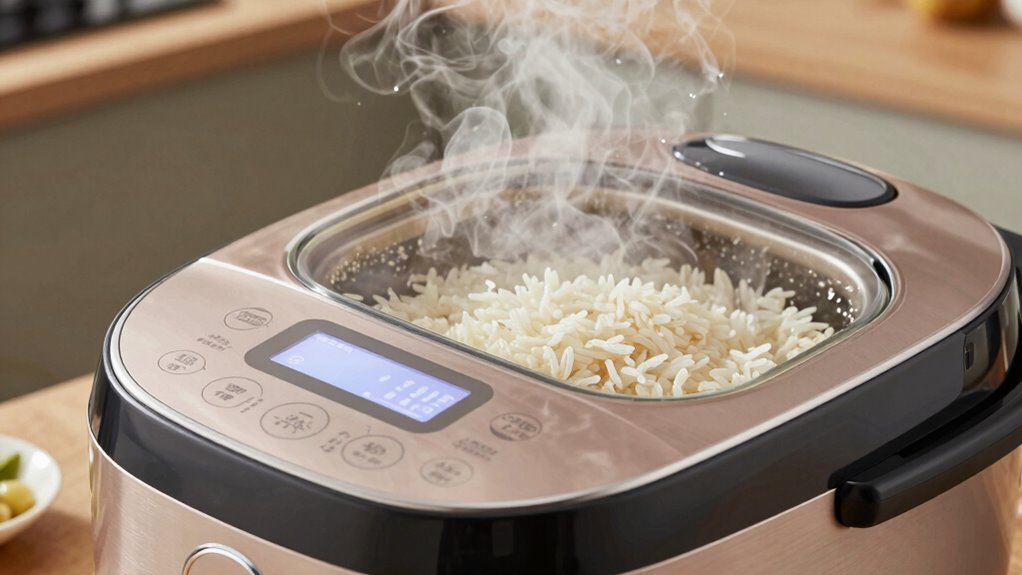
Have you ever wondered how modern rice cookers achieve perfectly cooked rice every time? Fuzzy logic plays a key role by continuously analyzing sensor calibration data to adjust cooking parameters dynamically. It monitors factors like temperature and moisture levels, making real-time adjustments to optimize results. This smart control minimizes overcooking or undercooking, ensuring consistent texture and flavor. Additionally, fuzzy logic enhances energy efficiency by reducing unnecessary power use once the perfect cooking point is approached. Instead of relying on fixed timers, it adapts to the specific rice batch and environmental conditions, saving energy and improving overall performance. This intelligent system makes your rice cooker more reliable, efficient, and capable of delivering ideal results with less waste. Moreover, understanding how sensor calibration works helps to appreciate the precision involved in fuzzy logic systems. Implementing adaptive control techniques allows these cookers to respond more effectively to changes during the cooking process. A deeper understanding of feedback mechanisms can further improve the performance of fuzzy logic cooking systems. For example, sensor accuracy is crucial for maintaining optimal control and consistent cooking results.
Cosori Rice Cooker 10 Cup, 24h Keep Warm, Non-stick Ceramic Inner Pot, 18 Functions Fuzzy Logic Rice Maker with Stainless Steel Steamer Basket, Sauté, Slow Cooker, Black
𝟭𝟴 𝗙𝘂𝗻𝗰𝘁𝗶𝗼𝗻𝘀 𝗥𝗶𝗰𝗲 𝗠𝗮𝗸𝗲𝗿: Choose from different types of white and brown rice with texture options, 3 types…
As an affiliate, we earn on qualifying purchases.
As an affiliate, we earn on qualifying purchases.
What Is Induction Heating, and Why Is It Better?
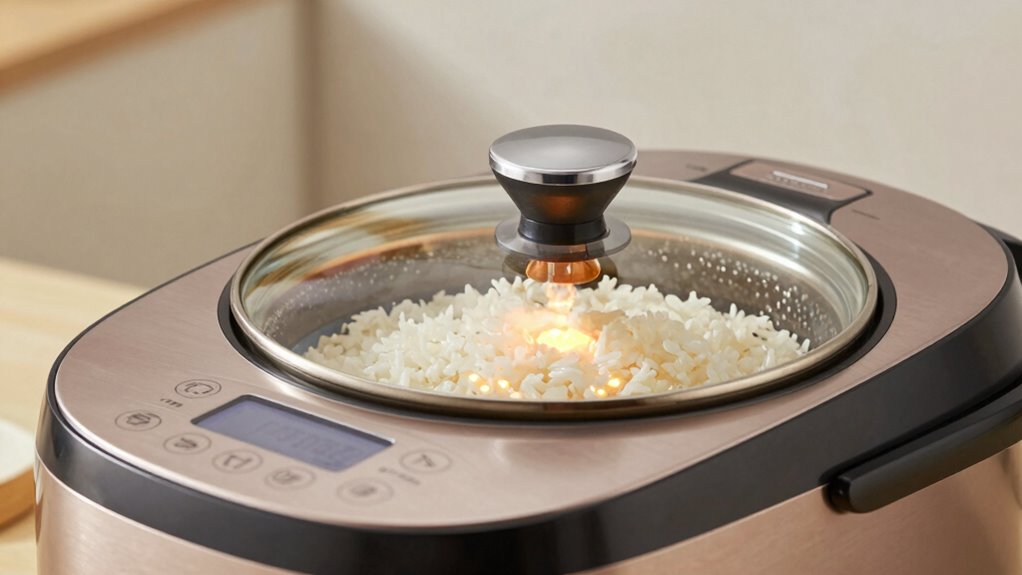
Induction heating revolutionizes how rice cookers operate by directly generating heat within the pot itself, rather than relying on traditional methods like resistive heating elements. This technology offers superior energy efficiency because it minimizes wasted energy, converting almost all power into heat. It also ensures even heat distribution, so your rice cooks perfectly every time, without hot spots or uneven textures. With induction heating, you get faster cooking times and more precise temperature control, making your rice fluffy and delicious. Plus, it’s safer since the heat is generated directly in the pot, reducing external heat and burn risks. induction heating also contributes to more consistent cooking outcomes by adapting to the specific requirements of different rice varieties. This adaptive capability is part of the broader trend of smart kitchen appliances that learn and optimize cooking processes. Additionally, induction heating systems often include advanced sensors that monitor temperature and adjust power in real-time to ensure optimal results. These systems can also help prolong the lifespan of your rice cooker by reducing wear on components and maintaining optimal operating conditions, contributing to better long-term durability.
Which Rice Cooker Technology Is Best for Your Needs?

Choosing the right rice cooker technology depends on your cooking habits, budget, and desired features. If you want convenience and advanced control, look for models with smart features like app connectivity or programmable settings. These can make cooking easier and more customizable. For consistent results, brand reputation matters—trusted brands often offer better reliability and customer support. Basic rice cookers are affordable and simple but may lack precision. Fuzzy logic models adapt cooking parameters for better rice quality, suitable if you cook different types frequently. Induction heating cookers deliver the most even cooking and precise temperature control, ideal for serious rice enthusiasts. Proper heat distribution is essential for achieving evenly cooked rice regardless of the technology used. Additionally, understanding cooking techniques can help you optimize your rice results with any cooker. Incorporating heat transfer methods into your knowledge can further enhance your cooking outcomes. Recognizing the importance of heat distribution can help you select a model that ensures evenly cooked rice every time. Moreover, selecting a cooking technology aligned with your needs can significantly improve your overall experience.
Comparing Rice Cooker Types: Pros and Cons
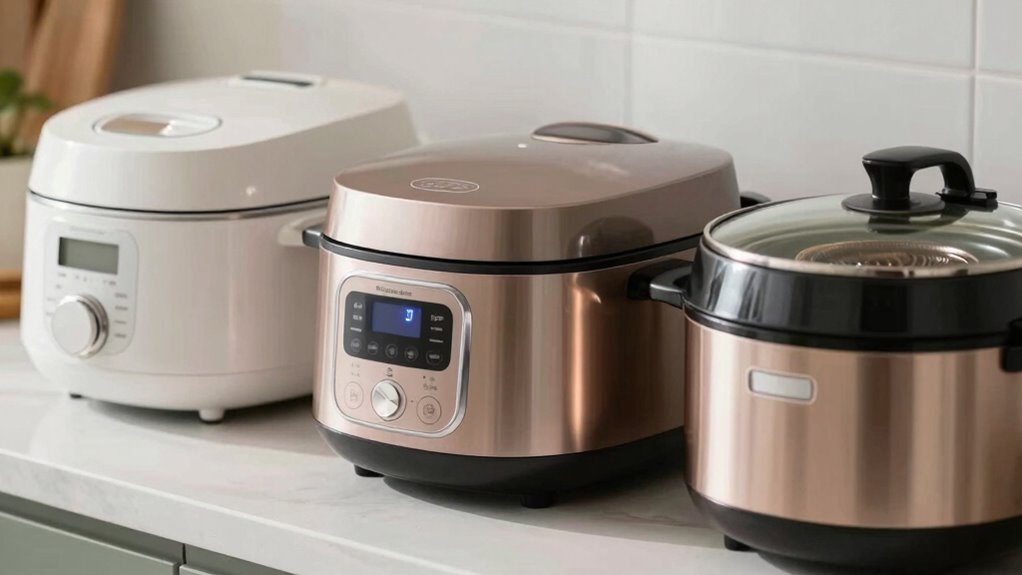
Comparing rice cooker types, you’ll want to think about how much control you need over cooking precision and how that impacts your results. Price differences can also influence your choice, with some options offering better value for your budget. Additionally, durability and maintenance requirements vary, so think about which model will last and stay easy to clean over time. Considering the inner guidance provided by different technologies can help you select a rice cooker that best aligns with your personal needs and values. Understanding technology differences can also ensure you choose a model that offers the right features for your cooking style. Recognizing the performance capabilities of each type can help you achieve more consistent and satisfying results in your kitchen. Moreover, evaluating the long-term sustainability of a rice cooker can be beneficial, especially if you prioritize environmentally friendly appliances and practices. Incorporating energy efficiency into your decision can further reduce your environmental impact and utility bills over time.
Cooking Precision and Control
Different types of rice cookers offer varying levels of cooking precision and control, which can considerably impact your results. With precise sensor accuracy, your rice will cook perfectly every time, avoiding undercooked or mushy textures. Fuzzy logic models adjust heat and time dynamically, giving you better control over different rice types. Induction heating provides consistent temperature regulation and energy efficiency, saving power while maintaining quality. Additionally, understanding home electrical safety can help you select and operate your rice cooker more securely. Incorporating private equity market trends into your choice of appliances can also lead to smarter investments in home technology.
Moreover, selecting a rice cooker with advanced safety features can further enhance your confidence in its secure operation and long-term durability.
Consider these benefits:
- Achieve fluffy, restaurant-quality rice effortlessly
- Minimize guesswork with smart sensor technology
- Save energy with efficient heating methods
- Customize settings for different grains and textures
Price and Value Differences
Prices for rice cookers vary widely, reflecting differences in features, build quality, and technology. To choose wisely, consider how pricing strategies align with your needs and budget. Basic models are often the most affordable, but they may lack advanced features. Mid-range cookers incorporate more control options, while premium models with fuzzy logic or induction heating tend to cost more due to their sophisticated technology. Brand reputation also influences value; well-known brands often justify higher prices with better durability and customer support. While investing in a pricier cooker might seem costly upfront, it can offer better performance and longevity. Ultimately, balancing your budget with the features you value most will help you find the best price-to-value ratio for your rice cooker.
Durability and Maintenance
Choosing the right rice cooker involves considering how durable and easy to maintain it is over time. Different types offer varying durability lifespan and maintenance needs. Fuzzy logic cookers might require more careful cleaning of sensors, but they generally last long with proper care. Induction heating models are robust but may have complex parts that need regular attention. Basic models are simple but might wear out faster. To maximize your rice cooker’s lifespan, follow maintenance tips like cleaning the inner pot regularly, avoiding abrasive cleaners, and checking power cords for damage. Proper care guarantees your cooker stays reliable longer. A durable and well-maintained rice cooker saves you money and guarantees perfect rice every time. Keep it in top shape, and it’ll serve you well for years to come.
Frequently Asked Questions
How Energy-Efficient Are Different Rice Cooker Technologies?
You’ll find that induction heating rice cookers are the most energy-efficient, consuming less energy due to precise temperature control and rapid heating, which reduces overall energy consumption. Fuzzy logic models adapt cooking times for better results, saving energy compared to basic models. Consequently, these technologies lower your environmental impact by using less power and reducing waste, making them more sustainable choices for eco-conscious users.
Can Rice Cooker Tech Be Used for Cooking Other Foods?
Yes, rice cooker tech can be used for multi-purpose cooking. Many models come with settings for steaming vegetables, making soups, or even baking cakes. This versatility allows you to prepare a variety of foods with ease. Plus, the advanced technology helps preserve flavors and nutrients, ensuring your dishes taste fresh and delicious. So, your rice cooker isn’t just for rice—it’s a handy kitchen tool for flavorful, multi-purpose cooking.
What Maintenance Is Required for Advanced Rice Cooker Models?
Think of your advanced rice cooker as a fine-tuned orchestra that needs regular tuning. You should perform cleaning cycles regularly to remove residue and prevent odors. Additionally, check and clean components like the lid, steam vent, and sensors to extend their lifespan. Following the manufacturer’s maintenance instructions keeps your cooker performing at its best, ensuring it stays reliable and efficient for years to come.
Do Different Technologies Affect Cooking Time Significantly?
Different technologies do impact cooking time variations considerably. For example, induction heating cooks faster and more evenly because it directly heats the rice, reducing wait times. Fuzzy logic adjusts temperature and timing dynamically, which can optimize cooking duration based on rice type. Basic models take longer since they rely on simple heat cycles. So, your rice cooker’s technology directly influences how quickly your rice gets ready.
Are There Safety Concerns With Induction Heating Rice Cookers?
You might be glad to know that induction heating rice cookers are generally safe, with less than 1% of reported safety concerns related to electrical hazards. Safety concerns are minimal because they are designed with built-in safeguards, like auto shut-off features. However, always keep the cooker away from water and make sure proper grounding to prevent electrical hazards. Proper use minimizes risks, making induction cookers a safe and efficient choice for your kitchen.
Conclusion
Just like a skilled chef mastering their craft, choosing the right rice cooker technology can turn rice from simple to sublime. Whether you prefer the straightforward nature of basic models, the precision of fuzzy logic, or the efficiency of induction heating, each has its own charm—think of it as finding your culinary soulmate. Embrace the journey, and soon you’ll be savoring perfectly cooked rice every time, as if you’ve revealed a secret recipe just for you.