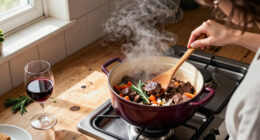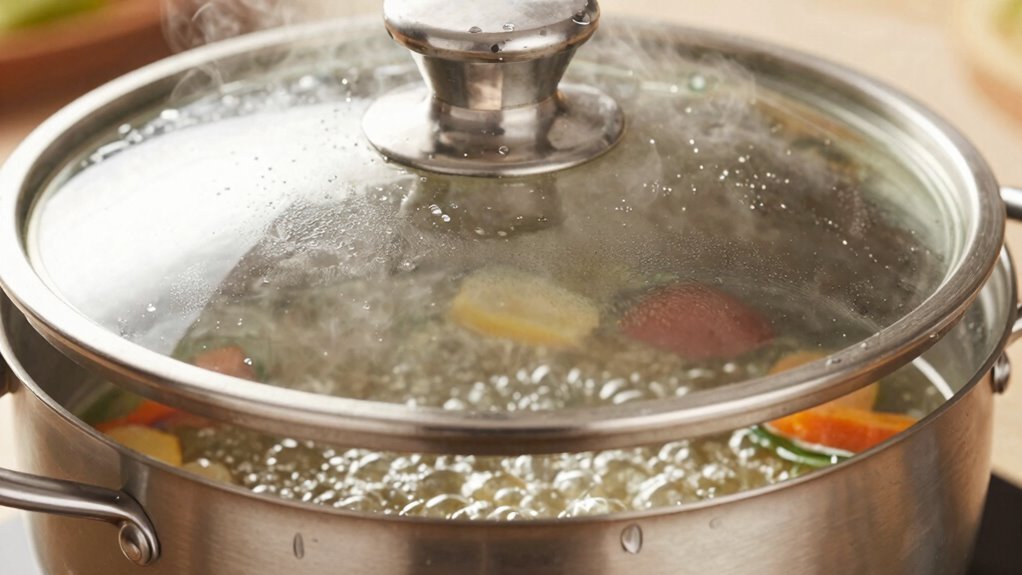

The lid you choose greatly influences how moisture stays or escapes from your food, affecting freshness and texture more than you might expect. An airtight lid traps moisture, risking sogginess or spoilage, while a vented lid helps manage airflow to keep produce crisp and prevent mold. Material type also matters—permeable lids allow moisture exchange, while impermeable ones lock in humidity. To truly preserve food quality, understanding how these factors work together will reveal even more.

Get kitchen staples and gadgets delivered free with Prime
- Fast, free delivery on millions of items
- Prime Video, Amazon Music and more included
- Member-only deals all year
Key Takeaways
- Airtight lids trap moisture, leading to sogginess and spoilage of certain foods.
- Ventilated lids allow moisture escape, preventing mold and preserving crispness.
- Material permeability determines how much moisture and gases pass through the lid.
- Adjustable vents enable customization for different foods’ moisture and airflow needs.
- Proper lid selection balances moisture retention and airflow, directly impacting food freshness.
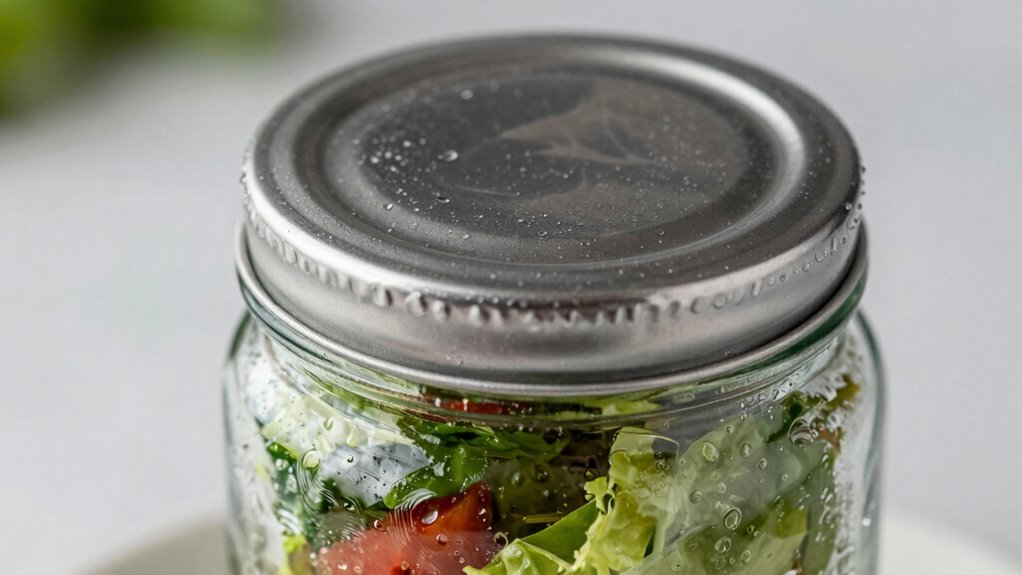
Choosing the right lid for your container can substantially influence moisture retention and food quality. It’s not just about keeping things sealed; it’s about selecting a lid that balances airflow and moisture control. Ventilation strategies play a vital role here. If a lid allows too much air to circulate, your food could dry out quickly, losing freshness and flavor. On the other hand, if it’s completely airtight, moisture might get trapped inside, leading to sogginess or spoilage. Striking the right balance requires understanding how different lids manage airflow and moisture exchange.
Choosing the right lid balances airflow and moisture to keep food fresh and prevent drying or spoilage.
Material permeability is a key factor that impacts this balance. Some lids are made from materials that are more permeable, meaning they let gases and moisture pass through more easily. For example, certain plastic lids have small vents or are designed with breathable materials to regulate humidity levels. This permeability can be ideal for storing produce or baked goods, where a bit of airflow helps maintain crispness or prevent mold. Conversely, completely impermeable materials like silicone or thick plastics create a tight seal that minimizes moisture exchange, which suits items that need to stay moist or prevent dehydration. The material properties of lids play a significant role in how effectively they control moisture and airflow.
Your storage needs also influence your lid choice. If you’re storing leftovers that need to stay moist, a lid with a tight seal and minimal permeability is best. However, if you’re storing fresh vegetables or bread, a lid that incorporates ventilation strategies—like small vent holes or adjustable vents—can help prevent excess moisture buildup, which often leads to mold or rot. It’s also important to consider airflow management to optimize storage conditions for different foods. Additionally, understanding how material permeability interacts with the storage environment can help prevent issues like condensation or spoilage. Being conscious of ventilation options and material permeability helps you tailor your storage solutions, ensuring your food stays fresh longer and maintains perfect texture and flavor.
airtight food storage container lids
As an affiliate, we earn on qualifying purchases.
As an affiliate, we earn on qualifying purchases.
Frequently Asked Questions
How Does Lid Material Influence Moisture Retention?
Lid material directly influences moisture retention because different materials vary in breathability and sealing ability. For example, plastic lids create a tight seal, preventing moisture loss, while metal or cloth lids may allow some evaporation. Your choice impacts how well moisture stays inside your container. Selecting a lid with the right material guarantees ideal moisture retention, keeping contents fresh and preventing spoilage or drying out.
Can Lid Design Impact Humidity Levels Inside Containers?
You might think the lid’s appearance doesn’t matter, but it can truly influence humidity levels inside containers. A well-designed lid with proper sealing keeps moisture in or out, affecting your stored items. Lid aesthetics and brand preferences often steer choices, but don’t overlook how the design impacts humidity. A tight, well-crafted lid prevents moisture loss or buildup, ensuring your contents stay fresh. After all, appearances can be deceiving when it comes to functionality.
Are There Specific Lids Better for Preventing Moisture Loss?
Yes, certain lids are better at preventing moisture loss. Lids with airtight seals, like those with silicone gaskets, keep humidity in effectively. When choosing lids, consider their aesthetics and labeling features—clear, well-designed lids make it easier to identify contents without lifting them often. Opt for lids that combine functional sealing with appealing design and labeling, ensuring your food stays fresh longer and your storage looks neat.
How Does Lid Fit Affect Moisture Control?
Imagine you’re storing fresh herbs; a poorly fitting lid allows air and moisture exchange. The lid fit directly affects moisture control through lid sealing, preventing excess evaporation. Material permeability also plays a role—an airtight lid with low permeability keeps moisture in better than one made of porous material. Ensuring a snug fit and choosing a non-permeable material helps maintain ideal moisture levels, keeping your produce fresh longer.
Do Colored or Tinted Lids Affect Moisture Balance?
Colored or tinted lids can influence moisture balance slightly by affecting heat absorption, which impacts evaporation. If you prefer aesthetic appeal, choose lids that match your style, but keep in mind darker shades may trap more heat, potentially increasing moisture inside. Your color preferences matter because they can subtly alter the environment. For ideal moisture control, consider lighter shades or materials designed to regulate temperature, balancing looks with functionality.
vented plastic food storage lids
As an affiliate, we earn on qualifying purchases.
As an affiliate, we earn on qualifying purchases.
Conclusion
Now that you know how a simple lid choice can dramatically influence moisture, imagine what’s hiding just beneath the surface. Will you opt for the secure seal or leave it slightly ajar? The difference could mean the unsettling difference between fresh, vibrant produce and soggy disappointment. The next time you cover your food, remember—sometimes, the smallest decision holds the power to preserve or ruin everything. Are you ready to make that choice?
As an affiliate, we earn on qualifying purchases.
As an affiliate, we earn on qualifying purchases.
NFL season / tailgating Picks
team gear
As an affiliate, we earn on qualifying purchases.