The glycemic index (GI) measures how quickly foods raise your blood sugar after eating. Foods are ranked from low to high, with whole grains and vegetables typically having lower GI values, while sugary snacks and refined carbs are higher. Using GI helps you choose foods that provide steady energy and better blood sugar control. Keep in mind, other factors like fiber and prep methods matter. Continue exploring to discover simple ways to incorporate GI into your diet effectively.
Key Takeaways
- The Glycemic Index measures how quickly foods raise blood sugar, with high-GI foods causing rapid spikes and low-GI foods providing gradual increases.
- Focus on overall food quality, fiber content, and preparation methods, as these significantly influence a food’s GI response.
- Incorporate a variety of low-GI foods like whole grains, legumes, and non-starchy vegetables for steady energy levels.
- Combine high-GI foods with fiber, protein, or fats to help stabilize blood sugar and prevent spikes.
- Remember that GI is just one factor; balanced diets and portion control are essential for effective blood sugar management.

Fodlist Diabetic Food Chart. Glycemic Index Food Guide Chart. Laminated Diabetes Food List and Meal Planner, all in One. Including Carbs Counter. Helpful for Grocery, type 1, 2, & prediabetic, Meal Planning, & Healthy Nutrition that Supports Blood Sugar Control and Diabetes Management.
Blood Sugar Management: This " Diabetes Food List" includes the carbohydrate count and glycemic index for each food,…
As an affiliate, we earn on qualifying purchases.
As an affiliate, we earn on qualifying purchases.
What Is the Glycemic Index and Why It Matters
Have you ever wondered why some carbohydrate-rich foods raise your blood sugar quickly while others do so more slowly? It all comes down to food digestion and how your body responds. The glycemic index measures how fast a food causes your blood sugar to rise after eating. Foods with a high GI are digested quickly, leading to a rapid increase in blood glucose, which triggers a strong insulin response. In contrast, low-GI foods digest more slowly, resulting in a gradual blood sugar increase and a steadier insulin response. Understanding this helps you choose foods that support steady energy levels and better blood sugar control. The glycemic index is a useful tool to predict how different foods will affect your blood sugar and insulin, guiding healthier eating habits. Additionally, expert tips for excelling in statistics can help you better understand the factors that influence blood sugar responses and improve your dietary choices. Recognizing how food composition impacts digestion can further empower you to make informed dietary decisions. For example, incorporating fiber-rich foods can slow digestion and stabilize blood sugar levels, enhancing the benefits of low-GI choices. Being aware of glycemic load alongside the glycemic index can also provide a more comprehensive view of a food’s impact on blood sugar. Moreover, understanding fiber’s role can help you optimize your diet for better blood sugar management.

Fiber One 70 Calorie Brownies, Chocolate Fudge Snack Bars, Mega Pack, 18 Ct, 16 oz
FIBER SNACKS: 26% daily value of fiber (3g total fat per brownie), 2g sugar, and 5g net carbs…
As an affiliate, we earn on qualifying purchases.
As an affiliate, we earn on qualifying purchases.
How Foods Are Ranked by Their Glycemic Index Values
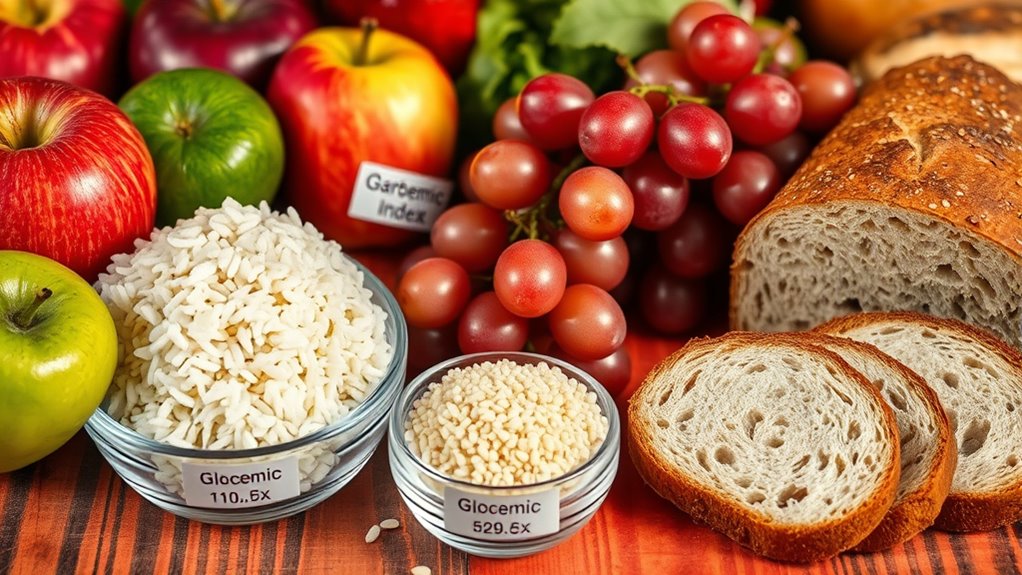
Foods are ranked by their glycemic index values based on how quickly they raise blood sugar levels after eating. This food ranking is determined by measuring blood glucose response over two hours after consuming a specific amount of carbohydrate. The results are then assigned a number on the glycemic scale, which ranges from 0 to 100. Foods with a high glycemic index, like white bread or sugary snacks, cause rapid spikes in blood sugar. Conversely, low glycemic foods, such as legumes or non-starchy vegetables, produce a slower, steadier increase. This ranking helps you understand how different foods impact your blood sugar. The process guarantees consistency and accuracy, making the glycemic scale a useful tool for comparing foods and managing your carbohydrate intake effectively. Detecting passive voice can improve clarity and engagement in your writing. Additionally, understanding the measurement process ensures you can interpret the values accurately and apply them to your dietary choices. Recognizing the role of testing methods can further enhance your ability to make informed nutritional decisions.

KIND ZERO Added Sugar Bars, Dark Chocolate Nuts and Sea Salt, Keto Friendly Snacks, Gluten Free, 5g Protein, 5 Count
Contains five (5) individually wrapped nut bars; Dark Chocolate Nuts and Sea Salt
As an affiliate, we earn on qualifying purchases.
As an affiliate, we earn on qualifying purchases.
Using the Glycemic Index to Make Smarter Food Choices
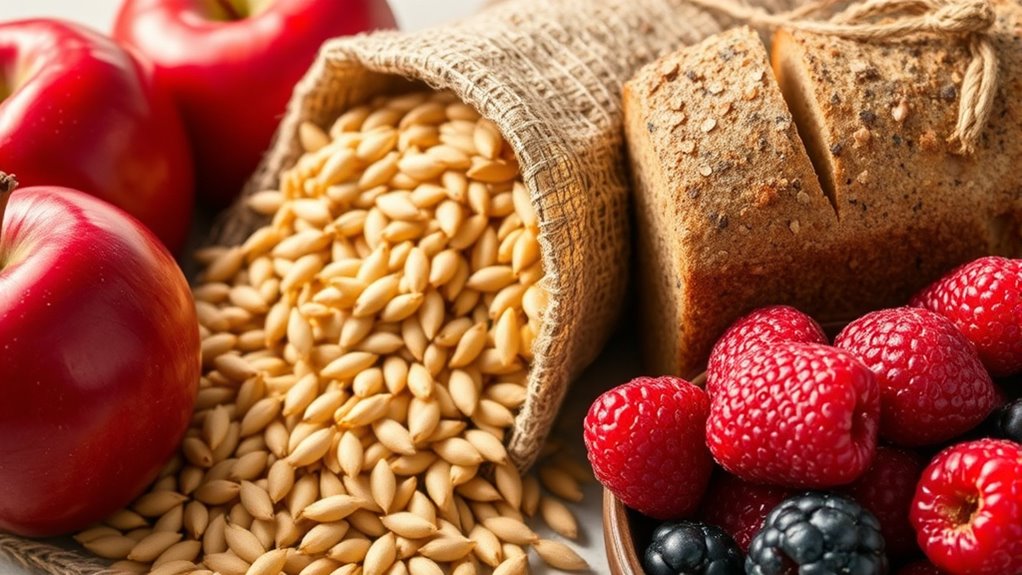
You can improve your diet by choosing low-GI foods that help keep your blood sugar steady. Balancing your carbohydrate intake guarantees sustained energy without spikes. Reading food labels allows you to make smarter choices and stay mindful of the GI value in what you eat. Incorporating saline solution can aid in proper piercing aftercare and reduce infection risks. Additionally, incorporating insulated jackets for winter can help maintain your comfort and warmth during outdoor activities, especially when planning for seasonal climate changes that impact your daily comfort.
Choosing Low-GI Foods
Choosing low-GI foods can markedly improve your blood sugar management and overall health. Focus on foods with higher fiber content, as fiber slows digestion and helps maintain steady glucose levels. Incorporate plenty of vegetables, whole grains, and legumes, which naturally have lower GI values. Pay attention to portion sizes, since large servings of even low-GI foods can cause blood sugar spikes. To make smarter choices, read labels carefully and select items that balance fiber and carbohydrate content. Combining low-GI foods with good fats and proteins further stabilizes blood sugar. Remember, variety is key, so include a diverse range of low-GI options in your diet to support optimal health and energy levels.
Balancing Carbohydrate Intake
Using the Glycemic Index can help you balance carbohydrate intake more effectively by guiding you toward foods that cause gradual rises in blood sugar. To do this, pay attention to meal timing—spacing out high-GI foods to prevent spikes—and incorporate portion control. Eating smaller, balanced portions of lower-GI foods ensures steady energy levels and avoids blood sugar crashes. Combining high- and low-GI foods during meals can also slow digestion and reduce blood sugar spikes. Planning your meals with the GI in mind allows you to manage cravings and maintain consistent energy throughout the day. Remember, moderation is key—by controlling portions and timing your carbs wisely, you can enjoy a variety of foods while keeping your blood sugar stable. Incorporating natural filtration systems in your backyard pools can also support sustainable and eco-friendly practices.
Reading Food Labels
Reading food labels carefully is essential for making smarter choices aligned with the Glycemic Index. Start by examining ingredient labels, prioritizing whole, unprocessed foods with minimal added sugars. Next, review the nutrition facts to check carbohydrate content and serving sizes. Use this information to:
- Identify foods with lower glycemic impact by choosing options with fewer refined carbs.
- Spot added sugars that can spike blood sugar levels.
- Compare similar products based on carbohydrate quantity.
- Select foods with higher fiber content, which can slow digestion and reduce glycemic response.
- Be aware of glycemic load to better understand how different carbohydrate amounts influence blood sugar levels.

HemerVows Diabetes Food List Chart Poster, Double-Sided Visual Nutrition Guide of Foods to Eat and Avoid, Educational Poster for Type 2 Diabetes and Prediabetic Meal Planning
Educational Diabetes Poster: Features a visual double-sided layout showing diabetic-friendly foods vs. foods to avoid for daily decision-making
As an affiliate, we earn on qualifying purchases.
As an affiliate, we earn on qualifying purchases.
The Best Low-GI Foods for a Balanced Diet
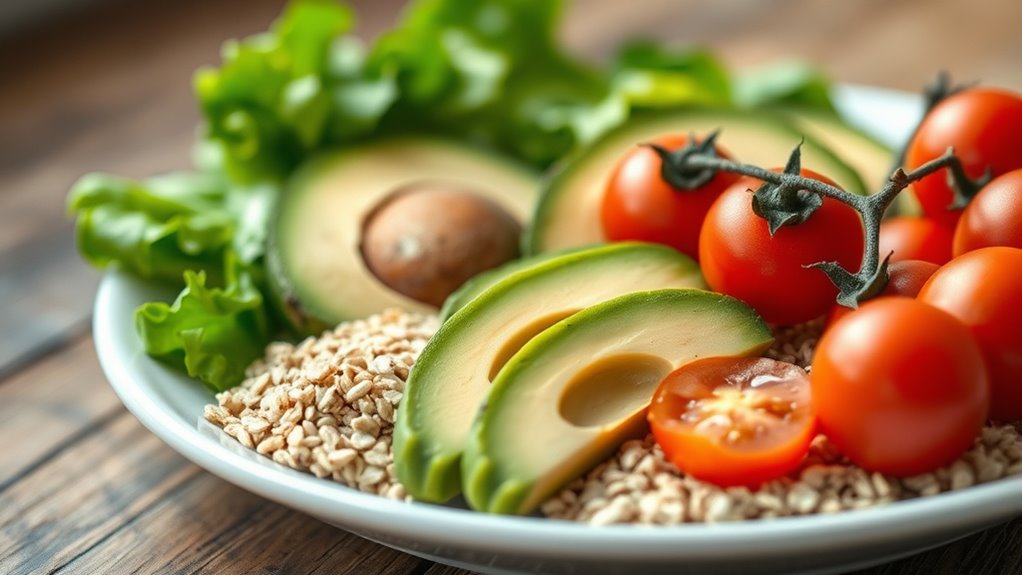
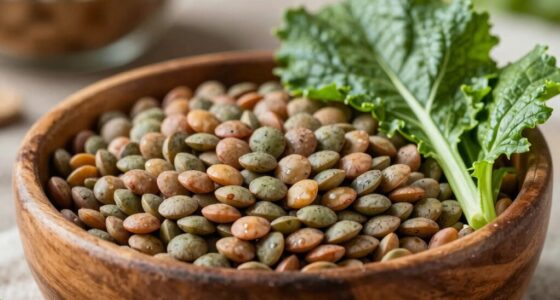
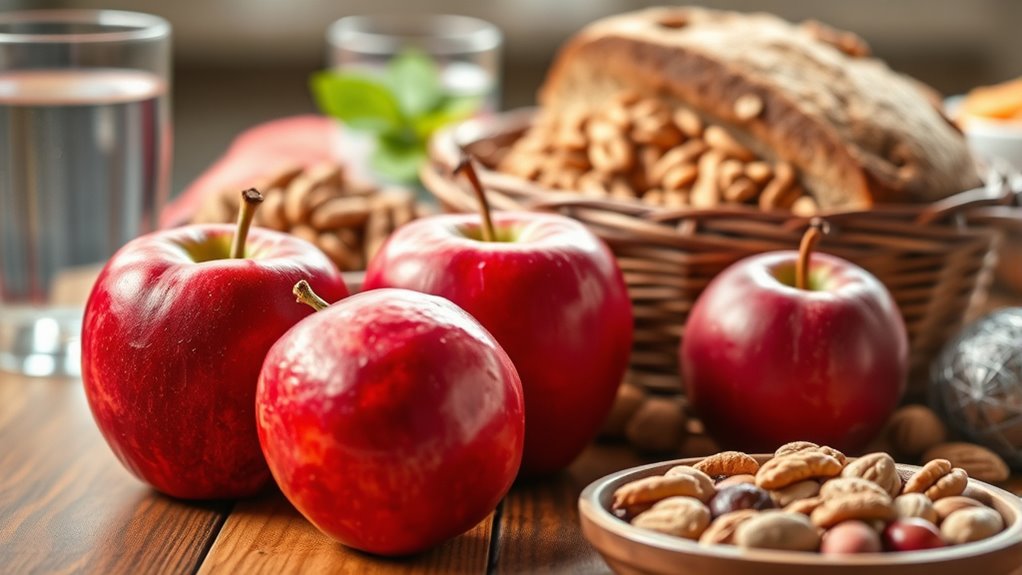
Including low-GI foods in your diet can help regulate blood sugar levels and support overall health. Focus on incorporating fiber-rich snacks like nuts, seeds, and whole grains, which slow digestion and keep you full longer. Leafy greens such as spinach, kale, and Swiss chard are excellent low-GI choices that add essential nutrients without spiking your blood sugar. Avocado is another great option, providing healthy fats and fiber. Legumes like lentils and chickpeas also have a low glycemic index and boost your fiber intake. Berries, especially strawberries and blueberries, are sweet yet low-GI fruits that satisfy your cravings without causing sugar spikes. Incorporating proper water sources and ensuring adequate hydration can further aid in maintaining stable blood sugar levels. Consuming these foods regularly can also help improve your digestive health by supporting healthy gut bacteria. Additionally, pairing low-GI foods with healthy fats and proteins can help further stabilize blood sugar responses. Combining these foods in your meals helps maintain balanced blood sugar levels and promotes sustained energy throughout the day.
How to Use the Glycemic Index to Manage Blood Sugar
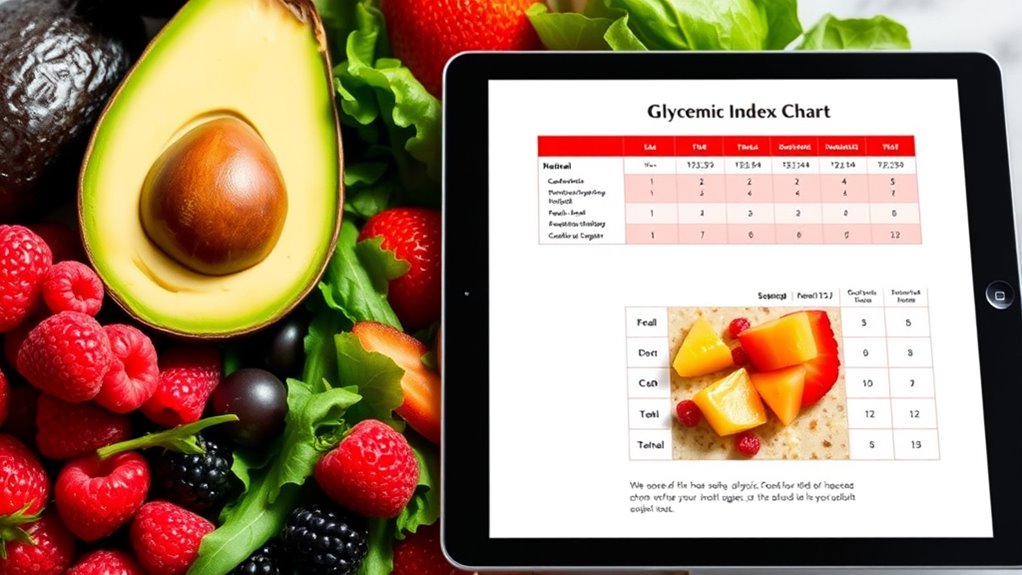
To manage your blood sugar effectively, focus on choosing low-GI foods that cause smaller spikes. You should also learn how to combine foods strategically to keep your levels steady throughout the day. Applying these practices helps you maintain balanced blood sugar and supports overall health.
Choosing Low-GI Foods
Choosing low-GI foods is a practical way to help keep your blood sugar stable throughout the day. To do this effectively, focus on selecting foods with a low glycemic index and incorporating them into your meal planning. Here are some tips:
- Opt for whole grains like oats and barley instead of refined grains.
- Include plenty of non-starchy vegetables such as spinach and broccoli.
- Choose fruits like berries and apples over high-GI options like watermelon.
- Use healthy snacks like nuts or seeds to curb hunger without spiking blood sugar.
- Be mindful of ingredients in processed foods, such as additives, which may affect the glycemic response.
Combining Foods Strategically
By combining foods thoughtfully, you can effectively control how your blood sugar responds to meals. Pairing high-GI foods with fiber-rich options slows digestion and enhances fiber benefits, helping maintain steady blood sugar levels. Consider meal timing—eating balanced meals at regular intervals prevents spikes. To visualize:
| Food Type | Example | Effect |
|---|---|---|
| High-GI carbs | White bread | Rapid blood sugar rise |
| Fiber-rich foods | Lentils, vegetables | Slows absorption |
| Protein/Fats | Chicken, nuts | Stabilizes blood sugar |
Mixing these components keeps your glycemic response in check, promotes satiety, and sustains energy. Incorporating digital revolutions into your awareness can also optimize how you monitor and respond to your blood sugar levels, especially when understanding glycemic response mechanisms. Understanding the net worth of individuals can provide insight into how lifestyle choices impact health and financial stability, reinforcing the importance of strategic dietary decisions.
Debunking Common Myths About the Glycemic Index
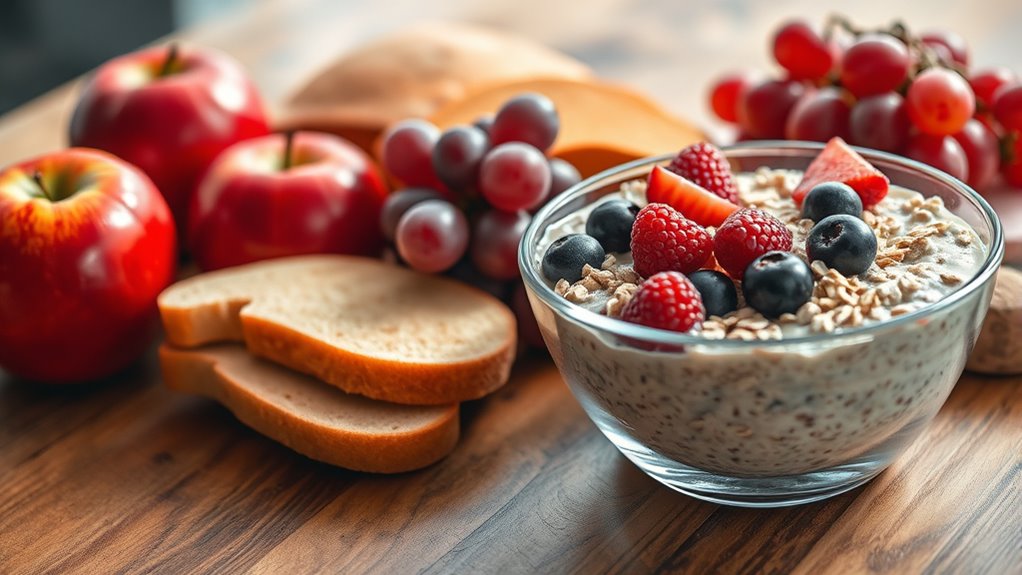
Many common beliefs about the glycemic index are actually misleading or oversimplified. One myth is that low-GI foods are always healthier, but fiber benefits can vary depending on food type. Another misconception is that combining high- and low-GI foods automatically balances blood sugar, which isn’t always true. People also assume that glycemic index is the only factor in choosing healthy carbs, ignoring fiber benefits and overall nutrition. Additionally, the glycemic index of foods can be influenced by factors such as ripeness, cooking methods, and food combinations, which many overlook. For example, food preparation can significantly alter a food’s GI, affecting its impact on blood sugar levels. Finally, some think the GI value doesn’t change with cooking methods or ripeness, but it often does. To clear up confusion, focus on myth busting and understand that GI is just one part of a balanced diet. Always consider fiber benefits and overall food quality for the best health decisions.
Frequently Asked Questions
How Does the Glycemic Index Differ From Glycemic Load?
The glycemic index measures how quickly a carbohydrate-containing food raises your blood sugar, focusing on carbohydrate quality. Glycemic load, however, considers both the quality and the amount of carbs in a typical serving, giving you a fuller picture of glycemic variability. You should pay attention to glycemic load to better manage blood sugar levels, especially if you’re concerned about how different foods impact your overall health.
Can Cooking Methods Alter a Food’s Glycemic Index?
Oh, sure, cooking methods can totally turn your healthy meal into a sugar rollercoaster. When you cook foods differently, like boiling versus frying, you change their food texture, which can raise or lower the glycemic index. For example, overcooked pasta becomes softer, making it digest faster and increasing its glycemic index. So, next time, choose your cooking techniques wisely if you want to keep your blood sugar in check.
Is the Glycemic Index Relevant for All Age Groups?
The glycemic index is relevant for all age groups, but you should consider age-specific considerations and developmental nutritional needs. For children, it helps manage energy levels and support growth, while for seniors, it aids in controlling blood sugar and preventing health issues. You need to tailor your dietary choices based on age, ensuring that the glycemic index supports overall health and meets the unique nutritional requirements at every stage of life.
Do Processed Foods Always Have Higher Glycemic Index Values?
Processed foods don’t always have higher glycemic index values, but many do because processing often increases glycemic variability. When food is heavily processed, it breaks down quickly, causing blood sugar to spike faster. However, some processed items, like nuts or fats, have low GI. You should check labels and consider how processing affects glycemic variability, as it can vary widely depending on ingredients and preparation methods.
How Does Fiber Intake Influence Glycemic Index Readings?
You might worry fiber slows digestion, but it actually helps lower glycemic index readings. Fiber effects slow digestion speed, preventing quick spikes in blood sugar levels. By including more fiber-rich foods, you can enjoy better blood sugar control and avoid energy crashes. So, yes, fiber intake markedly influences glycemic index readings, making your meals more balanced and healthier. Don’t underestimate fiber’s power—it’s your secret weapon for stable blood sugar.
Conclusion
Understanding the glycemic index is like having a GPS for your food choices, guiding you toward healthier options. By knowing which foods raise your blood sugar more slowly, you can make smarter decisions and keep your energy steady. Remember, it’s not about avoiding all high-GI foods but about balancing them, like a symphony. Use this knowledge to take control of your diet and feel confident in every bite you choose.