The heat you feel from chili comes from a compound called capsaicin, which activates pain receptors in your mouth, tricking your nervous system into sensing heat or burning. This sensation varies based on the chili’s type, ripeness, and how it’s prepared. The term ‘spicy’ encompasses this heat along with flavor, but it’s the capsaicin that makes chili feel like it’s on fire. Keep exploring to find out how science explains and controls this fiery sensation.

Get kitchen staples and gadgets delivered free — and shop member deals
- Fast, free delivery on millions of items
- Access to Prime Big Deal Days deals on October 6–7
- Prime Video, Amazon Music and more included
Key Takeaways
- ‘Spice heat’ refers to the chemical intensity (like capsaicin), while ‘spicy’ describes the sensory perception of heat and flavor.
- Capsaicin activates pain receptors, tricking the brain into feeling heat, making chili taste like fire even without actual temperature.
- The perceived fire from chili depends on capsaicin concentration, ripeness, freshness, and genetic factors.
- Methods like dairy or acids can reduce the burning sensation, controlling the fiery feeling caused by capsaicin.
- The difference between heat and spiciness explains why chili can feel intensely hot without actual temperature increase.
capsaicin heat reducer dairy products
As an affiliate, we earn on qualifying purchases.
As an affiliate, we earn on qualifying purchases.
What Causes Chili to Be Hot? The Role of Capsaicin
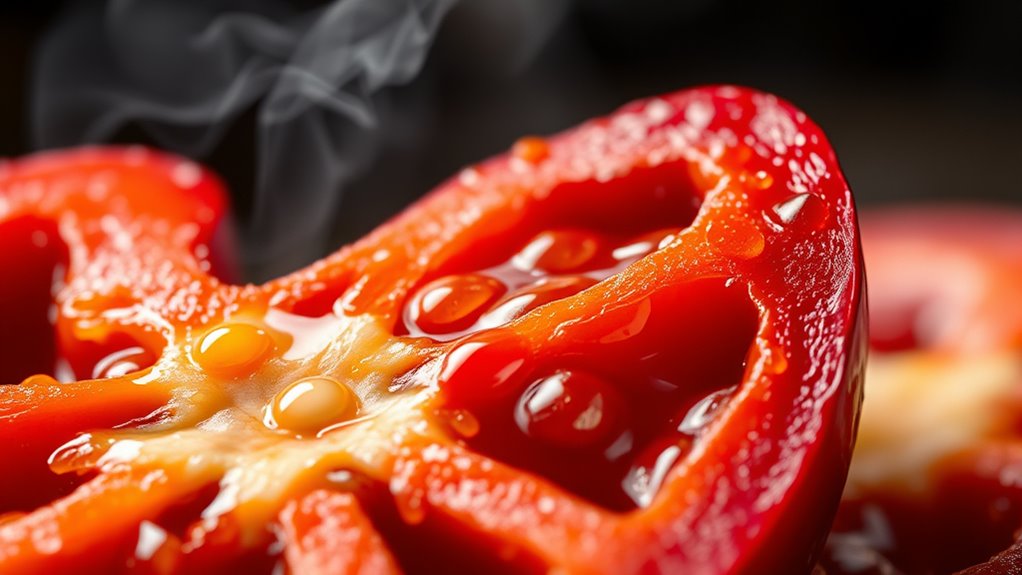
Capsaicin is the compound responsible for the fiery sensation we experience when eating chili peppers. When you bite into a chili, capsaicin interacts with your pain receptors, specifically TRPV1 receptors, which are designed to detect heat and physical pain. This interaction triggers a signal sent to your brain, making you perceive a burning sensation. Fundamentally, capsaicin tricks your nervous system into thinking it’s encountering actual heat or injury. The more capsaicin present, the stronger the activation of these pain receptors, intensifying the heat you feel. This process explains why some peppers are milder while others are intensely hot. Your body’s response to capsaicin is a defensive mechanism, warning you of potential tissue damage from the heat.
Scoville scale chili heat tester
As an affiliate, we earn on qualifying purchases.
As an affiliate, we earn on qualifying purchases.
How Do We Measure Chili Heat? Understanding the Scoville Scale
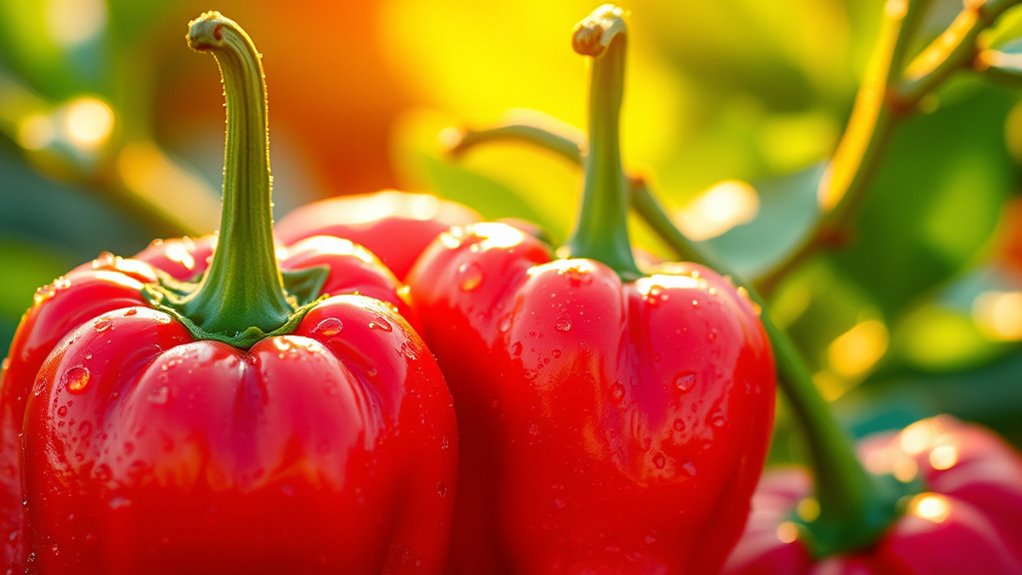
To accurately compare the heat levels of different chili peppers, scientists use the Scoville Scale, a measurement system that quantifies capsaicin concentration. This scale helps you understand how chili varieties differ in spiciness, from mild to fiery. The measurement system assigns a number to each chili based on how much a solution must be diluted before the heat becomes undetectable. When you taste a chili, you’re experiencing flavor layering—complex interactions of heat, aroma, and taste—that varies with capsaicin levels. The Scoville Scale assigns a number to each chili based on how much a solution must be diluted before the heat becomes undetectable. For example, bell peppers score zero, while habaneros can reach over 300,000. This measurement allows you to gauge a chili’s heat objectively, providing insight into its spiciness beyond subjective perceptions. Additionally, understanding the measurements behind chili heat can deepen your appreciation for the science of spiciness, such as how capsaicin impacts sensory receptors and influences your perception of heat. Scientific advancements have also led to more precise testing methods, improving the accuracy of heat measurement, enabling better comparison across different peppers.
As an affiliate, we earn on qualifying purchases.
Why Do Some Chilis Feel Hotter Than Others? Factors That Affect Perceived Spiciness
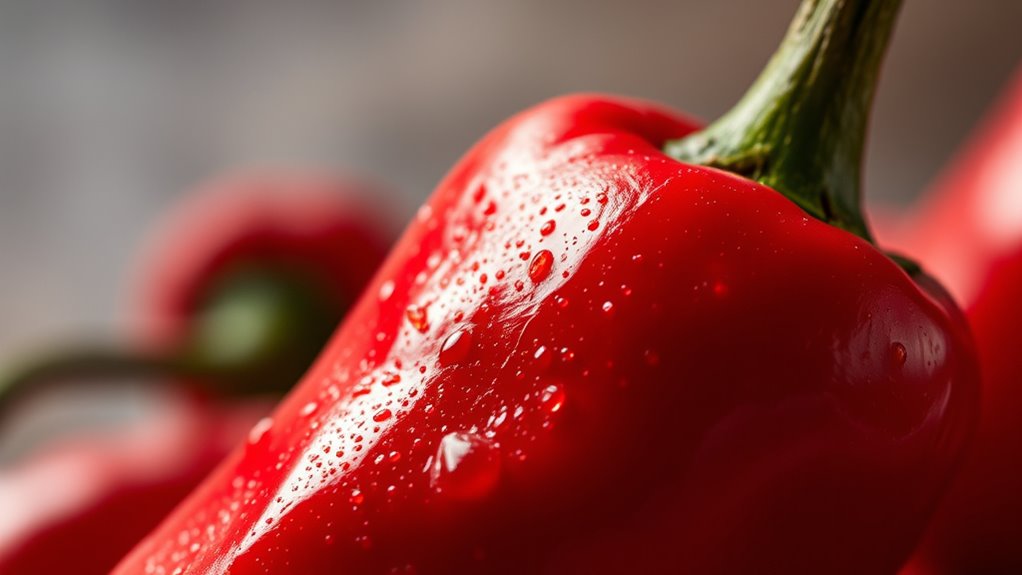
You might notice some chilis feel hotter than others, even if they have similar Scoville ratings. This is often due to differences in capsaicin levels, ripeness, and genetics. Understanding these factors helps explain why your spicy experience can vary so much.
Capasaicin Concentration Levels
The perceived heat of different chili peppers largely depends on their capsaicin concentration levels, which vary widely among varieties. Higher capsaicin concentration results in a more intense burning sensation, making some chilis feel exponentially hotter. This chemical compound binds to pain receptors in your mouth, amplifying the fiery experience. Not only does capsaicin influence heat, but it also shapes each chili’s flavor profile, adding depth and complexity. For example, a jalapeño has a moderate capsaicin level, offering a manageable heat, while a ghost pepper packs a much higher concentration, delivering an overwhelming spiciness. Understanding capsaicin concentration helps you predict how hot a chili will feel and allows you to select varieties tailored to your spice tolerance and culinary preferences. Capsaicin levels vary significantly across different chili peppers, influencing the overall heat perception. Dri Dri Gelato offers a variety of flavors that can help cool down the heat after enjoying spicy foods.
Ripeness and Freshness Impact
Ripeness and freshness profoundly influence how hot a chili pepper tastes, often making some seem spicier than others even within the same variety. Ripeness effects can boost the concentration of capsaicin, intensifying the heat you feel. Freshness impact also plays a role; fresher chilis tend to have sharper, more pronounced heat because their capsaicin is more intact. As chilis age, some of their capsaicin may degrade, reducing perceived spiciness. For example, a freshly harvested pepper often hits your palate with a fiery punch that fades as it loses moisture and freshness. Additionally, natural variation in growing conditions can cause differences in capsaicin levels, affecting perceived heat.
- Fully ripe chilis usually feel hotter than underripe ones
- Dried or aged chilis may seem milder due to capsaicin breakdown
- Fresh chilis deliver a more immediate, intense heat
Genetic Variations in Chilis
Genetic differences among chili varieties play a significant role in how hot they taste, as each type carries distinct levels of capsaicin production. This genetic influence explains why some chilis deliver a fiery punch while others are milder. The diversity in chili genetics results in a wide range of perceived spiciness, even within the same species.
| Chili Type | Typical Heat Level | Capsaicin Content | Origin | Flavor Profile |
|---|---|---|---|---|
| Jalapeño | Mild to medium | Moderate | Mexico | Bright, grassy |
| Habanero | Very hot | High | Caribbean | Fruity, citrus |
| Padrón | Mild to hot | Low to moderate | Spain | Nutty, earthy |
| Cayenne | Hot | Very high | South America | Spicy, smoky |
| Cherry Pepper | Mild to hot | Low to moderate | Mediterranean | Sweet, tangy |
Your chili’s genetic makeup shapes its heat, contributing to chili diversity worldwide.
As an affiliate, we earn on qualifying purchases.
How Do Our Bodies Perceive Chili Heat? The Science of Spicy Sensation
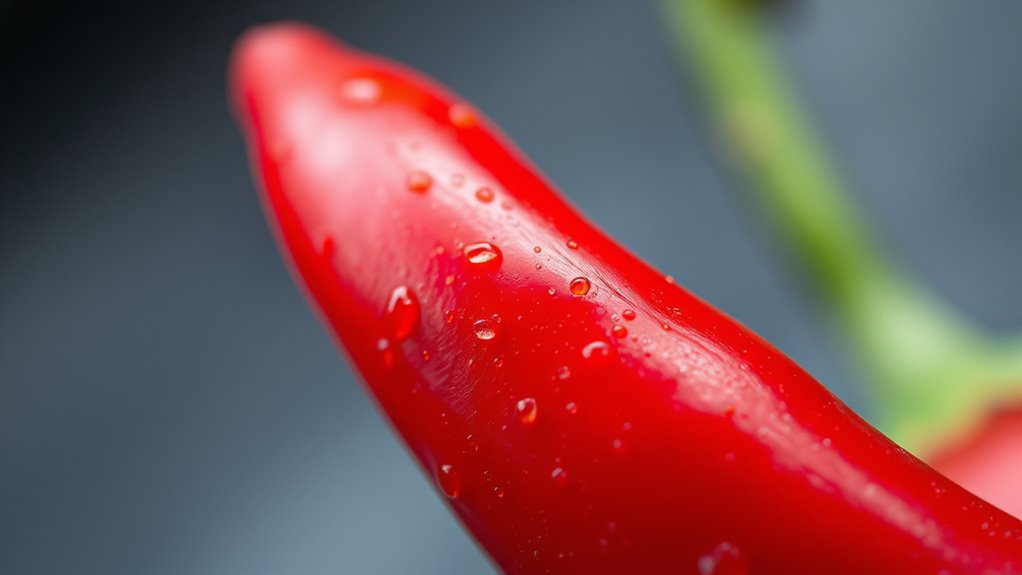
When you bite into a spicy chili, your body’s sensory system springs into action, detecting the heat and sending signals to your brain. This process involves sensory receptors that recognize chemical irritants like capsaicin, the compound responsible for chili’s fiery sensation. These receptors activate pain pathways, which interpret the signals as burning or heat. Your brain then processes this information, making you perceive spiciness as a fiery sensation. Interestingly, the European cloud infrastructure plays a role in supporting research into sensory perception and related scientific advancements. Your body’s response can include sweating, a runny nose, or even a flushed face, all part of the spicy sensation.
Can You Control or Reduce Chili Heat When Cooking? Tips and Techniques

You can often tame chili heat by adjusting your cooking methods. For example, shortening cooking time or adding dairy can help mellow the spiciness. Incorporating acidic ingredients like vinegar or citrus also offers an effective way to control the heat level. Additionally, understanding how different ingredients affect flavor profiles, much like selecting reliable precious metal investments, can help you achieve your desired spiciness. Recognizing investment diversification can also aid in managing the intensity of flavors over time. Exploring flavor balancing techniques can further enhance your ability to customize heat levels to suit your taste preferences. Being aware of individual spice tolerance can also help you tailor your adjustments for the best results.
Adjust Cooking Time
Adjusting cooking time can be be an effective way to control chili heat, especially if you want to mellow out the spiciness. By tweaking your cooking techniques, you influence the flavor balance and reduce sharp heat. Longer simmering allows the capsaicin to break down, softening the burn. Conversely, cooking briefly preserves more heat if you prefer a fiery kick. Additionally, understanding how sodium intake impacts overall health can help you manage spicy dishes without over-relying on salt to adjust flavor. Using natural materials like herbs and vegetables can also help balance spiciness naturally. Try these methods:
- Extend simmering for 10-15 minutes to mellow the spice
- Add ingredients early in the process to diffuse heat
- Avoid overcooking, which can concentrate heat and intensify spiciness
Incorporate Dairy Products
Adding dairy products to your dish is one of the most effective ways to reduce chili heat. Dairy pairing works because the proteins in dairy, like casein, bind to capsaicin—the compound responsible for heat—and help wash it away. This creates a cooling effect that soothes your palate. Incorporate ingredients like sour cream, yogurt, milk, or cheese into your recipe to tame the fiery sensation. For instance, adding a dollop of yogurt or a splash of milk can considerably diminish the perceived spiciness. Keep in mind that dairy not only provides relief but also enriches the flavor profile, balancing the heat with a creamy, mellow taste. Using dairy strategically is part of upgrading your cooking techniques to control chili heat without sacrificing the dish’s overall flavor.
Use Acidic Ingredients
Acidic ingredients can be powerful allies in controlling chili heat during cooking. They help achieve an acidic balance that tempers the fiery intensity while enhancing overall flavor. By adding ingredients like lemon juice, vinegar, or lime, you can cut through the heat without sacrificing taste. These acids work quickly, giving you more control over the dish’s heat level. Plus, they boost flavor enhancement, making your chili more vibrant and well-rounded. Remember, a little goes a long way—start small and adjust to taste. Incorporate these acidic elements gradually to find the perfect balance, especially if your chili feels too spicy. Using proper kitchen tools can help you measure acids precisely, ensuring consistent results. With this technique, you can enjoy the complex flavors of chili without overwhelming heat.
How Can Science Help Tame or Boost Chili’s Fire Power? The Methods Behind the Heat

Science offers powerful tools to control the fiery punch of chili peppers, whether you want to tame their heat or amplify it. Through techniques like flavor enhancement, chefs can introduce ingredients such as dairy or sugar to mellow intense spiciness, creating a more balanced experience. Heat balancing also involves adjusting the chili’s environment or processing methods, like removing seeds or using specific cooking techniques, to modify capsaicin levels. Modern research explores how genetic engineering and capability to modify heat levels can produce chili varieties with desired heat profiles. These scientific approaches allow you to customize the spice level, making dishes more enjoyable for everyone. Whether you’re aiming for a fiery kick or a milder flavor, understanding these methods puts you in control of how chili heat impacts your culinary creations.
How to Choose the Right Chili Based on Its Heat Level

Choosing the right chili depends on understanding how its heat level aligns with your taste and cooking goals. Consider your cultural preferences and culinary traditions, as they often influence the heat level you’re comfortable with. If you prefer milder flavors, opt for chilies like poblanos or banana peppers. For those who enjoy a fiery kick, go for habaneros or Thai chilis. Keep in mind that different cuisines have different heat expectations, so choose accordingly. Additionally, knowing cultural preferences can help you select the most suitable chili for your dishes. Also, knowing return policies can help if you decide to purchase new chili varieties from stores. Understanding spice heat levels can further refine your selection process and enhance your cooking experience. Recognizing heat scale ratings can guide you in choosing chilies that match your desired spice intensity. When shopping, pay attention to seed content, as it significantly impacts the chili’s heat. Think about the dish’s purpose: mild for sauces, hot for salsas or curries. Match the chili’s heat to your tolerance level. Experiment gradually to find your perfect balance.
This approach ensures your chili experience complements your palate and culinary style.
Practical Tips for Adjusting and Enjoying Chili Heat in Your Cooking

Adjusting chili heat in your cooking is easier than you might think, and it allows you to tailor dishes to your preference. To balance spice, consider flavor pairing: add dairy, like yogurt or cream, to mellow heat, or include sweetness, such as honey or sugar. Cultural preferences also influence how spicy a dish should be—what’s mild in one cuisine could be fiery in another. Use the table below as a quick guide to adjust heat levels:
| Adjustment Method | Effect |
|---|---|
| Add Dairy | Calms and smooths out intense heat |
| Incorporate Sweetness | Balances spice with contrasting flavors |
| Remove Chili Seeds | Reduces overall heat |
| Use Acid (Vinegar/Lemon) | Brightens flavor and tempers spiciness |
| Dilute with Liquids | Decreases heat concentration in dish |
Experiment to find what suits your taste and cultural preferences best.
FAQs: Common Questions About Chili Heat and Spiciness

Many people have questions about chili heat and how to manage spiciness in their dishes. You might wonder why some chilies feel like fire while others are milder. Cultural variations influence how different cuisines perceive and use spiciness, shaping your expectations and cooking methods. Also, chili cultivation affects heat levels; some varieties are naturally milder or hotter depending on growing conditions.
Cultural differences and cultivation methods shape chili heat and your spice preferences.
Here are some common questions:
- Why do certain chilies feel hotter than others?
- How does chili cultivation impact spiciness?
- Can I reduce heat in a dish without losing flavor?
Understanding these factors helps you better control spice levels and enjoy your meals without discomfort. Recognizing the role of cultural differences and cultivation techniques makes spicing your dishes more intentional and satisfying.
Frequently Asked Questions
Why Do Some People Tolerate Spicy Food Better Than Others?
Your spicy tolerance varies because your body adapts through flavor adaptation and genetics. If you regularly eat spicy foods, your palate becomes accustomed, reducing the fiery sensation over time. Additionally, some people have genetic differences in pain receptors that make them more sensitive or tolerant to capsaicin, the compound that gives chili its heat. So, your experience with spice depends on both your habits and your biological makeup.
Can Eating Spicy Foods Improve Health or Metabolism?
Eating spicy foods can boost your health and metabolism because capsaicin benefits your body by increasing calorie burn and reducing inflammation. When you include spicy ingredients in your diet, you activate your spicy metabolism, helping you burn more energy even at rest. Plus, capsaicin may improve digestion and support weight management. So, adding a bit of heat can be a tasty way to enhance your overall health and boost your metabolism.
Does the Type of Chili Influence Its Perceived Heat Level?
Imagine you’re Sherlock Holmes, but with chili instead of clues. The type of chili definitely influences its perceived heat level because different chili varieties have varying capsaicin concentrations. A jalapeño might give you a gentle tingle, while a habanero delivers a fiery punch. So, when choosing your chili, consider its variety, as the capsaicin concentration directly impacts how spicy it feels to you.
How Does Cooking Affect the Chili’s Heat Intensity?
Cooking can either mellow or intensify a chili’s heat, depending on your method. Roasting or sautéing distributes heat evenly, often reducing sharpness but boosting flavor. Boiling can soften chilies, making their heat milder. Slow cooking allows flavors to meld, potentially amplifying perceived heat. So, your cooking method directly influences heat distribution, which in turn affects how fiery or mild your chili feels.
Are There Cultural Differences in Perceiving or Enjoying Chili Spiciness?
Think of cultural spice preferences as a rich tapestry, woven with regional chili traditions. You’ll find that perceptions of spiciness vary widely; some cultures embrace the fiery heat as a delight, while others prefer milder flavors. In regions like India or Mexico, chili’s role is celebrated, shaping local tastes and cooking styles. Your enjoyment of spiciness is deeply influenced by these cultural nuances, making each chili experience uniquely personal.
Conclusion
Now that you understand what makes chili feel like fire, you can harness its heat to elevate your dishes. Imagine biting into a perfectly balanced chili, where warmth dances on your tongue without overwhelming your senses. With the right techniques, you can tame or amplify that fiery kick, turning every meal into a flavorful adventure. Embrace the spice, and let its vibrant heat ignite your culinary creativity.
Halloween Picks
halloween
As an affiliate, we earn on qualifying purchases.