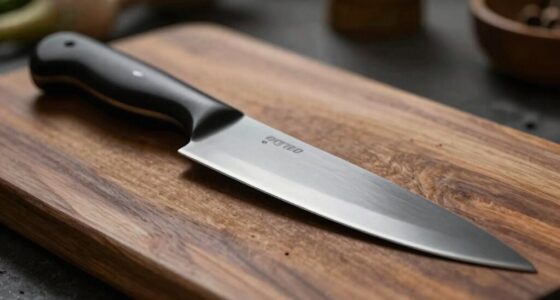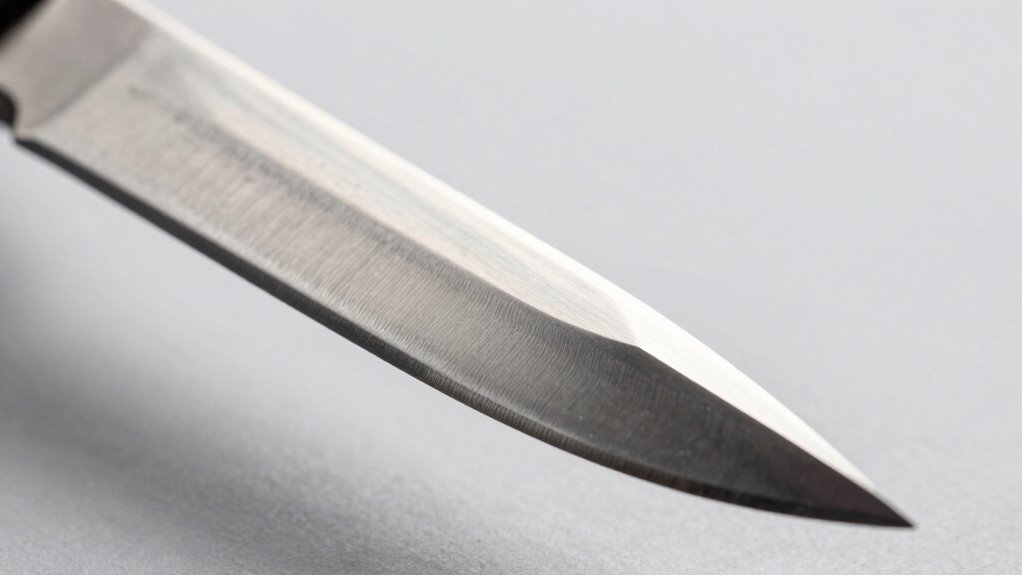

The steel hardness level that affects how the edge feels is primarily its Rockwell hardness, which determines the smoothness and sharpness you experience during cutting. Harder steels offer a finer grain structure, resulting in a smoother, more refined edge that resists dulling longer. However, increased hardness can also make the steel more brittle. Understanding how hardness influences edge feel helps you select the right steel for better performance. Keep exploring to discover more about this connection.

Get kitchen staples and gadgets delivered free with Prime
- Fast, free delivery on millions of items
- Prime Video, Amazon Music and more included
- Member-only deals all year
Key Takeaways
- Higher steel hardness creates a smoother, more refined edge feel during cutting.
- Increased hardness results in a finer grain structure, enhancing edge sharpness and response.
- Harder steels tend to produce a more precise, less abrasive edge compared to softer steels.
- Excessive hardness can lead to brittleness, affecting the edge’s feel under impact.
- Optimal hardness balances smoothness, durability, and responsiveness for the desired edge feel.
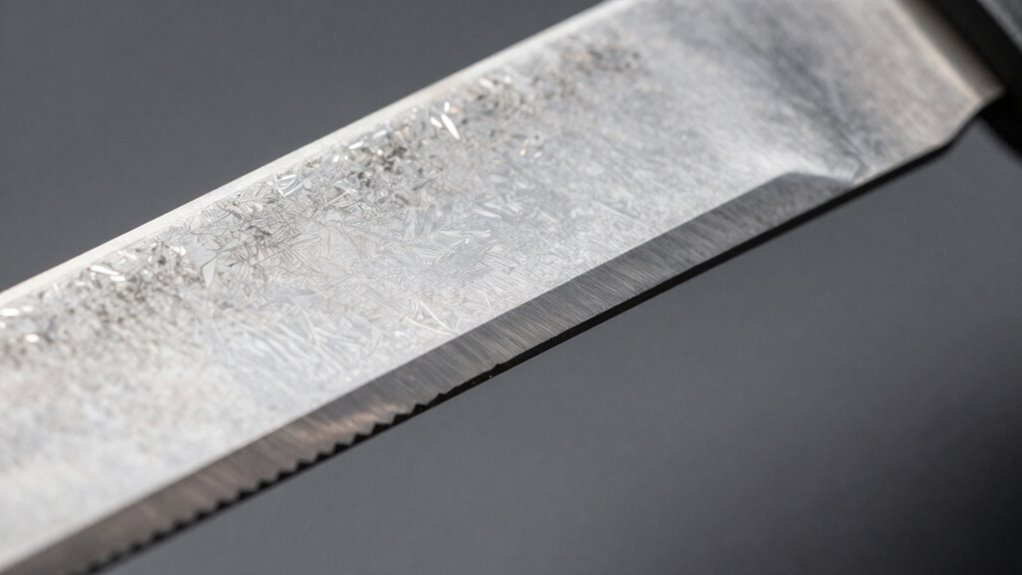
Steel hardness directly influences how an edge feels during use, affecting both cutting performance and durability. When you’re working with steel, the hardness level determines how the edge interacts with materials and how long it maintains its sharpness. Harder steels tend to have a finer grain structure, which is crucial because it directly impacts how the steel responds to stress and wear. A refined grain structure usually results in better wear resistance, meaning the edge stays sharp longer and resists dulling from regular use. Conversely, steels with a coarser grain structure may soften more quickly and wear down faster, leading to a rougher feel and less precise cuts.
Harder steels with finer grain structures offer better wear resistance and a smoother, more precise cutting edge.
As you handle different steels, you’ll notice that those with higher hardness levels often have a smoother, more refined edge because their fine grain structure reduces microscopic imperfections. This smoothness translates into a cleaner, more effortless cutting experience, especially when slicing through tough or fibrous materials. However, it’s important to remember that increased hardness can sometimes make the steel more brittle, risking chipping or cracking if not properly tempered. That’s where the balance in grain structure and hardness plays a role—too hard, and the edge might be prone to damage; too soft, and it won’t resist wear as effectively.
The wear resistance of steel is closely tied to its hardness and grain structure. When steel has a well-developed, fine grain structure, it’s better equipped to withstand the repeated impact and friction that come with cutting tasks. This resistance ensures the edge remains stable over time, giving you a consistent feel during use. A steel with poor wear resistance will dull quickly, and you’ll notice a decrease in performance, requiring more frequent sharpening. This not only affects the edge feel but also the confidence you have in your tool or knife. Additionally, understanding the role of grain structure helps in selecting steels that balance hardness and toughness for specific applications, which is essential for optimizing performance and longevity. Recognizing how microstructure influences these properties allows for more informed choices in steel selection.
In practical terms, the right balance of hardness, grain structure, and wear resistance means you get an edge that feels sharp, responsive, and reliable. It reduces the effort needed to cut and increases the longevity of the blade. Understanding how the grain structure influences wear resistance helps you select a material that will deliver the edge feel you need, whether for delicate slicing or heavy-duty work. Ultimately, steel hardness isn’t just about how hard the material is; it’s about how that hardness translates into a smooth, durable, and effective edge during every use.
high hardness Japanese chef knife
As an affiliate, we earn on qualifying purchases.
As an affiliate, we earn on qualifying purchases.
Frequently Asked Questions
How Does Steel Hardness Affect Sharpening Frequency?
Steel hardness directly impacts how often you need to sharpen your knife. Harder steel generally offers better edge retention, meaning you can go longer between sharpening sessions. However, it may require more precise sharpening techniques to avoid damaging the edge. Softer steel dulls faster, so you’ll need to sharpen more frequently. Adjust your sharpening method accordingly, focusing on maintaining a clean, sharp edge to optimize performance and prolong the life of your blade.
Can Softer Steels Outperform Harder Steels in Certain Tasks?
Yes, softer steels can outperform harder steels in certain tasks. Steel composition influences edge durability and flexibility, making softer steels ideal for tasks requiring more resilience and less risk of chipping. You might find softer steels easier to sharpen and maintain, especially for rougher work or delicate tasks. While harder steels hold an edge longer, softer steels offer better toughness, making them better suited for specific applications where edge durability isn’t the only priority.
What Are the Best Steel Hardness Levels for Specific Knife Types?
Imagine slicing through tough vegetables with a high-hardness steel blade—it stays sharp longer, offering excellent edge stability, but may be less flexible. For paring knives, 55-60 HRC provides ideal balance, enhancing blade flexibility and control. Conversely, chef’s knives benefit from 58-62 HRC, ensuring durability while maintaining enough flexibility for varied cuts. Choosing the right hardness level directly impacts performance, making your tasks easier and safer.
How Does Heat Treatment Influence Steel Hardness and Edge Feel?
Heat treatment directly impacts steel hardness and edge feel by altering the microstructure. Techniques like quenching and tempering refine the steel’s crystalline structure, increasing hardness and durability. This process removes internal stresses and enhances edge retention, resulting in a sharper, more responsive edge. As you choose heat treatment techniques wisely, you’ll notice improved edge feel and cutting performance, making your knife more effective and satisfying to use.
Are There Trade-Offs Between Steel Hardness and Corrosion Resistance?
You might be surprised, but increasing steel hardness often reduces corrosion resistance. Steel composition plays a crucial role; adding elements like chromium boosts corrosion resistance but can lower hardness. So, there’s a trade-off: harder steels typically resist wear better, but may corrode faster. Balancing these factors depends on your application, as optimizing for one can compromise the other. Understanding these trade-offs helps you select the right steel for your needs.
stainless steel sharpening stone for knives
As an affiliate, we earn on qualifying purchases.
As an affiliate, we earn on qualifying purchases.
Conclusion
As you hold the blade, feel the subtle whisper of steel’s hardness beneath your fingertips, like a gentle hum in a quiet room. The edge’s crispness and resilience dance together, shaping every cut with a rhythmic precision. When the steel’s hardness shifts, it’s as if the blade’s voice changes, echoing through your hand with a sharper, more confident tone. Embrace these subtle nuances, and let the steel’s quiet strength guide your mastery.
professional kitchen knife with fine grain structure
As an affiliate, we earn on qualifying purchases.
As an affiliate, we earn on qualifying purchases.
As an affiliate, we earn on qualifying purchases.
Columbus Day / Indigenous Peoples' Day Picks
long weekend sales
As an affiliate, we earn on qualifying purchases.