
You need to oil wood boards to bring out their natural grain, add rich textures, and create a protective layer against scratches and moisture. Allowing proper dry time is essential because it guarantees the oil fully absorbs, avoids sticky surfaces, and prevents an uneven or worn finish. Rushing this process can cause peeling or discoloration, compromising durability. Keep exploring to discover how to achieve the best results and make your wood last longer.
Key Takeaways
- Oil enhances wood’s natural grain, patterns, and textures, highlighting its beauty.
- Adequate dry time ensures oil fully absorbs, preventing sticky, uneven surfaces.
- Proper drying creates a durable, protective layer against scratches, stains, and moisture.
- Rushing dry time can cause peeling, discoloration, and weaken the finish’s integrity.
- Factors like wood type and environment influence drying time, crucial for a long-lasting finish.

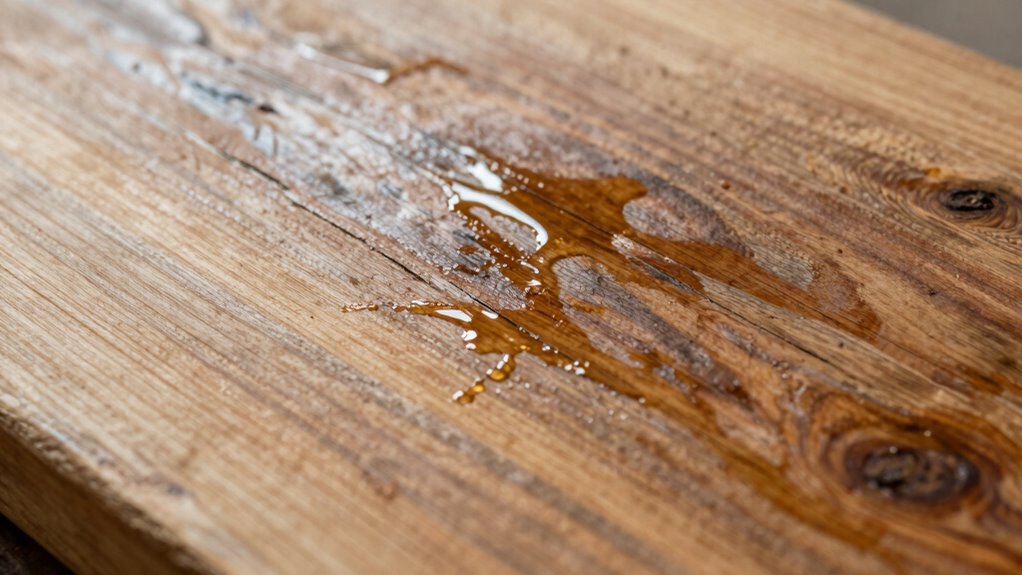
When working with wood boards, understanding why oil and dry time matter can make all the difference in achieving a smooth, durable finish. Applying oil enhances the natural beauty of the wood grain, bringing out the rich patterns and textures that make each piece unique. But it’s not just about appearance; giving the oil enough time to dry is essential for guaranteeing the finish’s durability. If you rush the process, you risk trapping excess oil on the surface, which can lead to a sticky, uneven look, or worse, a finish that doesn’t stand up to daily wear and tear.
Oil penetrates the wood’s surface, nourishing the fibers and providing a protective layer. When you allow sufficient dry time, the oil fully absorbs into the wood, creating a strong bond that helps resist scratches, stains, and moisture. This process is especially important if you want your project to last for years to come. Rushing dry time leaves residual oil on the surface, which can compromise the finish’s integrity and cause peeling or discoloration over time. Patience during this step guarantees the oil has set properly, so the natural wood grain remains vibrant and the protective layer is solid. Additionally, understanding the drying process can help you better manage expectations and achieve a professional-quality result.
The amount of dry time needed varies depending on factors like the type of oil used, the wood species, and environmental conditions such as humidity and temperature. Typically, you’ll want to wait at least a few hours, but sometimes up to 24 hours, before applying additional coats or handling the piece. This interval allows the oil to cure and the finish to develop a smooth, uniform appearance. Skipping or shortening this dry time might seem like a time-saver, but it can lead to a compromised finish that scratches easily or shows signs of deterioration sooner.

Kate Naturals Mineral Oil for Wood Cutting Board, Butcher Block, and Knife. Food Grade Mineral Oil for Wooden Cutting Board & Utensils (8oz, Food Safe)
FOOD-GRADE MINERAL OIL FOR CUTTING BOARDS: Helps restore and protect dry cutting boards, butcher blocks, and wooden kitchen…
As an affiliate, we earn on qualifying purchases.
As an affiliate, we earn on qualifying purchases.
Frequently Asked Questions
How Long Should I Wait Before Using Oiled Wood Boards?
You should wait at least 24 to 48 hours before using oiled wood boards. This allows the oil to penetrate deep into the wood grain, ensuring proper protection and finish. Rushing the process can leave excess oil on the surface, affecting appearance and safety. During this time, keep the boards in a dry, well-ventilated area to facilitate even drying and ideal oil absorption, making your wood boards durable and attractive.
Can I Speed up the Drying Process for Wood Boards?
You can’t truly speed up the drying process without risking warped or ruined wood, but you can encourage faster oil absorption by increasing airflow and reducing humidity around your boards. Keep the wood grain open with gentle sanding, and use a fan or dehumidifier to create a dry environment. Just remember, rushing dry time can forever change your wood’s beauty—patience guarantees the best finish.
What Types of Oil Are Best for Different Wood Surfaces?
You should choose oils based on the wood grain and how well the oil absorption suits the surface. For hardwoods with tight grain, tung or Danish oil works best, enhancing the grain and providing durability. For softer woods, linseed or mineral oil penetrates well without darkening the surface. Always test a small area first to see how the oil interacts with the wood’s absorption, ensuring a smooth, even finish.
How Does Humidity Affect the Oiling and Drying Process?
Humidity impact considerably influences the oiling and drying process of wood boards. When humidity levels are high, moisture effects can slow down absorption and extend drying times because the wood retains more water. Conversely, in low humidity, oil penetrates quickly, and drying occurs faster. You should monitor humidity to guarantee ideal results, as fluctuations can lead to uneven finishes or prolonged curing, affecting the wood’s appearance and durability.
Is It Safe to Use Household Oils on Wood Boards?
You can use household oils on wood boards, but be cautious. Imagine a thin, glossy film sealing in moisture—your goal is safe, food-grade oil that doesn’t compromise food safety. Many household oils aren’t designed for food contact; they might contain additives or chemicals unsafe for ingestion. Proper oil absorption guarantees your board stays conditioned without residue. Always opt for oils labeled food-safe, like mineral or coconut oil, for peace of mind.
Kate Naturals Mineral Oil for Wood Cutting Board, Butcher Block, and Knife. Food Grade Mineral Oil for Wooden Cutting Board & Utensils (8oz, Food Safe)
FOOD-GRADE MINERAL OIL FOR CUTTING BOARDS: Helps restore and protect dry cutting boards, butcher blocks, and wooden kitchen…
As an affiliate, we earn on qualifying purchases.
As an affiliate, we earn on qualifying purchases.
Conclusion
Think of oiling and drying as giving your wood boards a gentle hug—it’s what they need to shine and last. Skipping this step is like rushing a flower to bloom; it won’t reach its full beauty or strength. By taking the time to oil and patiently dry, you’re nurturing your wood, turning it into a trusted companion in your home. Remember, patience is the secret ingredient that transforms a simple board into a timeless treasure.

HBlife Dish Rack, Bamboo Folding 2-Tier Collapsible Drainer Dish Drying Rack with Utensils Flatware Holder Set (Dish Rack with Utensil Holder)
FOLDING BAMBOO DISH RACK: Fold the dish rack to easily store when your dishes are done drying.
As an affiliate, we earn on qualifying purchases.
As an affiliate, we earn on qualifying purchases.

Tried & True Original Wood Finish, 8 oz. – Linseed Oil & Beeswax Blend, Ideal for All Woodwork, Long-Lasting Durability, Food Safe Sealer, Non-Toxic Wood Finish
SUPERIOR BLEND OF LINSEED OIL & BEESWAX: Tried and True wood finish is a superior blend of linseed…
As an affiliate, we earn on qualifying purchases.
As an affiliate, we earn on qualifying purchases.