
When swapping ingredients like almond flour or cauliflower rice for traditional wheat flour, you’ll notice a bigger change in texture than flavor. Almond flour makes baked goods lighter and crumblier, while cauliflower rice creates a fibrous, lighter bite. These changes happen because of differences in gluten, starch, and moisture retention. If you want to master these texture shifts and discover more about how ingredient choices shape your dishes, keep exploring these clever substitutions.

Get kitchen staples and gadgets delivered free — and shop member deals
- Fast, free delivery on millions of items
- Access to Prime Big Deal Days deals on October 6–7
- Prime Video, Amazon Music and more included
Key Takeaways
- Swapping traditional flour with almond or coconut flour significantly alters dish texture without drastically changing flavor.
- Replacing wheat with cauliflower rice transforms the mouthfeel from starchy to fibrous or crumbly.
- Using tofu instead of eggs can create softer or custard-like textures, impacting mouthfeel more than taste.
- Ingredient substitutions like cauliflower rice or almond flour require technique adjustments to maintain desired textures.
- Texture changes from ingredient swaps often have a greater sensory impact than flavor modifications.
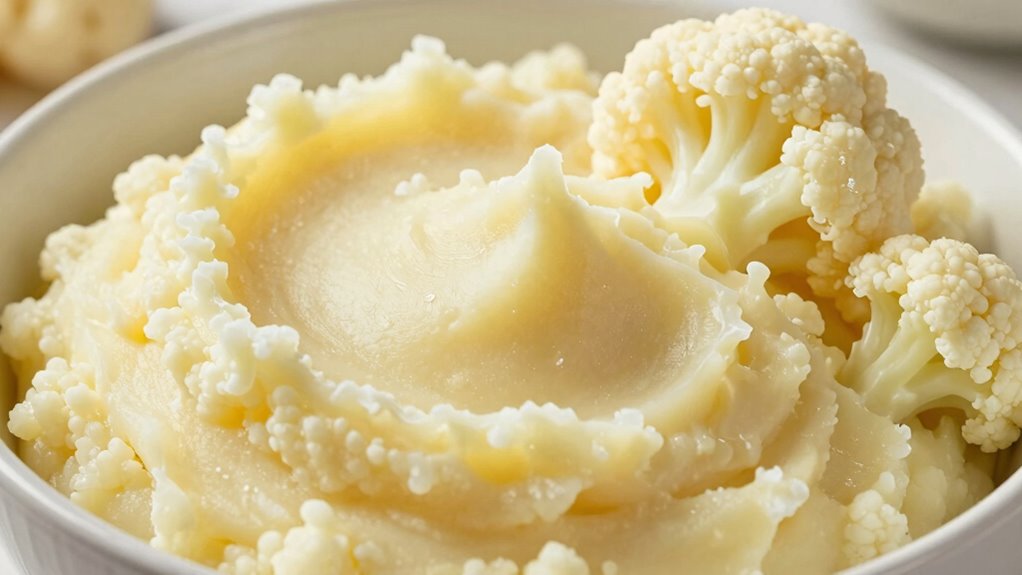
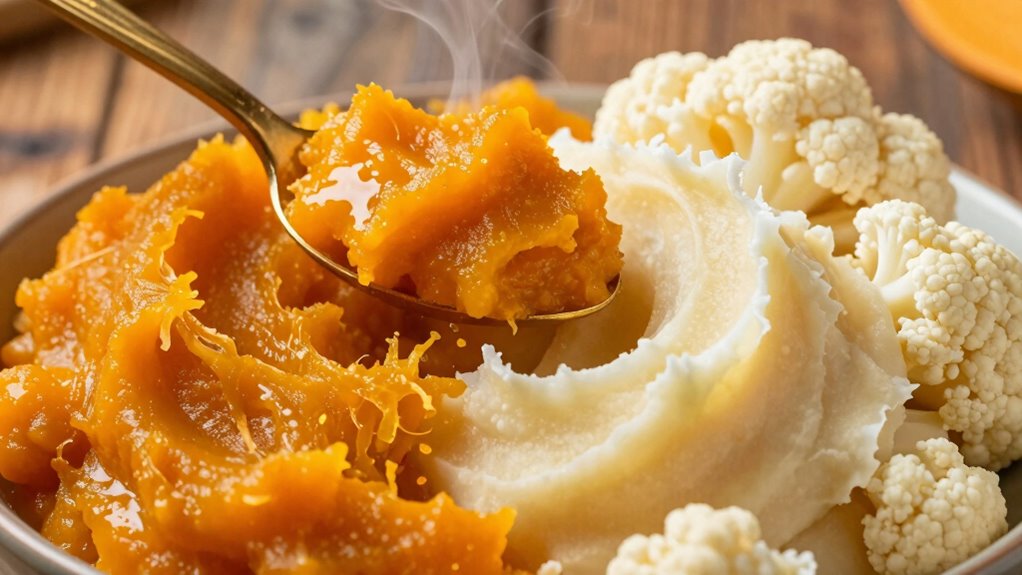
Sometimes, swapping out one ingredient can dramatically alter a dish’s texture, transforming a familiar recipe into something entirely new. This simple change can have a profound effect on how a dish feels when you eat it, often more than on its flavor. One of the most impactful ingredient swaps involves replacing traditional flour with alternative options like almond flour, coconut flour, or even cauliflower rice, especially when aiming for a different texture. These substitutions can turn a dense, chewy bread into a lighter, crumbly version or create a more tender crust. But beyond just texture, this switch also influences the nutritional impact of your meal. For example, swapping wheat flour for almond flour increases healthy fats and protein, which can make your dish more filling and nutritionally dense. However, it also demands different cooking techniques; almond flour, for example, doesn’t develop gluten, so recipes requiring elasticity or rise need adjustments, such as adding eggs or binding agents. Understanding how gluten functions helps in making effective ingredient swaps. Similarly, replacing rice with cauliflower rice drastically changes the texture, making the dish less starchy and more fibrous. This swap is especially popular among those seeking lower-carb options. When you use cauliflower rice, you need to adapt your cooking techniques—typically, sautéing or steaming to soften the vegetable without turning it mushy. cooking techniques are essential to achieving the desired texture and flavor. Additionally, experimenting with different preparation methods can further influence the final outcome, emphasizing the importance of technique adjustments in successful ingredient swaps. Recognizing the nutritional benefits of each ingredient allows you to craft healthier meals tailored to your dietary goals. Exploring nutritional profiles helps you choose swaps that align with your health objectives and dietary needs. The nutritional impact here is significant: cauliflower adds vitamins C and K, fiber, and antioxidants, making your meal more nutrient-dense without sacrificing too much of the original flavor. Plus, the texture becomes lighter and more delicate, which can change your entire eating experience.
Swapping wheat flour for almond flour boosts healthy fats and protein, but requires adjustments due to lack of gluten development.
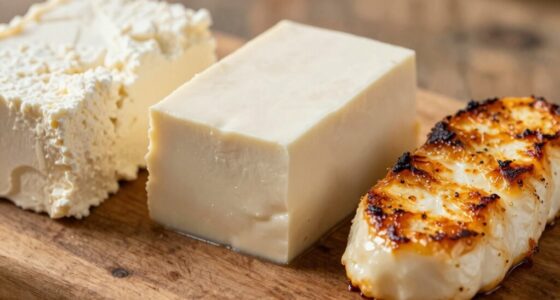
Another impactful swap is using tofu instead of cheese or meat in certain recipes. Tofu’s sponge-like texture absorbs flavors well, but it’s vital to press and prepare it properly to achieve the desired firmness or creaminess. This swap influences both the dish’s nutritional profile—adding plant-based protein and reducing saturated fats—and its texture, creating a softer or more custard-like consistency. Techniques like pressing out excess water and marinating become essential to guarantee your dish holds together and achieves the right mouthfeel.
As an affiliate, we earn on qualifying purchases.
Frequently Asked Questions
Does the Ingredient Swap Affect Cooking Time?
Yes, the ingredient swap can affect your cooking time. When you change ingredients, you might need to adjust your cooking method to guarantee proper doneness. For example, if you substitute a denser or wetter ingredient, it could take longer to cook through. Always consider ingredient compatibility, as some swaps may require you to tweak your cooking time to achieve the desired texture and flavor without over or undercooking.
Can This Swap Be Used in All Recipes?
You can’t use this ingredient swap in all recipes because it affects texture differently across dishes. While it offers alternative flavor profiles and works well in some, cultural adaptations may be necessary for authentic results. For example, replacing an ingredient in baked goods might alter the structure, so consider the recipe’s purpose. Experiment carefully, and always taste as you go to guarantee the final dish fits your desired flavor and texture.
How Does the Swap Impact Dietary Restrictions?
This swap can positively impact dietary restrictions by offering gluten-free options and vegan substitutions. You’ll find it easier to accommodate gluten allergies or sensitivities, and it supports a plant-based diet without sacrificing texture. Keep in mind, some recipes may need additional adjustments to guarantee flavor and consistency, but overall, this swap broadens your culinary options and helps you meet various dietary needs confidently.
Is the Texture Change Permanent?
The texture change isn’t permanent; it’s like a ripple on water that gradually settles. When you swap ingredients, you might notice a slight shift in texture, but with proper techniques, texture preservation is possible. Over time, the original texture can return or adapt, maintaining flavor consistency. So, you can enjoy the dish’s evolving feel without worry—your culinary creation’s texture may shift temporarily but won’t be permanently altered.
Does the Swap Alter the Visual Appearance of the Dish?
Yes, the swap can alter the visual appearance of your dish. You might notice changes in visual consistency and color contrast, depending on the ingredient used as a substitute. For example, a different ingredient could make the dish appear more vibrant or muted, affecting its overall presentation. Keep in mind that these visual changes can influence how appetizing your dish looks, even if the flavor remains similar.
As an affiliate, we earn on qualifying purchases.
Conclusion
When you swap ingredients, you might lose a bit of flavor, but the real transformation lies in the texture. It’s like trading a whisper for a roar—subtlety shifts to boldness, softness to crunch. Sometimes, changing one element can turn a familiar dish into an entirely new experience. So don’t just think about taste; embrace the texture, because that’s where the true magic happens. After all, texture is the silent voice that speaks volumes.
As an affiliate, we earn on qualifying purchases.
As an affiliate, we earn on qualifying purchases.
Fall Picks
fall essentials
As an affiliate, we earn on qualifying purchases.