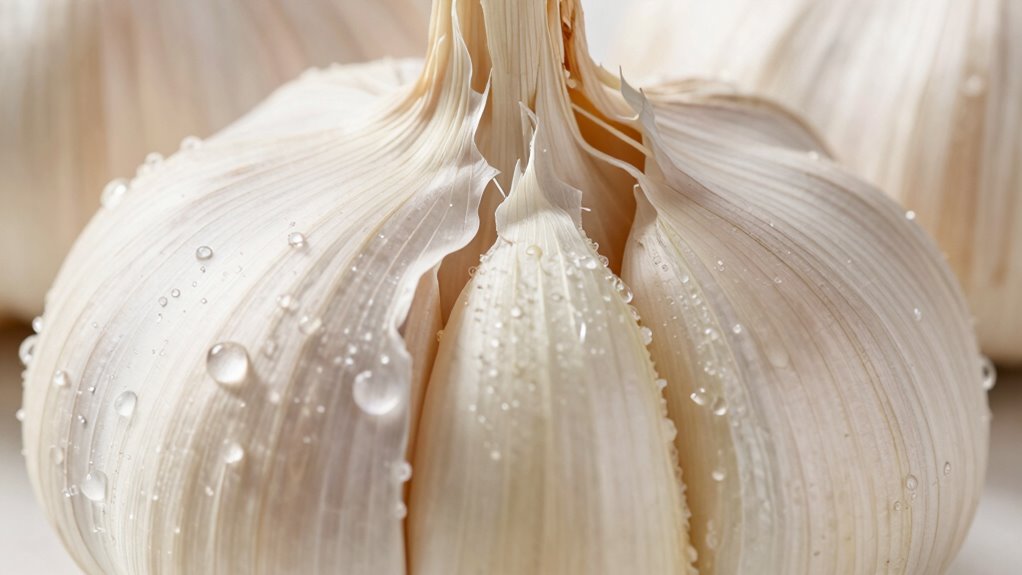

How you cut garlic impacts its flavor, aroma, and how it reacts during cooking. Mincing releases more surface area, speeding up chemical reactions and producing a stronger, pungent aroma. Larger chunks release fewer compounds initially, giving a milder taste that mellows with cooking. Techniques like slicing or smashing create subtle flavors suited for specific dishes. If you keep exploring, you’ll discover how to control garlic’s flavor profiles through precise cutting methods and reactions.

Get kitchen staples and gadgets delivered free — and shop member deals
- Fast, free delivery on millions of items
- Access to Prime Big Deal Days deals on October 6–7
- Prime Video, Amazon Music and more included
Key Takeaways
- Cutting garlic increases surface area, accelerating enzymatic reactions that produce sulfur compounds responsible for its aroma and flavor.
- Finer cuts release more sulfur molecules quickly, resulting in a stronger, pungent aroma and taste.
- Larger chunks release fewer compounds initially, leading to milder flavor that develops more slowly during cooking.
- The method of cutting influences how garlic reacts during cooking, affecting its strength and aroma in the final dish.
- Controlling cutting technique allows precise adjustment of garlic’s flavor intensity and aroma profile.
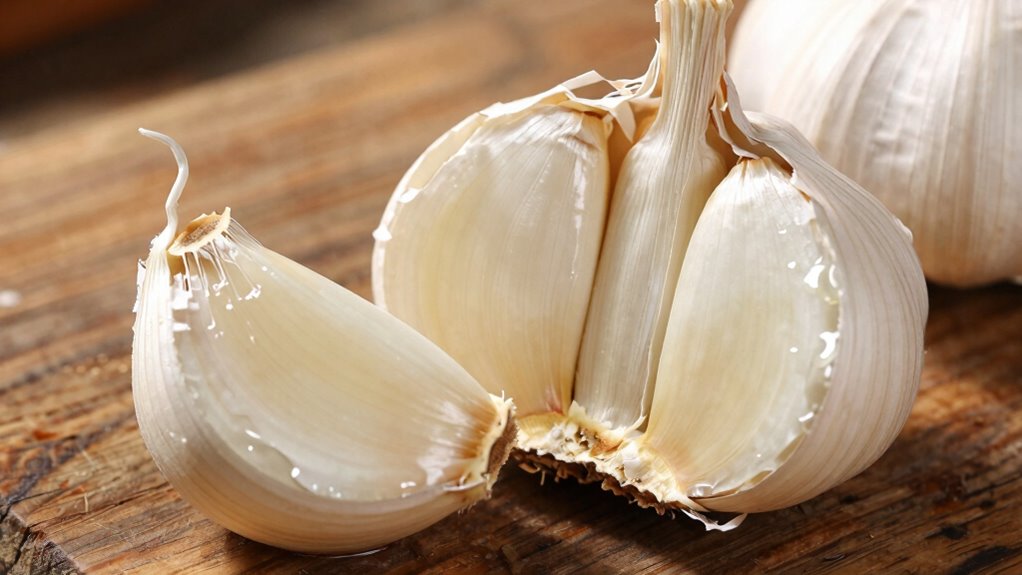
When you cut garlic, you trigger a chemical reaction that considerably impacts its flavor and aroma. This process releases enzymes that transform allium compounds into sulfur-containing molecules, which are responsible for that pungent smell and intense taste you associate with garlic. This enzymatic activity is highly sensitive to heat and moisture, which can influence how quickly and intensely these reactions occur. The way you cut garlic influences how much of this reaction occurs, ultimately shaping its garlic aroma and how it interacts with your dishes. Thinner slices or minced garlic expose more surface area to air, accelerating the enzymatic activity and producing a stronger, more pungent aroma. Conversely, larger chunks release less of these compounds initially, resulting in a milder flavor that can mellow during cooking.
Cutting garlic triggers a chemical reaction that influences its flavor and aroma, with finer cuts producing a stronger, more pungent result.
Your choice of cutting technique plays a crucial role in controlling the garlic’s impact on your cooking. Mincing garlic releases a potent aroma quickly, making it ideal for dishes where you want a burst of garlic flavor. When you finely chop garlic, the increased surface area ensures rapid enzyme activity, intensifying aroma and flavor early in the cooking process. If you prefer a subtler garlic presence, slicing or smashing cloves can help. Smashed garlic, for example, crushes the garlic but leaves it relatively intact, releasing a moderate amount of aroma without overwhelming the dish. This technique is especially useful for infusing oils or broths, where a gentle garlic aroma suffices.
The way you cut garlic also influences how it reacts with different cooking techniques. For quick stir-fries or sautés, mincing garlic is common because it quickly releases flavor into hot oil, infusing the dish with aromatic richness. For roasting or slow-cooking dishes, larger cuts are preferable, as they soften over time and develop a mellow, sweet flavor while still imparting garlic aroma without overpowering. When you chop garlic finely, it’s often used raw or near the end of cooking to maximize its pungency, as the chemical reaction is most vigorous right after cutting. Conversely, adding garlic early in a slow cook allows it to break down gradually, creating a more subtle, integrated flavor. Additionally, understanding chemical reactions in garlic can help you optimize its flavor development during cooking. The enzymatic activity is influenced by factors such as heat and moisture, which can be manipulated to achieve the desired flavor profile. Moreover, controlling these factors allows you to tailor the garlic’s flavor to match the dish’s overall profile.
In essence, your cooking techniques dictate how garlic’s aroma and flavor develop during preparation. Cutting garlic isn’t just about size—it’s a tool to control intensity and aroma, guiding how the garlic influences your dish. By understanding how different cuts impact the chemical reactions, you can tailor the garlic’s strength to suit your taste and the specific cooking method. Whether you want a sharp, bold garlic aroma or a gentle, background note, your choice of cut and technique will determine the final flavor profile, making garlic not just strong but also versatile and adaptable to your culinary needs.
As an affiliate, we earn on qualifying purchases.
Frequently Asked Questions
Does Cutting Garlic Release All Its Health Benefits Immediately?
No, cutting garlic doesn’t release all its health benefits immediately. When you cut or crush garlic, it activates an enzyme that produces allicin, which boosts garlic flavor and aroma. However, the full health benefits develop over time as allicin forms. So, to maximize its health benefits, let garlic sit for a few minutes after chopping before cooking, ensuring that the garlic flavor and aroma are rich and healthful.
How Long Should Garlic Sit After Chopping to Maximize Allicin?
You should wait about 10 minutes after chopping garlic to maximize allicin, which boosts health benefits. This pause allows the garlic aroma and flavor enhancement to develop fully, making your dishes more flavorful and nutritious. Rushing to cook immediately can diminish these benefits. So, for the best taste and health, chop your garlic, set a timer, and let it sit before adding it to your recipe. Your taste buds and body will thank you.
Can Different Cutting Methods Affect Garlic’s Flavor Profile?
Yes, different cutting methods can considerably affect garlic’s flavor profile. Chopping releases more allicin, leading to a sharper, more pungent taste, while crushing can intensify flavor through increased enzymatic activity. Slicing results in a milder, more nuanced flavor, offering flavor enhancement and a unique texture variation. Your choice of cut influences both taste and texture, allowing you to tailor garlic’s impact in your dishes.
Does Peeling Garlic Before Cutting Change Its Chemical Properties?
Peeling garlic before cutting can slightly alter its chemical properties, mainly because the papery skin protects the clove’s surface. Removing it exposes the garlic to air, which can lead to more rapid oxidation and flavor variation over time. Proper garlic storage, like keeping peeled cloves airtight, helps preserve flavor and prevents unwanted chemical changes. So, peeling impacts both the garlic’s chemical makeup and flavor, especially if exposed to air longer.
Is There a Best Way to Store Cut Garlic to Preserve Freshness?
Think of garlic as a delicate songbird: once cut, it quickly loses its melody. To preserve its freshness, store cut garlic in an airtight container or wrap it tightly in plastic, then keep it in the fridge. This garlic storage method slows down its spoilage, maintaining its vibrant flavor longer. Always use it within a few days for the best taste and aroma, keeping your culinary symphony alive.
As an affiliate, we earn on qualifying purchases.
Conclusion
So, next time you’re about to prepare garlic, remember that your gentle touch can bring out different qualities. Whether you slice, crush, or leave it whole, each method offers a subtle transformation—like a quiet dance of flavors. Embrace the journey of discovery with every cut, and let your culinary intuition guide you. After all, it’s these small, tender changes that can turn an ordinary dish into something truly memorable.
As an affiliate, we earn on qualifying purchases.
As an affiliate, we earn on qualifying purchases.
Fall Picks
fall essentials
As an affiliate, we earn on qualifying purchases.