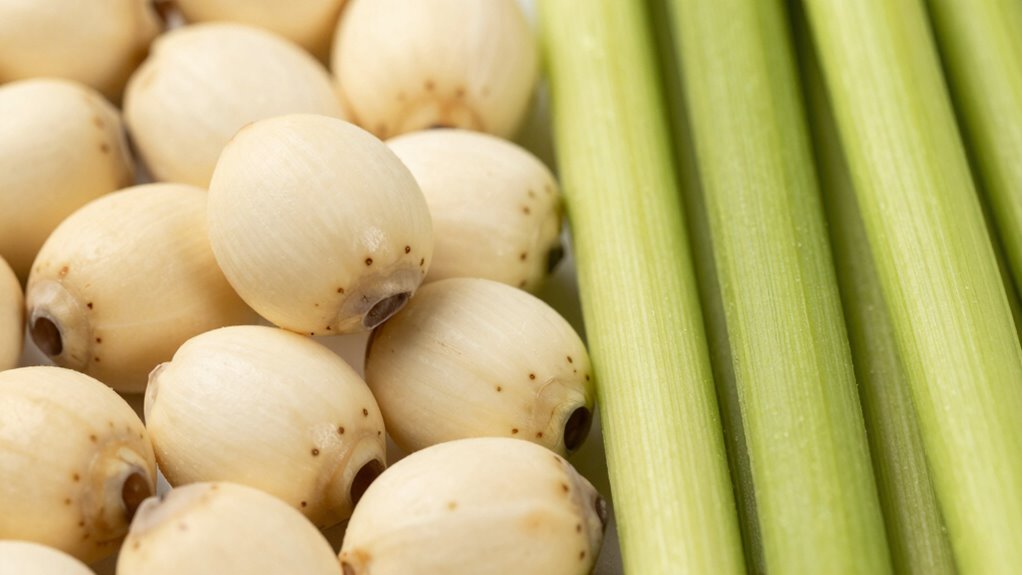

Lotus seeds (makhana) and lotus stems are different ingredients with distinct uses. You’ll find that seeds are nutritious, high in protein, and great for snacks, baked goods, or desserts. In contrast, lotus stems are hydrating, crisp, and mainly used in savory dishes like stir-fries and salads. Understanding these differences helps you avoid confusion in recipes and choose the right ingredient for your dish. Keep exploring to discover how each can elevate your culinary creations.
Key Takeaways
- Lotus seeds (makhana) are high in protein and antioxidants, ideal for snacks and baking, while lotus stems are low-calorie, fiber-rich vegetables for savory dishes.
- Makhana have a crunchy texture and neutral flavor; lotus stems are crisp, hydrating, with a mild, slightly bitter taste.
- Lotus seeds support heart health and digestion, whereas lotus stems aid in hydration and are mainly used in stir-fries and salads.
- Use lotus seeds for health foods, snacks, and desserts; lotus stems are suited for savory preparations like stir-fries and pickles.
- Recognizing their distinct textures, flavors, and nutritional profiles prevents culinary confusion and promotes proper ingredient use.
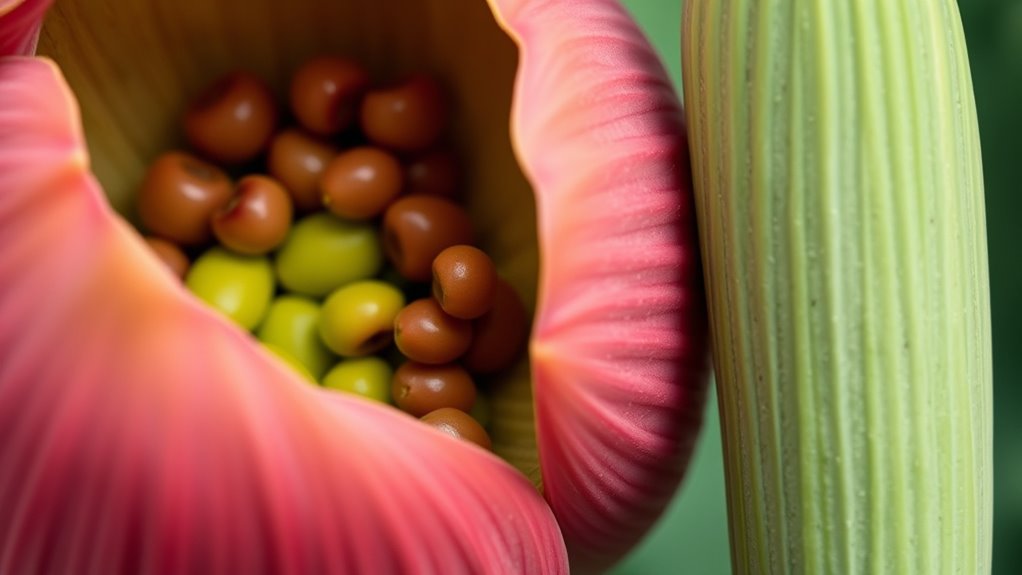
When comparing lotus seeds and lotus stems, it’s important to understand that both come from the same aquatic plant but serve different culinary and nutritional roles. Lotus seeds, also known as makhana, are the edible seeds found inside the seed heads of the lotus plant, while lotus stems are the thick, crunchy stalks that grow underwater. Although they originate from the same plant, their nutritional profiles and culinary uses differ considerably. Recognizing these differences helps you incorporate each appropriately into your diet and avoid confusion in recipes.
In terms of nutritional comparison, lotus seeds are prized for their high protein content, making them a popular snack, especially in Indian and Asian cuisines. They are low in calories and rich in magnesium, potassium, and antioxidants, which support heart health, digestion, and overall wellness. On the other hand, lotus stems are low in calories and carbohydrates, with a good amount of dietary fiber. They contain vitamins like vitamin C and some minerals such as calcium and manganese. While lotus seeds primarily serve as a nutritional powerhouse with protein and antioxidant benefits, lotus stems are valued more for their fiber content and hydrating properties, thanks to their high water content.
When it comes to culinary uses, lotus seeds and stems are quite distinct. Lotus seeds are versatile; you can roast them as a snack, add them to soups, or grind them into flour for baking. They’re often soaked, roasted, or popped to make a crunchy snack or used in sweet dishes like puddings and confections. Their neutral flavor and crunchy texture make them a popular choice for healthy, satisfying snacks. Conversely, lotus stems are commonly used in savory dishes. You’ll find them stir-fried with spices, added to salads, or used in pickles. Their crisp texture complements a variety of vegetables and meats, and they absorb flavors well, making them a favored ingredient in Asian stir-fries and hotpots.
Understanding these differences ensures you use each appropriately in your cooking. If you want a nutritious snack or ingredient for baking or health foods, lotus seeds are your go-to. If you’re preparing a savory dish that benefits from a crunchy, hydrating vegetable, then lotus stems are ideal. Both are healthy additions to your diet, but they serve different purposes due to their unique nutritional profiles and culinary applications. By recognizing these distinctions, you’ll make smarter choices and enjoy the full benefits of this versatile aquatic plant.
Top picks for "lotu seed makhana"
Open Amazon search results for this keyword.
As an affiliate, we earn on qualifying purchases.
Frequently Asked Questions
Are Lotus Seeds and Lotus Stems Used in Traditional Medicine?
Yes, lotus seeds and lotus stems are used in traditional medicine. You’ll find that lotus seeds, or makhana, are valued for their medicinal properties, such as improving digestion and boosting immunity. Lotus stems are also used for their traditional uses, like reducing inflammation and promoting healthy skin. Both parts are integral to various herbal remedies, highlighting their importance in traditional healing practices across different cultures.
How Do Lotus Seeds and Stems Differ in Nutritional Content?
You’ll find that lotus seeds are rich in protein, fiber, and antioxidants, making them great for digestion and heart health. In contrast, lotus stems are low in calories but high in vitamins like C and K, plus minerals such as calcium and magnesium. The nutritional comparison highlights that seeds boost immunity and energy, while stems support bone health and hydration. Both offer unique health benefits suited to different dietary needs.
Can Lotus Stems Be Eaten Raw Like Lotus Seeds?
You can eat lotus stems raw, but it’s less common since they are usually cooked for better flavor and texture. Raw consumption is possible, especially in salads or as a crunchy snack, but many prefer to cook lotus stems to enhance their culinary uses and digestibility. Cooking brings out their mild, slightly sweet taste and makes them more enjoyable in dishes like stir-fries, soups, or pickles.
Which Part of the Lotus Plant Is More Commonly Cultivated?
You’ll find that the lotus plant’s seeds are more commonly cultivated than its stems. In lotus plant cultivation, farmers focus on harvesting lotus seeds for food and medicinal uses, while stems are often harvested for ornamental or culinary purposes. Lotus harvesting practices involve careful timing to gather mature seeds, ensuring quality and productivity. The emphasis on seed cultivation is due to their high demand and ease of storage compared to the more delicate harvesting of stems.
Are There Any Common Allergies Associated With Lotus Seeds or Stems?
You might wonder if lotus seeds or stems cause allergy symptoms, but they’re generally considered safe. However, some people with food sensitivities could experience mild reactions like itching or swelling. While rare, allergies to lotus seeds have been reported, especially if you’re allergic to similar seeds. Always start with small amounts and consult a healthcare professional if you notice any adverse effects. Stay cautious, especially if you have known allergies.
Conclusion
Remember, lotus seeds and lotus stems are distinct, each offering unique benefits. Lotus seeds, rich in protein, are a popular snack, while lotus stems add crunch and fiber to your meals. Did you know that lotus seeds contain up to 20% protein, making them a great plant-based source? So, next time you enjoy these delicacies, you’ll know exactly what sets them apart and how they can benefit your diet. Don’t mix them up—appreciate their differences!