
TL;DR
Listen free for 30 days with Audible
Thousands of audiobooks and originals — cancel anytime.
As an affiliate, we earn on qualifying purchases.
Ground ivy was a widely used ingredient in European beer before hops gained dominance in the 14th century. It served similar functions, such as flavoring and preservation, with less cultivation effort. The shift to hops marked a significant evolution in brewing.
Recent historical research confirms that ground ivy was a common ingredient in European brewing before hops became the dominant herb in the 14th century, highlighting a significant shift in brewing practices.
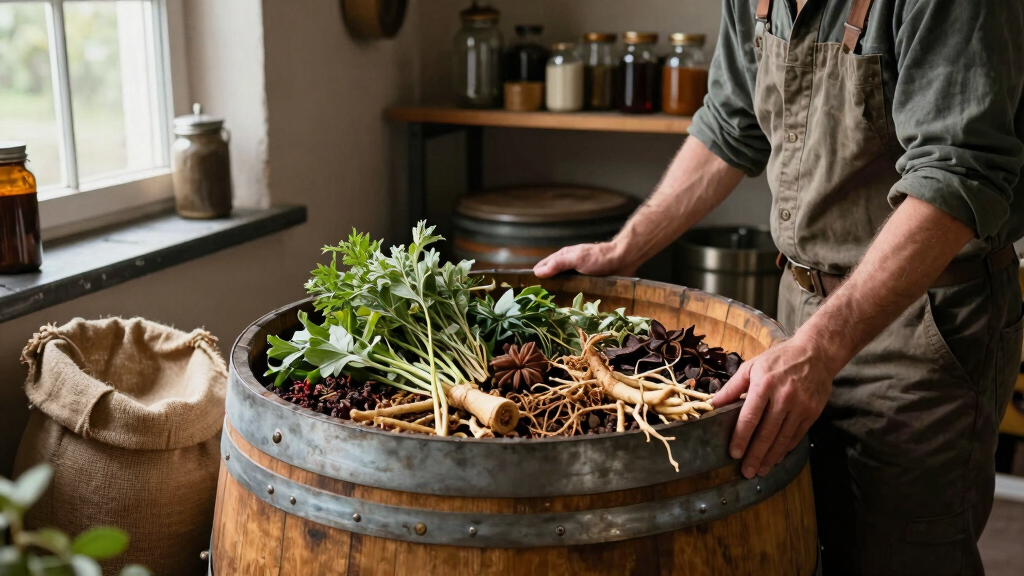
Ground ivy, known historically as ‘alehoof,’ was used extensively in medieval Europe to flavor beer and extend its shelf life. Its bitter taste and antimicrobial properties made it a suitable substitute for hops, which only gained popularity later. Unlike hops, ground ivy required minimal cultivation, making it a practical choice for brewers of the time.
Scholars have uncovered evidence that brewers in medieval Europe relied heavily on ground ivy in ‘gruit ale,’ a traditional herb-based brewing style. Its use persisted until the 14th century, when hops, with their more potent flavor and preservative qualities, gradually replaced ground ivy as the preferred brewing herb. This transition marked a major development in brewing technology and flavor profiles.
Why It Matters
This discovery sheds light on early brewing practices and the evolution of beer ingredients. Understanding the use of ground ivy illustrates how ancient brewers adapted local flora for flavoring and preservation, influencing modern brewing traditions. The shift to hops reflects technological advancements and changing taste preferences, impacting the global beer industry today.
As an affiliate, we earn on qualifying purchases.
Background
Historically, many civilizations brewed beer with local herbs and plants, often for their preservative and flavoring qualities. In Europe, ground ivy’s use dates back to at least the medieval period, where it was integral to ‘gruit ale.’ The transition to hops in the 14th century was driven by their superior preservative qualities and more consistent flavor profiles, leading to the dominance of hopped beer in modern times.
“Ground ivy was a vital ingredient in early European brewing, serving both flavor and preservative functions before hops took over.”
— Dr. Emily Carter, historian of medieval brewing
“The shift from ground ivy to hops was not just about flavor but also about brewing efficiency and shelf stability.”
— Professor Lars Jensen, brewing historian
As an affiliate, we earn on qualifying purchases.
What Remains Unclear
While evidence confirms ground ivy’s use in medieval brewing, details about regional variations, specific recipes, and the timeline of its decline are still being researched. It is not yet clear how widespread its use was across different parts of Europe or how quickly hops replaced it in various regions.
As an affiliate, we earn on qualifying purchases.
What’s Next
Further research aims to uncover more detailed regional histories of ground ivy in brewing, including archaeological findings and ancient texts. Additionally, modern brewers are exploring historical recipes that incorporate ground ivy, which may lead to a resurgence of this ancient ingredient.
As an affiliate, we earn on qualifying purchases.
Key Questions
Why was ground ivy used in beer instead of hops?
Ground ivy was used because it provided bitterness, antimicrobial properties, and was easier to cultivate, making it a practical alternative before hops became popular in the 14th century.
When did hops replace ground ivy in brewing?
Hops gradually replaced ground ivy during the 14th century, driven by their superior preservative qualities and more potent flavor.
Was ground ivy the only herb used in medieval brewing?
No, brewers used various herbs, including yarrow and rosemary, in ‘gruit ale,’ but ground ivy was one of the most common ingredients before hops became dominant.
Can ground ivy be used in modern brewing?
Yes, some modern brewers are experimenting with ground ivy for historical or craft brewing, though it is not widely adopted commercially.
Source: Food Republic
Fall Picks
fall essentials
As an affiliate, we earn on qualifying purchases.