Before you freeze food, moisture migration can cause big problems with ice crystals. When water molecules move within food or to its surface, they create uneven or large ice crystals that lead to cloudiness and texture issues. Warming or slow cooling makes this worse. By managing moisture and cooling quickly, you can prevent these issues. Want to discover how to control moisture migration and improve your freezing process? Keep going to find out more.
Key Takeaways
- Moisture migration occurs when water moves within or out of food before freezing, affecting ice crystal formation.
- Slow cooling of warm or room temperature food increases moisture migration and larger crystal growth.
- Improper handling and packaging allow moisture loss or exchange, leading to cloudy, uneven ice.
- Pre-freezing temperature gradients promote larger, less uniform ice crystals.
- Rapid cooling and proper packaging before freezing help minimize moisture migration and crystal size.

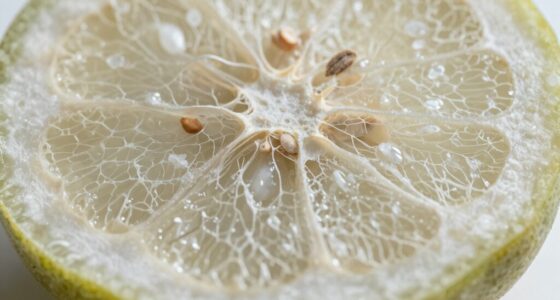
Before freezing, the formation of ice crystals can pose significant challenges to achieving clear, smooth ice. This issue starts well before your food even touches the freezer. As you prepare to freeze items, moisture migration becomes a key factor. Moisture migration refers to the movement of water molecules from the food into surrounding areas or within the food itself, which can lead to uneven or unwanted ice crystal growth. When moisture moves around freely before freezing, it creates inconsistent freezing patterns, resulting in cloudy, rough ice rather than crisp, clear sheets. Additionally, controlling the freezing speed is crucial, as slower freezing allows larger ice crystals to form, which impacts the clarity and texture of the frozen product. Your freezing speed plays a crucial role here. If the food freezes too slowly, the water molecules have more time to migrate and form larger ice crystals. These larger crystals are responsible for the cloudy, icy appearance and the texture issues in your frozen foods. Conversely, if you can speed up the freezing process, smaller ice crystals form, resulting in clearer, more uniform ice. Rapid freezing minimizes moisture migration because water molecules don’t have enough time to move and cluster into large crystals. That’s why quick-freeze methods or using a blast freezer can be so effective—they lock moisture in place almost instantly. Temperature management before freezing is also vital. If the food is at room temperature or even warm when placed in the freezer, the initial slow cooling allows for more moisture migration and larger crystal formation. Keeping food as cold as possible before freezing reduces this risk, as the temperature gradient is less steep, and the freezing process can proceed more swiftly once inside the freezer. Proper pre-freezing handling, like blanching vegetables or removing excess moisture from meats, can also limit the amount of moisture available to migrate, helping to produce better-quality ice and preserving food texture. Additionally, understanding thermal conductivity of different foods allows for better prediction of freezing times and crystal growth patterns. This knowledge helps optimize freezing conditions to prevent large ice crystals from forming. Proper packaging is also essential; airtight, moisture-resistant packaging** limits moisture exchange with the environment, reducing moisture migration during freezing. This is especially important for foods with high water content, as it directly impacts the formation of ice crystals. Using appropriate freezing containers can further help control moisture and temperature fluctuations, ensuring a more consistent freezing process. The less water that escapes or moves around, the smaller and more uniform the ice crystals will be. This prevents the formation of those cloudy, rough edges that diminish the quality of your frozen goods. In short, controlling moisture migration and freezing speed before your food hits the freezer are essential steps in preventing the ice crystal problem. Proper handling, rapid freezing techniques, and effective packaging all work together to ensure your food freezes smoothly and results in clear, high-quality ice. Taking these precautions early on sets the stage for better preservation, flavor, and texture** once your food is fully frozen.

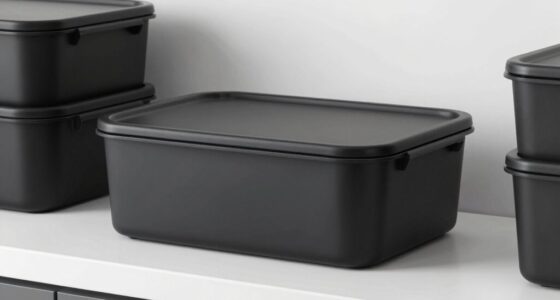
Reditainer Extreme Freeze Deli Food Containers with Lids, 32-Ounce, 24-Pack
- Package Quantity: 24 containers per pack
- Container Capacity: 32 ounces each
- Lid Type: Tight sealing lids
As an affiliate, we earn on qualifying purchases.
As an affiliate, we earn on qualifying purchases.
Frequently Asked Questions
How Does Air Quality Affect Ice Crystal Formation Before Freezing?
Air quality impacts ice crystal formation because air pollution introduces particles that can serve as nucleation points, encouraging crystals to form prematurely. Poor indoor ventilation allows pollutants to accumulate, increasing the likelihood of ice crystals developing before freezing. By improving ventilation and reducing air pollution, you limit airborne particles that trigger early ice formation, helping your food freeze more uniformly and maintain better texture and quality.
Can Humidity Levels Influence Ice Crystal Development Pre-Freezing?
Yes, humidity levels can influence ice crystal development before freezing. By practicing humidity management, you can reduce excess moisture that promotes larger, uneven crystals. Microclimate control helps maintain a stable environment around your food, preventing humidity fluctuations that cause problematic ice formation. Keep the air dry and consistent, especially during storage or transportation, to minimize ice crystal damage and preserve food quality before it even reaches the freezer.
What Materials Are Best for Preventing Ice Crystals on Food Surfaces?
You should use packaging techniques like vacuum sealing or airtight wraps to prevent ice crystals on food surfaces. Surface coatings, such as edible films or specialized anti-freeze sprays, also help shield food from moisture loss and crystal formation. These methods work by creating a barrier, reducing exposure to humidity and temperature fluctuations, ultimately maintaining food quality and preventing unwanted ice crystals from developing before freezing.
Does the Type of Food Impact Initial Ice Crystal Formation?
The type of food definitely impacts initial ice crystal formation. Firmer, denser foods resist rapid ice crystal growth, maintaining better food texture. Conversely, softer or wetter foods, like fruits or dairy, are more prone to forming ice crystals during freezing. The trick is to speed up freezing—faster freezing minimizes crystals, preserving quality. So, your food’s texture and how quickly you freeze it both play essential roles in preventing crystal formation.
Are There Natural Methods to Reduce Pre-Freezing Ice Crystals?
You can naturally reduce pre-freezing ice crystals by using natural antifreeze substances like honey or salt solutions, which help inhibit ice formation. Additionally, applying ice crystal inhibitors such as glycerol or certain plant extracts before freezing can prevent large crystals from forming. Keep your food at a consistent, colder temperature before freezing, and minimize exposure to fluctuating conditions, which helps maintain smaller ice crystals and preserves food texture.
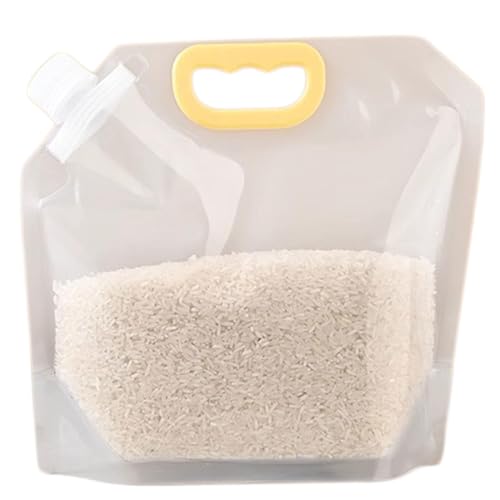
【15 Pack】Food Storage Bags Grain Moisture-proof Sealed Bags Stand Up Packaging Pouches Large Reusable Sealed Bag with Handle and Cap BPA Free,11.8"x10.6"
- Package Includes: 15 storage bags and 1 funnel
- Material: Made of BPA-free, non-toxic PP
- Resealable Design: Features a sealed cap for easy resealing
As an affiliate, we earn on qualifying purchases.
As an affiliate, we earn on qualifying purchases.
Conclusion
To prevent ice crystal formation before freezing, you must control moisture, temperature, and time. Keep your food dry, chill it quickly, and avoid delays. By managing these factors, you reduce ice crystal growth, preserve texture, and maintain flavor. Stay vigilant, stay prepared, and stay mindful. Because, in the end, preventing ice crystals before freezing isn’t just about food—it’s about quality, freshness, and enjoying every bite. Keep these steps in mind, and your food stays perfect.

VEVOR 32L Blast Freezer, 4 Trays Commercial Freezers Flash, Mini Countertop Shock Frozen for Home, 360° Fan Cooling Batch Freeze, 304 Stainless Steel Blast Chiller for Seafood, Ice Cream
- Rapid Freezing Capability: Freezes from 194℉ to -0.4℉ in minutes
- Large 32L Capacity: Suitable for seafood, ice cream, and more
- Multiple Modes: Cooling and freezing for various ingredients
As an affiliate, we earn on qualifying purchases.
As an affiliate, we earn on qualifying purchases.

Desiccare Pillow Pak Silica Gel Packets, 5g – Desiccant Packs (Pack of 100)
- Moisture Protection: Prevents humidity and condensation damage
- Food Safe Material: FDA-compliant and suitable for food products
- Durable Packaging: Tear-resistant, breathable Tyvek material
As an affiliate, we earn on qualifying purchases.
As an affiliate, we earn on qualifying purchases.