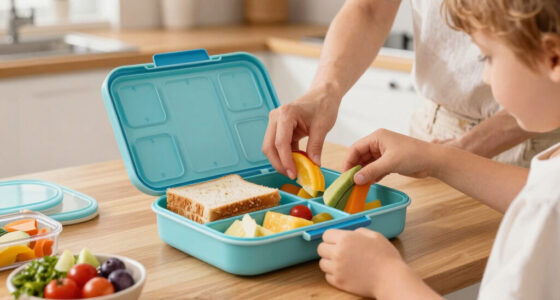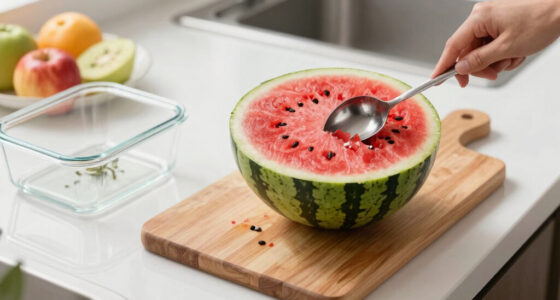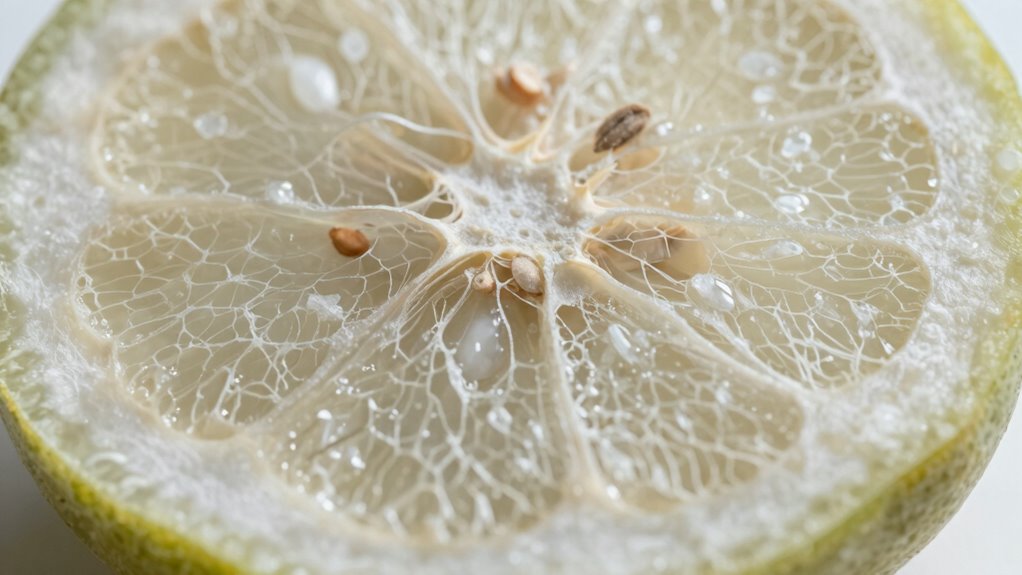

When you freeze dry food, you remove water while keeping its structure mostly intact, but freezing causes ice crystals that puncture cell walls. During sublimation, this cellular damage makes the food brittle, porous, and crumbly. The process also locks in flavor and nutrients, but the structural changes leave the food feeling crispy and fragile. If you’re curious about how this transformation works and why it’s so effective, keep exploring the details behind freeze drying.
Prime for Young Adults — start your free trial
Fast free delivery, streaming and member deals for eligible 18–24 year olds.
As an affiliate, we earn on qualifying purchases.
Key Takeaways
- Moisture removal causes the food to become porous, brittle, and crumbly, significantly altering its texture.
- Freezing forms ice crystals that puncture cell walls, leading to cellular damage and increased fragility.
- Cellular damage during sublimation results in a loss of firmness and juiciness, making the food feel lighter and crisper.
- The low-temperature process preserves flavor and nutrients but changes the internal structure, affecting texture.
- Cellular puncture and increased porosity from ice crystal formation cause the food to become fragile and easily crumbled.

Freeze drying dramatically alters the texture of food because it removes moisture while preserving the structure, but the process also causes cellular damage that impacts how the food feels and behaves. When you look at freeze-dried items, you’ll notice they’re brittle and lightweight—quite different from their fresh counterparts. This change happens because the removal of water affects the food’s internal matrix, leading to a crisp or crumbly texture. However, one of the key reasons freeze-dried foods retain their flavor and nutrients so well is because the process is gentle compared to other preservation methods. Unlike canning or dehydration, freeze drying occurs at low temperatures, which helps lock in flavor compounds and preserve nutrients. This means you get a product that still tastes fresh and offers most of its original nutritional benefits, despite the altered texture.
The process involves freezing food solid and then reducing the surrounding pressure to allow the frozen water to sublimate directly from ice to vapor. During this phase, the cellular structure experiences stress and damage because ice crystals can puncture cell walls. This cellular damage is what causes a change in how the food feels. Instead of the firm, juicy texture you’re used to, the food becomes porous and fragile. As a result, it crumbles easily when handled or rehydrated. While the cellular damage might seem like a downside, it’s actually beneficial in regards to flavor retention. The rapid sublimation locks in volatile flavor compounds that could otherwise be lost in other drying methods. Additionally, understanding the sublimation process helps explain why freeze-dried foods maintain such a high quality in taste and appearance. This preservation technique plays a crucial role in maintaining the delicate balance of flavor and nutrition. Moreover, this process’s ability to preserve delicate flavor compounds is vital for high-quality food preservation. Recognizing the importance of moisture removal helps clarify how freeze drying achieves such impressive preservation results. Furthermore, advances in freeze-drying technology continue to improve the overall quality and efficiency of the process.
freeze dried food storage containers
As an affiliate, we earn on qualifying purchases.
As an affiliate, we earn on qualifying purchases.
Frequently Asked Questions
How Does Freeze Drying Affect Nutrient Retention?
Freeze drying helps preserve nutrients by maintaining nutrient stability during the process. However, some degradation factors, like exposure to heat or oxygen before freezing, can cause nutrient loss. You’ll find that vitamins, especially sensitive ones like vitamin C, may degrade slightly if not carefully handled. Overall, freeze drying retains most nutrients better than other methods, making it a popular choice for preserving the nutritional quality of foods.
Can Freeze-Dried Foods Be Rehydrated Perfectly?
Think of freeze-dried foods as fragile memories stored in ice. While they can be rehydrated, perfect texture preservation remains tricky. You need precise rehydration techniques—slow, gentle soaking to restore original crunch or tenderness. Some textures, like crispness, are hard to fully recover, but with patience and care, you can bring back much of the food’s original feel. Just remember, a little imperfection is part of the charm.
What Types of Textures Are Most Affected by Freeze Drying?
You’ll notice that fruit crunch and crispy snacks are most affected by freeze drying because their delicate textures rely on moisture. Freeze drying removes water, making these items brittle and crunchy, often transforming their original softness or juiciness into a crisp, airy feel. While you can rehydrate some foods, these textures rarely return to their initial state, especially for items like fruit and crispy snacks that depend on their moisture content.
How Does Freezing Temperature Influence Texture Changes?
You’re right to think that freezing temperature impacts texture considerably. When you lower the temperature, the formation of larger ice crystals damages the crystalline structure, making the texture more fragile once dried. If you freeze too quickly, small ice crystals form, preserving the original structure better. So, it’s a delicate dance—too cold, and the ice crystals become a wrecking ball, altering the texture and making it more prone to crumbling.
Are There Ways to Preserve Original Texture During Freeze Drying?
You can preserve the original texture during freeze drying by using advanced freeze drying techniques, such as controlled freezing rates and optimized sublimation parameters. These methods help minimize ice crystal formation and maintain cellular structure. Additionally, pre-treatment with cryoprotectants can enhance texture preservation. By carefully managing these factors, you improve texture retention, ensuring your freeze-dried products stay as close to their fresh state as possible.
As an affiliate, we earn on qualifying purchases.
Conclusion
Think of freeze drying like turning a sponge into a delicate snowflake—you remove the moisture, but in doing so, you also transform its very structure. Just as a sponge becomes fragile and brittle when dried, your food’s texture changes dramatically through this process. It’s like nature’s way of preserving a moment in time, but with a twist that makes every bite feel like cracking through ice—fragile, light, and utterly different from fresh.
As an affiliate, we earn on qualifying purchases.
As an affiliate, we earn on qualifying purchases.
NFL season / tailgating Picks
team gear
As an affiliate, we earn on qualifying purchases.