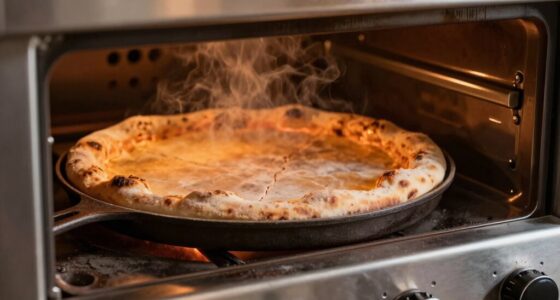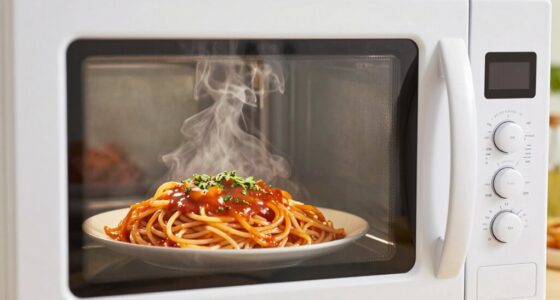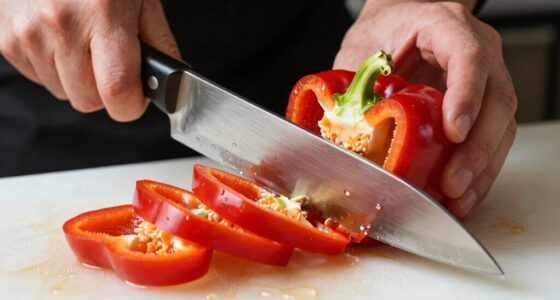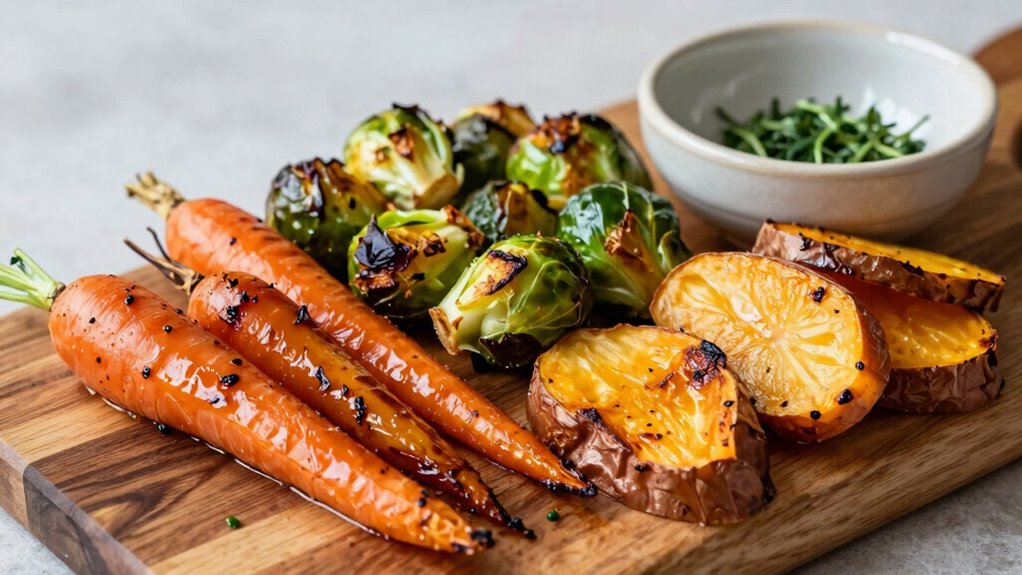

Resting food isn’t just for meat because it enhances flavor, improves texture, and boosts overall dish presentation, whether it’s vegetables, grains, or plant proteins. Resting allows flavors to settle and deepen while redistributing moisture, preventing dishes from becoming mushy or dry. It also helps tofu and tempeh absorb marinades and cook evenly. Embracing resting as a key step can elevate your plant-based dishes and guarantee more satisfying results—there’s more to discover when you keep going.
Listen free for 30 days with Audible
Thousands of audiobooks and originals — cancel anytime.
As an affiliate, we earn on qualifying purchases.
Key Takeaways
- Resting allows flavors to deepen and meld in vegetables and plant proteins, enhancing overall dish taste.
- It improves texture by redistributing moisture, preventing sogginess or dryness in vegetarian dishes.
- Resting helps plant-based proteins like tofu and tempeh absorb marinades and develop better flavor.
- It supports better presentation and more consistent results in vegetarian and vegan meal prep.
- Resting is a crucial step to maximize flavor, texture, and appearance in all cooked foods, not just meat.
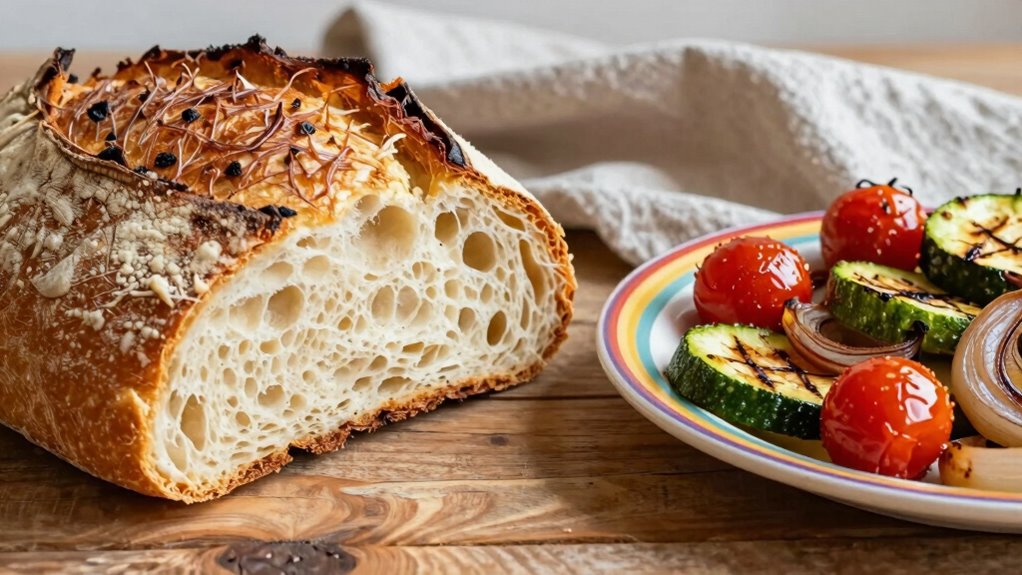
Many cooks know that resting meat after cooking helps lock in juices, but this technique isn’t limited to just meat. Resting food is an adaptable step that benefits a variety of dishes, including vegetarian and plant-based options. When you let cooked vegetables, grains, or plant-based proteins sit for a few minutes, you give flavors time to settle and textures to improve. It might seem like a small step, but it can considerably enhance the overall quality of your meal.
Resting cooked vegetables, grains, and plant proteins enhances flavor, texture, and overall dish quality.
In the domain of vegetarian techniques, resting is often overlooked, yet it plays an essential role. For example, when you roast vegetables like eggplant or carrots, letting them sit briefly after cooking allows the flavors to deepen and the moisture to redistribute. This prevents them from becoming mushy or overly dry when you serve. Similarly, with plant-based proteins like tofu or tempeh, a short resting period after marinating or cooking helps the flavors penetrate more thoroughly, resulting in a more satisfying bite. Resting these foods also allows excess moisture to escape, improving texture and preventing sogginess. Resting techniques are particularly important in plant-based cooking to maximize flavor and texture. Additionally, incorporating proper resting methods can enhance culinary presentation and make your dishes appear more appetizing. Incorporating resting into your routine can also help with meal prep efficiency, making the overall process smoother and more effective. Recognizing the importance of food resting can lead to more consistent and enjoyable results in your kitchen.
As an affiliate, we earn on qualifying purchases.
Frequently Asked Questions
How Long Should Non-Meat Dishes Rest Before Serving?
You should let non-meat dishes rest for about 5 to 10 minutes before serving. During this resting duration, the dish’s flavors settle and liquids redistribute, enhancing taste and texture. Keep in mind the cooking temperature, as higher temperatures may require slightly longer resting. Resting allows the dish to reach ideal flavor and consistency, ensuring you get the best possible eating experience.
Does Resting Improve the Flavor of Vegetarian Dishes?
Resting vegetarian dishes definitely enhances flavor and preserves texture. While it’s often associated with meat, resting allows flavors to meld and intensify, giving each bite a richer taste. It also helps to settle ingredients, preventing mushiness and maintaining the dish’s texture. By giving your vegetarian meals a brief rest, you guarantee a more flavorful, well-balanced, and enjoyable eating experience. Don’t skip this step—it makes a noticeable difference.
Can Resting Be Skipped for Quick Meals?
You can skip resting for quick meals, especially when you’re short on time. Use quick meal tips like resting shortcuts—such as letting rice sit for a few minutes or letting pasta drain slightly—to improve texture and flavor. While resting enhances dishes, it’s often not essential for speedy recipes. Focus on efficient prep and finishing touches to keep your meals tasty without lengthy resting periods.
Are There Specific Tools to Help Food Rest Properly?
Yes, there are specific kitchen tools that can help you rest food properly. You might use a cooling rack or a resting rack to elevate meats or baked goods, allowing excess moisture to escape and even cooling. Resting techniques can be enhanced with these tools, ensuring your food retains its juices and texture. Investing in proper resting tools makes the process easier and more effective, especially for meats and other hot dishes.
How Does Resting Affect the Texture of Side Dishes?
Resting allows side dishes to develop better texture and retain moisture. When you let dishes sit, the flavors meld, and the texture improves through moisture retention, making them less soggy or dry. For example, resting roasted vegetables helps them stay juicy and tender, while rice or grains benefit from a brief pause to enhance their fluffiness. Overall, resting is key for achieving that perfect texture enhancement in your side dishes.
As an affiliate, we earn on qualifying purchases.
Conclusion
Next time you rest your steak, remember it’s not just about meat. That simple pause can reveal flavors in your veggies and grains too. Funny how a little rest can make all the difference, isn’t it? Maybe it’s coincidence, or maybe it’s just the magic of patience. So, next time you’re resting your food, think beyond meat — you might just discover a whole new level of deliciousness in every bite.
As an affiliate, we earn on qualifying purchases.
As an affiliate, we earn on qualifying purchases.
Fall Picks
fall essentials
As an affiliate, we earn on qualifying purchases.