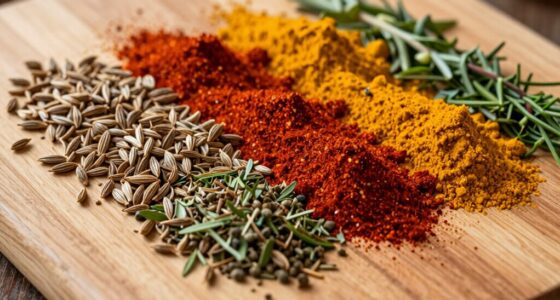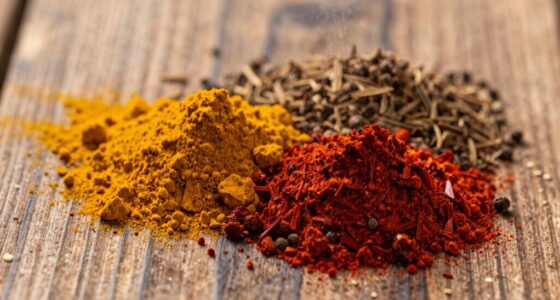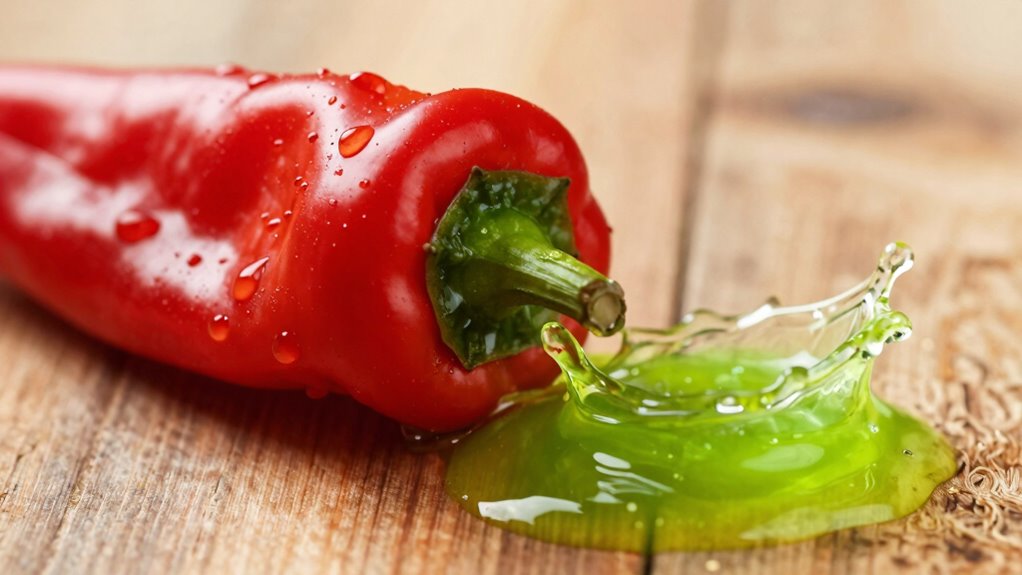

You might think spice and acid don’t pair well, but they actually create a balanced, vibrant flavor that heightens your senses. Acid cuts through heat, making spicy dishes more enjoyable and layered with complexity. It also highlights spices’ aroma and depth, preventing overwhelming heat. By experimenting with the right amounts, you can reveal surprising harmony and elevate your dishes to new heights. Keep exploring how this dynamic duo can transform your culinary creativity.
Listen free for 30 days with Audible
Thousands of audiobooks and originals — cancel anytime.
As an affiliate, we earn on qualifying purchases.
Key Takeaways
- Acids cut through spicy heat, creating a balanced and refreshing flavor profile.
- Pairing acids with spices enhances aroma and deepens overall taste complexity.
- Acids highlight specific spice notes, revealing new layers of flavor.
- The combination creates vibrant, layered dishes that excite the palate.
- Balancing acid and spice fosters harmony, elevating simple ingredients into memorable dishes.
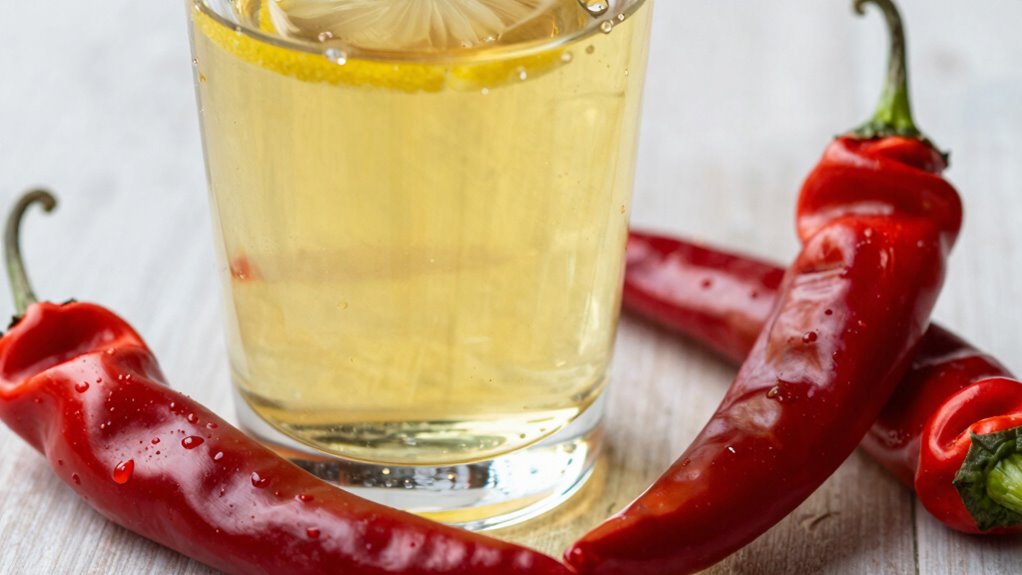
When it comes to enhancing bold flavors, pairing spices with acids can create a dynamic and balanced taste experience. This combination isn’t just a coincidence; it’s a deliberate technique rooted in the principles of flavor contrast and culinary harmony. You might think that spicy heat and tangy acidity clash, but in reality, they complement each other beautifully when balanced correctly. The acid cuts through the heat, offering an invigorating counterpoint that awakens your palate, making every bite more vibrant and memorable. This interplay results in a layered taste profile that excites your senses and keeps you coming back for more.
Balancing spices with acids creates vibrant, layered flavors that awaken the palate and elevate your dishes.
In the kitchen, you’ll find that acids like vinegar, citrus juice, or fermented products are excellent partners for spices such as chili, cumin, or coriander. When you add a splash of lime to a spicy dish, for example, the citrus brightens the flavors, making the spices pop without overpowering them. The acidity acts as a counterbalance, preventing the heat from becoming overwhelming. Similarly, a splash of vinegar can elevate a savory marinade, sharpening the flavors and providing a tangy edge that heightens the overall dish. These pairings aren’t just about adding sourness—they’re about creating a symphony of taste where each element enhances the other.
You’ll also notice that acids can highlight certain spice notes, revealing depths you might not have perceived otherwise. For example, a touch of lemon juice in a spicy seafood ceviche enhances the freshness of the fish while amplifying the spices’ aroma. This is where culinary harmony truly shines: the spices and acids work together to produce a cohesive, balanced dish. The key is understanding how much acid to add—too little, and the contrast isn’t enough; too much, and it can overpower the spice. Experimentation allows you to find that sweet spot, where flavors dance perfectly on your palate. Understanding flavor interactions is essential to mastering these pairings.
Ultimately, the magic of pairing acids with spices lies in their ability to heighten flavor contrast and establish a harmonious blend of tastes. You don’t need complex techniques or rare ingredients—just a willingness to experiment and a keen sense of balance. When done right, this pairing transforms ordinary dishes into extraordinary culinary experiences, proving that acid and spice work better together than you might initially think. It’s all about understanding how these elements interact and embracing the vibrant energy they can bring to your cooking.
As an affiliate, we earn on qualifying purchases.
Frequently Asked Questions
How Does Acidity Affect the Intensity of Spice?
Acidity in dishes can mellow out the intensity of spice, providing a flavor contrast that balances heat. When you add acid, like vinegar or citrus, it enhances your sensory experience by cutting through the fiery notes, making the spice feel less overwhelming. This sensory enhancement helps you enjoy the dish more, as the acidity complements the spice, creating a harmonious flavor profile that’s both vibrant and well-rounded.
Can Spicy Foods Be Balanced With Only Acidic Ingredients?
Spicy foods can be balanced with only acidic ingredients, like lemon or vinegar, creating a flavor harmony that calms the heat. Think of it as a dance where acidity and spice move in perfect sync, enhancing ingredient synergy. You might find that a splash of citrus or a dash of vinegar transforms the dish, making the spice more approachable while maintaining vibrant flavors. It’s a simple but effective way to balance heat naturally.
Are Certain Acids Better for Neutralizing Heat Than Others?
Certain acids, like vinegar and citrus, are better for neutralizing heat because they enhance flavor harmony and ingredient synergy. You’ll find that their bright, sharp notes cut through spice more effectively, balancing the heat without overpowering the dish. Lime juice, for example, offers a clean, fresh acidity that complements spicy ingredients, creating a harmonious flavor profile. So, choosing the right acid can elevate your dish and improve overall taste.
How Does Pairing Acid and Spice Influence Digestion?
You might think adding acid and spice complicates digestion, but it actually boosts flavor enhancement and sensory perception. The acid helps break down food, making nutrients more accessible, while spice stimulates saliva and gastric juices, speeding up digestion. Ironically, what seems like an overwhelming combo can support your gut health, making your meals not only tastier but easier to process. So, try embracing this fiery duo for better digestion and richer flavors.
Do Cultural Cuisines Favor Acid and Spice Combinations Differently?
Cultural cuisines favor acid and spice combinations differently because they aim for unique flavor harmony and culinary contrast. For example, Thai and Mexican dishes blend lime or vinegar with chili for bright, balanced flavors, while Indian cuisine often combines tamarind with spicy curries to create depth. These variations reflect regional tastes and ingredients, enhancing the overall dining experience through a dynamic interplay of acidity and spice that appeals to local palates.
As an affiliate, we earn on qualifying purchases.
Conclusion
When you combine acid and spice, it’s like a dance where each partner enhances the other’s moves, creating a harmony that surprises your palate. The tang of acid cuts through the heat, cooling and brightening every bite, while spice adds depth and excitement. Together, they’re a recipe for a flavor symphony that transforms ordinary dishes into extraordinary experiences. So next time you cook, remember: sometimes, the most unexpected pairings turn out to be the perfect match.
spice and acid pairing ingredients
As an affiliate, we earn on qualifying purchases.
As an affiliate, we earn on qualifying purchases.
marinades with vinegar and spices
As an affiliate, we earn on qualifying purchases.
As an affiliate, we earn on qualifying purchases.
Fall Picks
fall essentials
As an affiliate, we earn on qualifying purchases.