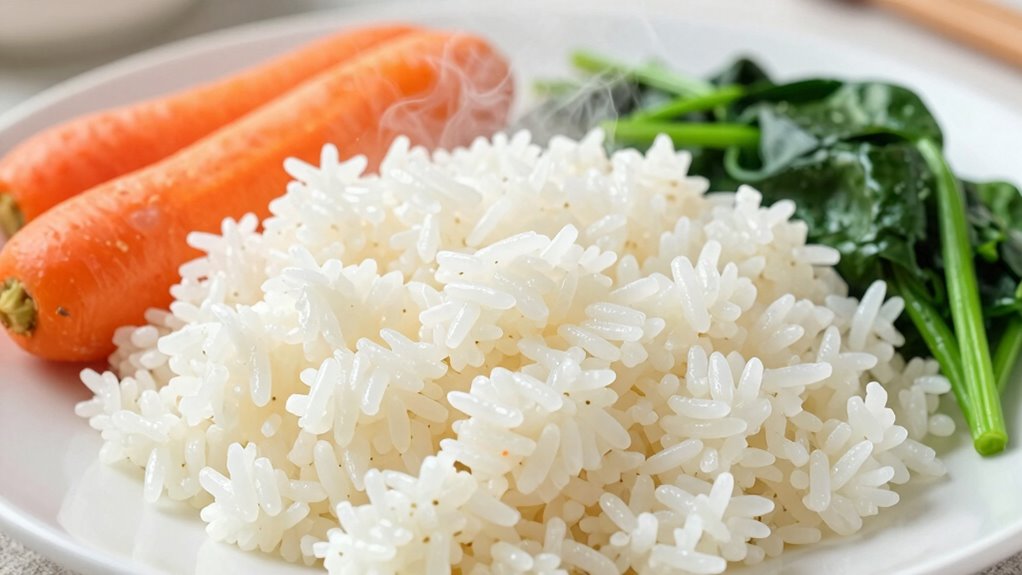

White rice isn’t inherently “bad”; its health impact depends on how you include it in your diet and cultural practices. When eaten in moderation and paired with vegetables, lean proteins, and healthy fats, it can be part of a balanced meal. Proper cooking methods and portion control matter too. If you want to understand how to enjoy white rice healthfully and in context, there’s more to take into account behind the surface.

Get kitchen staples and gadgets delivered free with Prime
- Fast, free delivery on millions of items
- Prime Video, Amazon Music and more included
- Member-only deals all year
Key Takeaways
- White rice’s health impact depends on how it’s prepared, portioned, and paired with other nutrient-dense foods.
- Its high glycemic index can cause blood sugar spikes, especially when eaten in large quantities or without fiber.
- Traditional and cultural consumption of white rice can be healthy when integrated into balanced meals.
- Pairing white rice with vegetables, lean proteins, and healthy fats enhances its nutritional value.
- Moderation and mindful eating are key; white rice is not inherently “bad” but can be part of a healthy diet.
white rice cooker with steaming function
As an affiliate, we earn on qualifying purchases.
As an affiliate, we earn on qualifying purchases.
What Is White Rice, and Is It Healthy or Not?
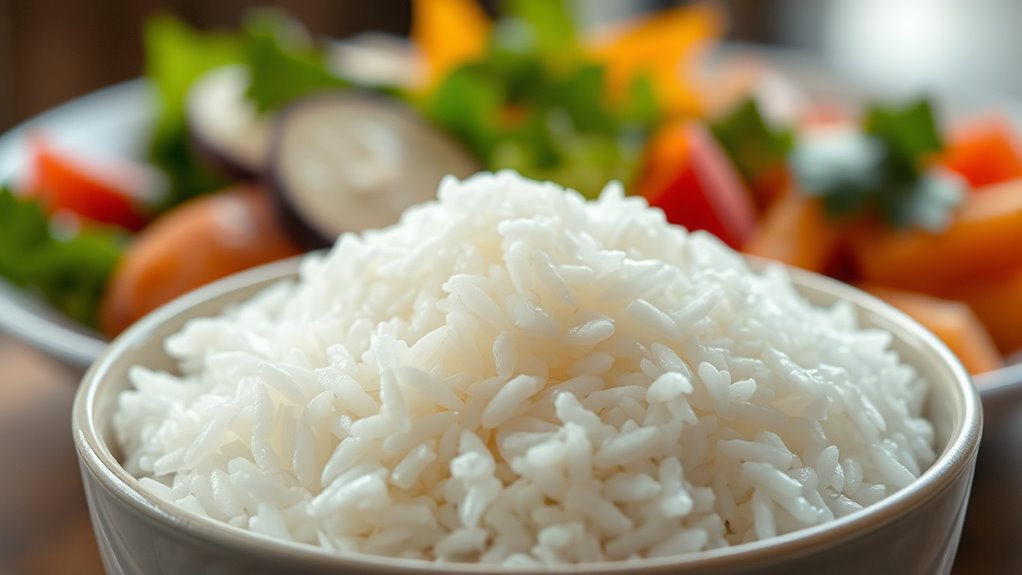
Have you ever wondered what white rice really is and whether it’s a healthy choice? White rice is polished, refined grains where the husk, bran, and germ are removed during processing. This gives it a soft texture and longer shelf life, but it also strips away nutrients. When cooking white rice, your choice of method matters—boiling, steaming, or frying can affect its health impact. Proper storage techniques are essential; keeping rice in an airtight container in a cool, dry place prevents spoilage and preserves quality. Additionally, choosing energy-efficient cooking methods can minimize environmental impact while preparing rice. While white rice is a quick, versatile carbohydrate source, it lacks fiber and certain nutrients compared to whole grains. So, understanding these aspects helps you make smarter choices about incorporating white rice into your diet.
As an affiliate, we earn on qualifying purchases.
How Do Different Cultures Use White Rice in Their Diets?
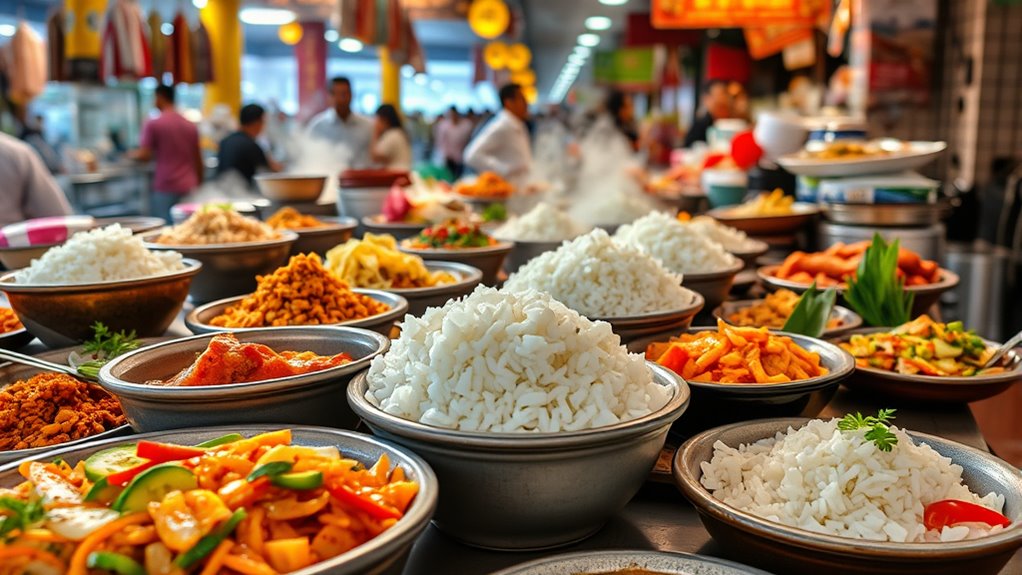
Did you know that white rice plays a central role in many cultures’ cuisines around the world? Cultural variations influence how white rice is prepared and enjoyed, shaping dietary practices across regions. In Asia, it’s a staple, often served with vegetables, meats, or as sushi, reflecting its importance in daily meals. In Latin America, white rice accompanies beans and stews, forming a foundational part of traditional dishes like arroz con pollo. In parts of Africa, it’s used in pilafs or eaten with spicy sauces. These diverse uses highlight how white rice adapts to different culinary traditions. Additionally, understanding the cultural significance of white rice helps appreciate its role beyond nutrition, emphasizing how societies incorporate it into their diets. The culinary diversity surrounding white rice underscores its versatility and importance in global food cultures. Recognizing the cultural adaptation of rice preparation methods reveals how deeply embedded it is in regional identities and social customs. Moreover, the way white rice is integrated into various food rituals reflects its symbolic importance in community gatherings and celebrations. Furthermore, the historical roots of rice cultivation demonstrate its longstanding significance in shaping cultural identities worldwide.
As an affiliate, we earn on qualifying purchases.
What Are the Main Criticisms of White Rice? Are They Valid?
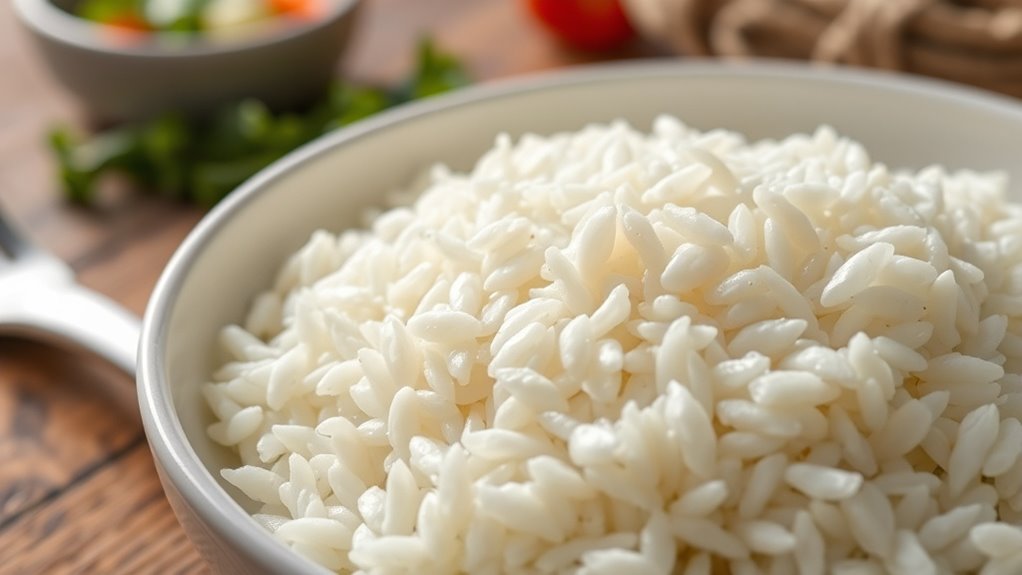
Many critics argue that white rice is unhealthy due to its high carbohydrate content and low fiber levels. They say it can spike blood sugar and offer little nutritional value, fueling negative cultural perceptions. These criticisms often overlook the significance of culinary traditions that rely on white rice for flavor, texture, and cultural identity. Visualize white rice as:
- Fluffy grains serving as the base for diverse dishes worldwide
- A staple in celebrations and family gatherings
- The foundation of comfort foods across cultures
- An ingredient that connects generations through shared recipes
While these criticisms have some validity in terms of nutrition, they don’t account for context. White rice’s role in cultural perceptions and traditional diets highlights its value beyond just its nutritional profile. Additionally, the contrast ratio of white rice in cooking can influence its visual appeal and texture, further emphasizing its importance in culinary practices. Recognizing the nutritional composition of white rice helps contextualize its place within a balanced diet and cultural framework. Furthermore, understanding the cultural significance of white rice underscores the importance of considering dietary choices within their social and traditional contexts. Including white rice as part of a varied diet can also provide energy essential for daily activities and overall well-being. Considering the preparation methods can also impact its health effects and compatibility with different dietary needs.
As an affiliate, we earn on qualifying purchases.
How Does White Rice Compare to Whole Grains?

How does white rice compare to whole grains in regards to nutrition and health benefits? Whole grains contain more fiber, vitamins, and minerals, offering sustained energy and better digestion. White rice, on the other hand, is more processed, removing bran and germ, which reduces nutrient content. When making dietary choices, consider the grain comparison: whole grains provide more phytochemicals and slower carbohydrate absorption. Here’s a quick look:
| Aspect | White Rice | Whole Grains |
|---|---|---|
| Fiber | Lower | Higher |
| Nutrients | Fewer vitamins/minerals | Rich in B vitamins, iron, magnesium |
| Glycemic Index | Higher | Lower |
| Processing | More refined | Less processed |
| Health Benefits | Less beneficial for weight control | Better for heart and digestion |
Choosing between them depends on your health goals and dietary preferences.
When Is White Rice Less Healthy? Key Factors You Should Know
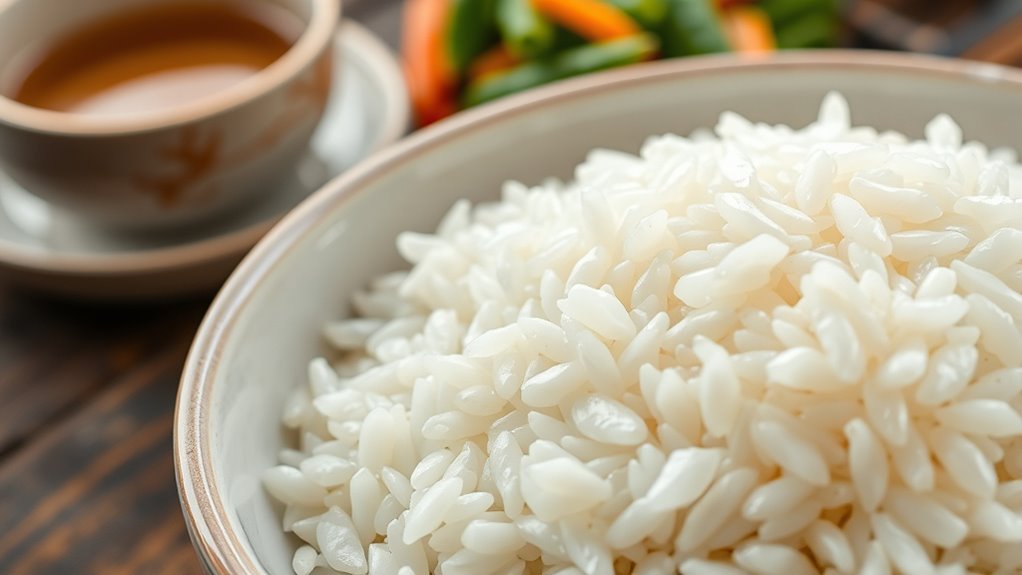
White rice becomes less healthy when you consume it frequently in place of more nutrient-dense options or in large portions. Its high glycemic index causes blood sugar spikes, especially if paired with little fiber or protein. When the rice is heavily processed, it loses much of its nutrient density, reducing essential vitamins and minerals. You might notice these issues if you often eat white rice as a main carbohydrate source. Imagine:
Eating white rice often leads to blood sugar spikes and fewer nutrients, especially when overdone.
- A bowl of steaming white rice that quickly turns into energy crashes
- Little fiber to keep you full longer
- Skimpy nutrients compared to whole grains
- Rapid digestion leading to hunger soon after eating
- Using smarter techniques like combining white rice with vegetables and proteins can help improve its nutritional profile. Additionally, incorporating traditional cooking methods, such as adding spices or herbs, can enhance flavor without compromising health. Being aware of processing levels is crucial, as less processed rice retains more nutrients and offers better health benefits. It is also important to ensure that the rice is prepared and stored in a way that minimizes cross-contamination risks, especially for those following a halal diet. Furthermore, choosing rice varieties with lower glycemic index can help maintain steady blood sugar levels. These factors make white rice less ideal for maintaining steady energy levels and overall health if overdone. Balancing it with nutrient-rich foods helps offset its shortcomings.
How Do Portion Size and Preparation Affect White Rice’s Health Impact?
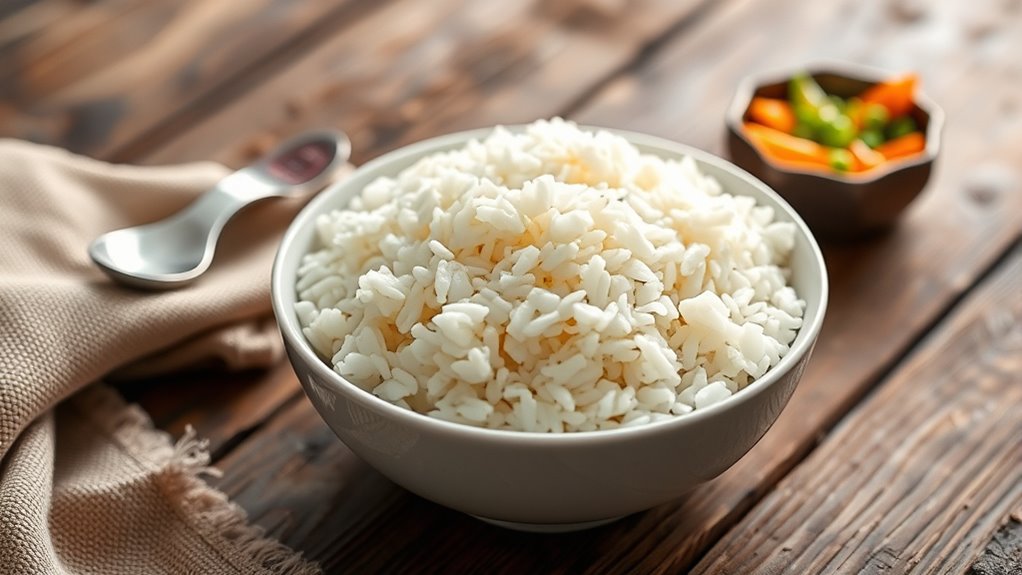
Portion size and preparation methods directly influence white rice’s impact on your health. Practicing portion control helps prevent overeating refined carbs, which can spike blood sugar and contribute to weight gain. Smaller servings allow you to enjoy white rice without overdoing it. Cooking methods also matter: boiling or steaming white rice is healthier than frying or cooking with excessive oil, which adds unnecessary calories and fats. Rinsing rice before cooking can remove surface starch, reducing its glycemic index slightly. Additionally, cooking rice with added ingredients like butter or sugar may alter its health profile negatively. By paying attention to portion sizes and choosing healthier preparation techniques, you can enjoy white rice as part of a balanced diet without compromising your health.
Can White Rice Be Part of a Healthy, Balanced Diet? Tips to Eat Smarter
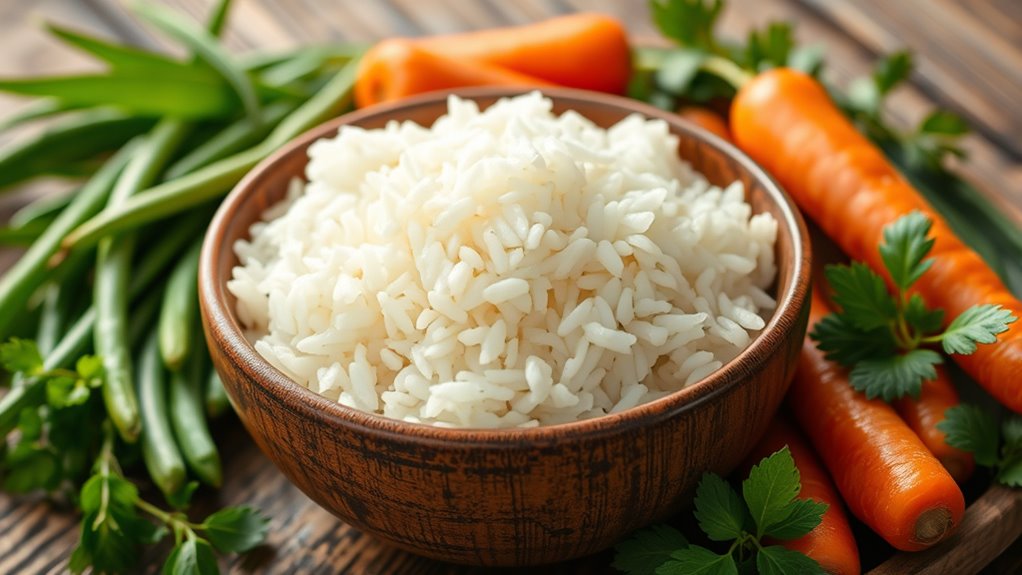
While white rice has a reputation for being less healthy than whole grains, it can still fit into a balanced diet when eaten thoughtfully. Respect its cultural significance and enjoy it as part of traditional dishes. To eat smarter, focus on cooking methods that preserve nutrients, like steaming or boiling instead of frying. Combine white rice with colorful vegetables, lean proteins, and healthy fats to boost its nutritional profile. Portion control is key; serving moderate amounts prevents overeating. Pairing rice with fiber-rich foods slows digestion and helps manage blood sugar. Additionally, understanding the nutritional differences between white rice and other grains can help you make informed choices. Being aware of grain processing techniques can also guide healthier selection. Remember, balance and mindful choices matter—white rice can be a versatile, satisfying part of your diet when integrated carefully. Incorporate these strategies to enjoy white rice without compromising your health.
Who Should Be Careful When Eating White Rice? Risks and Precautions
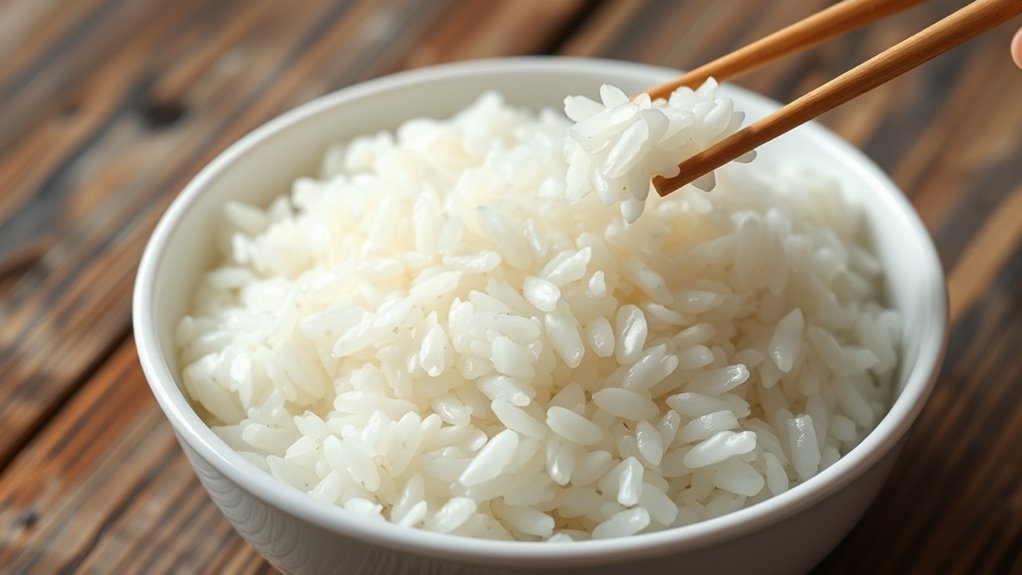
If you have diabetes or are at risk, you should be cautious with white rice because it can cause blood sugar spikes. Those watching their weight might want to limit intake to avoid excess calories and carbs. Additionally, if you have digestive sensitivities, white rice could trigger discomfort, so pay attention to how your body responds. To support overall health, choosing whole grain alternatives can provide more fiber and nutrients. Incorporating complex carbohydrates into your diet can also help maintain stable blood sugar levels. Understanding glycemic index values can further guide you in selecting healthier carbohydrate options.
Diabetes Risk Factors
People with existing health conditions or those at risk for developing diabetes should be cautious when eating white rice. High consumption can spike blood sugar levels, especially if your diet lacks fiber intake. To reduce risk, focus on carbohydrate quality—opt for portion control and pairing white rice with fiber-rich foods. Be mindful if you have:
- A family history of diabetes
- Insulin resistance or prediabetes
- Obesity or excess abdominal fat
- A sedentary lifestyle with little physical activity
These factors can increase the likelihood of blood sugar spikes after eating white rice. Balancing your meals with vegetables, lean proteins, and whole grains helps manage carbohydrate impact. Staying informed about your risk factors empowers you to make healthier choices.
Weight Management Concerns
Anyone aiming to manage their weight should be cautious with white rice, as it can contribute to calorie intake without providing much satiety. Although it offers carbohydrate benefits, these carbs can quickly spike blood sugar levels and lead to overeating later. To better understand its impact, consider this table:
| Feeling Full? | Energy Levels | Long-Term Effects |
|---|---|---|
| Low satiety from white rice | Fluctuating energy | Increased fat storage |
| Quick hunger return | Crashes and cravings | Weight gain risk |
| Less fiber benefits | Less sustained energy | Difficulty maintaining weight |
Pay attention to portion sizes and pair white rice with fiber-rich foods to balance your diet. Ultrasound can be a helpful tool for assessing the nature of any abnormalities if you notice unusual symptoms. Carbohydrate concerns mean moderation is key for weight management. Incorporating grooming needs and regular health checks can also support overall health and weight goals.
Digestive Sensitivities
White rice’s high glycemic index and low fiber content can pose digestive challenges for certain individuals. If you have gluten sensitivity or a sensitive stomach, eating white rice might lead to discomfort or bloating. Its low fiber intake doesn’t support healthy digestion, which can worsen symptoms for some people. You should be cautious if you experience frequent indigestion or irregular bowel movements after consuming white rice.
Visualize these scenarios:
- Feeling bloated after a meal
- Experiencing stomach cramps
- Struggling with irregular bowel movements
- Noticing increased sensitivity to gluten-containing foods
If you have gluten sensitivity, white rice might still be safe, but monitor your body’s response. Consider adding fiber-rich foods to your diet to support digestion and reduce sensitivities.
Should You Avoid White Rice? Making an Informed, Context-Dependent Decision
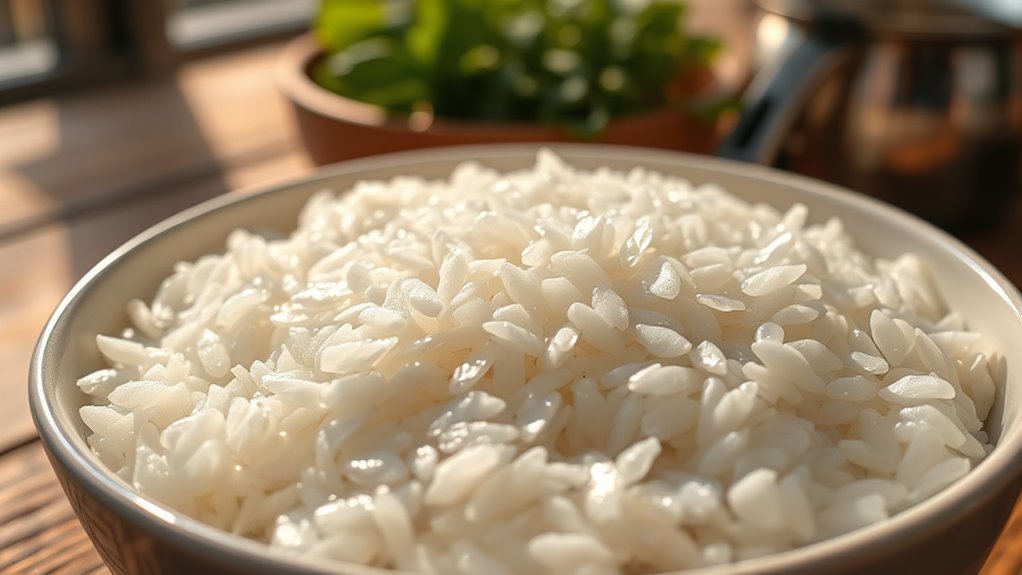
Deciding whether to avoid white rice depends on understanding its nutritional differences and how it affects your blood sugar levels. You should consider how it fits into your overall diet and health goals. Making an informed choice means weighing these factors based on your individual needs. Additionally, understanding the nutritional composition of white rice can help you make better dietary decisions. Recognizing the glycemic index of white rice can further guide you in managing blood sugar responses effectively.
Nutritional Content Differences
While white rice is often criticized for its nutritional profile, understanding its actual content can help you make more informed choices. Its grain glycemic index is higher than whole grains, meaning it can cause quicker blood sugar spikes. When you compare nutrients, white rice has fewer vitamins, minerals, and fiber than brown rice or other whole grains.
Consider this nutrient comparison:
- Lower in fiber, which aids digestion
- Fewer B vitamins and magnesium
- Similar calorie content but less nutrient-dense
- Lacks the antioxidants found in unprocessed grains
Despite its lower nutrient density, white rice still provides energy and some essential nutrients. Recognizing these differences helps you determine whether white rice fits your diet, especially when balancing other nutrient sources.
Impact on Blood Sugar
Because white rice has fewer nutrients than whole grains, many people also consider how it affects blood sugar levels. White rice tends to produce a rapid glycemic response, causing blood sugar to spike quickly after eating. This spike can lead to increased insulin impact, which may contribute to insulin resistance over time if consumed excessively. Your body’s response to white rice varies based on factors like portion size, cooking method, and what it’s paired with. For some, eating moderate amounts may have minimal effects, while others might experience significant blood sugar fluctuations. Understanding how white rice influences your blood sugar helps you make better choices. If you’re managing diabetes or insulin sensitivity, you might need to be more cautious, but in a balanced diet, white rice can fit in without major issues.
Overall Dietary Context
Your overall dietary pattern plays a essential role in determining whether white rice fits into your nutrition plan. If your meals focus on whole foods, vegetables, lean proteins, and healthy fats, incorporating white rice can be acceptable. Consider how cultural significance influences your choices, as rice is a staple in many traditions and celebrations. Your cooking methods also matter—boiling or steaming preserves nutrients and keeps it simple, while frying or adding sugary sauces can increase calories and reduce its healthfulness. Think about balance: white rice can be part of a nutritious meal if paired with fiber-rich vegetables and proteins. Ultimately, your context—personal health goals, cultural practices, and meal composition—guides whether white rice is a suitable addition.
Frequently Asked Questions
Can White Rice Be Beneficial for Athletes or Active Individuals?
White rice can be beneficial for athletes or active individuals because of its quick digestibility, making it ideal for sports nutrition and carbohydrate timing around workouts. You’ll get rapid energy replenishment, helping you recover faster and fuel your performance. Its high carbohydrate content supports glycogen stores, essential for endurance and strength. Just remember, balancing white rice with other nutrient-dense foods ensures you maximize its benefits without overdoing it.
How Does White Rice Consumption Affect Blood Sugar Levels in Diabetics?
White rice can send your blood sugar soaring like a rocket, causing a rapid glycemic response. You’ll see your insulin impact spike, making your blood sugar levels swing wildly. If you’re diabetic, this quick surge can be dangerous, leading to tiredness or cravings later. To manage this, pair white rice with fiber or protein, slowing digestion and helping keep your blood sugar steady.
Are There Specific Cooking Methods That Make White Rice Healthier?
Yes, certain cooking techniques can make white rice healthier. Opt for methods like boiling or steaming to enhance nutrient retention and reduce added fats. Rinsing rice before cooking removes excess starch, lowering the glycemic impact. Cooking rice with a bit of broth or adding vegetables can boost fiber and nutrient content. These techniques help you enjoy white rice while maximizing its nutritional benefits and managing blood sugar levels better.
What Are Alternative Grains to White Rice for a Balanced Diet?
When you’re looking to diversify your diet, don’t put all your eggs in one basket. Try whole grain alternatives like quinoa, brown rice, or barley, which pack more nutrients. Plant-based grains such as millet or farro also make great options, offering fiber and minerals. These choices help balance your meals and boost your health, proving that sometimes, a little variety is the spice of life.
How Does White Rice Fit Into Gluten-Free or Allergy-Sensitive Diets?
White rice fits well into gluten-free and allergy-sensitive diets because it’s naturally gluten-free and unlikely to trigger common allergies. You can confidently include it in meals, ensuring gluten-free compliance and avoiding allergy considerations. Just be mindful of cross-contamination during processing. Its versatility makes it a safe, nutritious option that supports a balanced diet while accommodating dietary restrictions.
Conclusion
While white rice has its critics, it can fit into a healthy diet when eaten in moderation and paired with nutrient-rich foods. Don’t dismiss it outright—like many foods, its health impact depends on portion size, preparation, and overall dietary balance. If you’re mindful of these factors, you can enjoy white rice without guilt. Remember, no single food defines your health; smart choices and variety are what truly matter.
NFL season / tailgating Picks
team gear
As an affiliate, we earn on qualifying purchases.