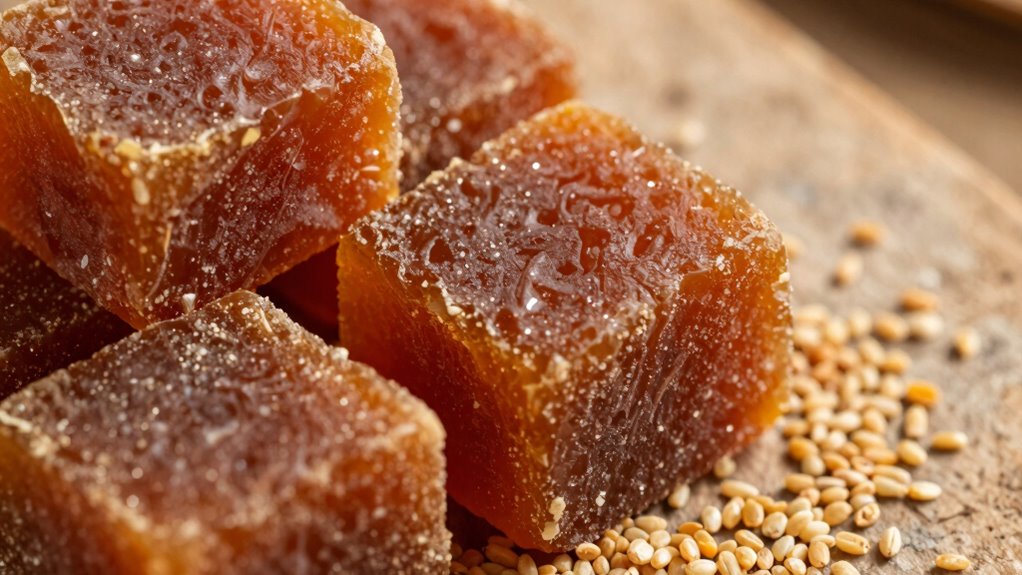

Jaggery is a natural, minimally processed sweetener made from sugarcane or date palm sap, known for its rich flavor and cultural importance. It stands out because it retains more nutrients and antioxidants compared to refined sugars. You’ll find it adds a deep, caramel-like taste to dishes, along with health benefits like boosting digestion and immunity. To uncover how to choose, use, and appreciate jaggery’s unique personality, keep exploring what makes it a truly special sweetener.

Get kitchen staples and gadgets delivered free — and shop member deals
- Fast, free delivery on millions of items
- Access to Prime Big Deal Days deals on October 6–7
- Prime Video, Amazon Music and more included
Key Takeaways
- Jaggery is a traditional, minimally processed sweetener rich in nutrients and antioxidants.
- Its deep, complex flavor reflects cultural heritage and authentic preparation methods.
- Jaggery enhances dishes with a caramel-like taste and pairs well with spices.
- It is valued for its health benefits, including improved digestion and mineral content.
- Selecting high-quality, organic jaggery ensures authentic flavor and nutritional integrity.
As an affiliate, we earn on qualifying purchases.
What Is Jaggery and Why Is It a Popular Natural Sweetener?
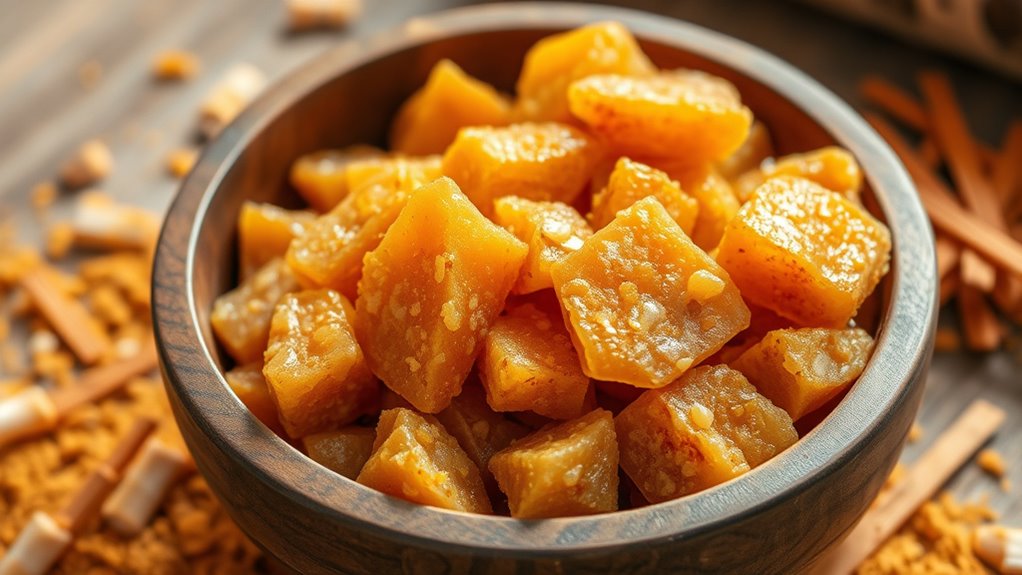
Have you ever wondered what makes jaggery such a beloved natural sweetener? It all starts with traditional harvesting methods that have been passed down through generations. Farmers extract sap from sugar-rich crops like date palms and sugarcane, then carefully boil it down to form solid, unrefined blocks. This process preserves natural nutrients and gives jaggery its rich flavor. Beyond its production, jaggery holds deep cultural significance in many communities, symbolizing health, prosperity, and tradition. It’s often used in religious rituals, festivals, and everyday cooking, connecting people to their roots. Unlike refined sugars, jaggery offers a wholesome alternative rooted in history and customs. Its natural sweetness and cultural ties make it a treasured part of culinary and spiritual life for many.
natural unrefined jaggery powder
As an affiliate, we earn on qualifying purchases.
As an affiliate, we earn on qualifying purchases.
What Makes Jaggery Unique Compared to Other Sugars?

What sets jaggery apart from other sugars is its minimal processing and natural composition. Unlike refined sugars, jaggery retains most of the natural nutrients from the sugarcane or palm sap it’s made from. This gives it a rich, complex flavor that’s deeply rooted in tradition. Its cultural significance runs across many regions where it’s used in festivals, rituals, and daily cooking, highlighting its integral role in heritage. The traditional preparation process involves boiling the juice and manually shaping the solidified product, preserving its authenticity. This craftsmanship ensures jaggery remains closer to its natural state, making it not just a sweetener but a symbol of cultural identity and culinary history. Additionally, the color accuracy of traditional jaggery processing helps preserve its natural appearance and flavor nuances, further setting it apart from industrialized sugars. Moreover, the natural composition of jaggery contributes to its popularity as a healthier alternative, as it contains trace minerals and antioxidants. Its minimal processing techniques are vital in maintaining these nutritional benefits and authentic qualities.
As an affiliate, we earn on qualifying purchases.
Health Benefits of Jaggery: Nutritional and Medicinal Insights

Jaggery isn’t just a flavorful traditional sweetener; it also offers several health benefits due to its rich nutritional profile. It contains antioxidants that help neutralize free radicals, supporting your overall health. Additionally, jaggery promotes digestive health by stimulating enzymes that aid in digestion and relieve bloating. Its mineral content, like iron and magnesium, can boost energy and strengthen immunity. Here’s a quick overview:
| Benefit | Details |
|---|---|
| Antioxidant Properties | Protects cells from oxidative stress |
| Digestive Health | Enhances digestion and relieves constipation |
| Nutritional Value | Supplies essential minerals and vitamins |
Incorporating jaggery into your diet can be a natural way to enjoy these medicinal benefits.
health benefits jaggery supplements
As an affiliate, we earn on qualifying purchases.
As an affiliate, we earn on qualifying purchases.
How to Use Jaggery in Cooking and Baking
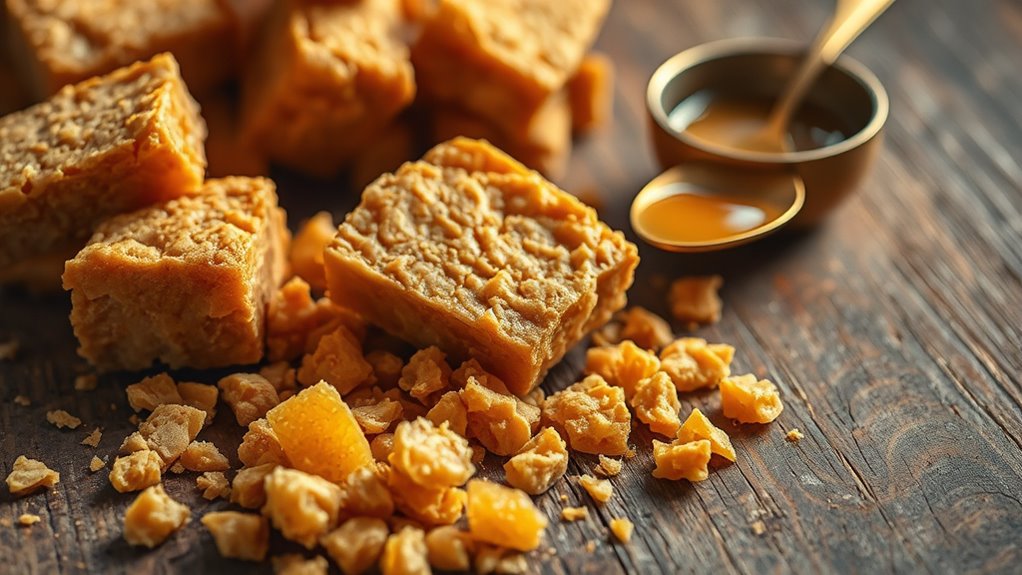
Incorporating jaggery into your cooking and baking adds a rich, caramel-like flavor that enhances a variety of dishes. Use it as a natural sweetener through different sweetening techniques, such as dissolving it in warm liquids or grating it into batters. When baking, you can substitute jaggery for sugar to add depth and complexity. Its robust flavor pairs well with spices like ginger, cinnamon, and cardamom, making it perfect for desserts, puddings, and even savory dishes like lentil stews. To guarantee even distribution, melt jaggery before mixing it into your ingredients. Remember, the unique flavor of jaggery can elevate simple recipes, creating a distinctive taste that highlights its personality as a sweetener. Additionally, choosing halal-certified jaggery ensures that your cooking adheres to halal dietary guidelines.
How to Choose the Best Jaggery: Tips for Quality Selection

Choosing high-quality jaggery guarantees you get the full richness and depth of its unique flavor. Start by checking the organic sourcing; opt for jaggery labeled as organic to ensure it’s free from chemical additives and pesticides. Look for color indicators—dark brown or deep amber usually signifies pure, unrefined jaggery with robust flavor, while lighter shades may indicate adulteration or processing. Feel the texture: it should be firm yet crumbly, not overly sticky or hard. Smell it to detect a natural, earthy aroma—artificial scents mean lower quality. When selecting jaggery, prioritize transparency from the seller about its origin. Additionally, examining the water resistance of the jaggery can help identify its purity, as authentic unrefined jaggery tends to resist melting easily under moisture. Authentic jaggery is often produced through traditional methods that preserve its natural halal standards, ensuring you receive a product that offers authentic taste and maximum health benefits. Furthermore, understanding the net worth of producers can provide insights into the quality and authenticity of the jaggery you choose. A trusted source can also help guarantee the authenticity and overall quality of the product.
Frequently Asked Questions
Can Jaggery Be Stored for Long Periods Without Spoilage?
Yes, you can store jaggery for long periods without spoilage if you follow proper storage practices. Keep it in an airtight container in a cool, dry place to prevent moisture absorption, which can cause spoilage. Avoid exposure to direct sunlight and humidity, as these factors can reduce its storage longevity. Properly stored, jaggery remains fresh for months, ensuring you enjoy its sweet, rich flavor whenever you want.
Is Jaggery Suitable for People With Diabetes?
You might think jaggery is a healthy alternative, but it’s not ideal for diabetes management. Jaggery contains natural sugars that can spike blood sugar control, making it risky for people with diabetes. While some believe it’s better than refined sugar, it still affects blood sugar levels. If you’re managing diabetes, it’s best to limit jaggery intake and opt for healthier sweeteners that support blood sugar control.
How Does Jaggery Affect Blood Sugar Levels?
Jaggery can impact your blood sugar levels because it causes a spike in blood sugar regulation and insulin response. While it’s often considered healthier than refined sugar, eating too much can still lead to increased blood sugar levels. You should consume jaggery in moderation, especially if you’re managing diabetes, to avoid disrupting your insulin response and maintaining better blood sugar control.
Are There Different Types of Jaggery Based on Region?
Like a tapestry woven with diverse threads, jaggery comes in regional varieties that showcase unique flavor profiles. You’ll find different types based on region, each with distinct tastes and textures—some earthy and robust, others sweet and mellow. These variations reflect local traditions and ingredients, giving you a rich palette to explore. So, when you choose jaggery, you’re embracing a world of regional flavors, each telling its own story through sweetness.
What Are the Environmental Impacts of Jaggery Production?
You might wonder about jaggery production’s environmental impact. It generally has a lower carbon footprint compared to refined sugars, especially when produced with sustainable farming practices. However, large-scale jaggery making can lead to deforestation, water overuse, and waste management issues. By supporting producers who prioritize eco-friendly methods, you help reduce negative effects and promote sustainable farming that benefits both the environment and local communities.
Conclusion
So, next time you reach for a sweetener, consider jaggery—nature’s golden gift that’s more than just sugar. Its rich history and health benefits remind us that sweetness isn’t just about flavor but also about tradition and wellness. Like a hidden treasure, jaggery offers a world of complexity in every spoonful, inviting you to explore and savor a natural delight that’s truly one of a kind. Embrace it, and let your palate discover its sweet personality.
NFL season / tailgating Picks
team gear
As an affiliate, we earn on qualifying purchases.