Japanese cooking feels clean, precise, and deep because of its careful presentation that respects ingredients and emphasizes simplicity. The focus on natural flavors, with techniques highlighting clarity and purity, creates a balanced taste experience. Dish arrangements reflect harmony and craftsmanship, incorporating seasonal elements that connect you to nature. This meticulous approach results in dishes that are both elegant and deeply flavorful. Explore further to discover how these cultural values shape such a unique culinary tradition.

Get kitchen staples and gadgets delivered free with Prime
- Fast, free delivery on millions of items
- Prime Video, Amazon Music and more included
- Member-only deals all year
Key Takeaways
- The emphasis on simplicity and minimalism in presentation highlights cleanliness and clarity in Japanese dishes.
- Use of seasonal ingredients and natural elements fosters a sense of purity and harmony with nature.
- Techniques focus on enhancing natural flavors, creating deep umami profiles that add richness without heaviness.
- Precise craftsmanship and meticulous plating reflect cultural values of respect and attention to detail.
- The balance of flavors and aesthetic harmony elevates the sensory experience, making dishes feel refined and profound.
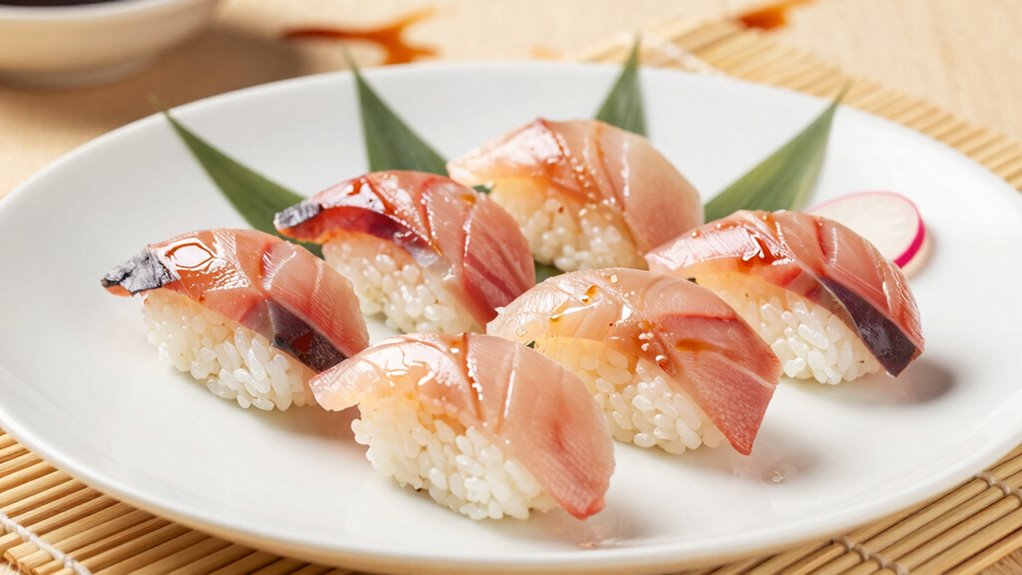
Japanese cooking embodies a sense of cleanliness, precision, and depth that sets it apart from other cuisines. When you sit down to enjoy a meal, you’ll notice how each dish is thoughtfully arranged, reflecting the importance of traditional plating. This meticulous presentation isn’t just about making food look appealing; it’s about respecting the ingredients and creating a harmonious visual balance. Every element on your plate is carefully placed, emphasizing simplicity and elegance. The way the food is arranged invites you to appreciate its natural beauty and freshness, making the dining experience more mindful and immersive.
Japanese cuisine celebrates elegance through thoughtful presentation, honoring ingredients with harmony, simplicity, and natural beauty.
You’ll find that Japanese dishes emphasize clarity and purity, which is why the techniques used often highlight the natural flavors of the ingredients. This approach extends to the use of umami flavor, a cornerstone of Japanese cuisine. Umami isn’t just a taste; it’s an experience that deepens the overall flavor profile of each dish. Whether it’s a well-made dashi broth, soy sauce, or fermented foods like miso, the umami enhances the ingredients without overwhelming them. As you taste these dishes, you’ll notice how the depth of flavor feels balanced and refined, giving each bite a satisfying richness that’s subtle yet profound.
The emphasis on traditional plating also aligns with the cultural values of respect and harmony. You learn to appreciate the visual composition, understanding that the aesthetics of a dish are just as important as the taste. This respect for tradition means that every plate is crafted with care, often reflecting seasonal themes or natural elements. You might see a carefully placed leaf, a splash of color, or a specific arrangement that speaks to the season. This attention to detail elevates the experience, making each meal a celebration of nature’s bounty and craftsmanship. Additionally, the use of seasonal ingredients enhances the sensory experience by emphasizing freshness and natural flavors.
Furthermore, Japanese cuisine often incorporates seasonal ingredients, highlighting the importance of harmony with nature. In Japanese cooking, the combination of traditional plating and emphasis on umami flavor creates a sensory experience that’s both clean and profound. It’s a culinary philosophy that values clarity, balance, and depth—qualities you can sense in every bite. When you eat Japanese food, you’re not just filling your stomach; you’re engaging with a tradition that honors ingredients, craftsmanship, and aesthetic harmony. This meticulous approach results in dishes that feel precise, elegant, and deeply satisfying, leaving you with a sense of harmony and respect for the culinary art. The aesthetic presentation plays a crucial role in elevating the overall dining experience, making it both visually and gastronomically harmonious.
Products Worth Considering

Instant Pot Pro 8 Qt 10-in-1 Electric Pressure Cooker, Black

Cuisinart Stainless Steel Bread Maker, 12 Programs, 2 lb Capacity

Weber Searwood 600 Wood Pellet Smoker Grill, Black
As an affiliate, we earn on qualifying purchases.
Frequently Asked Questions
How Does Japanese Cuisine Influence Modern Global Cooking Trends?
Japanese cuisine influences modern global cooking trends through fusion techniques and global adaptations. You see chefs blending Japanese ingredients with local flavors, creating innovative dishes that appeal worldwide. This approach emphasizes balance, presentation, and seasonal ingredients, inspiring chefs to experiment beyond traditional boundaries. As a result, Japanese culinary principles promote a fresh, precise, and aesthetically pleasing style that resonates globally, shaping contemporary food trends in diverse culinary scenes.
What Are the Key Ingredients That Define Japanese Culinary Purity?
You’ll notice that key ingredients like dashi, soy sauce, and miso define Japanese culinary purity by highlighting umami richness and seasonal freshness. These ingredients emphasize balance and simplicity, allowing natural flavors to shine. You’re encouraged to use fresh, seasonal produce and subtle seasonings, which preserve the clean, precise, and deep essence of Japanese cuisine. This focus on purity results in dishes that feel both refined and deeply satisfying.
How Do Traditional Japanese Cooking Techniques Enhance Flavor Depth?
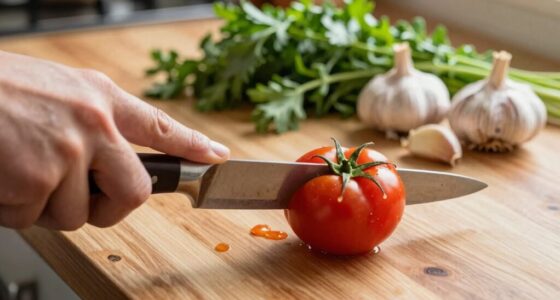
Imagine a master chef meticulously honing their knife—each stroke enhancing flavor. Traditional Japanese techniques, like simmering and precise cutting, focus on technique mastery, which amplifies umami enhancement. These methods extract deep, layered flavors without overpowering, creating a balanced dish. By respecting ingredients and applying skillful techniques, Japanese cooking naturally elevates flavor depth, making every bite feel both refined and profoundly satisfying.
Why Is Presentation so Important in Japanese Dishes?
You should know that presentation is essential in Japanese dishes because it reflects aesthetic minimalism and emphasizes harmony. By focusing on clean, simple arrangements, you highlight the natural beauty of ingredients. Using color harmony, you create visual balance that enhances the dining experience. When you pay attention to presentation, you not only showcase respect for the food but also invite diners to appreciate each dish’s elegance and depth.
How Does Japanese Cooking Balance Simplicity and Complexity?
You see, Japanese cooking balances simplicity and complexity through umami harmony and minimalist elegance. You use a few high-quality ingredients to create deep, layered flavors without overwhelming the palate. Techniques are precise yet understated, emphasizing natural tastes and textures. This approach allows you to enjoy dishes that feel both refined and approachable, showcasing the beauty of balance where subtle complexity enhances the overall dining experience.
Conclusion
In the delicate dance of Japanese cuisine, clarity, craftsmanship, and cultural consciousness create a mesmerizing culinary core. By embracing the elegance of simplicity, you experience a rich, refined ritual rooted in respect and restraint. This precision in preparation and presentation transforms eating into an artful event, elevating everyday moments into extraordinary experiences. As you explore these intricate influences, you’ll find that Japanese cooking isn’t just a cuisine—it’s a conscious, crafted connection to culture, craft, and clarity.