🔍 Read the full analysis: Malloreddus Alla Campidanese: Sardinia's Saffron Sausage Pasta on Mad Tasting

Get kitchen staples and gadgets delivered free with Prime
- Fast, free delivery on millions of items
- Prime Video, Amazon Music and more included
- Member-only deals all year
TL;DR
Malloreddus alla Campidanese is a regional Sardinian pasta dish made with ridged semolina pasta, pork sausage, tomato, saffron and pecorino. The supplied Mad Tasting material describes a practical home-cooking guide, while noting that recipes vary and cream is not a defining ingredient.
Mad Tasting has published a guide to malloreddus alla Campidanese, a Sardinian pasta dish associated with the Campidano plain in the island’s south. The guide explains how semolina pasta, pork sausage, tomato, saffron and pecorino come together, and offers a practical approach for cooking the dish at home.
Mad Tasting describes malloreddus as small, ridged pieces of durum wheat semolina pasta. Despite the nickname “Sardinian little gnocchi,” the guide says they are not potato dumplings. It says their grooves help hold a thick sauce, including flecks of sausage and tomato. For cooks outside Sardinia, Mad Tasting suggests dried malloreddus as a practical option and names cavatelli or small pasta shells as possible substitutes.
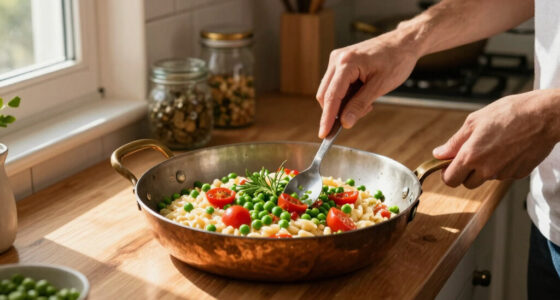
In the Campidanese style presented by Mad Tasting, pork sausage is cooked gently with tomato to make the sauce, while saffron is steeped separately in warm water and added for aroma and color. The guide recommends tossing the cooked pasta with the sauce and some reserved pasta water, which can help it cling to the ridges. Pecorino adds a salty, tangy finish. Mad Tasting says cream is not a defining ingredient.
Mad Tasting assigns distinct roles to the ingredients: sausage contributes savory richness, tomato brings acidity, saffron gives a warm floral aroma, and sheep’s-milk pecorino sharpens the finish. The guide recommends a gentle simmer and restraint with salt and saffron. It also notes that sausage richness can vary, and that a longer simmer and pasta water can help the sauce feel more integrated.
Sardinian food · Campidano
Malloreddus alla Campidanese: Sardinia’s Saffron Sausage Pasta
A practical guide to a regional pasta pairing: ridged semolina shapes, pork sausage, tomato, saffron and pecorino. Recipes vary by cook and family, but the ingredients come together in a warmly savory sauce.
The defining combination
“Sausage richness, tomato brightness, saffron fragrance, pecorino finish.”
Cream is not a defining ingredient in the Campidanese style described by Mad Tasting.
01 / Ingredient roles
A small set of ingredients, each with a job
The sauce balances savory depth with acidity and aroma, then gets a concentrated finish from sheep’s-milk cheese.
Malloreddus
Ridged semolina pasta holds thick sauce in its grooves. It is not potato gnocchi.
Pork sausage
Brings savory fat and depth; richness can vary depending on the sausage.
Tomato
Balances sausage richness and forms the sauce’s bright, familiar base.
Saffron
Steeped in warm water, it adds a floral aroma and golden color.
Pecorino
Sheep’s-milk cheese adds a salty, tangy finish. Season with restraint.
Texture matters
Those ridges are built for sauce.
Malloreddus are small pieces of durum wheat semolina pasta, traditionally shaped by rolling dough over a ridged board or basket. Their curved, textured surface helps catch sausage and tomato. Dried malloreddus are a practical choice; cavatelli or small pasta shells can stand in if needed, with a different shape and bite.
02 / Home-cooking sequence
Build the sauce, then bring it together
No fixed quantities or exact timings are supplied. Follow the pasta package and adjust to your ingredients.
Cook sausage & tomato
Let the sausage and tomato simmer gently so their flavors can meld.
Steep the saffron
Bloom saffron in warm water, then add it to the sauce for aroma and color.
Boil the pasta
Use package directions and taste near the end. Reserve some pasta water.
Toss & add pecorino
Combine pasta and sauce with a splash of water, then finish with pecorino.
03 / Regional character
A recognizable style with room to vary
Mad Tasting presents sausage, tomato and saffron as a familiar Campidanese combination, not a single fixed recipe for every Sardinian household.
Tradition
Measurements and additions differ
There is no universally agreed set of quantities. Some cooks may use herbs, garlic or bay leaf; keeping additions restrained foregrounds the sausage, tomato and saffron.
Name & shape
A traditional interpretation
The name is traditionally linked to malloru, a Campidanese word for bull or calf, sometimes interpreted as “little calves.” This is presented as an interpretation, not confirmed etymology.
Cooking note: A longer gentle simmer and reserved pasta water can help the sauce feel integrated. Keep salt measured, since sausage and pecorino already contribute salt.
No cream required04 / Quick answers
What to know before you cook
A few clear distinctions help preserve the character of the dish, even when you adapt it for your pantry.
What is malloreddus alla Campidanese?
A Sardinian pasta dish associated with Campidano, pairing ridged semolina malloreddus with pork sausage, tomato, saffron and pecorino.
Are malloreddus made with potatoes?
No. They are made from semolina pasta dough. “Sardinian little gnocchi” refers to their small shape, not potato ingredients.
Does the traditional sauce use cream?
The guide says cream is not a defining ingredient. Sausage, olive oil and pecorino provide richness, balanced by tomato.
What can I use if malloreddus are unavailable?
Cavatelli or small pasta shells can carry a thick sauce, though their texture and shape will differ.
A Regional Dish With Room to Vary
Mad Tasting presents malloreddus alla Campidanese as both a recognizable regional combination and a dish shaped by household practice. The guide says there is no single universally agreed set of measurements, and that local cooks may make simpler or more elaborate versions. It identifies sausage, tomato and saffron as a familiar style, rather than the only way Sardinians serve malloreddus.
For home cooks, Mad Tasting explains how the ingredients work together: tomato’s acidity meets the sausage’s richness, saffron adds fragrance without requiring more fat, and pecorino supplies a concentrated, salty finish. The guide says keeping the sauce centered on those elements helps retain the character of the style it describes, even when a cook makes a practical substitution.
Products Worth Considering

Instant Pot Pro 8 Qt 10-in-1 Electric Pressure Cooker, Black

Cuisinart Stainless Steel Bread Maker, 12 Programs, 2 lb Capacity

Weber Searwood 600 Wood Pellet Smoker Grill, Black
As an affiliate, we earn on qualifying purchases.
From Semolina Dough to Sauce
Mad Tasting says the name malloreddus is traditionally linked to malloru, a Campidanese word for bull or calf, and is sometimes interpreted as “little calves.” The guide presents this as a traditional interpretation rather than a settled etymology. It describes the pasta as traditionally shaped by rolling small pieces of dough over a ridged board or basket, giving each piece its curved form and textured surface.
The guide says the shape is useful in a substantial sauce and describes malloreddus as having a springier semolina bite than the soft texture associated with many potato gnocchi. Dried versions are presented as practical for home cooking, while handmade fresh pasta may be softer. If malloreddus are unavailable, Mad Tasting names cavatelli and small pasta shells as alternatives that can carry a thick sauce, while noting their texture and shape will differ.
Recipe Details and Regional Differences
The supplied Mad Tasting material does not provide a publication date, a single authoritative recipe, or fixed ingredient quantities. It says preparations vary among Sardinian cooks and families, including the use of herbs, garlic or bay leaf. The available material also ends during its discussion of Sardinian pork sausage, so further details about sausage styles or sourcing are not established here. Mad Tasting describes the proposed connection between the name and malloru as an interpretation, not a confirmed etymology.
Cooking the Dish at Home
Mad Tasting’s suggested sequence is to cook the sausage and tomato gently, steep saffron in warm water, and boil the malloreddus according to the package directions, tasting near the end of cooking. The guide advises reserving some pasta water, then draining the pasta and tossing it through the sauce with a splash of that water before finishing with pecorino. It gives no exact timings or quantities, so cooks should follow the package directions and adjust the sauce to the pasta and sausage they have.
For substitutions, Mad Tasting suggests cavatelli or small shells as small pasta shapes that can hold sauce, while noting the finished dish will differ from one made with malloreddus. The guide advises keeping additions restrained if the aim is to foreground the sausage, tomato and saffron combination.
Key Questions
What is malloreddus alla Campidanese?
It is a Sardinian pasta dish associated with Campidano, traditionally pairing ridged semolina malloreddus with pork sausage, tomato, saffron and pecorino.
Are malloreddus made with potatoes?
No. Malloreddus are made from semolina pasta dough. The phrase “Sardinian little gnocchi” refers to their small shape, not potato-based ingredients.
Does the traditional sauce use cream?
The Mad Tasting guide says cream is not a defining ingredient. It describes richness coming from sausage, olive oil and pecorino, balanced by tomato.
What can I use if I cannot find malloreddus?
The guide suggests cavatelli or small pasta shells because their shapes can hold a thick sauce. Their texture and shape differ from malloreddus.
Source: Mad Tasting