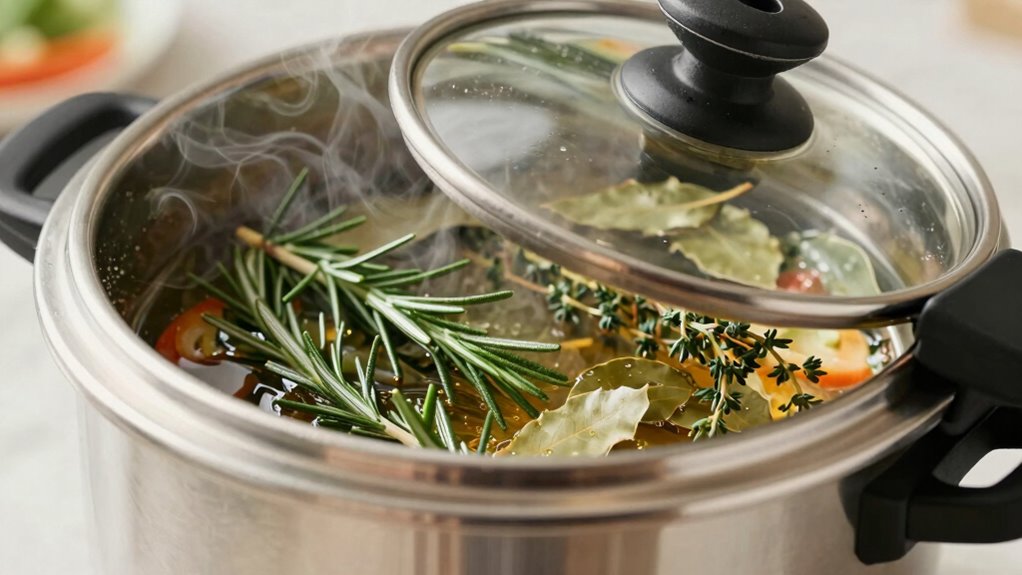

Pressure cooking boosts aromatic flavors by trapping steam and raising temperatures, which helps infuse herbs and spices deeply into your dish. However, adding aromatics too early can dull their brightness, as prolonged heat destroys delicate oils and volatile compounds. To keep flavors fresh and vibrant, it’s best to add delicate herbs and garlic later, while sturdier spices benefit from early inclusion. Keep uncovering tips to perfect your aromatic balance.
Key Takeaways
- Pressure cooking enhances aromatic flavors by trapping steam, releasing volatile compounds, and intensifying infusion when aromatics are added early.
- Adding herbs and spices early deepens flavor but risks dulling delicate aromatics due to prolonged heat exposure.
- For fresh, subtle herbs, adding aromatics later preserves brightness and prevents flavor loss.
- Delicate aromatics like parsley or garlic benefit from late addition, while robust spices can be added early for deeper flavor.
- Proper timing and measurement prevent over-infusion and maintain a balanced, vibrant aromatic profile.
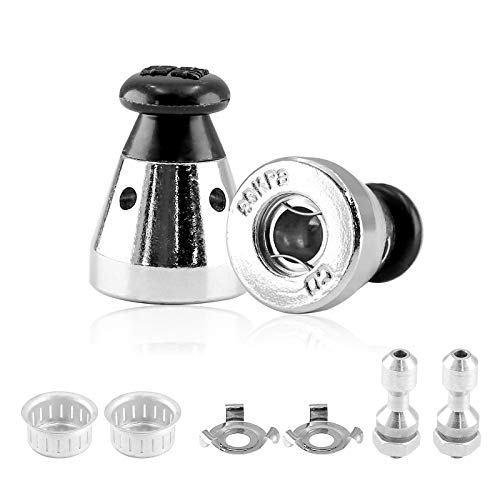
Bonsicoky Universal Pressure Cooker Relief Jigger Valve, 2PCS
- Package Includes: 2 valves, covers, brackets, exhaust rod
- Material: Stainless steel and high-quality plastic
- Size: 28x38mm with 10mm inner hole
As an affiliate, we earn on qualifying purchases.
As an affiliate, we earn on qualifying purchases.
How Pressure Cooking Enhances Aromatic Flavors
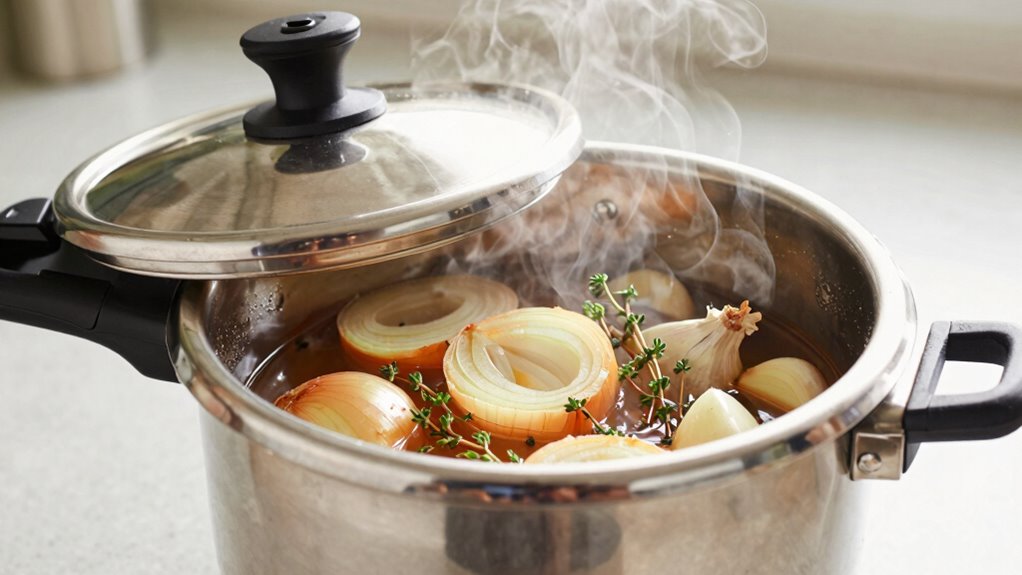
Pressure cooking intensifies aromatic flavors by trapping steam and increasing the temperature inside the pot. This process promotes aromatic infusion, where heat helps release volatile compounds from herbs, spices, and aromatics into the dish. As steam builds up, it surrounds ingredients, allowing flavors to meld more thoroughly and quickly. The high-pressure environment enhances flavor extraction, leading to richer, more vibrant tastes. You’ll notice that ingredients like garlic, onions, and spices become more fragrant and pronounced after pressure cooking. This flavor enhancement isn’t just about intensifying aroma—it also helps develop complex layers of taste that might take longer with traditional methods. Additionally, pressure cooker technology ensures that these aromatic compounds are efficiently released and infused, making the cooking process more effective. The enclosed environment also minimizes the escape of volatile compounds, preserving essential oils, which intensifies aroma and flavor. The sealed environment facilitates aromatic infusion, allowing flavors to penetrate ingredients more deeply. Furthermore, understanding the thermal environment inside a pressure cooker helps explain how heat impacts flavor development and retention. Ultimately, pressure cooking amplifies aromatic infusion, resulting in dishes that are deeply flavorful and aromatic with less effort.
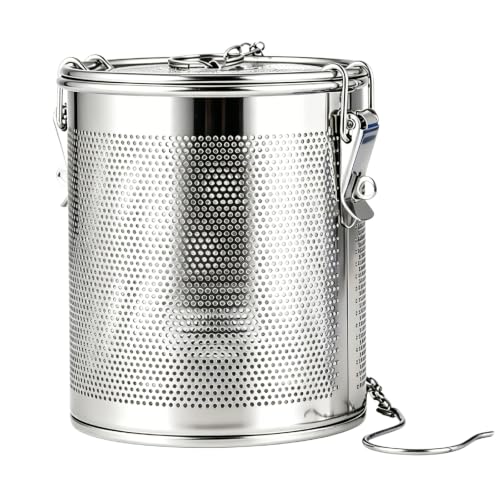
Seasoning Strainer, Stainless Steel Spice Filter, Cooking Spice Filter, Mesh Design Tea Ball Strainer Soup Seasonings Seperation Basket Filter with Chain Hook for Home Restaurant (10x11cm-(0.86L))
- Precise Filtering: Separates ingredients from soup effectively
- Food Grade Material: Made of durable 304 stainless steel
- Heat Resistant: Withstands high temperatures for long use
As an affiliate, we earn on qualifying purchases.
As an affiliate, we earn on qualifying purchases.
When Is the Best Time to Add Aromatics in Pressure Cooking?
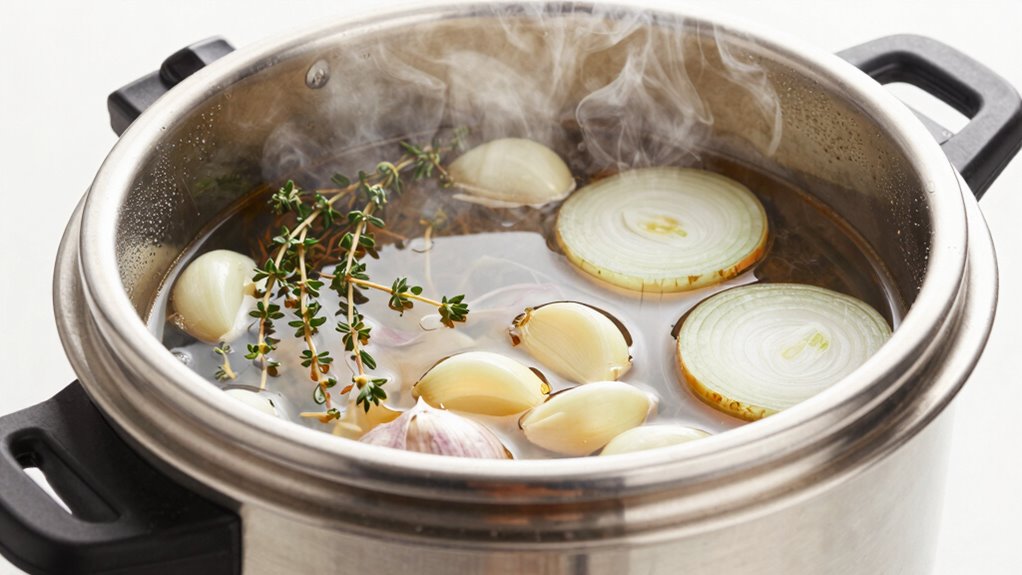
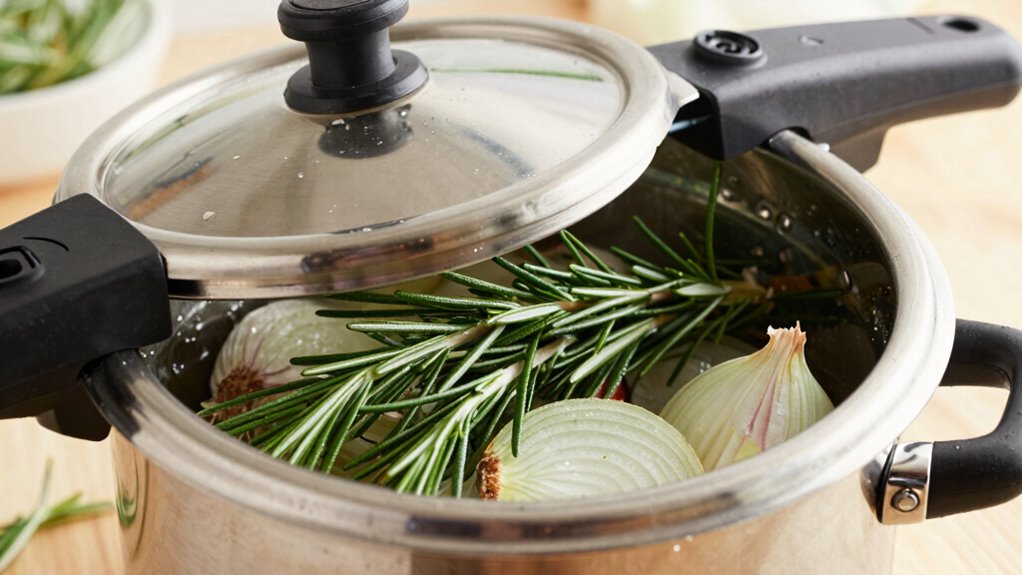
To maximize the aromatic impact, it’s best to add herbs, spices, and aromatics at the right stage of pressure cooking. Generally, adding aromatics early allows for deep aromatic layering, infusing the dish during cooking. For robust herb combinations, add them at the beginning so their flavors meld fully. However, delicate herbs and fresh aromatics, like parsley or ginger, are better added later or after pressure release, preserving their brightness. Timing depends on the intensity you want; stronger spices benefit from early addition, while subtle aromatics should be added closer to the end. This strategic timing ensures your dish develops complex flavors without dulling or overpowering the aromatics. Adjust the timing based on the herbs’ strength and the desired aromatic profile.

Joie Leaf Herb Stripper, Quickly Removes Leaves from Stems, Six Holes of Varying Sizes, Stainless Steel, Durable Tool, BPA-Free, Time-Saving Kitchen Gadget, Dishwasher Safe
- Contains: Includes one herb stripper
- Efficient Herb Removal: Quickly strips leaves from stems
- Leaf-Shaped Design: Fun, ergonomic herb stripper shape
As an affiliate, we earn on qualifying purchases.
As an affiliate, we earn on qualifying purchases.
Why Adding Aromatics Later Keeps Them Fresh and Bright
Adding aromatics later in the cooking process helps preserve their fresh, bright flavors because they are exposed to less heat and time, which can cause aromatic degradation. When you introduce herbs, garlic, or spices later, you allow their herbal infusion to develop without losing their vibrant notes. High heat over extended periods can dull aromatic complexity, making flavors muddy or muted. By adding aromatics toward the end, you maintain their aromatic brightness and clarity. This approach prevents their delicate oils and volatile compounds from dissipating, ensuring a lively, fresh flavor profile. The result is a more aromatic dish that retains the nuanced herbal infusion you intended, rather than a dull, flattened taste caused by prolonged exposure to pressure cooking’s intense heat.

Moongiantgo 7.5L Black Garlic Fermenter, Automatic Intelligent Control Garlic Fermenter Natto, Yogurt, Kimchi, Wine Fermenter Machine, Garlic Cooker with Precise Time Temperature Control, 110V (Brown)
- Capacity: 7.5L for various fermentations
- Wide Application: Suitable for garlic, yogurt, natto, wine
- Adjustable Settings: Customizable time and temperature
As an affiliate, we earn on qualifying purchases.
As an affiliate, we earn on qualifying purchases.
Common Mistakes That Dull Aromatic Flavors: And How to Avoid Them
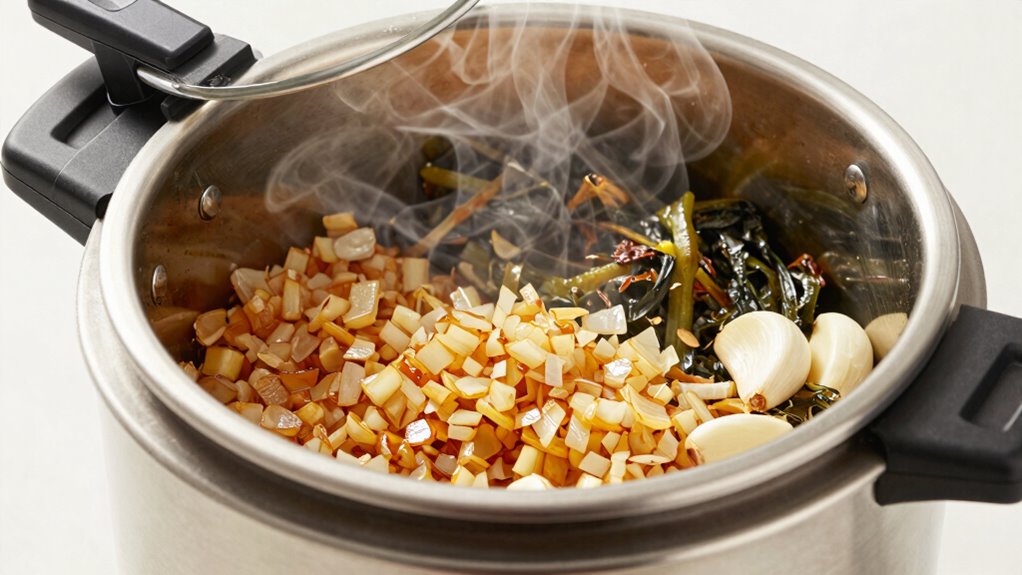
One common mistake that dulls aromatic flavors is overcooking herbs and spices, which causes their delicate oils and volatile compounds to dissipate. Over seasoning mistakes often lead to aromatic overloads, overwhelming the dish and masking subtle flavors. When you add too much or cook aromatics for too long, their bright, fresh qualities fade, resulting in dull, muted tastes. To avoid this, measure herbs and spices carefully and add them at the right time—usually later in the cooking process—to preserve their aromatic potency. Keep in mind that more isn’t always better; excessive seasoning can overshadow other ingredients. Being mindful of cooking times and amounts helps preserve aromatic qualities and ensures your aromatics enhance rather than diminish the overall flavor of your pressure-cooked dish.
Tips for Balancing Aromatic Intensity in Your Pressure-Cooked Dishes
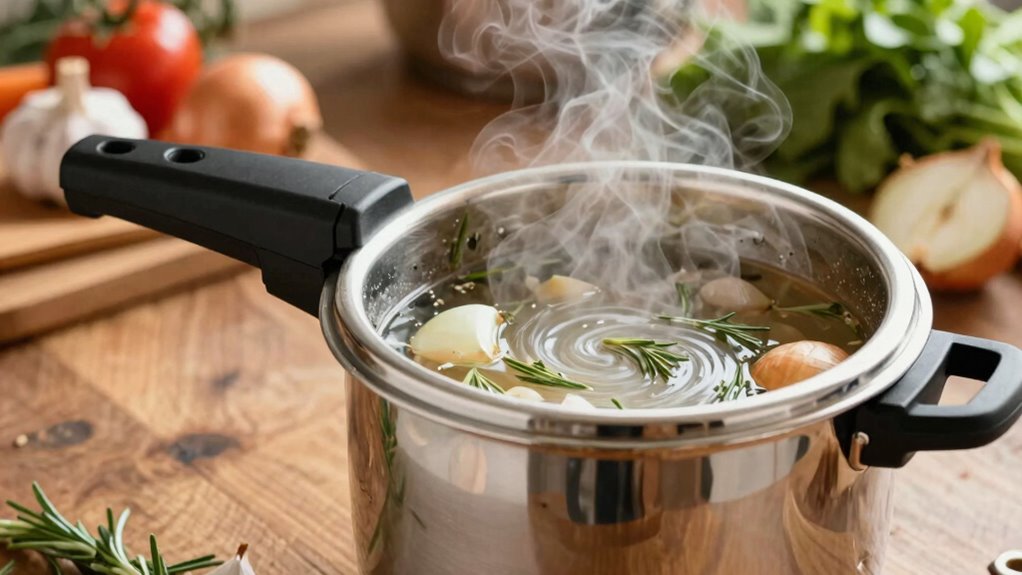
To keep your dishes flavorful without overpowering, use aromatics sparingly. Adjust your cooking time to release just enough aroma without becoming too intense. Small tweaks can make a big difference in balancing aromatic flavors perfectly.
Use Aromatics Sparingly
Although it might be tempting to pack your pressure cooker with aromatic ingredients, using too many can overpower the dish and obscure its natural flavors. To strike the right balance, use herbs sparingly and focus on complementary herbal pairings that enhance, not mask, the main ingredients. When choosing spice combinations, stick to a few well-chosen spices instead of overwhelming the dish. This restraint allows the dish’s core flavors to shine through while still benefiting from aromatic accents. Remember, pressure cooking intensifies flavors, so a small amount of aromatics goes a long way. By using aromatics sparingly, you ensure your dish remains flavorful and well-balanced without dulling its natural taste. Less truly is more when it comes to aromatics in pressure cooking. Additionally, being mindful of halal ingredients ensures your dish aligns with dietary standards and avoids non-halal additives.
Adjust Cooking Time
Balancing aromatic intensity in pressure-cooked dishes often requires adjusting the cooking time to prevent overpowering flavors. If you find that aromatic infusion is too strong, reducing the cooking time can help diminish their impact, allowing subtle flavors to shine through. Conversely, extending the cooking time may deepen aromatic infusion, but watch out for flavor masking, where aromas become dull or muddled. Shorter cooking times preserve the fresh, vibrant qualities of aromatics, while longer times can cause their flavors to fade or become bitter. Experiment with slight adjustments to find the right balance for your dish. Proper timing ensures aromatics enhance rather than overwhelm, giving you control over aromatic intensity and a well-rounded flavor profile. Understanding flavor dynamics can help guide these adjustments to achieve optimal taste balance. Additionally, understanding the impact of cooking duration on flavor extraction can further refine your approach.
How to Adjust Aromatic Timing for Different Ingredients and Recipes
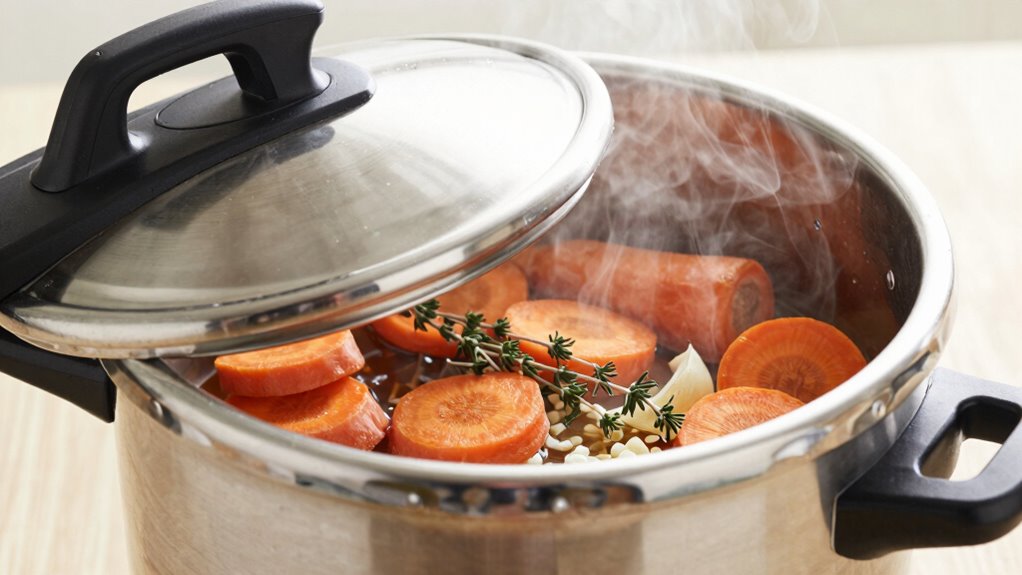
Understanding how ingredient aromatic sensitivity influences timing helps you get the best flavor. Some ingredients release their aroma quickly, so add them later in the cooking process, while others need longer to develop their essence. Adjusting aromatic timing ensures your dish maintains a balanced and vibrant flavor profile. Being aware of ingredient palatability can further refine your approach to aromatic addition. Additionally, considering cooking vessel heat retention can help control how quickly aromas are released and preserved during cooking. Recognizing kitchen appliance security can also inform better practices to protect kitchen gadgets connected to smart home systems. Moreover, understanding the characteristics of specific ingredients can help you tailor your aromatic timing for optimal flavor development.
Ingredient Aromatic Sensitivity
Different ingredients release their aromatic flavors at varying rates, so adjusting the timing of when you add aromatics is essential for ideal results. Some herbs, like garlic and onions, are quick to release flavor and benefit from early addition, while delicate herbs such as basil or parsley should be added later to preserve aroma. Understanding aromatic sensitivity helps you avoid dulling flavors or overpowering dishes. Additionally, using smart‑home integrations can help you set timers and reminders to optimize aromatic introduction during cooking. To refine your aromatic approach:
- Use herb pairing to match strong aromatics with robust ingredients and more delicate herbs with subtle ones.
- Substitute aromatic ingredients thoughtfully, considering their release rates to maintain balance.
- Adjust timing based on ingredient sensitivity to maximize flavor extraction without sacrificing freshness.
- Incorporating sound healing science insights, such as utilizing specific frequencies, can also enhance your overall cooking environment and flavor perception.
Timing for Flavor Extraction
Timing is crucial for extracting the full flavor of aromatics in your pressure-cooked dishes. When you add aromatics too early, they can become over-infused, leading to dull or muted flavors and reduced flavor retention. To maximize aromatic infusion without dulling their impact, introduce delicate ingredients like herbs and garlic closer to the end of cooking, allowing their flavors to develop fully without losing brightness. For tougher ingredients like root vegetables or spices, longer cooking times ensure thorough extraction. Adjust timing based on the ingredient’s sensitivity: brief infusions preserve fresh notes, while extended pressure allows deeper flavor extraction. By carefully controlling aromatic timing, you optimize flavor retention and prevent aromatics from becoming overcooked or bland. Understanding aromatics and their optimal timing can significantly enhance the overall flavor of your dishes.
Recipe Aromatic Balance
Adjusting aromatic timing based on ingredients and recipes is key to achieving balanced and vibrant flavors. To do this effectively, consider the following:
- Start with herbal pairings that complement your main ingredients, adding freshness without overpowering the dish.
- Incorporate spice combinations at different cooking stages—early for depth, late for brightness—to optimize flavor extraction.
- Adjust aromatic addition based on the desired intensity; delicate herbs like parsley benefit from later addition, while robust spices like cumin can be added earlier.
Troubleshooting Aromatic Flavor Loss in Pressure Cooking

When aromatic flavors seem to fade during pressure cooking, it’s often because the intense heat and sealed environment can cause delicate herbs and spices to lose their potency. To troubleshoot this, focus on enhancing aromatic infusion before sealing the lid. Add sturdy herbs and spices early to allow flavors to develop, but consider delaying the addition of delicate aromatics like fresh herbs or citrus zest until after pressure cooking. This helps maximize flavor retention. You can also try releasing pressure naturally, which prevents sudden temperature drops that can diminish aromatics. Additionally, using a small cheesecloth bundle of herbs or spices that can be easily removed ensures you don’t over-extract and dull the flavors. Incorporating AI-driven data analytics can help you better understand which aromatics retain their flavor best under pressure, guiding you to optimize your cooking process. Understanding flavor retention through data can further refine your approach. Employing pressure cooking techniques that preserve delicate flavors can make a significant difference. These steps help preserve your aromatics and maintain vibrant, balanced flavors, especially as content creation tools continue to evolve and support recipe development.
Frequently Asked Questions
Can Pressure Cooking Eliminate the Need for Added Aromatics?
Pressure cooking can help preserve the natural flavors of ingredients, reducing the need for added aromatics. However, it often dulls aromatic intensity because the high heat and pressure can break down delicate flavor compounds. If you want a richer, more layered taste, adding aromatics is still beneficial. So, while pressure cooking can eliminate the need for some aromatics, for ideal flavor preservation, adding them can enhance overall flavor complexity.
Do Different Pressure Cookers Affect Aromatic Flavor Retention?
Different pressure cookers can affect aromatic flavor retention due to material variations and seal integrity. You’ll find that stainless steel cookers often preserve flavors better, while aluminum ones might dull aromatic intensity. Proper seal integrity is vital; a well-sealed lid traps more aroma, enhancing flavor. If the seal leaks, you risk losing delicate aromatic compounds, diminishing their impact. Choose a cooker with good material quality and guarantee the seal is tight for maximum flavor retention.
How Do Altitude and Pressure Settings Influence Aromatic Extraction?
Altitude impacts your aromatic extraction because higher elevations require pressure adjustments to maintain proper cooking temperatures. When you cook at altitude, you should increase the pressure setting to compensate for lower boiling points, ensuring flavors release properly. Without these adjustments, aromatics might not fully develop, or some flavors could dull. Consequently, understanding how altitude influences pressure helps you optimize aromatic extraction and enhances your overall cooking results.
Are There Specific Aromatics That Don’T Benefit From Pressure Cooking?
You’ll find that certain aromatics, like delicate herbs, don’t benefit from pressure cooking because they’re herb-sensitive and tend to break down quickly. When exposed to high pressure and heat, their flavors dull or become bitter, which diminishes their aromatic impact. To preserve their freshness and aroma, add these herbs after cooking or use gentle methods, ensuring their delicate qualities stay intact without aromatic breakdown.
How Can I Enhance Aromatic Flavor Without Overcooking Ingredients?
To enhance aromatic flavor without overcooking, add delicate ingredients like fresh herbs or garlic after pressure cooking. This preserves their flavor and prevents them from becoming dull or bitter. Focus on flavor preservation by timing additions carefully, especially with sensitive ingredients. You can also use smaller amounts during pressure cooking and boost flavor with a quick sauté afterward, ensuring your aromatics stay vibrant without losing their essence.
Conclusion
Understanding when and how to add aromatics in pressure cooking can elevate your dishes considerably. Did you know that adding aromatics at the right time can boost flavor intensity by up to 30%? By avoiding common mistakes and adjusting your timing, you’ll bring out the freshest, brightest flavors. Remember, a little experimentation can help you find the perfect balance for each recipe. Master these tips, and your pressure-cooked meals will always impress!