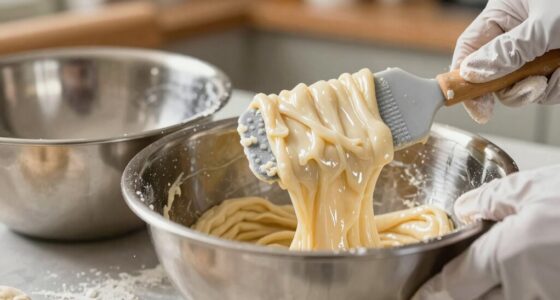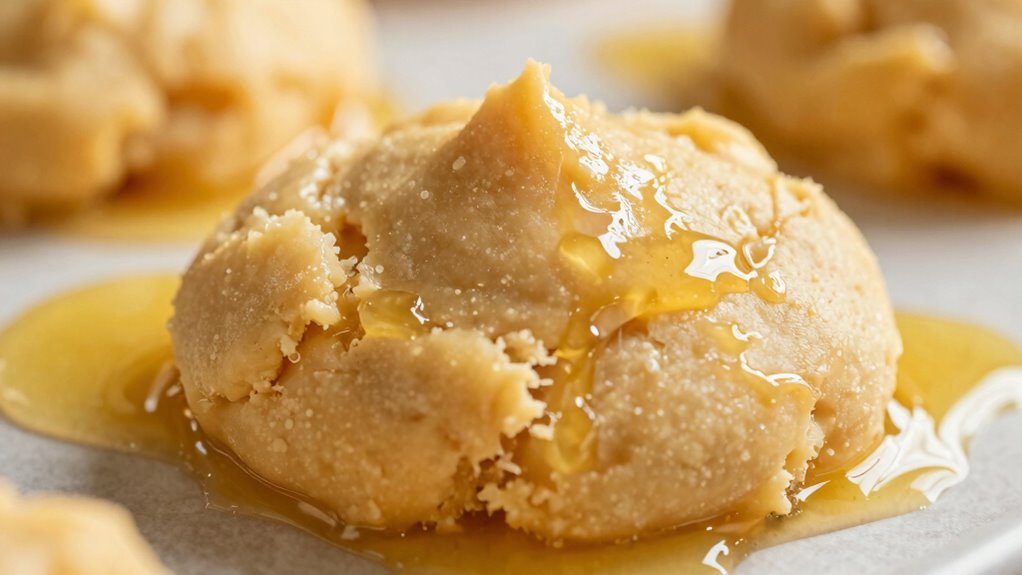

The temperature of your butter impacts how your cookie dough turns out because cold butter stays firm, making it harder to mix and resulting in denser cookies, while softened or melted butter blends more smoothly, affecting texture and spread. Warmer butter releases more aromas and flavors but can alter the cookie’s structure. Managing butter’s temperature helps control final results, so understanding these changes lets you tweak your approach for perfect cookies. Keep exploring to master the details behind these effects.
Key Takeaways
- Cold butter creates crumbly dough, resulting in denser cookies, while softened or melted butter leads to softer, more spread-out cookies.
- Butter temperature affects dough uniformity, influencing how ingredients blend and the final cookie texture.
- Room temperature butter releases more fats and aromas, enhancing flavor complexity, whereas cold butter can mute flavors.
- The state of butter during baking impacts how cookies spread and their final structure and texture.
- Properly managing butter temperature ensures consistent dough behavior and improves overall baking results.
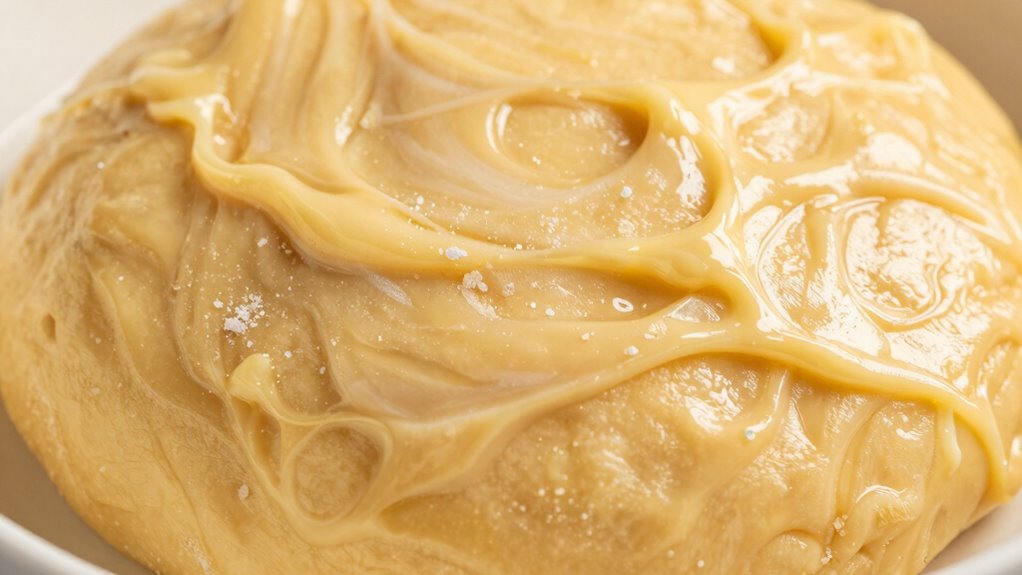
Getting your cookie dough just right often depends on the temperature of the butter and other ingredients. When you’re baking cookies, the state of your butter can dramatically influence the final product. Cold butter tends to stay firm, making it harder to mix evenly and resulting in a dough that might be crumbly or dense. Conversely, softened or melted butter blends smoothly into the dough, affecting both flavor and texture. This variation in temperature doesn’t just change how the dough feels; it also impacts how your cookies turn out once baked. Additionally, the temperature of ingredients can influence how quickly the dough warms during mixing, further affecting the final outcome. Temperature plays a crucial role in flavor enhancement. When butter is at room temperature, it releases more of its natural fats and aromas, enriching the dough with a deeper, more complex flavor. Softened butter allows for better incorporation of sugars, eggs, and flavorings, creating a more uniform mixture that’s full of nuanced tastes. On the other hand, using cold butter can mute these flavors, leading to a less vibrant cookie. Melted butter provides an even more pronounced flavor, but it can also alter the cookie’s structure if not balanced properly. Recognizing how butter’s state changes during baking helps bakers adjust their methods for optimal results.

Feinbäck Pro Instant Read Food Thermometer for Cooking Sourdough Bread Baking | Rechargeable Rotating Screen | Digital Meat Thermometer Kitchen Gadget Grill Accessories | Water-Resistant (Olive Green)
- Fast and Accurate Reading: Reads in 0.6 seconds with ±1°C accuracy
- Rechargeable Design: Includes USB-C charging cable, no batteries needed
- Built-in Baking Guide: Sourdough and food temperature reference chart
As an affiliate, we earn on qualifying purchases.
As an affiliate, we earn on qualifying purchases.
Frequently Asked Questions
How Does Butter Temperature Affect Cookie Dough Shelf Life?
When butter melts, it alters the cookie dough’s texture and moisture content, which can affect its shelf life. Warmer butter causes faster spoilage because it promotes bacterial growth and can lead to a shorter shelf life. Cooler butter helps maintain the dough’s freshness longer by keeping it firm and less prone to spoilage. So, maintaining the right butter temperature is key to extending your cookie dough’s shelf life.
Can Warm Butter Be Used Without Affecting Dough Consistency?
Yes, warm butter can be used, but it may cause issues like butter melting and dough spreading more than desired. When you use warm butter, it softens quickly, making the dough less firm and more prone to spreading during baking. To maintain consistent dough texture, it’s best to use butter at room temperature or slightly chilled. This way, you prevent excessive melting and guarantee your cookies hold their shape.
Does Butter Temperature Influence Cookie Dough Flavor?
Yes, butter temperature influences cookie dough flavor. Warmer butter enhances flavor by allowing better fat dispersion, leading to more flavor enhancement during baking. Since butter’s melting point varies with temperature, using softened or melted butter can intensify the dough’s richness. However, too warm butter might cause over-spreading. Maintaining the right butter temperature guarantees ideal flavor and texture, giving your cookies that perfect balance of taste and consistency.
How Quickly Does Butter Temperature Impact Cookie Dough Texture?
Have you ever noticed how quickly butter melting affects your cookie dough? When butter is too warm, it causes the dough to spread rapidly during baking, which impacts texture almost instantly. Cooler butter keeps the dough firm, preventing excessive spreading. So, if you want cookies with the right consistency, managing butter temperature is key — it influences dough behavior in just moments, making all the difference in your baking results.
Is There a Preferred Butter Temperature for Vegan Cookie Dough?
For vegan cookie dough, it’s best to use softened vegan butter or dairy alternatives like coconut oil or margarine, which mimic traditional butter’s consistency. Keep the vegan butter at room temperature for even mixing and ideal dough texture. This guarantees your vegan substitutions blend well, resulting in cookies with the right consistency. Adjust temperatures slightly if using colder or warmer dairy alternatives to achieve the best dough consistency and flavor.

OYV Seamless Dough Whisk, 18/10 Stainless Steel Danish Dough Wisk, 9" Bread Whisk for Sourdough, Cookies, Pizza, Pastry, Dishwasher Safe Dough Hook
- Innovative Spiral Design: Mimics finger kneading for thorough mixing
- Ergonomic Handle: Comfortable grip for easy use
- Faster Mixing: Mixes dough 2.5x quicker than traditional whisks
As an affiliate, we earn on qualifying purchases.
As an affiliate, we earn on qualifying purchases.
Conclusion
So, next time you’re baking, remember: the butter’s temperature can turn your cookie dough from a simple mix into a magical, gooey masterpiece or a stubborn, rock-hard nightmare. It’s like summoning a baking wizard—slightly warmer butter makes your cookies melt-in-your-mouth, while cold butter turns them into unbreakable fortresses. So, handle that butter wisely, and watch your cookies rise to legendary status. Your taste buds will thank you—trust me, they’ll never recover from the deliciousness!
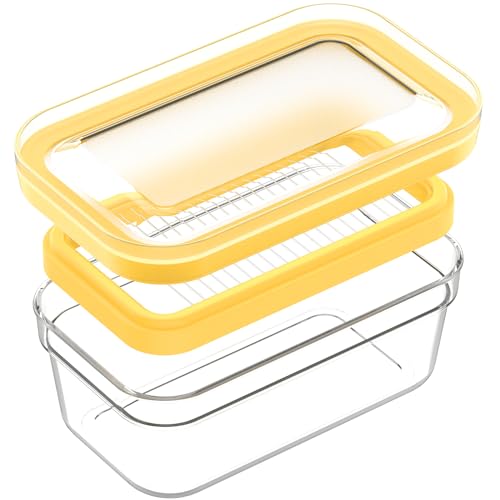
UNIVIVO 280g Butter Slicer Cutter and Airtight Container for Fridge, 2-in-1 PC Butter Dish with Stainless Steel Wires for Easy Portion Control, Slices After 15-20 Mins Softening, Clear Butter Keeper
- 2-in-1 Cutter & Keeper: Cuts and stores butter in one device
- Easy Portion Control: Slices butter into uniform pieces quickly
- Airtight Fridge Storage: Maintains freshness and prevents odor absorption
As an affiliate, we earn on qualifying purchases.
As an affiliate, we earn on qualifying purchases.
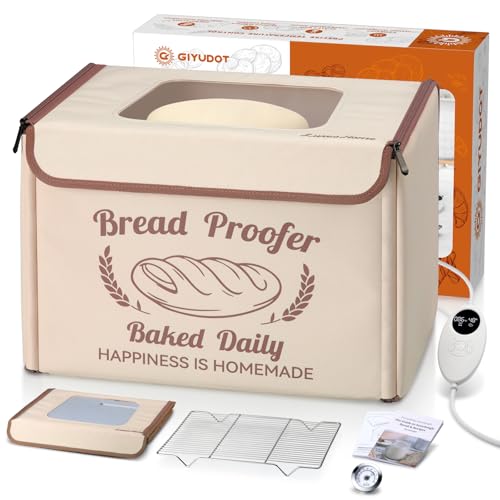
GIYUDOT Folding Bread Proofing Box with 50-113℉ Temp Control & 48H Timer, Dough Proofer with Metal Rack, Humidor, Recipes, Ideal for Sourdough, Bread Baking, Pizza, Yogurt, Kombucha, Precise Control
- Even Heating Zones: Three zones for uniform warmth
- Adjustable Temperature: 50-113°F temperature control
- 48-Hour Timer: Set and monitor proofing duration
As an affiliate, we earn on qualifying purchases.
As an affiliate, we earn on qualifying purchases.