If you’re searching for vanilla extract, the honest answer is that the best choice depends on whether you want to make your own or buy a finished product. The Grade A Ugandan Vanilla Beans 25 Pack earned my best overall spot because Ugandan beans carry an unusually bold, creamy flavor that punches through baked goods better than most Madagascar options, and the 25-pack hits the sweet spot between price per bean and freshness. For beginners, the Homemade Vanilla Extract Kit removes all guesswork by bundling beans, a bottle, and a guide, while the Amber Premium Vanilla Bean Paste is the fastest route to intense speckled vanilla flavor without any waiting. The main tradeoffs in this category are cost versus convenience, whole beans versus ready-to-use products, and waiting months for DIY extract versus paying a premium for shelf-ready options. Keep reading for the full breakdown of all ten products.

Get kitchen staples and gadgets delivered free — and shop member deals
- Fast, free delivery on millions of items
- Access to Prime Big Deal Days deals on October 6–7
- Prime Video, Amazon Music and more included
Key Takeaways
- Ugandan beans consistently offered bolder, creamier flavor than Madagascar beans at similar prices, which is why the Ugandan 25-pack took the top spot over the more familiar Madagascar options.
- Buying vanilla beans in bulk cuts the per-bean cost dramatically — the 50-count packs cost roughly half as much per bean as the 10-count packs, but only make sense if you’ll use or freeze them within a few months.
- The DIY extract kit is the cheapest path to true single-fold vanilla extract long-term, but it requires 8–12 weeks of waiting before the extract is usable.
- Vanilla bean paste delivers the visual appeal of real bean specks and concentrated flavor instantly, making it the best shortcut for custards and ice cream where appearance matters.
- Clear vanilla is the only option here suited to white cakes and frostings where vanilla’s natural color would stain — but it’s synthetic, so purists should skip it entirely.
| Grade A Fresh & Plump Ugandan Vanilla Beans for Baking & Extracts – 50 Pack |  | Best Bulk Buy for Serious Extract Makers | Quantity: 50 beans | Grade: Grade A | Origin: Uganda | VIEW LATEST PRICE | See Our Full Breakdown |
| Madagascar Vanilla Beans 15 Count |  | Best Starter Pack for First-Time Extract Makers | Quantity: 15 beans | Grade: Grade A | Origin: Madagascar | VIEW LATEST PRICE | See Our Full Breakdown |
| Homemade Vanilla Extract Kit |DIY| – 1oz Gourmet Grade A Madagascar Vanilla Beans, 8.5oz Glass Extract Bottle, and Guidebook |  | Best Gift and Beginner Kit | Vanilla Beans: 1oz (approx. 7–11 beans) | Bean Length: 5–8 inches | Glass Bottle: 8.5oz | VIEW LATEST PRICE | See Our Full Breakdown |
| Madagascar Vanilla Beans 25 Count |  | Best Value for Madagascar Beans | Quantity: 25 beans | Grade: Grade A | Origin: Madagascar | VIEW LATEST PRICE | See Our Full Breakdown |
| 12 Pack 4 oz Vanilla Extract Bottles, Amber Glass with Twine and Labels |  | Best for Gifting Homemade Extract | Quantity: 12 bottles | Capacity: 4 oz each | Material: Amber glass | VIEW LATEST PRICE | See Our Full Breakdown |
| Grade A Fresh & Plump Ugandan Vanilla Beans for Baking & Extracts – 10 Pack |  | Best Small-Batch Starter Beans | Grade: Grade A | Origin: Uganda | Quantity: 10 beans | VIEW LATEST PRICE | See Our Full Breakdown |
| Grade A Fresh & Plump Ugandan Vanilla Beans for Baking & Extracts – 25 Pack |  | Best for DIY Extract in Volume | Grade: Grade A | Origin: Uganda | Quantity: 25 beans | VIEW LATEST PRICE | See Our Full Breakdown |
| Amber Premium Pure Vanilla Bean Paste 150g / 4 fl oz – Made with Madagascar Vanilla Extract |  | Best Ready-to-Use Vanilla Product | Size: 150g / 4 fl oz | Base: Madagascar vanilla extract with bean specks | Form: Paste, no-heat application | VIEW LATEST PRICE | See Our Full Breakdown |
| Ann Clark Premium Clear Vanilla Extract |  | Best for White Frostings and Icings | Type: Clear vanilla extract (flavoring) | Color impact: None — leaves batters and icings white | Ingredients: Premium vanilla flavoring | VIEW LATEST PRICE | See Our Full Breakdown |
| Madagascar Vanilla Beans 50 Count |  | Best Bulk Buy for Extract Makers | Grade: Grade A | Origin: Madagascar (bourbon vanilla) | Quantity: 50 beans | VIEW LATEST PRICE | See Our Full Breakdown |
| vanilla extract | Quantity | Origin | Grade |
|---|---|---|---|
| Grade A Fresh & Plump Ugandan | 50 beans | Uganda | Grade A |
| Madagascar Vanilla Beans 15 Co | 15 beans | Madagascar | Grade A |
| Homemade Vanilla Extract Kit | | — | — | — |
| Madagascar Vanilla Beans 25 Co | 25 beans | Madagascar | Grade A |
| 12 Pack 4 oz Vanilla Extract B | 12 bottles | — | — |
| Grade A Fresh & Plump Ugandan | 10 beans | Uganda | Grade A |
| Grade A Fresh & Plump Ugandan | 25 beans | Uganda | Grade A |
| Amber Premium Pure Vanilla Bea | — | — | — |
| Ann Clark Premium Clear Vanill | — | USA | — |
| Madagascar Vanilla Beans 50 Co | 50 beans | Madagascar (bourbon vanilla) | Grade A |
More Details on Our Top Picks
Grade A Fresh & Plump Ugandan Vanilla Beans for Baking & Extracts – 50 Pack
Anyone planning to make extract in volume needs beans by the pound, and this 50-pack of Ugandan Grade A beans brings the lowest per-bean cost in the lineup. Ugandan vanilla leans bold and smoky with creamy, chocolate-adjacent notes, which gives homemade extract more backbone than the softer Madagascar pods in the 15 and 25 count packs. The two harvests per year mean these arrive fresher than beans that sit in warehouses between seasons, and the high oil content translates to faster flavor infusion into alcohol. The tradeoff is commitment: this is a lot of beans for a casual baker, and if they dry out before you use them, the value advantage evaporates.
Pros:- Lowest per-bean cost in the roundup for extract-making volume
- Bold, smoky Ugandan flavor profile that stands up in baked goods
- Fresh, oily, plump beans with strong aroma thanks to two harvests per year
- Non-GMO verified and organically grown sourcing
Cons:- Large quantity risks beans drying out before a casual baker finishes them
- Ugandan flavor is more assertive than Madagascar — not ideal for delicate custards
Best for: Extract makers and frequent bakers who go through vanilla quickly and want a lower cost per bean
Not ideal for: Occasional bakers — 50 beans will likely dry out before a hobbyist can use them
- Quantity:50 beans
- Grade:Grade A
- Origin:Uganda
- Flavor Profile:Bold, smoky, creamy
- Best Use:Homemade extract, baking, sauces
- Sourcing:Ethically sourced, non-GMO, organically grown
Our verdict“Buy this if you make extract in serious batches and want bold flavor at the best price per bean.”
Madagascar Vanilla Beans 15 Count
Fifteen beans is the sweet spot for a first batch of extract — enough to fill a standard bottle at the recommended ratio without a drawer full of leftovers. These Grade A Madagascar bourbon pods deliver the classic sweet, creamy, floral vanilla that most people expect in desserts, making them a safer starting point than the smokier Ugandan 50-pack. The high moisture and vacuum sealing mean easy scraping and good aroma out of the box. Compared with the 25 count Madagascar pack, you pay a bit more per bean, but that premium buys flexibility: you can experiment with a small batch before committing to larger quantities.
Pros:- Classic sweet, creamy Madagascar bourbon flavor
- Right quantity for a single first batch of extract
- High-moisture pods with abundant seeds for easy scraping
- Vacuum-sealed for freshness and longer shelf life
Cons:- Higher cost per bean than larger packs
- Only enough for one modest extract batch or a handful of desserts
Best for: First-time extract makers and bakers wanting to try whole beans without a big investment
Not ideal for: Anyone making multiple bottles of extract — the per-bean cost is higher than the 25 or 50 count packs
- Quantity:15 beans
- Grade:Grade A
- Origin:Madagascar
- Bean Length:6–7 inches
- Flavor Profile:Sweet, creamy, floral (bourbon vanilla)
- Packaging:Vacuum-sealed
- Best Use:Extract, baking, ice cream, custards
Our verdict“The low-commitment way to try whole-bean vanilla — perfect for one experimental batch.”
Homemade Vanilla Extract Kit |DIY| – 1oz Gourmet Grade A Madagascar Vanilla Beans, 8.5oz Glass Extract Bottle, and Guidebook
For someone who has never made extract, this kit removes every guesswork barrier: beans, bottle, and a guidebook with 40 recipes arrive together in a gift-ready box. Compared with buying the Madagascar 15 Count alone, you get less vanilla by weight — roughly 7 to 11 beans versus 15 — but the included glass bottle and instructions justify the premium for a true beginner. The guidebook matters more than it sounds; extract ratios and infusion timelines trip up newcomers, and this kit answers those questions up front. The real drawback is patience: extract takes weeks to develop, and the beans run out quickly if you want a second batch.
Pros:- All-in-one kit with beans, glass bottle, and detailed guidebook
- Guidebook includes 40 recipes and extraction tips
- Attractive gift box makes it ready to give as-is
- Quality Madagascar beans suited to classic extract flavor
Cons:- Only about 7–11 beans — limited to a single small batch
- Requires weeks of waiting before the extract is usable
- More expensive per bean than standalone packs
Best for: Gift-givers and complete beginners who want everything needed for a first extract project in one box
Not ideal for: Experienced extract makers — buying beans in bulk like the Ugandan 50-pack is far more economical
- Vanilla Beans:1oz (approx. 7–11 beans)
- Bean Length:5–8 inches
- Glass Bottle:8.5oz
- Included Book:The Art of Extract Making (40 recipes)
- Shelf Life:1 year before opening
- Packaging:Decorative gift box
Our verdict“The easiest entry point into DIY extract and a genuinely giftable one — just don’t expect volume.”
Madagascar Vanilla Beans 25 Count
This pack splits the difference between the small Madagascar 15 Count and the bulk Ugandan 50-pack: enough beans for two or three extract bottles while keeping the classic Madagascar bourbon flavor that bakers know and love. The per-bean price beats the 15 count, and unlike the Ugandan beans, these pods produce a softer, sweeter extract that works beautifully in custards, ice cream, and shortbread where vanilla shouldn’t dominate. Vacuum sealing preserves the high moisture that makes scraping seeds easy. The compromise is mid-sized quantity — heavy extract makers will still burn through 25 beans fast, and light users risk some drying out.
Pros:- Better per-bean value than the 15 count
- Classic Madagascar flavor ideal for desserts and extract
- High-moisture, plump pods with abundant seeds
- Vacuum-sealed packaging extends shelf life
Cons:- Still pricier per bean than 50-count bulk options
- Mid-size quantity may be too much for casual bakers, too little for volume makers
Best for: Regular bakers who want authentic Madagascar flavor at a better per-bean price than small packs
Not ideal for: High-volume extract makers, who get better economics from the 50-count packs
- Quantity:25 beans
- Grade:Grade A
- Origin:Madagascar
- Bean Length:6–7 inches
- Flavor Profile:Sweet, creamy bourbon vanilla
- Packaging:Vacuum-sealed
- Best Use:Extract, vanilla sugar, syrups, baking
Our verdict“The balanced pick — enough authentic Madagascar beans for several batches without bulk-buy commitment.”
12 Pack 4 oz Vanilla Extract Bottles, Amber Glass with Twine and Labels
Once your extract is ready, this is how you share it. The 12-pack of 4oz amber glass bottles with airtight caps, writable labels, and twine turns a homemade batch into something that looks like a boutique product. The amber glass isn’t just aesthetic — it blocks light that degrades extract over time. Paired with the Ugandan 50-pack, this is a complete gifting pipeline: big bean purchase in, twelve presentable bottles out. Compared with the single 8.5oz bottle in the DIY kit, you get portion control and presentation, though glass fragility and the small capacity mean you’ll juggle multiple bottles for larger batches.
Pros:- Amber glass protects extract from light degradation
- Writable labels and twine give gifts a polished, handmade look
- Airtight caps prevent leaks during storage or travel
- Twelve bottles cover a full extract batch for gifting
Cons:- 4oz capacity means multiple bottles for larger volumes
- Glass is fragile and needs careful handling and shipping
Best for: Homemade extract makers who gift or sell their extract and want professional presentation
Not ideal for: Anyone who hasn’t made extract yet — these are empty vessels, useless without beans and alcohol
- Quantity:12 bottles
- Capacity:4 oz each
- Material:Amber glass
- Closure:Airtight black caps
- Includes:Writable labels, decorative twine
- Best Use:Extract, syrups, oils, gifting
Our verdict“An accessory, not an ingredient — worth it only once you have extract to bottle and share.”
Grade A Fresh & Plump Ugandan Vanilla Beans for Baking & Extracts – 10 Pack
For anyone curious about making their own extract without committing to a bulk buy, this 10-pack of Ugandan Grade A beans hits a sensible entry point. Ugandan vanilla tends toward earthy, chocolatey notes that stand apart from the creamier Madagascar profile found in the Madagascar Vanilla Beans 15 Count, which gives homemade extract a more robust backbone. The plump, oily pods mean higher moisture and better seed yield per bean — an advantage over drier commodity beans that require twice as many pods for the same flavor. Compared with the brand’s own 25-pack, this size costs more per bean, so frequent bakers should scale up. The tradeoff is freshness versus economy: ten beans make roughly one 8-ounce batch of extract, which is limiting if you gift bottles or bake weekly.
Pros:- Plump, oily Grade A pods with high seed yield
- Distinctive earthy Ugandan flavor profile
- Non-GMO Verified and organically grown
- Two growing seasons keep stock fresh
Cons:- Higher cost per bean than the 25 or 50 pack versions
- Only enough for a single small extract batch
Best for: First-time extract makers and occasional bakers who want premium beans without a bulk commitment
Not ideal for: Anyone making extract in volume or gifting multiple bottles — the per-bean cost is higher than larger packs
- Grade:Grade A
- Origin:Uganda
- Quantity:10 beans
- Certifications:Non-GMO Project Verified, gluten-free, sugar-free
- Farming:Organically grown, hand-pollinated
- Best uses:Homemade extract, baking, sauces, desserts
- Curing:Sun-cured
Our verdict“A low-risk way to sample premium Ugandan beans for one small batch of extract before committing to bulk.”
Grade A Fresh & Plump Ugandan Vanilla Beans for Baking & Extracts – 25 Pack
This is where homemade vanilla extract starts to make financial sense. Twenty-five Ugandan beans is enough for a quart-sized batch of extract or several gift bottles, and the per-bean price undercuts the 10-pack meaningfully. The same bold, smoky-sweet Ugandan character carries over, which blends well when paired with Madagascar beans — mixing the two origins, as you could by adding the Madagascar Vanilla Beans 25 Count, creates a more layered extract than either alone. The tradeoff is storage: twenty-five moist beans must be used or properly stored within months, and a fridge or vacuum-sealed container is needed to prevent drying or mold. Occasional bakers will find this quantity overwhelming and would be better served by the smaller pack or by Amber Premium Vanilla Paste for convenience.
Pros:- Meaningfully better per-bean value than the 10-pack
- Enough beans for a large multi-bottle extract batch
- Plump, oily pods with intense aroma
- Reusable pods for vanilla sugar after seeding
Cons:- Requires careful storage to prevent drying or mold
- Overkill for anyone not making extract regularly
Best for: Serious DIY extract makers and holiday gift-bottle producers who can process 25 beans within a few months
Not ideal for: Casual bakers who only scrape a pod occasionally — most of the pack risks drying out before use
- Grade:Grade A
- Origin:Uganda
- Quantity:25 beans
- Certifications:Non-GMO Project Verified, gluten-free, sugar-free
- Farming:Organically grown, hand-pollinated
- Best uses:Bulk extract making, baking, infusions
- Curing:Sun-cured, two harvests per year
Our verdict“The right scale for extract makers producing multiple bottles, provided you can store or process the full quantity promptly.”
Amber Premium Pure Vanilla Bean Paste 150g / 4 fl oz – Made with Madagascar Vanilla Extract
Bean paste is the shortcut that doesn’t feel like a shortcut. This jar delivers Madagascar extract blended with real seed specks, so frostings, custards, and ice cream get both flavor and those visual flecks bakers pay premium for — no splitting, scraping, or steeping required. Compared with the Ugandan bean packs, it trades the ritual and cost-efficiency of DIY for instant, consistent dosing: one teaspoon roughly equals one bean. It also sidesteps the months-long wait of homemade extract entirely. The honest tradeoffs are intensity and price per ounce — paste is among the most expensive ways to buy vanilla, and its concentrated nature can overwhelm delicate recipes if substituted one-for-one with extract. Bakers making clear or white frostings should also note the specks brown the visual, where Ann Clark’s clear extract is the better tool.
Pros:- Real vanilla specks for visual appeal
- No prep — spoon-ready straight from the jar
- Authentic Madagascar flavor
- Vegan and Kosher certified
Cons:- More expensive per ounce than extract or whole beans
- Concentration can overwhelm delicate recipes if over-measured
Best for: Busy bakers who want real-bean flavor and visible specks without the labor of splitting pods
Not ideal for: White or pristine-clear desserts where seed specks are unwanted, and budget buyers watching cost per ounce
- Size:150g / 4 fl oz
- Base:Madagascar vanilla extract with bean specks
- Form:Paste, no-heat application
- Dietary:Vegan, Kosher
- Certification:GMP-certified
- Equivalent:1 teaspoon ≈ 1 whole vanilla bean
Our verdict“The most convenient real-vanilla option here for bakers who value specks and speed over DIY economics.”
Ann Clark Premium Clear Vanilla Extract
Clear vanilla solves one specific problem extremely well: pure white buttercream, fondant, and angel food cake that still tastes like vanilla. Standard extract darkens frostings noticeably, and Amber’s bean paste makes things worse with visible specks — this bottle colors nothing while adding clean, creamy vanilla flavor. It is essentially a flavoring rather than a true oleoresin extract, which matters: purists making creme brulee or true extract-based recipes will find it lacks the depth of real Madagascar or Ugandan beans. Transparency is the bigger issue for comparison shoppers — no volume or concentration is disclosed, so it’s difficult to judge value against conventional extracts per ounce. For wedding cakes, sugar cookies, and snow-white meringues, though, nothing else in this lineup does the job.
Pros:- Adds vanilla flavor without any browning
- Perfect for white icing, fondant, and meringues
- Made with high-quality American ingredients
- Easy, consistent dosing for decorating work
Cons:- Not a true vanilla extract — lacks the depth of real bean products
- No disclosed volume or concentration, making value hard to judge
Best for: Cake decorators and cookie bakers who need vanilla flavor with zero color shift in white frostings and batters
Not ideal for: Purists wanting genuine vanilla complexity for custards or extract-forward recipes
- Type:Clear vanilla extract (flavoring)
- Color impact:None — leaves batters and icings white
- Ingredients:Premium vanilla flavoring
- Origin:USA
- Best uses:White icings, frostings, sugar cookies, meringues
- Volume:Not disclosed by manufacturer
Our verdict“A niche but indispensable tool for pristine-white baked goods, best paired with a real extract for everything else.”
Madagascar Vanilla Beans 50 Count
Fifty vacuum-sealed Madagascar beans is the serious extract-maker’s economy play. At this count, the per-bean cost drops to the lowest in this roundup, and the classic bourbon-vanilla sweetness — creamy, mellow, universally loved — is the safest base for extract destined for gifting or daily baking. The 6–7 inch pods with high moisture mean generous seed counts, and vacuum sealing extends the working window considerably compared with the Ugandan packs, which arrive fresh but demand prompt use. The tradeoffs are real: a 50-bean commitment assumes you’ll make roughly two quarts of extract, and any pods that dry out before use lose potency. Buyers wanting a single origin’s complexity might prefer blending with the 25-pack of Ugandan beans for a more layered result. Casual bakers should skip straight to the 15-count version.
Pros:- Lowest per-bean cost in the roundup
- Classic creamy Madagascar bourbon flavor
- Vacuum-sealed for extended freshness
- Plump 6–7 inch pods with abundant seeds
Cons:- Large upfront commitment for a perishable product
- Single-origin flavor is less complex than blended extracts
Best for: High-volume extract makers and small-batch producers who can process two quarts or more of extract
Not ideal for: Households that scrape a pod a month — the surplus will dry out long before it’s used
- Grade:Grade A
- Origin:Madagascar (bourbon vanilla)
- Quantity:50 beans
- Pod length:Approximately 6–7 inches
- Packaging:Vacuum-sealed for freshness
- Moisture:High-moisture, soft, flexible pods
- Best uses:Homemade extract, vanilla sugar, syrups, desserts
Our verdict“The best value on raw beans if — and only if — you’re making extract in serious volume.”
How We Picked
Because this roundup mixes whole beans, DIY kits, paste, and imitation extract, I judged each product against what it’s actually trying to be rather than forcing a single scoring rubric. For whole beans, the criteria were grade (Grade A versus extract-grade), origin, moisture and pliability, price per bean, and pack size flexibility. For ready-to-use products, I weighed flavor intensity, ingredient purity, versatility across recipes, and convenience. Value played a large role in the ordering: the same Ugandan beans appear in three pack sizes, and I ranked the 25-pack highest because it balances the per-bean savings of bulk buying against the risk of beans drying out before you can use them.
I also prioritized products that serve clearly different buyers, because a beginner making their first batch of extract needs something entirely different from a baker who wants speckled vanilla bean cheesecake tonight. Products that solved a specific problem — like the clear vanilla for white frostings or the amber bottles for gifting homemade extract — ranked well within their niche even if they wouldn’t win a head-to-head flavor contest. Anything with a poor track record on freshness, broken beans on arrival, or misleading grade claims would have been eliminated regardless of price.
| vanilla extract | Origin |
|---|---|
| Grade A Fresh & Plump Ugandan | Uganda |
| Madagascar Vanilla Beans 15 Co | Madagascar |
| Homemade Vanilla Extract Kit | | — |
| Madagascar Vanilla Beans 25 Co | Madagascar |
| 12 Pack 4 oz Vanilla Extract B | — |
| Grade A Fresh & Plump Ugandan | Uganda |
| Grade A Fresh & Plump Ugandan | Uganda |
| Amber Premium Pure Vanilla Bea | — |
| Ann Clark Premium Clear Vanill | USA |
| Madagascar Vanilla Beans 50 Co | Madagascar (bourbon vanilla) |
Factors to Consider When Choosing Vanilla Extract
Choosing between vanilla products comes down to a few decisions most buyers don’t realize they’re making. Before you pick a pack size or a paste, here’s what actually separates a great vanilla purchase from a disappointing one.Origin Matters More Than Most Bakers Realize
Madagascar vanilla is the industry default, and for good reason: it delivers the sweet, creamy, familiar flavor most people associate with vanilla. But Ugandan beans are gaining a loyal following because their higher vanillin content produces a bolder flavor that survives high-heat baking, where subtler beans can fade into the background. Mexican vanilla leans smoky and spiced, while Tahitian vanilla is floral and delicate — better for no-bake applications than cookies. A common mistake is assuming all “Grade A Madagascar” labels mean identical quality; curing practices and freshness vary widely between sellers, and a stale Madagascar bean will taste flat no matter how prestigious the origin sounds. If you bake a lot of cakes and cookies where vanilla competes with chocolate, coffee, or caramel, a bolder origin pays off.
Grade A Versus Extract Grade: Don’t Mix Them Up
Grade A (also called gourmet or prime) beans are moister, more pliable, and meant for recipes where the bean itself is used — scraping seeds into custards, pastry cream, or ice cream base. Extract-grade (Grade B) beans are drier and less attractive, but they actually yield more flavor per dollar when making extract because their lower moisture means more concentrated vanillin. Many first-time extract makers buy Grade A beans out of habit and overpay for a purpose that doesn’t require beauty. The flip side is that some sellers use “extract grade” as cover for old, brittle beans, so read reviews for freshness complaints before buying. A practical rule: Grade A for cooking, extract grade for infusing, and never pay gourmet prices for beans you’re going to soak in vodka.
Pack Size, Price Per Bean, and the Freshness Clock
Vanilla bean pricing is heavily volume-driven — a 50-count pack can cost half as much per bean as a 10-count pack from the same seller. But beans have a shelf life of roughly six months to a year before they dry out and lose potency, so bulk only wins if you have a plan. Freezing beans properly extends their life considerably, and making extract is itself a preservation method, since beans soaked in alcohol stay usable indefinitely. The mistake I see most often is a casual baker buying 50 beans, using six, and letting the rest turn brittle in a pantry. Match the pack size to your actual consumption: 10 packs for occasional bakers, 25 for regulars, 50 only for extract makers or heavy holiday bakers.
DIY Extract Versus Ready-Made: The Real Cost Breakdown
Homemade vanilla extract costs roughly $2–4 per finished ounce when you account for beans and decent vodka, which undercuts many premium bottled extracts — but only after an 8–12 week waiting period while the flavor develops. If you need vanilla for a recipe this weekend, that math doesn’t help you. Kits with bottles and labels add convenience and make genuinely good gifts, which is why the DIY kit ranks highly despite the wait. Ready-made options like paste cost more per ounce but deliver instantly and consistently. A smart middle path many bakers take: buy bottled paste for now, start a DIY batch the same week, and never pay full retail for extract again once the first batch matures.
When Clear Vanilla Is the Right Answer
Clear vanilla is always synthetic — real vanilla extract is naturally brown, and no process makes genuine vanillin colorless. That doesn’t make it useless: for white cakes, sugar cookies, royal icing, and wedding frostings, even a teaspoon of pure extract adds a noticeable beige tint that ruins a pristine finish. Imitation vanilla also performs surprisingly well in high-heat baking, where many of real vanilla’s subtle aromatic compounds burn off anyway. The mistake is using clear vanilla as an all-purpose substitute in custards or ice cream, where its flat, one-dimensional flavor is obvious. Treat it as a specialty tool for color-sensitive baking, and keep a real vanilla product for everything else.
Paste Versus Extract Versus Whole Beans: Matching Form to Recipe
These three forms come from the same plant but behave differently in the kitchen. Extract disperses evenly and works everywhere, making it the safe default. Bean paste combines concentrated extract with actual seed specks, giving you visual vanilla-fleck appeal in ice cream, crème brûlée, and panna cotta without scraping a pod — but it costs more per use and the specks are purely cosmetic in chocolate or coffee desserts. Whole beans give the freshest, most aromatic result but require labor and waste the pod unless you dry it for sugar. Many serious home bakers end up owning all three: extract for everyday baking, paste for showpiece desserts, and whole beans for infusing custards or making the next batch of extract.
Frequently Asked Questions
How many vanilla beans do I need to make my own extract?
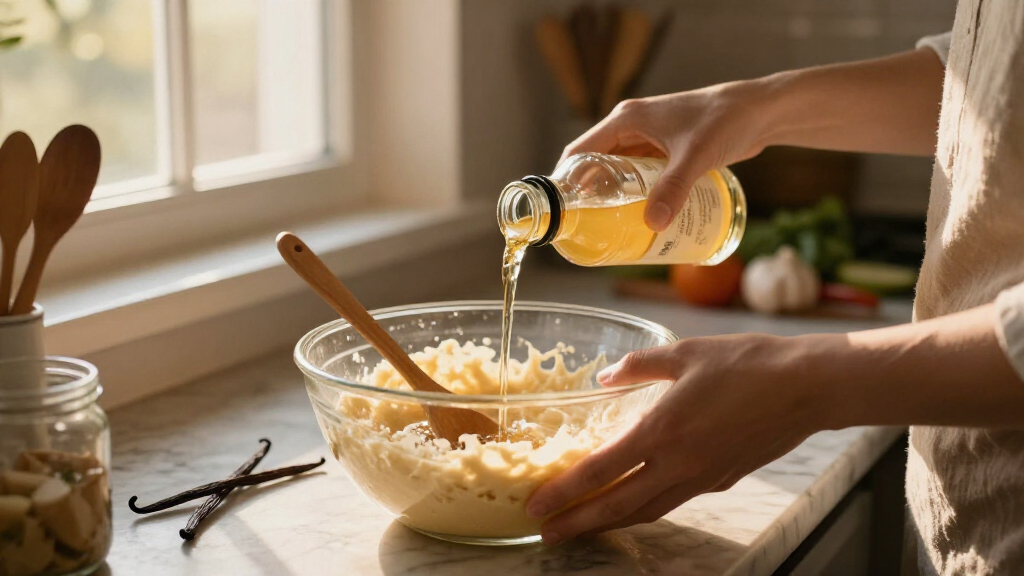
The standard single-fold recipe calls for roughly 3–4 beans per 8 ounces of alcohol, which is why the 25-count packs are popular with extract makers — one pack yields about 2 quarts of extract when split across vodka bottles. Most home extract makers use 80-proof or higher vodka, rum, or bourbon, and slit the beans lengthwise before submerging them to expose the seeds. The DIY kit in this roundup is pre-portioned for exactly one 8.5-ounce bottle, which removes the math entirely. If you want double-fold extract, the kind with punchier flavor that professional bakeries use, double the bean count per bottle and expect a longer aging period. Whatever ratio you choose, shake the bottle weekly during the first month to speed extraction.
Is Ugandan vanilla actually better than Madagascar vanilla?
Better is the wrong word — different is more accurate. Ugandan beans typically test higher in vanillin, the compound responsible for vanilla’s primary flavor, so they taste bolder and slightly smokier with a creamy finish. Madagascar beans are sweeter, rounder, and match the flavor profile most people grew up with in commercial baked goods. In blind comparisons for high-heat applications like cookies and cakes, Ugandan beans often edge out because their intensity survives baking, while Madagascar’s subtlety shines in custards and ice cream. Price-wise they’re usually comparable, so choosing between them is really about what you bake most often. If you’re unsure, buy a small pack of each and taste them side by side in a simple vanilla pudding.
How should I store vanilla beans so they don’t dry out?
Vanilla beans keep best in an airtight container at room temperature, wrapped in wax paper or a vacuum-sealed pouch — never refrigerated, because condensation inside the fridge causes mold, the fastest way to ruin a whole pack. Properly stored beans stay pliable for six months to a year; past that, they harden and lose aromatic oils, though they’re still usable for extract-making since alcohol rehydrates them somewhat. If you’ve bought a large pack like the 50-count, freezing is a legitimate long-term option: wrap the beans tightly in plastic, freeze, and thaw only what you need without refreezing. Some mold-looking spots are actually natural vanillin crystals, which appear as tiny shiny flecks and are harmless. True mold is fuzzy and smells off — when in doubt, discard the affected beans rather than the whole pack.
Can I substitute vanilla bean paste for extract in a recipe?
Yes, and it’s a nearly one-to-one swap — one teaspoon of paste replaces one teaspoon of extract in almost any recipe. The paste in this roundup, built on Madagascar extract, is actually more concentrated than standard single-fold extract, so some bakers use slightly less and get more vanilla flavor per teaspoon. The main difference is texture and appearance: paste adds visible black seed specks, which is a genuine selling point in ice cream and custards but pointless in chocolate cake or coffee-flavored anything. Paste also contains a thickener, usually gum or syrup, which slightly alters the consistency of delicate recipes like macarons. For everyday cookies and brownies, extract remains cheaper per use; save paste for desserts where the flecks will actually be seen.
Why does real vanilla extract cost so much, and when is imitation acceptable?
Real vanilla is expensive because it’s one of the most labor-intensive crops in the world — each flower is hand-pollinated, and beans take months to cure, with harvests vulnerable to cyclones that periodically spike prices. A single bottle of pure extract may contain the flavor from a dozen or more beans, and that cost has to be reflected at the shelf. Imitation vanilla, which is synthetic vanillin often derived from wood pulp, costs a fraction of the price and is chemically identical to vanilla’s dominant flavor compound. In high-heat, strongly flavored baked goods like chocolate chip cookies or banana bread, most people genuinely cannot tell the difference. Where imitation fails is in delicate, vanilla-forward recipes — custard, ice cream, pastry cream, and sugar cookies — where real vanilla’s hundreds of minor aromatic compounds shine through. That’s why clear imitation vanilla earns a spot in this roundup for white frostings only, not as an all-purpose bottle.
Conclusion
The right pick here depends entirely on what kind of vanilla buyer you are. For best overall, the Grade A Ugandan Vanilla Beans 25-Pack delivers the boldest flavor per dollar in a pack size that stays fresh long enough for regular bakers. The best value goes to the Madagascar Vanilla Beans 50-Count if you bake or make extract at volume — the per-bean price is unbeatable, as long as you’ll actually use them. For beginners, the Homemade Vanilla Extract Kit is the clear choice: it removes every guesswork step, and the finished bottles make excellent gifts. The best premium pick is the Amber Premium Vanilla Bean Paste, which buys you instant, intense, speckled vanilla flavor with zero prep. For specific needs: grab the 10-count Ugandan pack if you only bake occasionally, the Amber Bottle 12-Pack if you’re gifting or selling homemade extract, and the Ann Clark Clear Vanilla only if pristine white frosting is on the menu. Whatever you choose, match the pack size to your real consumption — the most common mistake in this category isn’t buying the wrong vanilla, it’s buying more than you can use before it fades.
NFL season / tailgating Picks
team gear
As an affiliate, we earn on qualifying purchases.