
You often use the top shelf for snacks and drinks, but that’s the worst spot for perishables. The top shelf tends to be warmer, which speeds up spoilage and risks food safety. Instead, store dairy and cooked foods on the middle shelves, where temperatures are more stable. Keep raw meats on the bottom for safety. To discover more about organizing your fridge correctly and keeping food fresh longer, continue exploring.

Get kitchen staples and gadgets delivered free with Prime
- Fast, free delivery on millions of items
- Prime Video, Amazon Music and more included
- Member-only deals all year
Key Takeaways
- Many people misuse the top shelf for perishable items, risking faster spoilage due to higher temperatures.
- The top shelf is often used for snacks and drinks, but it’s not suitable for foods needing consistent cold temperatures.
- Proper storage for perishables is on middle or bottom shelves, where temperatures are more stable and safe.
- Using the top shelf incorrectly compromises food safety and reduces freshness.
- Organizing fridge zones according to recommended storage practices prevents waste and spoilage.
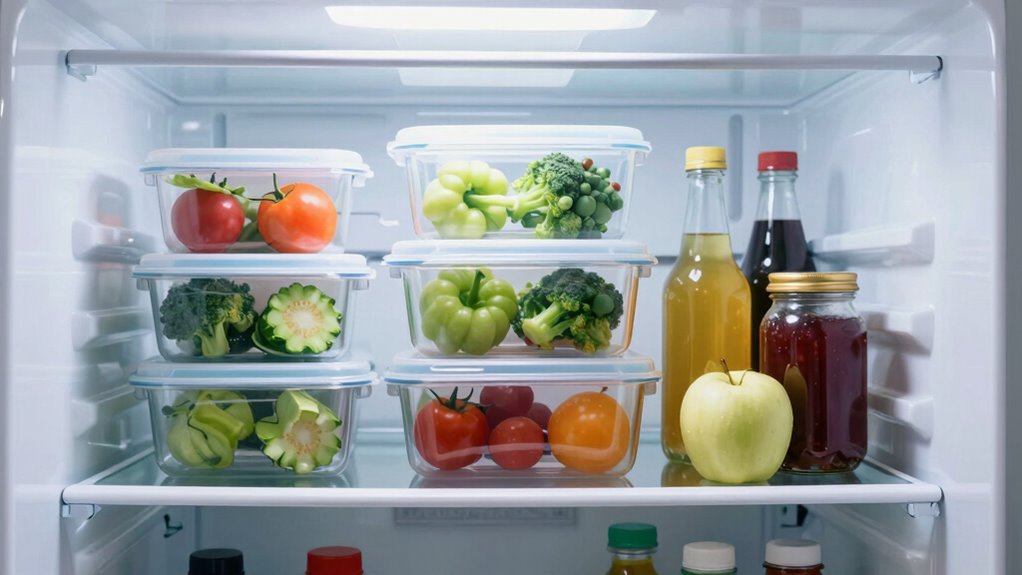
Have you ever thought about whether you’re using your fridge shelves the right way? Many people tend to fill their fridge haphazardly, without considering how placement affects food freshness and safety. The truth is, ideal storage isn’t just about fitting everything inside; it’s about organizing your fridge to maintain proper temperature regulation and prevent spoilage. The shelf most people use the wrong way is often the top shelf. While it might seem convenient for snacks and drinks, it’s not suitable for all types of food. The top shelf tends to be the warmest part of the fridge, making it less appropriate for perishables that need consistent, cold temperatures.
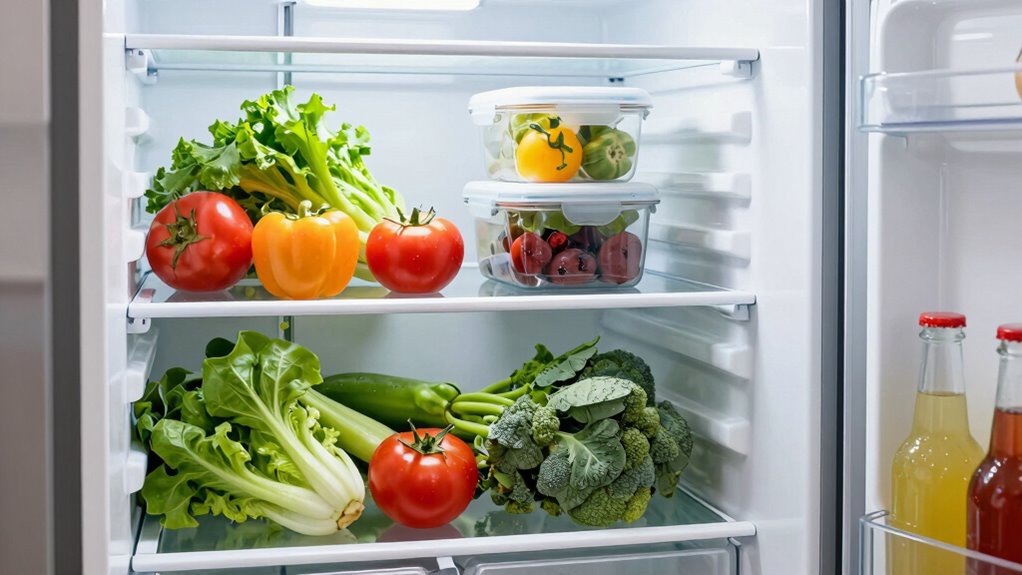
To maximize freshness and reduce waste, you should be thoughtful about where you store each item. The middle shelves are generally better for dairy products, leftovers, and cooked foods because they maintain a more stable temperature. These shelves are usually closest to the middle of the fridge, where temperature regulation is most effective. By placing items here, you help ensure they stay fresh longer and reduce the risk of bacteria growth. Meanwhile, the bottom shelf is the coldest part and perfectly suited for raw meats and seafood, which require colder temperatures to prevent bacterial contamination.
If you’re not already doing so, consider using the designated crisper drawers for fruits and vegetables. These drawers are designed to control humidity levels, which is essential for keeping produce fresh. Many people neglect these compartments or use them improperly, leading to quicker spoilage. Keep fruits in the higher-humidity drawer and vegetables in the lower one, if your fridge has two compartments. This separation helps maintain ideal storage conditions tailored to each type of produce. Additionally, maintaining proper temperature regulation is crucial for food safety and freshness, so regularly checking your fridge’s thermometer can help you avoid spoilage.
Furthermore, organizing your fridge based on these zones can help prevent cross-contamination and improve overall efficiency in food storage. Proper food safety practices also involve regularly cleaning your fridge to prevent the buildup of bacteria. Proper temperature regulation is essential, but so is ensuring that airflow isn’t blocked by overcrowded shelves, which can lead to uneven cooling and spoilage.
refrigerator temperature thermometer
As an affiliate, we earn on qualifying purchases.
As an affiliate, we earn on qualifying purchases.
Frequently Asked Questions
What Is the Ideal Material for a Fridge Shelf?
The ideal material for a fridge shelf is tempered glass. It offers excellent material durability, resisting cracks and breaking better than plastic. Plus, its smooth surface helps with easy cleaning. Tempered glass also promotes better temperature regulation by allowing cold air to circulate evenly around your food, keeping everything fresh. You’ll find it sturdy, safe, and efficient, making it the best choice for maintaining your fridge’s performance.
How Often Should I Clean My Fridge Shelves?
You should clean your fridge shelves at least once every three to four weeks to prevent fridge odor and maintain shelf durability. Regular cleaning removes spills and bacteria that cause odors and can weaken shelf material over time. Use mild soap and warm water or a vinegar solution, and avoid harsh chemicals. Consistent cleaning keeps your fridge fresh, odor-free, and guarantees your shelves stay sturdy and long-lasting.
Can Improper Shelving Affect Food Lifespan?
Improper shelving can speed up food spoilage faster than a tornado tearing through a town. When you don’t organize your fridge correctly, you compromise shelf stability, leading to uneven cooling and increased bacteria growth. This accelerates food spoilage, reducing the lifespan of your groceries. To keep food fresher longer, make sure items are stored at proper temperatures and in appropriate zones, preventing premature spoilage and maximizing shelf stability.
Are There Specific Foods That Shouldn’T Be Stored on Certain Shelves?
Yes, you should store specific foods on designated shelves to guarantee food safety and shelf durability. For example, keep raw meats on the bottom to prevent cross-contamination, and store dairy and leftovers on middle shelves. Fruits and vegetables go in crisper drawers. Proper placement helps maintain food quality and safety, reducing spoilage and bacteria growth. Following these guidelines keeps your fridge organized and your food safe to eat.
What Is the Best Way to Organize a Fridge for Efficiency?
To organize your fridge efficiently, start by understanding temperature zones—keep dairy and leftovers on the middle or top shelves, and meats on the bottom to avoid cross-contamination. Use clear bins for easy access and label them. Keep the fridge at the right temperature (around 37°F) to save energy and prevent spoilage. Regularly clean and rearrange to maintain peak airflow, ensuring energy efficiency and freshness.
fridge organization storage bins
As an affiliate, we earn on qualifying purchases.
As an affiliate, we earn on qualifying purchases.
Conclusion
Did you know that improper fridge shelf use can lead to food waste and increased energy bills? By simply reorganizing your fridge and using shelves correctly, you could save up to 20% on energy costs and extend the freshness of your food. It’s a small change that makes a big difference. Don’t let poor storage habits cost you more—take control today and keep your food fresher, longer, while saving money in the process.
As an affiliate, we earn on qualifying purchases.
As an affiliate, we earn on qualifying purchases.
NFL season / tailgating Picks
team gear
As an affiliate, we earn on qualifying purchases.