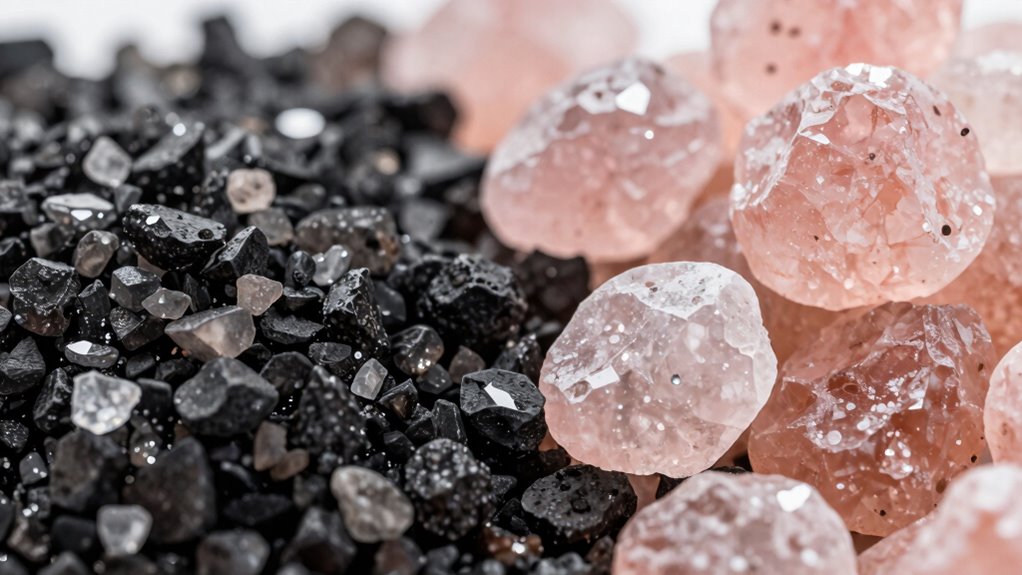

If you’re choosing between black salt and rock salt, use black salt for flavorful dishes like chutneys, salads, or vegan recipes, as it adds a pungent, sulfurous aroma and health benefits. Opt for rock salt when you want a mild crunch or need it for finishing, grilling, or salt crusting. Each salt fits different culinary needs, so understanding their roles helps you get the best results—exploring further can reveal even more useful tips.
Key Takeaways
- Black salt is best for flavoring dishes like chutneys, salads, and vegan recipes due to its strong sulfurous taste.
- Rock salt is ideal for finishing dishes, garnishing, or salt crust cooking, offering a mild flavor and crunchy texture.
- Use black salt in small quantities for health benefits, digestion aid, and flavor enhancement in beverages and spice blends.
- Rock salt is suitable for slow seasoning, brining, and grilling, providing mineral content and a neutral taste.
- The choice depends on desired flavor intensity, texture, and health considerations: black salt for bold flavor, rock salt for texture.
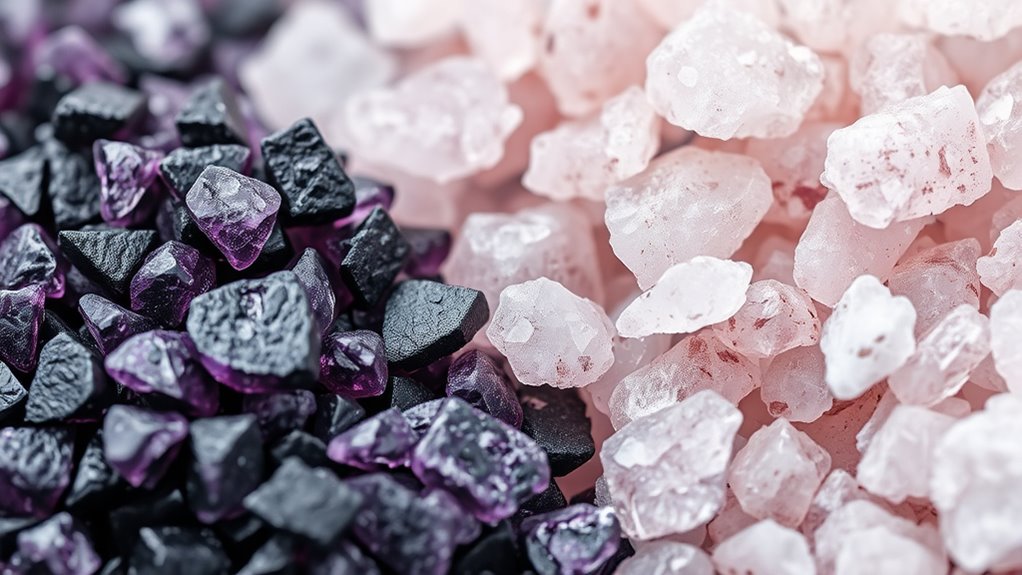
When choosing between black salt and rock salt, it’s important to understand their distinct characteristics and uses. These differences influence where and how you should incorporate each salt into your diet and cooking. Black salt, also known as kala namak, is a volcanic mineral salt with a distinctive pinkish-black hue. Its unique flavor profile includes a slightly sulfurous aroma, making it popular in various culinary applications. Black salt offers notable health benefits, such as aiding digestion, reducing bloating, and balancing pitta dosha in Ayurveda. Its mineral content can support electrolyte balance, which is especially beneficial when you’re looking to replenish minerals after exercise or during illness. Because of its strong flavor, black salt is often used in small quantities but can dramatically enhance dishes like chutneys, salads, and fruit bowls. It’s also a common ingredient in vegan and vegetarian recipes that mimic eggs or cheese, thanks to its sulfur taste.
On the other hand, rock salt, sometimes called halite, is a crystalline mineral salt harvested from salt deposits or evaporated seawater. Its appearance is typically coarse, with a pure white or translucent look. Rock salt’s primary culinary use is as a finishing or grilling salt, providing a crunchy texture and mild flavor that can complement a variety of foods. When it comes to health benefits, rock salt contains essential minerals like magnesium, calcium, and potassium, which can contribute to your overall mineral intake. However, because it’s often used in larger chunks, it’s less suitable for seasoning food directly during cooking but ideal for adding flavor and texture at the table. Its coarse grains also make it ideal for salt crust cooking, where the salt forms a protective shell around meats or vegetables, locking in moisture and flavor.
In terms of culinary uses, black salt is more versatile for seasoning and flavoring, especially in dishes that benefit from its pungent, sulfurous notes. It’s also favored in spice blends, chutneys, and to add a distinctive taste to beverages like lemonade or buttermilk. Rock salt, meanwhile, excels in applications requiring a crunchy texture or slow seasoning, such as brining or garnishing. Both salts have their health benefits, but their best uses depend on the specific flavor and texture you want to achieve. Black salt’s health benefits and vibrant flavor make it a popular choice in everyday cooking, while rock salt’s coarse texture and mineral content lend themselves well to specialized culinary techniques. Knowing where each belongs helps you make better choices in your kitchen and supports your health goals.

Spicy World Black Salt Powder (Kala Namak Mineral) 7 Oz – Vegan, Pure, Unrefined, Non-GMO & Natural – Perfect for Tofu Scramble, Egg Taste
- Vegan Egg Substitute: Adds egg flavor for vegan diets
- Pure and Natural: No preservatives, chemicals, or additives
- Non-GMO and Cholesterol-Free: Healthy, natural mineral supplement
As an affiliate, we earn on qualifying purchases.
As an affiliate, we earn on qualifying purchases.
Frequently Asked Questions
Can Black Salt Be Used as a Regular Table Salt Substitute?
Yes, you can use black salt as a regular table salt substitute, but keep in mind it has a unique flavor that may enhance certain dishes. Its flavor enhancement adds a slightly smoky, sulfurous taste, so it’s best used in culinary versatility applications like salads, chutneys, or savory snacks. However, it might not suit every recipe, especially those requiring a neutral salt flavor, so use it thoughtfully to complement your dishes.
Is Rock Salt Suitable for Culinary Use or Only for Ice Melting?
Rock salt is suitable for culinary applications, especially for brining and seasoning, but it’s primarily used in ice melting because of its coarse texture. You can incorporate it into your cooking, but avoid using it as a direct table salt substitute. Its main role remains in ice melting, where it lowers the freezing point of water efficiently. Use it wisely to balance both culinary needs and ice melting suitability.
Are There Health Benefits Associated With Black Salt Consumption?
You’ll find that black salt offers various health benefits, especially for digestion and respiratory health. Its unique salt flavor enhances dishes while providing minerals like iron and calcium. Consuming black salt may help improve electrolyte balance, boost metabolism, and support overall wellness. Just remember, moderation is key. Incorporate black salt into your diet to enjoy its distinctive flavor and potential health benefits, making your meals both tasty and nutritious.
How Does the Mineral Content Differ Between Black Salt and Rock Salt?
Your curiosity about mineral content differences is spot on! Black salt boasts a richer mineral composition with trace element variations like iron, magnesium, and sulfur, making it almost a treasure trove of nutrients. In contrast, rock salt mainly contains sodium and chloride with fewer trace elements. These differences impact flavor and health benefits, so choosing between them depends on whether you want a mineral boost or a pure salt experience.
Which Salt Is Better for Preserving Food Naturally?
You should choose rock salt for preserving food naturally because it offers excellent flavor enhancement and culinary versatility. Its coarse texture helps draw out moisture, making it ideal for curing and pickling. Black salt adds unique flavor but isn’t as effective for preservation. Using rock salt allows you to naturally extend shelf life while improving taste, making it your best option for food preservation in traditional methods.

Aromasong Dishwasher Salt – 100% Natural Water Softening Agent for Cleaner Dishes & Washer Reactivation – Compatible with Bosch, Miele, Whirlpool, Thermador, and more – 5 LB.
- Enhances Cleaning Power: Ensures sparkling, clean dishes
- Removes Residue: Reduces water spots and grease
- Universal Compatibility: Suitable for all dishwasher brands
As an affiliate, we earn on qualifying purchases.
As an affiliate, we earn on qualifying purchases.
Conclusion
Think of black salt and rock salt as two dancers in a grand performance, each with their unique moves. Black salt adds a fiery kick to your dishes, while rock salt provides a sturdy foundation. Knowing where each belongs helps you choreograph your kitchen routine perfectly. When you choose the right partner for the right moment, your culinary rhythm flows effortlessly, turning every meal into a harmonious masterpiece. Trust your instincts, and let these salts guide your flavor journey.
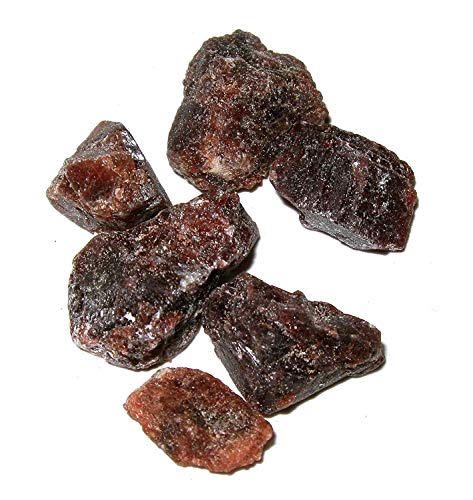
OnMexa Kala Namak Black Salt | Natural Black Rock Salt Crystals | Authentic Indian Spice for Cooking, Seasoning & Vegan Recipes (50g)
- Natural Black Salt: Traditional rock salt crystals with bold taste
- Authentic Indian Spice: Used in chutneys, curries, snacks
- Vegan Friendly: Ideal for plant-based dishes
As an affiliate, we earn on qualifying purchases.
As an affiliate, we earn on qualifying purchases.

Dos Anclas Sal Parrillera 2 Pack, Rock Salt for Grilling and BBQ, Refined Medium Grain Salt for Meat and Seafood, Multi-Purpose Seasoning Gourmet Salt, 17.64 Oz (1.1 LB)
- Medium Grain Rock Salt: Refined salt for enhanced flavor
- Pure Ingredients: Contains only salt and potassium iodate
- Convenient Packaging: Includes 2 easy-to-use salt shakers
As an affiliate, we earn on qualifying purchases.
As an affiliate, we earn on qualifying purchases.