
TL;DR
This article explains the most common olive types, their flavors, and uses. It highlights regional differences and provides guidance for buying and enjoying olives.
Olives are a diverse and globally cultivated fruit with hundreds of varieties, each offering unique flavors and uses. This article details the most common and regional types, helping consumers understand their options and choose the right olives for cooking, snacking, or garnishing.
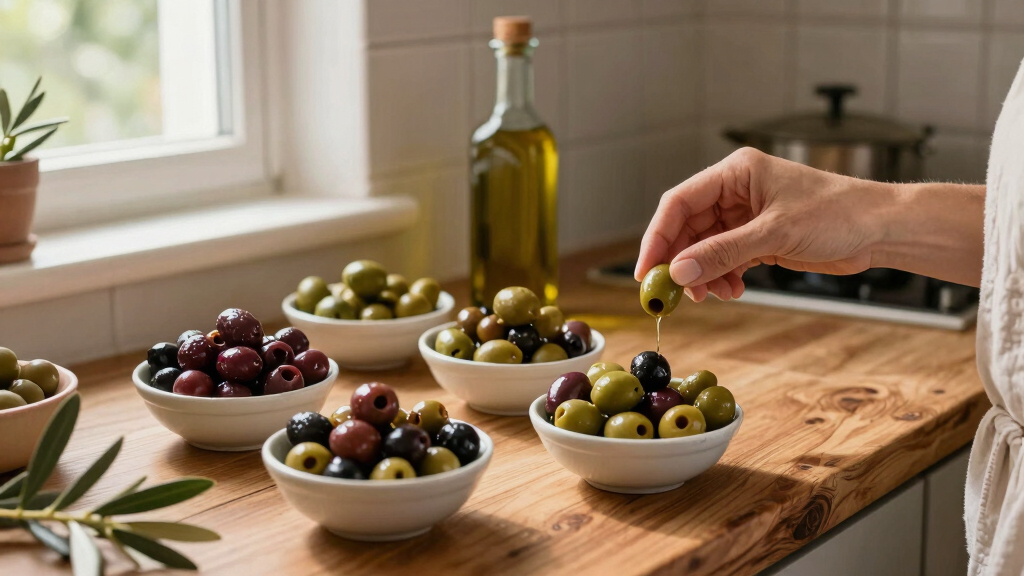
Many olives start green and darken as they ripen, with varieties like Castelvetrano and Cerignola typically sold green, and Kalamata and Niçoise sold fully ripened. Castelvetrano olives from Sicily are mild and meaty, popular for snacking and cocktails. Kalamata olives from Greece are known for their shiny, almond shape, and salty flavor, often used in salads and tapenades. Manzanilla olives from Spain are small, round, and juicy, frequently stuffed or used as garnishes. Regional specialties like Picholine from France and Nyons from France offer distinct textures and flavors, reflecting local cultivation and curing practices. The curing process—such as brining, salt-curing, or lye curing—significantly influences flavor, texture, and color. Most olives are available in supermarkets, with California producing about 95% of domestically grown olives, mainly Mission olives used for oil. Understanding these differences helps consumers select olives suited for specific culinary uses and preferences.
Why Knowing Olive Varieties Enhances Your Cooking and Snacking
Understanding different olive types allows consumers to select the best varieties for their recipes, whether for snacking, cooking, or garnishing. It also enriches appreciation of regional flavors and traditions, making culinary experiences more authentic and enjoyable. Proper knowledge can improve purchasing decisions, ensuring freshness and suitability for intended uses, and can elevate everyday dishes or special occasions alike.

Sanniti Pitted Castelvetrano Olives – 19 Ounce Jar
- Product Type: Pitted Castelvetrano Olives
- Origin: Italian
- Flavor Profile: Mild, buttery flavor
As an affiliate, we earn on qualifying purchases.
As an affiliate, we earn on qualifying purchases.
Regional Origins and Cultivation of Popular Olive Types
Olives have been cultivated for over 8,000 years in regions including the Mediterranean, Morocco, and parts of California. Varieties like Castelvetrano and Cerignola originate from Italy, Kalamata from Greece, Manzanilla from Spain, and Picholine from France. Most olives sold in U.S. markets come from Mediterranean countries or California, which produces 95% of domestically grown olives. These regional differences influence flavor profiles, curing methods, and culinary uses. Historically, olives were preserved through curing processes like brining, salt-curing, and lye curing, which impact texture and taste. Today, these regional and curing variations continue to shape consumer choices and culinary applications.
“Understanding the differences in olive varieties helps consumers select the right type for their dishes, whether they want a mild snack or a bold flavor for cooking.”
— Olive expert Maria Lopez

Boscoli Family Kalamata Olive Salad, 15.5 oz.
- Product Type: Kalamata Olive Salad
- Ideal Use: Perfect for Muffuletta Sandwich
- Versatile Serving: Great on Salads, Pastas, Pizzas, Seafood, Sandwiches
As an affiliate, we earn on qualifying purchases.
As an affiliate, we earn on qualifying purchases.
Uncertainties About Olive Curing and Regional Availability
While many common varieties are well-known, the full range of regional and specialty olives, especially those less common outside their origin countries, remains less documented. The impact of curing methods on flavor and texture can vary widely, and consumer preferences for specific curing styles are still evolving. Additionally, the availability of regional specialties outside their native regions may fluctuate due to supply chain and import regulations.
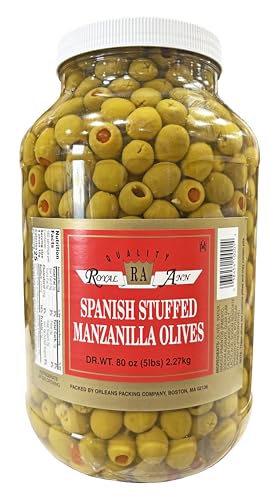
Royal Ann Spanish Stuffed Manzanilla Olives | Kosher | 5 lbs
- Olives stuffed with red pimento: Bright red pimento filling
As an affiliate, we earn on qualifying purchases.
As an affiliate, we earn on qualifying purchases.
Future Trends in Olive Cultivation and Consumer Preferences
Expect increased availability of regional and specialty olives in international markets, driven by growing consumer interest in authentic flavors. Innovations in curing and packaging may also improve freshness and flavor preservation. Additionally, more educational resources are likely to emerge, helping consumers make informed choices based on flavor profiles and culinary uses. Ongoing research into olive cultivation and processing could diversify options further.

Pack of 4 Variety Mix Olives in Vacuum, 2 Greek Olive Varieties with 4 flavors, Freshly Sealed Olives with Extra Virgin Oil 4X200g
- Variety Mix of Olives: Two Greek varieties in four flavors
- Vacuum-Sealed Packaging: Freshly sealed for quality and freshness
- Includes Marinated Olives: Kalamon, green, herb, and spicy varieties
As an affiliate, we earn on qualifying purchases.
As an affiliate, we earn on qualifying purchases.
Key Questions
What are the main differences between green and black olives?
Green olives are typically harvested earlier and are firmer with a milder, sometimes nutty flavor. Black olives are left on the tree longer, developing deeper color and a more intense, sometimes saltier taste. Their curing methods also influence flavor and texture.
Which olive varieties are best for snacking?
Varieties like Castelvetrano, Cerignola, and Manzanilla are popular for snacking due to their mild, approachable flavors and firm textures.
How do curing methods affect olive flavor?
Curing methods such as brining, salt-curing, or lye curing significantly influence the flavor, texture, and color of olives. For example, salt-cured olives tend to be more savory, while brined olives may have a milder taste.
Are all olives suitable for cooking?
No, some olives are better suited for snacking or garnishing, while others like Castelvetrano and Cerignola are versatile enough for cooking, stuffing, or marinating. It’s important to choose the right variety for your recipe.
Where can I buy regional or specialty olives?
Regional and specialty olives can often be found at specialty grocery stores, Mediterranean markets, or online retailers that focus on authentic products from specific regions.
Source: Bon Appétit