
TL;DR

Get kitchen staples and gadgets delivered free — and shop member deals
- Fast, free delivery on millions of items
- Access to Prime Big Deal Days deals on October 6–7
- Prime Video, Amazon Music and more included
This guide confirms that planting the right tomato varieties, proper watering, and support are key to a successful summer harvest. Experts recommend starting from seedlings or seeds and using companion plants for pest control.
Home gardeners can now confidently grow healthy, productive tomatoes this summer by following established best practices, including selecting the right varieties and providing proper support and care, according to horticultural experts.
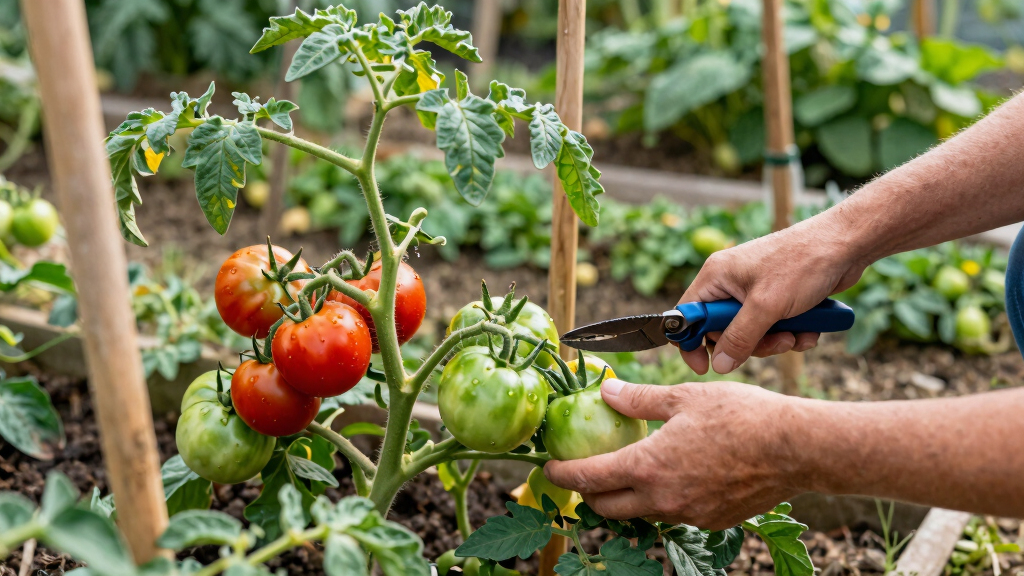
Experts from the University of Illinois Extension and horticulturists like Amy Pallenberg recommend choosing between determinate and indeterminate tomato varieties based on space and desired yield. Starting from seedlings is advised for quicker harvest, though seeds can be sown indoors early spring if soil temperatures are maintained above 70°F. Consistent watering, proper spacing, and staking are crucial for healthy plants. Additionally, planting companion plants such as basil, marigolds, and alliums can help deter pests and improve pollination. Regular pruning of suckers and careful fertilization, avoiding excessive nitrogen, further support robust growth.
Farmers and home gardeners are encouraged to monitor soil pH and moisture levels closely, especially in containers, to optimize growth. The use of organic amendments like eggshells for calcium can prevent common issues like blossom-end rot. Overall, these practices are confirmed to increase the likelihood of a successful tomato harvest this summer.
Why Growing Tomatoes at Home Matters for Summer Gardens
Growing tomatoes at home allows for fresher, tastier produce and reduces reliance on store-bought options. Implementing these expert-recommended practices can lead to higher yields and healthier plants, making gardening more rewarding. This knowledge is especially valuable as more people seek sustainable, self-sufficient food sources, and it supports local food systems. Successful tomato cultivation also encourages hobby gardening, which has mental and physical health benefits, especially during the summer months.
As an affiliate, we earn on qualifying purchases.
Growing Tomatoes: Current Trends and Proven Methods
Tomato cultivation is a popular choice for home gardens, with varieties ranging from cherry to heirloom types. Recent advice emphasizes starting from seedlings for quick results, and using companion planting to naturally deter pests. Historically, tomato growing requires attention to watering, support, and soil health. The advice aligns with ongoing gardening trends favoring organic methods and sustainable practices. There is a growing interest in container gardening, making these tips especially relevant for urban and small-space gardeners. While many practices are well-established, ongoing research continues to refine best practices for pest management and soil health.
“Starting from seedlings can give you a head start on the season, and planting companion plants like basil and marigolds helps naturally ward off pests.”
— Amy Pallenberg, landscape designer
tomato plant supports and stakes
As an affiliate, we earn on qualifying purchases.
As an affiliate, we earn on qualifying purchases.
Uncertainties in Tomato Growing Practices
While the recommended practices are well-supported, some details remain uncertain, such as the optimal fertilization schedule for different soil types and the long-term effects of specific companion plants on pest populations. Additionally, climate variations may influence watering needs and disease prevalence, making localized adjustments necessary. Ongoing research may refine these guidelines further, but current advice is based on established horticultural knowledge.
As an affiliate, we earn on qualifying purchases.
Next Steps for Home Gardeners This Summer
Gardeners are advised to select appropriate tomato varieties, prepare their planting sites, and start seedlings early or purchase healthy plants from nurseries. Monitoring soil conditions and pests regularly will be key throughout the season. As plants grow, pruning, staking, and fertilizing should be adjusted based on plant development and weather conditions. Local gardening centers and extension services may provide additional region-specific advice, and gardeners should stay informed about pest and disease alerts to adapt practices accordingly.
As an affiliate, we earn on qualifying purchases.
Key Questions
When is the best time to plant tomatoes outdoors?
The optimal time is after the last frost date in your region, typically when soil temperatures are above 70°F and the weather is consistently warm.
Should I fertilize my tomato plants, and if so, how often?
Yes, but sparingly. Use a balanced, low-nitrogen fertilizer at planting and again during flowering. Avoid excessive nitrogen to prevent lush foliage at the expense of fruit production.
How can I prevent blossom-end rot in my tomatoes?
Ensure consistent watering and add calcium sources like crushed eggshells to the soil to prevent calcium deficiency, which causes blossom-end rot.
What support systems are best for indeterminate tomato plants?
Stakes, cages, or trellises—such as Texas tomato cages—are effective for supporting large, vining plants and keeping fruit off the ground.
Can I grow tomatoes in containers?
Yes, determinate varieties are ideal for containers, which should be large enough to accommodate root growth and have proper drainage. Regular watering and fertilization are essential.
Source: Architectural Digest
NFL season / tailgating Picks
team gear
As an affiliate, we earn on qualifying purchases.