
Street food bursts with bold, intense flavors created with quick, high-impact techniques that highlight local ingredients and vibrant spices. It’s designed to grab your attention with immediate, adventurous tastes rooted in regional traditions. Home food, on the other hand, offers nuanced, balanced flavors developed over time, reflecting personal and cultural history. Both systems serve different purposes—one for excitement, the other for comfort—and exploring their differences reveals rich culinary stories waiting to be uncovered.
Key Takeaways
- Street food features bold, high-impact flavors designed for quick consumption, while home food emphasizes nuanced, balanced tastes developed over time.
- Cultural influences shape street food with regional ingredients and techniques, whereas home food reflects personal and family culinary traditions.
- Street food employs efficient, innovative cooking methods for fast service, contrasting with the slow, careful preparation of home-cooked meals.
- Flavors in street food are often intense and adventurous, whereas home dishes tend to be subtle, harmonious, and emotionally significant.
- Street food offers immediate cultural experience and satisfaction, while home food provides comfort, familiarity, and personal connection.
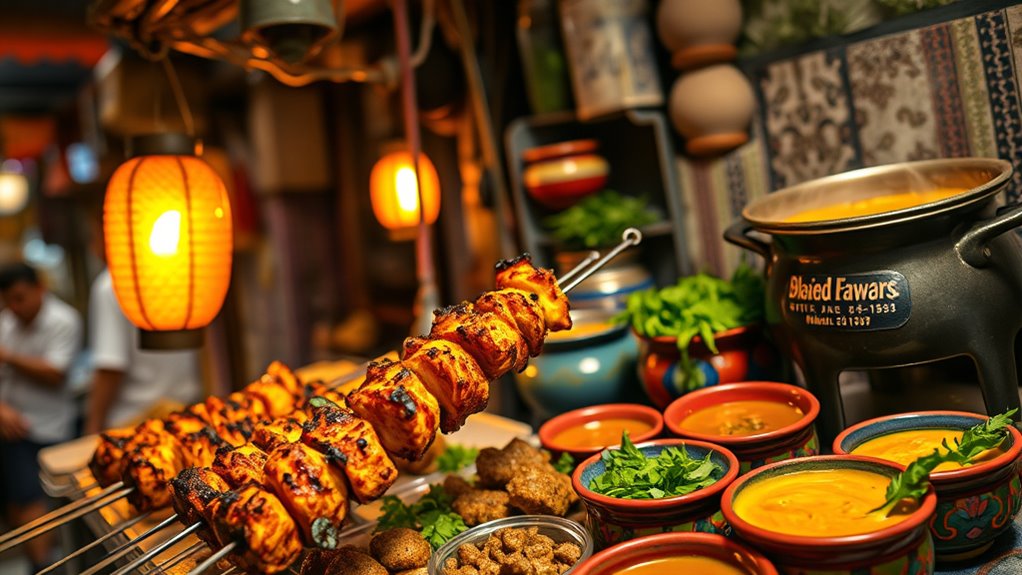
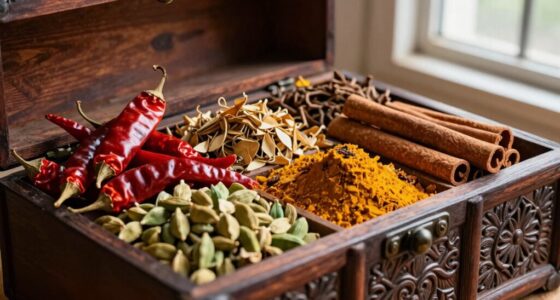
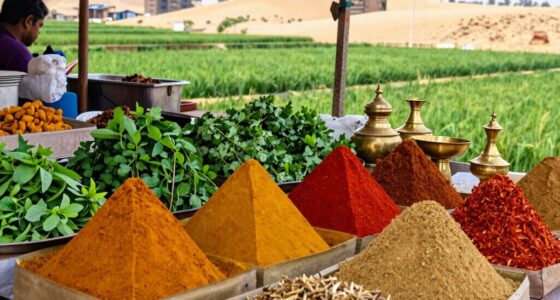
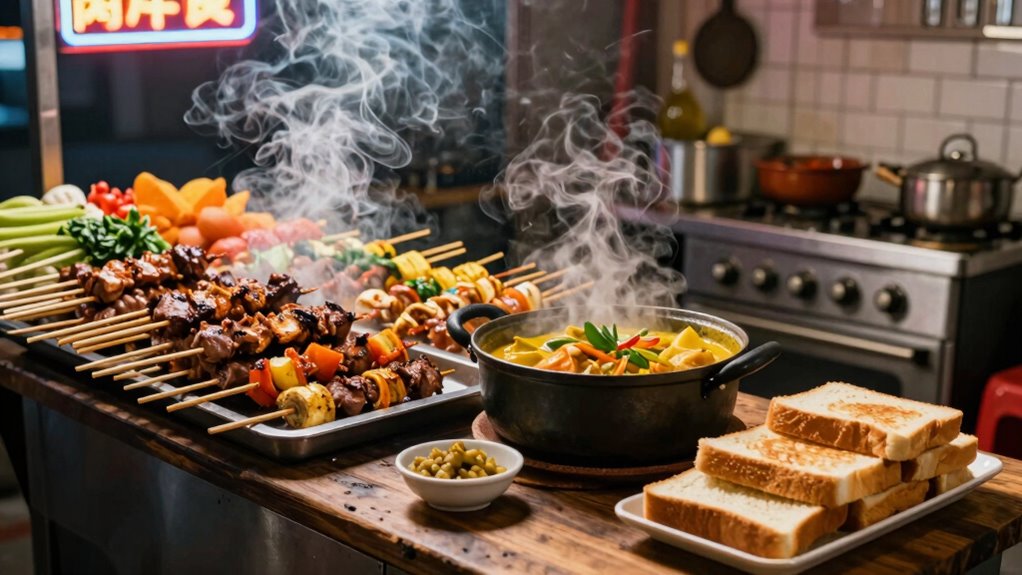
When it comes to satisfying your appetite, you often face a choice between street food and home-cooked meals. Both options offer unique experiences shaped by their distinct flavor profiles and cultural influences. Street food is known for its bold, vibrant flavors that often reflect the local ingredients and culinary traditions of a region. You’ll notice how the spices, herbs, and cooking techniques combine to create a taste that’s both exciting and memorable. For instance, a spicy taco from a street vendor might showcase smoky chilies and fresh cilantro, while a steaming bowl of pho bursts with fragrant herbs and a savory broth. These flavor profiles are usually designed to attract passersby with their intensity and immediacy, making each bite an adventure rooted in local culture. The quick preparation methods of street food often emphasize energy-efficient cooking techniques, aligning with sustainable practices. Additionally, the use of modern kitchen technology in street food stalls can enhance food safety and consistency, ensuring a high-quality experience for customers. Incorporating food safety standards and innovative equipment allows vendors to serve fresh and safe meals quickly, which is crucial in busy street settings. Moreover, the emphasis on speed and efficiency in street food preparation contributes to its vibrant and dynamic culinary scene. Furthermore, many street food vendors now adopt hygienic practices to meet health regulations and reassure customers about food safety.
In contrast, home-cooked meals tend to focus on comfort and familiarity. The flavors here are often more nuanced, developed over time through family recipes and personal touches. You might find that a grandmother’s stew or a mother’s baked dish balances seasoning carefully, emphasizing harmony rather than boldness. The cultural influences in home food are deeply rooted in tradition, passed down through generations with a focus on preserving specific flavors that define a family or community. These meals often carry emotional significance, providing a sense of belonging and security. When you cook at home, you have control over the ingredients and seasoning, allowing you to tailor the flavor profiles to your preferences or dietary needs.
While street food can be more adventurous in its flavor combinations due to its reliance on quick, high-impact cooking methods, home food tends to be more subtle and refined. The cultural influences behind street food are often driven by the need to create a quick, satisfying snack that captures the essence of a place, making it accessible and appealing to a broad audience. Meanwhile, home-cooked meals are more personalized, reflecting the tastes and traditions of individual families, often shaped by local ingredients and seasonal availability. Both serve their purpose: street food offers a taste of the local culture in a single, intense bite, while home food provides comfort, continuity, and a deeper connection to tradition. Each has its own charm, making your choice dependent on whether you seek adventure or familiarity.

Hamilton Beach Fresh Grind Electric Coffee Grinder for Beans, Spices and More, Stainless Steel Blades, Removable Chamber, Makes up to 12 Cups, Black
REDUCE CLUTTER WITH HIDDEN CORD STORAGE: Hideaway cord storage under the base keeps cable neat, concealed when not…
As an affiliate, we earn on qualifying purchases.
As an affiliate, we earn on qualifying purchases.
Frequently Asked Questions
How Do Street Food Vendors Ensure Food Safety and Hygiene Standards?
You can guarantee food safety and hygiene by strictly following proper food handling and sanitation protocols. Street food vendors often wash hands regularly, use clean utensils, and keep ingredients covered to prevent contamination. They also sanitize surfaces frequently and store food at appropriate temperatures. By adhering to these practices, vendors minimize risks and protect customers from foodborne illnesses, ensuring that the food you enjoy remains safe and hygienic.
What Are Common Ingredients Unique to Street Food Compared to Home-Cooked Meals?
Like a magician with a secret recipe, street food vendors often use unique spices and preservation methods not typically found in home-cooked meals. These ingredients, such as chili powders, pickled vegetables, or tangy chutneys, help create bold flavors and guarantee freshness in a fast-paced environment. You’ll notice these ingredients add a distinctive punch that sets street food apart, making each bite an exciting, vibrant experience.
How Does Pricing Differ Between Street Food and Home-Cooked Dishes?
You’ll find that street food generally offers a more affordability comparison than home-cooked dishes, thanks to its lower pricing strategies. Street vendors keep costs down by using simple ingredients, mass production, and quick service, making it budget-friendly. In contrast, home-cooked meals can vary in price depending on ingredients and preparation time. Overall, street food tends to be more accessible for quick, inexpensive eats, while home dishes might cost more but offer greater customization.
Can Street Food Be as Nutritious as Home-Prepared Meals?
Street food can be just as nutritious as home-prepared meals if you choose vendors with high ingredient quality and focus on fresh, wholesome ingredients. Look for dishes that include vegetables, lean proteins, and minimal processed components. While some street foods may lack nutritional content, many vendors now prioritize healthier options. By being selective and aware of ingredient quality, you can enjoy nutritious street food that supports your health just like home-cooked dishes.
How Do Cultural Influences Shape Street Food and Home Cooking Flavors?
Think of street food and home cooking as two vibrant palettes shaped by cultural influences. You’ll notice that street vendors often use bold, quick-to-prepare flavors rooted in traditional culinary techniques, creating distinct cultural flavor profiles. For example, a spicy Thai satay street snack reflects local spices and techniques, much like family recipes passed down through generations. These cultural nuances define each dish’s unique identity, blending tradition with local tastes.

iSpice 48-Pack Starter Spice Set – Essential Herbs, Spices & Seasonings for Cooking – Kitchen Gift Set for Home Cooks – All-Natural, Kosher, Non-GMO (Total Kitchen)
💥 COMPLETE 48-PIECE SPICE COLLECTION Everything you need in one set—48 essential herbs, spices, and seasonings to fully…
As an affiliate, we earn on qualifying purchases.
As an affiliate, we earn on qualifying purchases.
Conclusion
So, whether you crave the bustling symphony of street food or the comforting whisper of home-cooked meals, both offer unique flavors that dance on your palate. Street food is like a vibrant carnival, bursting with bold, adventurous notes, while home food is a warm embrace, rich with tradition and love. Embrace both worlds—let your taste buds be the compass on your delicious journey through life’s flavorful tapestry. After all, variety keeps the flavor of life forever exciting.

Instant Pot Duo Plus 9-in-1 Multicooker, Pressure Cooker, Slow Cook, Rice Maker, Steamer, Sauté, Yogurt, Warmer & Sterilizer, Includes App With Over 800 Recipes, Stainless Steel, 6 Quarts
9 Cooking Functions: Pressure cook, slow cook, sauté, sous vide, steam, sterilize, keep warm, make rice and yogurt—all…
As an affiliate, we earn on qualifying purchases.
As an affiliate, we earn on qualifying purchases.

Umma: A Korean Mom's Kitchen Wisdom and 100 Family Recipes
As an affiliate, we earn on qualifying purchases.
As an affiliate, we earn on qualifying purchases.