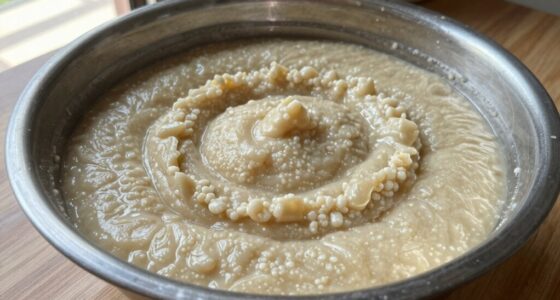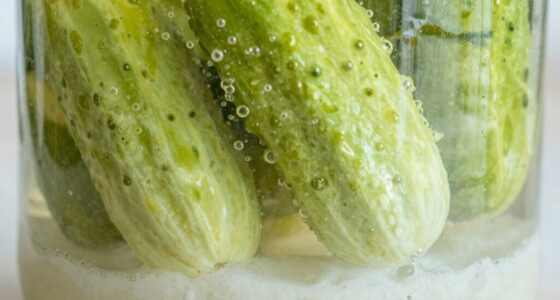
To find the simple salt brine percentage for your ferment, measure 2-3% salt relative to your water’s weight. For example, use 2 grams of salt per 100 milliliters of water for vegetables. This range guarantees safety, prevents spoilage, and helps develop flavor. Adjust the percentage based on your climate or specific ferment needs. If you’d like to learn how to perfect your brine and troubleshoot common issues, keep exploring for more tips.
Key Takeaways
- Use 2-3% salt by weight of water for most vegetable ferments to ensure safety and crispness.
- Measure salt precisely with a scale to maintain consistent salt percentages and prevent spoilage.
- Adjust salt levels based on climate, with warmer or humid conditions typically requiring higher concentrations.
- Dissolve salt fully in clean water and ensure even distribution for uniform fermentation results.
- Tailor salt percentages to specific products—lower for dairy (1-2%) and higher for meat (3-5%)—to optimize safety and flavor.

Etekcity Food Kitchen Scale, Digital Grams and Ounces, 11lb
- Multiple Measurement Units: Supports oz, lb, fl oz, g, mL
- Tare Function Included: Zero out weight for accurate measurements
- Hassle-Free Operation: Includes 2 AAA batteries
As an affiliate, we earn on qualifying purchases.
As an affiliate, we earn on qualifying purchases.
Why Salt Brine Matters for Successful Fermentation

Salt brine plays a crucial role in guaranteeing successful fermentation because it creates an environment that favors beneficial bacteria while inhibiting spoilage organisms. Using proper pickling techniques, you control the salt concentration to promote fermentation safety and prevent harmful bacteria growth. A well-balanced brine encourages the proliferation of lactic acid bacteria, which are essential for a healthy ferment. Without adequate salt, the environment becomes vulnerable to mold, yeast, and undesirable bacteria, risking spoilage. Maintaining the correct salt levels helps you achieve consistent results and prevents fermentation failures. By understanding how salt interacts with the vegetables or other produce, you ensure that your ferments develop flavor and texture safely. Proper salt brine use is fundamental to mastering pickling techniques and safeguarding your fermentation process. Additionally, understanding the proper salt percentages is key to creating a stable environment and ensuring successful results every time. The correct salt concentration also influences the texture and crunchiness of your fermented foods, making it an essential detail to monitor. Incorporating the right body chemistry can further optimize your fermentation process for better outcomes. A precise understanding of salt interactions enhances your ability to troubleshoot and refine your fermentation techniques.

REDMOND Real Salt Seasoning Brine Kit, 14oz – Natural Salt Brine for Turkey, Chicken, Pork, & More – Sweet & Salty Blend with Citrus & Herbs for Tender, Flavorful Meat
- Healthy unrefined sea salt: Contains 60+ trace minerals for health
- Versatile for all occasions: Perfect for poultry, pork, vegetables
- Clean, natural ingredients: Organic herbs and unrefined salt
As an affiliate, we earn on qualifying purchases.
As an affiliate, we earn on qualifying purchases.
What Is a Salt Brine Percentage and Why Does It Matter?
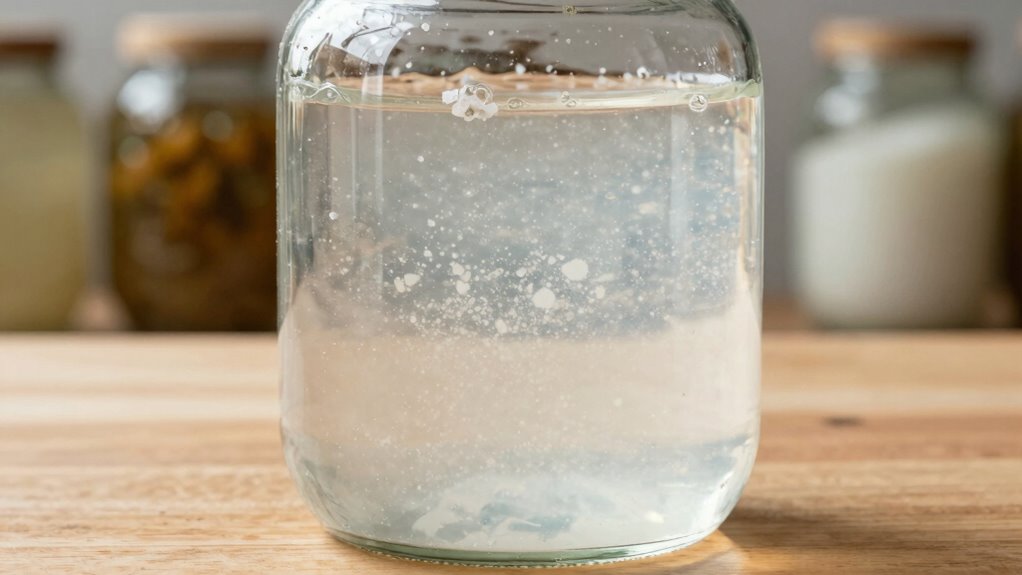
Have you ever wondered how much salt to use in your brine? That’s where salt brine percentage comes into play. It’s a simple measurement of how much salt is dissolved in your water, usually expressed as a percentage. This measurement is vital for fermentation safety because it helps prevent harmful bacteria while encouraging beneficial microbes. Understanding salt chemistry reveals how salt interacts with water and food, influencing fermentation speed and flavor development. Using the right percentage ensures your ferment stays safe and progresses as intended. Too little salt risks spoilage, while too much can slow fermentation or inhibit beneficial bacteria. Mastering this percentage keeps your ferment safe, predictable, and consistently delicious. Additionally, knowing the solar energy role in natural processes can inspire sustainable fermentation practices. A clear grasp of the water-salt interaction is essential for optimizing fermentation outcomes and maintaining food safety standards. Recognizing how salt concentration affects microbial activity can further refine your fermentation techniques for better results.
Understanding the microbial environment helps you fine-tune the salt levels for ideal fermentation conditions and optimal flavor.

Sea Salt Superstore Pickling & Curing Salt, Fine Kosher, Non-Iodized, 14 oz
- Natural Preserving Salt: Non-iodized and Kosher for pickling
- Pure Mineral Sourcing: From clean, natural deposits
- Dietary & Safety Friendly: Gluten-free, additive-free, kosher
As an affiliate, we earn on qualifying purchases.
As an affiliate, we earn on qualifying purchases.
How to Find the Right Salt Brine Percentage for Your Ferment
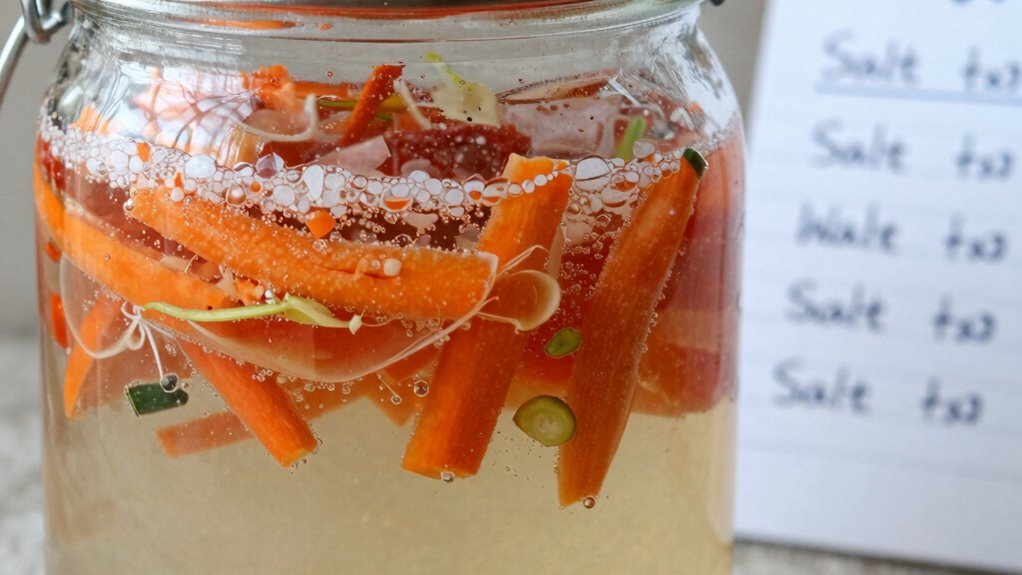
To find the right salt brine percentage, you need to take into account salt concentration guidelines for your specific ferment. Keep in mind that climate can influence how much salt you should use, as warmer or more humid conditions may require adjustments. By understanding these factors, you can tailor your brine to ensure a successful fermentation every time.
Salt Concentration Guidelines
Finding the right salt brine percentage is essential for successful fermentation, as it directly influences the growth of beneficial bacteria and suppresses spoilage organisms. Generally, a salt concentration of 2-3% is recommended for most ferments. This range promotes flavor enhancement without making the ferment overly salty, allowing the natural tastes to shine. Maintaining proper salt levels also affects fermentation speed, ensuring it proceeds efficiently without risking spoilage. Too little salt can lead to undesirable bacteria taking over, while too much can slow fermentation and dull flavor development. Use a reliable recipe or calculation to measure your salt accurately, and always double-check your brine concentration before starting. proper salt levels are critical to prevent microbial imbalance and ensure a successful ferment. Consistent salt guidelines keep your ferment safe, tasty, and perfectly paced. Proper salt concentration is crucial for optimal fermentation outcomes, helping to maintain the delicate balance between safety and flavor. Additionally, understanding microbial balance in fermentation can help you fine-tune your process for better results.
Adjusting for Climate
Climate plays a significant role in determining the ideal salt brine percentage for your ferment. The climate impact affects fermentation speed; warmer, more humid environments often accelerate fermentation, while cooler, drier conditions slow it down. To adapt, you might need to adjust your salt concentration slightly—adding a bit more salt in warmer climates to control fermentation speed and prevent spoilage. Conversely, in cooler climates, reduce salt slightly to encourage activity. Keep in mind that consistent temperature and humidity are key factors. Monitoring your ferment closely allows you to tweak the salt brine percentage as needed, ensuring perfect fermentation regardless of climate. This approach helps you maintain steady, predictable results, no matter where you ferment.

Cutting Edge Cultures Vegetable Starter Culture, 6 Pouches, 12g
- Number of Pouches: 6 pouches included
- Fermentation Capacity: Ferments 5 pounds of vegetables per pouch
- Blend Composition: Synergistic blend of selected strains
As an affiliate, we earn on qualifying purchases.
As an affiliate, we earn on qualifying purchases.
Typical Salt Brine Percentages for Vegetables, Dairy, and Meat Ferments

You’ll find that different ferments require specific salt concentrations to succeed. Vegetables typically need around 2-3%, dairy 1-2%, and meat 3-5%. Knowing these common ranges helps you choose the right brine for each type of ferment. For optimal results, understanding precious metal IRA options can also assist investors in diversifying their portfolios beyond traditional assets. Additionally, maintaining proper salt levels is crucial for the safety and quality of your ferments, preventing spoilage and ensuring a successful fermentation process. Being aware of smartphone settings can help you monitor and adjust fermentation environments more effectively.
Vegetables: 2-3% Salt
When fermenting vegetables, a salt brine with a concentration of 2-3% is commonly used to create an environment that encourages beneficial bacteria while inhibiting spoilage organisms. This range is ideal for maintaining crispness and flavor. To enhance your ferment, you might add pickling spices for extra flavor. Use clean fermentation vessels, ensuring they are sanitized to prevent unwanted bacteria. The salt concentration helps preserve vegetables and promotes lactic acid bacteria growth, which is essential for a successful ferment. Keep the vegetables submerged in the brine to avoid exposure to air, which could lead to mold. Adjusting the salt level within 2-3% allows you to fine-tune the fermentation process based on vegetable type and personal taste preferences.
Dairy: 1-2% Salt
For dairy fermentations like yogurt, cheese, and kefir, a salt brine with a concentration of 1-2% is commonly used to support beneficial bacteria while limiting unwanted microorganisms. This moderate salt concentration helps with dairy preservation without hindering fermentation. It maintains the right environment for probiotics to thrive. Here’s a quick reference:
| Ferment Type | Typical Salt Concentration | Purpose |
|---|---|---|
| Yogurt | 1-2% | Supports probiotics, dairy preservation |
| Cheese | 1-2% | Enhances flavor, prevents spoilage |
| Kefir | 1-2% | Maintains beneficial bacteria growth |
Adjusting the salt properly balances dairy preservation and fermentation success, ensuring a healthy, flavorful product. Additionally, understanding maintenance costs of equipment can help optimize fermentation processes and equipment longevity. Proper salt levels are also crucial in crafting high-quality dairy products, as they influence both flavor and texture. When selecting salt types, consider mineral content for optimal fermentation results.
Meat: 3-5% Salt
Meat fermentation typically requires a salt brine concentration of 3-5% to guarantee safety and quality. This range supports proper meat curing by inhibiting spoilage bacteria and pathogens while promoting beneficial salt chemistry. The salt draws moisture from the meat, creating an environment hostile to harmful microbes but ideal for fermentation. Using the correct salt percentage ensures consistent results and preserves flavor, texture, and safety. Too little salt risks spoilage, while too much can hinder fermentation progress. Maintaining this balance is key to successful meat ferments like sausages or cured meats. Remember, the specific salt concentration affects salt chemistry, influencing osmotic pressure and moisture content. Proper salt chemistry is essential for controlling the fermentation environment and ensuring safety. Additionally, maintaining precise salt levels contributes to achieving the desired texture and flavor in the final product.
How to Make the Perfect Salt Brine at Home : Step by Step
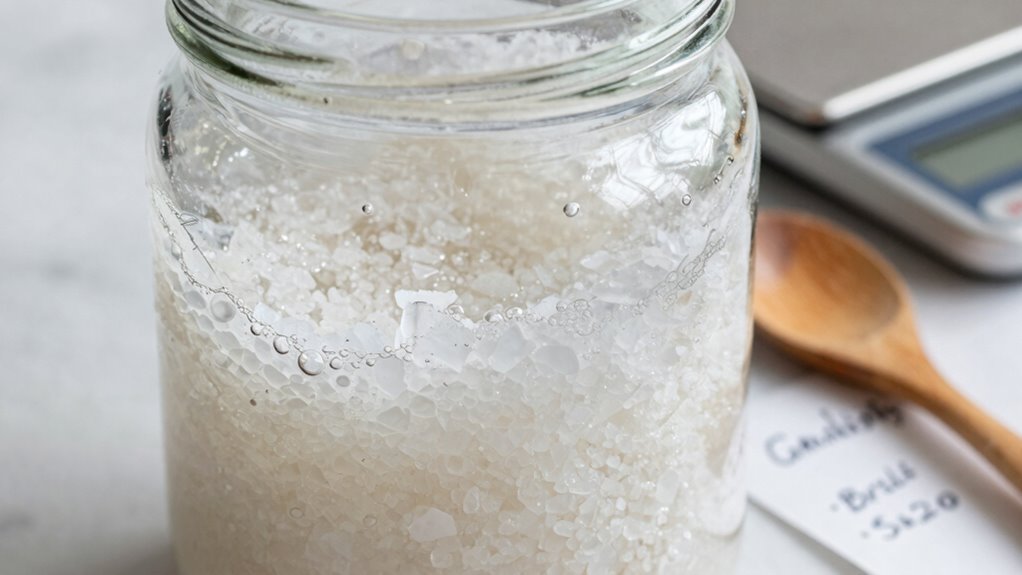
Creating the perfect salt brine at home is simple if you follow a few key steps. First, measure the right amount of salt—usually 2-3% of your water weight—to guarantee fermentation safety and ideal salt health benefits. Dissolve the salt completely in clean, filtered water, stirring until no grains remain. Use a non-reactive container, like glass or food-grade plastic, to prevent contamination. Submerge your ferment fully in the brine, keeping it below the surface with a weight if needed. Cover loosely to allow gases to escape. Taste the brine—if it’s too salty or not salty enough, adjust accordingly. Making your salt brine with care helps maintain safety and maximizes the health benefits of fermentation. Proper salt concentration is essential for a successful ferment, as it inhibits unwanted bacteria while encouraging beneficial microbes. Ensuring your fermentation environment is free from contaminants through cleanliness practices can also improve results. Free floating techniques can also be used to ensure the ferment remains fully submerged and protected from contaminants.
Troubleshooting Salt Brine Problems: Too Salty or Not Salty Enough?

If your salt brine isn’t turning out as expected—either too salty or not salty enough—it’s important to identify and fix the problem quickly. Incorrect salt levels can compromise fermentation safety and lead to spoilage. To troubleshoot:
- Double-check your salt measurement techniques—use a scale for accuracy.
- Taste test your brine—aim for a salty but not overpowering flavor.
- Adjust by adding more water if too salty, or more salt if not salty enough.
- Monitor fermentation conditions—temperature and oxygen levels impact salt effectiveness.
Adjusting Salt Levels for Different Fermentation Conditions
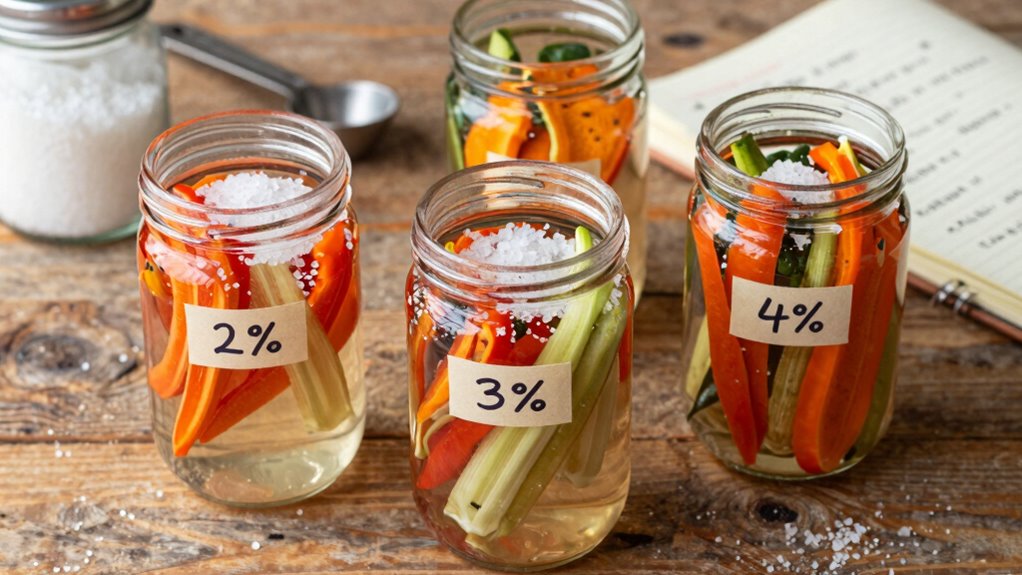
Adjusting salt levels is essential because different fermentation conditions require tailored salt concentrations to guarantee safety and quality. Warmer temperatures often speed up fermentation, so you may need to slightly increase the salt percentage to inhibit unwanted bacteria and ensure fermentation safety. Cooler environments might need a lower salt level to promote proper fermentation. Humidity and salt sourcing also influence the ideal concentration; higher humidity can promote mold growth, requiring a more precise salt brine. Always consider the quality of your salt, as different sources can have varying mineral content that affects fermentation. Additionally, utilizing smart monitoring tools can help you track environmental conditions like temperature and humidity, enabling more precise salt adjustments. Regularly testing your brine helps ensure your salt levels remain optimal throughout the fermentation process. By adjusting salt levels according to specific conditions, you help prevent spoilage, support healthy bacterial activity, and maintain consistent results. Proper calibration of salt ensures your ferments stay safe and delicious.
Why Using the Correct Salt Brine Ensures Food Safety and Great Flavor
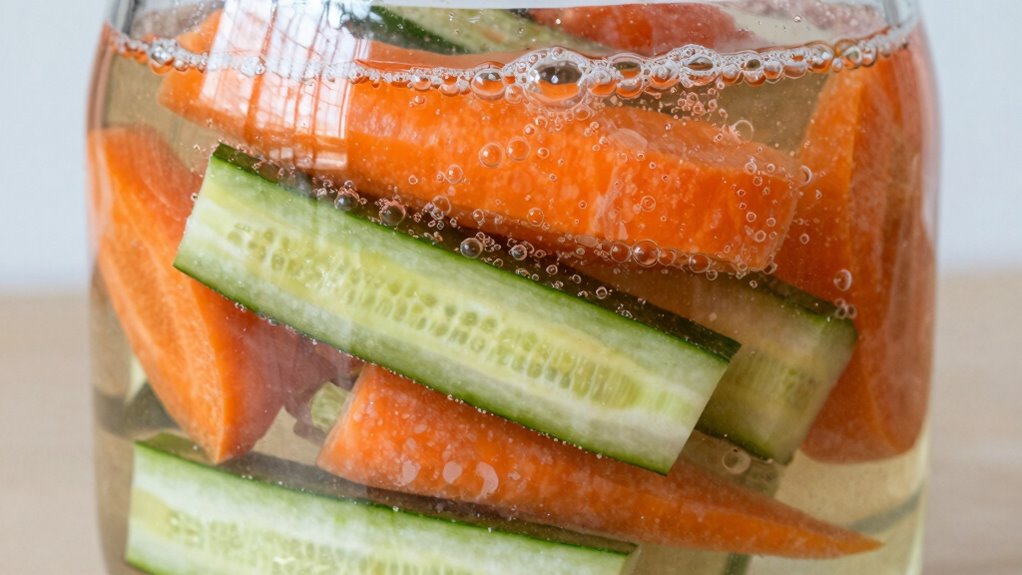
Using the correct salt brine is essential because it directly influences both the safety and flavor of your fermented foods. A proper salt level prevents salt toxicity, which can cause spoilage or health risks, and assures a balanced, delicious taste. When you get the salt percentage right, you avoid reliance on salt substitutes that may alter fermentation or introduce additives.
Consider these benefits:
- You reduce the risk of harmful bacteria thriving.
- You achieve a consistent, savory flavor every time.
- You prevent over-salting, which can ruin texture and taste.
- You promote safe fermentation, giving you confidence in your preserved foods.
Using accurate salt brine formulations guarantees safe, flavorful results every batch.
Tips for Storing and Reusing Your Salt Brine
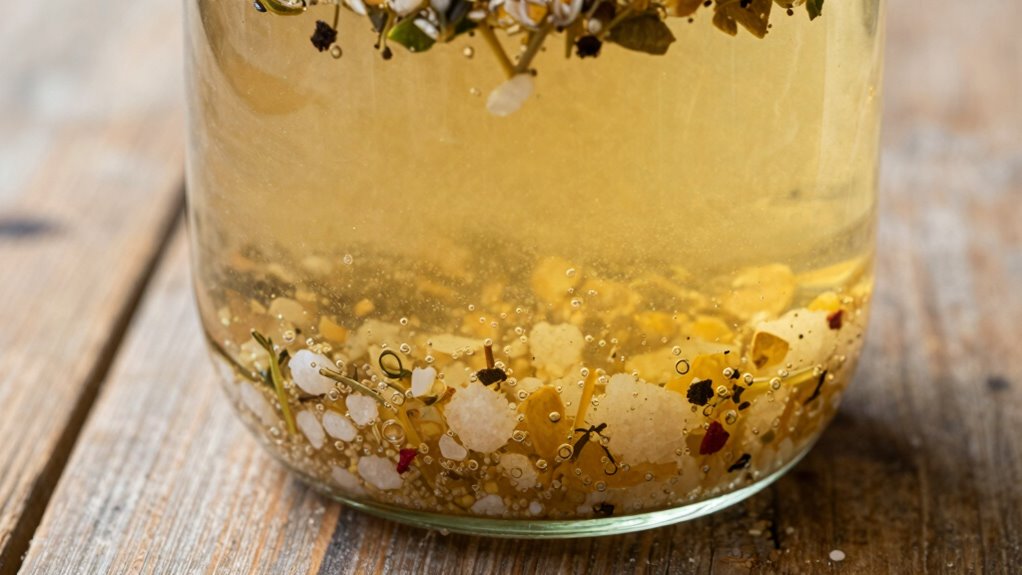
Proper storage and reuse of your salt brine can save time and improve consistency in your fermentations. Keep your brine airtight in a glass jar or plastic container to prevent contamination. Check the brine’s salt preservation by observing its clarity and salt concentration; it should remain clear with no mold or cloudiness. When reusing, taste to ensure the flavor is balanced and adjust salt levels if needed. Label your container with the date and salt percentage to track freshness. Use the following visual guide:
| Container Type | Storage Time | Salt Concentration |
|---|---|---|
| Glass jar | Up to 1 month | 2-3% salt |
| Plastic bottle | 2 weeks | 2-3% salt |
| Fermentation pot | 1 month | 2-3% salt |
| Reused brine | Adjust as needed | Maintain salt levels |
FAQs About Salt Brine Percentages in Fermentation

Are you wondering what the ideal salt concentration is for fermentation? Understanding common brine ratios can help you achieve consistent, tasty results. Let’s explore these key points so you can confidently prepare your brine.
Ideal Salt Concentration
Finding the ideal salt concentration for fermentation is essential to guarantee both safety and flavor. When you get the right balance, you optimize brine preservation while respecting salt chemistry. Too little salt risks spoilage; too much kills beneficial microbes. Consider these key points:
- A 2-3% salt solution creates a safe environment, encouraging good bacteria.
- 5-8% salt enhances flavor and speeds fermentation.
- Excessive salt (>10%) can halt fermentation altogether.
- Precise salt levels ensure consistent results, making your ferments reliably delicious.
Understanding salt chemistry helps you avoid pitfalls and craft perfect ferments every time. By mastering ideal salt concentrations, you protect your produce, develop complex flavors, and enjoy peace of mind knowing your fermentation process is safe and effective.
Common Brine Ratios
Curious about how much salt to use in your fermentation brine? Common brine ratios typically range from 2% to 5%, with 2-3% being most popular for vegetables. For example, a 2% brine means dissolving 2 grams of salt in 100 milliliters of water. If you’re adding pickling spice, guarantee it’s evenly distributed in your fermentation vessels to enhance flavor without disrupting the salt balance. Some fermenters prefer a higher concentration for longer storage, while others opt for a milder brine for quicker fermentation. Always adjust based on the specific vegetable or product. Remember, consistency matters, and precise measurements help prevent spoilage or mold. Using the right common brine ratio ensures your ferments develop flavor and texture perfectly.
Frequently Asked Questions
Can I Use Sea Salt Instead of Table Salt for Brining?
Yes, you can use sea salt instead of table salt for brining. Just keep in mind that sea salt varies in purity and may contain minerals that influence flavor. These minerals can add complexity or sometimes alter the taste of your ferment. To guarantee consistent results, choose high-quality, pure sea salt with minimal impurities, and adjust your salt percentage accordingly to maintain the proper fermentation environment.
How Long Can I Store Homemade Salt Brine Safely?
You can store homemade salt brine for up to six months if you keep it in a sealed, sterilized jar in the fridge. Keep an eye out for spoilage indicators like mold, off smells, or cloudy liquid—if any appear, discard it. A surprising fact: sometimes, a faint fermentation smell is normal, but any strong or sour odor signifies it’s time to toss. Proper storage guarantees safe, flavorful results.
Does the Type of Salt Affect Fermentation Outcomes?
Yes, the type of salt influences fermentation outcomes. You should consider salt purity and mineral content when choosing your salt. Pure, unrefined sea salt or kosher salt typically contain fewer additives and minerals that can interfere with fermentation. Using refined table salt with anti-caking agents might hinder the process. Opt for salts with minimal mineral content to guarantee a smooth, successful fermentation and consistent flavors in your preserved foods.
Can I Adjust Salt Percentage During Fermentation?
Imagine steering a ship through changing tides—that’s how salinity adjustments work during fermentation. You can tweak the salt percentage to control fermentation, adding a pinch or a splash as needed. Just remember, gradual salinity adjustments help maintain fermentation control, preventing spoilage or overly sour flavors. Keep a close eye on your ferment’s progress, making small changes to guide it safely toward delicious, well-balanced results.
What Are Signs of Incorrect Salt Brine Fermentation?
If you notice signs of fermentation failure, like an off smell or sliminess, it could indicate incorrect salt brine fermentation. Mold development on the surface is a clear warning sign that your fermentation isn’t going well. You might also see discoloration or bubbling that doesn’t smell right. These signs suggest you should check your salt levels and ascertain your environment stays sterile to prevent mold and keep fermentation successful.
Conclusion
Getting your salt brine just right is the key to revealing delicious, safe ferments. Think of it as the secret recipe that keeps your flavors vibrant and your food safe from unwanted guests. With a little attention and the simple formula we’ve shared, you’ll master the art of perfect fermentation. So, explore confidently—your taste buds will thank you for the flavorful, well-preserved treasures you’ll create, turning your kitchen into a bubbling cauldron of delicious possibilities.