
Fermentation works by using microbes like bacteria, yeast, and molds to transform foods, changing their flavors, textures, and how your body digests them. It produces beneficial acids, alcohols, and gases that add tangy, complex tastes and softer textures. This process also boosts nutrients and introduces probiotics, which support your gut health and improve digestion. If you keep exploring, you’ll discover how fermentation can elevate your food experiences and well-being even more.
Key Takeaways
- Fermentation transforms food by producing acids, alcohols, and gases, which develop complex flavors and textures.
- It enhances taste, making foods tangy, sour, or effervescent, depending on the microbes involved.
- Fermentation increases nutrient availability and introduces beneficial probiotics that support digestion.
- Microorganisms lower the pH, creating a safe environment by inhibiting harmful bacteria.
- Consuming fermented foods improves gut health, digestion, and overall immune function.

Cutting Edge Cultures Vegetable Starter Culture, 6 Pouches, 12g
Contains 6 pouches each pouch ferments 5 pounds of vegetables
As an affiliate, we earn on qualifying purchases.
As an affiliate, we earn on qualifying purchases.
What Is Fermentation and How Does It Work?
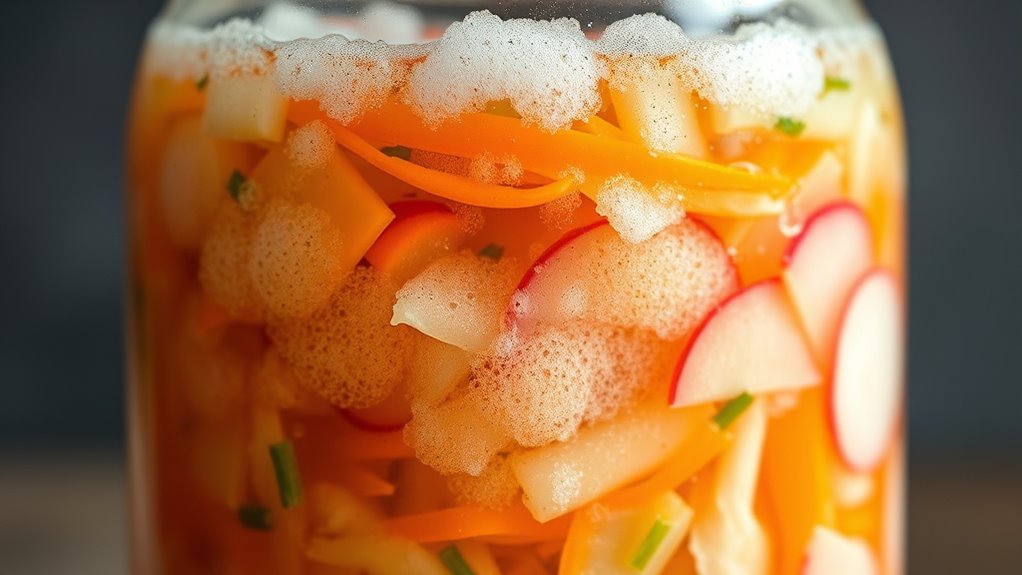
Fermentation is a natural process that transforms organic substances through the activity of microorganisms like bacteria, yeast, or molds. Throughout fermentation history, humans have harnessed this process for food preservation and flavor development. Many fermentation myths suggest it’s a purely modern technique, but it dates back thousands of years, with ancient cultures fermenting foods like bread, wine, and cheese. Microorganisms break down sugars and other compounds, producing alcohol, acids, and gases that change the food’s texture and flavor. This process is spontaneous, often relying on natural microbes, or it can be controlled through specific cultures. Understanding fermentation’s history helps you appreciate its longevity, and dispelling myths reveals how fundamental and natural this process truly is. Fermentation’s history highlights its deep roots in human culture and science. Additionally, the microbial activity involved in fermentation is a fascinating example of biological transformation that continues to influence modern food practices. Recognizing the microbial diversity involved underscores how complex and adaptable fermentation processes can be across different cultures and environments, revealing the biological complexity behind this ancient technique.

2 Pack 1 Gallon Large Fermentation Jars with 3 Airlocks and 2 SCREW Lids(100% Airtight Heavy Duty Lid w Silicone) – Wide Mouth Glass Jars w Scale Mark – Pickle Jars for Sauerkraut, Sourdough Starter
SUPER Fermentation Lid for Airlock: The improved threaded lids are sturdy, durable and rust free, they are airtight…
As an affiliate, we earn on qualifying purchases.
As an affiliate, we earn on qualifying purchases.
Why Does Fermentation Change Food Flavors and Textures?
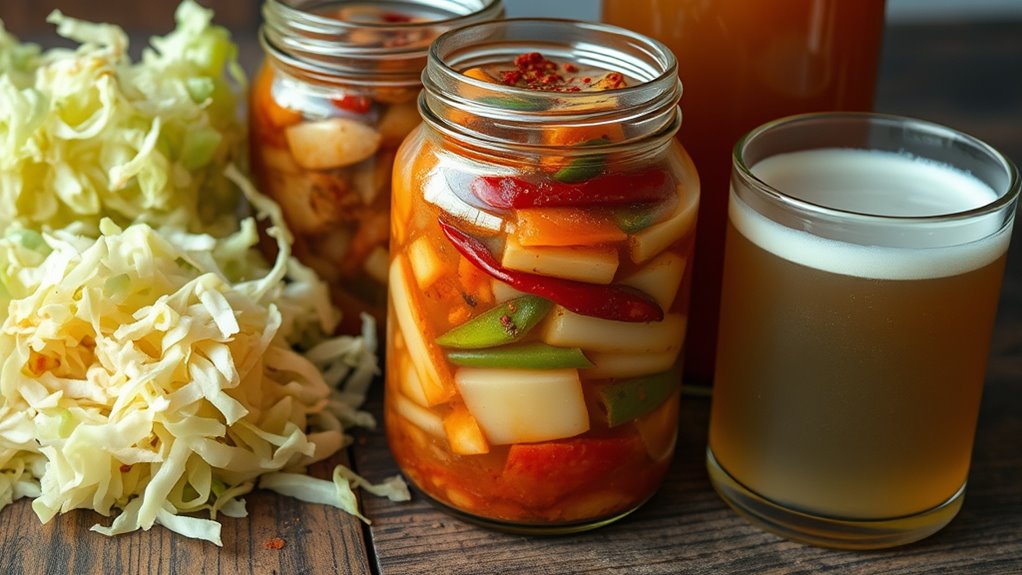
As microorganisms break down sugars and other compounds during fermentation, they produce a variety of byproducts like acids, alcohols, and gases that directly influence the food’s flavor and texture. This process causes a flavor transformation, giving foods tangy, sour, or complex tastes that weren’t there before. The microbes involved in fermentation modify the food’s chemical makeup, breaking down cell walls and producing new compounds, which results in the development of unique flavors and textures. Additionally, the fermentation process can enhance the nutritional value of foods by increasing the availability of certain nutrients and probiotics. These microbial activities can also promote food safety by reducing harmful bacteria. Simultaneously, the texture evolves as the food’s structure changes—crispness softens or becomes effervescent, depending on the fermentation type. These changes happen because the microorganisms modify the food’s chemical makeup, breaking down cell walls and producing new compounds. The result is a more layered, vibrant flavor profile and a different mouthfeel. This dynamic interplay explains why fermented foods taste and feel so distinct from their original raw ingredients. Additionally, the fermentation process supports sustainable food practices by reducing waste and extending shelf life. Understanding the chemical transformation that occurs during fermentation helps explain these sensory changes and highlights the process’s benefits for flavor development and food preservation.

Physician's CHOICE Probiotics 60 Billion CFU – 10 Strains + Organic Prebiotics – Immune, Digestive & Gut Health – Supports Occasional Constipation, Diarrhea, Gas & Bloating – for Women & Men – 30ct
Max Strength General Purpose Probiotic: Our non-refrigerated probiotic is designed to support digestive health & gut health. A…
As an affiliate, we earn on qualifying purchases.
As an affiliate, we earn on qualifying purchases.
How Do Probiotics in Fermented Foods Support Digestion?

Probiotics in fermented foods help keep your gut flora balanced, supporting overall digestive health. When your gut bacteria are in harmony, you may notice better digestion and fewer discomforts. Plus, these beneficial microbes can improve your body’s ability to absorb nutrients from the foods you eat. Maintaining a healthy gut microbiome is essential for digestive function and overall well-being. Engaging in brain-boosting activities can further enhance mental clarity and reduce stress, contributing to a healthier digestive system.
Gut Flora Balance
Probiotics found in fermented foods can substantially improve your digestive health by maintaining a healthy balance of gut bacteria. This balance, known as gut flora, is essential for proper digestion and overall well-being. By promoting probiotic diversity, fermented foods introduce a variety of beneficial strains that help prevent harmful bacteria from dominating. A diverse microbiome enhances resilience, allowing your gut to adapt to stressors and recover from imbalances more quickly. When your gut flora stays balanced, you’re less likely to experience issues like bloating, discomfort, or irregularity. Incorporating fermented foods regularly helps support this delicate ecosystem, ensuring your digestion runs smoothly and your gut remains resilient against external challenges.
Enhanced Nutrient Absorption
Maintaining a balanced gut flora not only supports digestion but also enhances your body’s ability to absorb nutrients effectively. Probiotics in fermented foods improve nutrient bioavailability by breaking down complex compounds, making vitamins and minerals easier to absorb. Different fermentation techniques influence probiotic strains and their efficiency, impacting nutrient absorption levels. For example:
| Fermentation Technique | Probiotic Strains | Impact on Nutrients |
|---|---|---|
| Lactic acid fermentation | Lactobacillus, Bifidobacterium | Increases vitamin synthesis |
| Alcohol fermentation | Saccharomyces cerevisiae | Enhances mineral solubility |
| Acetic acid fermentation | Acetobacter | Improves digestion of carbs |
| Cheese fermentation | Lactococcus, Propionibacterium | Boosts calcium absorption |
| Kombucha fermentation | Gluconobacter | Supports detoxification |
These techniques optimize probiotic activity, directly supporting your digestion and nutrient uptake. Additionally, microbial diversity in fermented foods can further enhance this process by promoting a resilient gut microbiome. Incorporating a variety of fermented foods can maximize health benefits and support overall digestive health.

Fermented Vegetables, 10th Anniversary Edition: Creative Recipes for Fermenting 72 Vegetables, Fruits, & Herbs in Brined Pickles, Chutneys, Kimchis, Krauts, Pastes & Relishes
As an affiliate, we earn on qualifying purchases.
As an affiliate, we earn on qualifying purchases.
Popular Fermented Foods and Their Unique Benefits
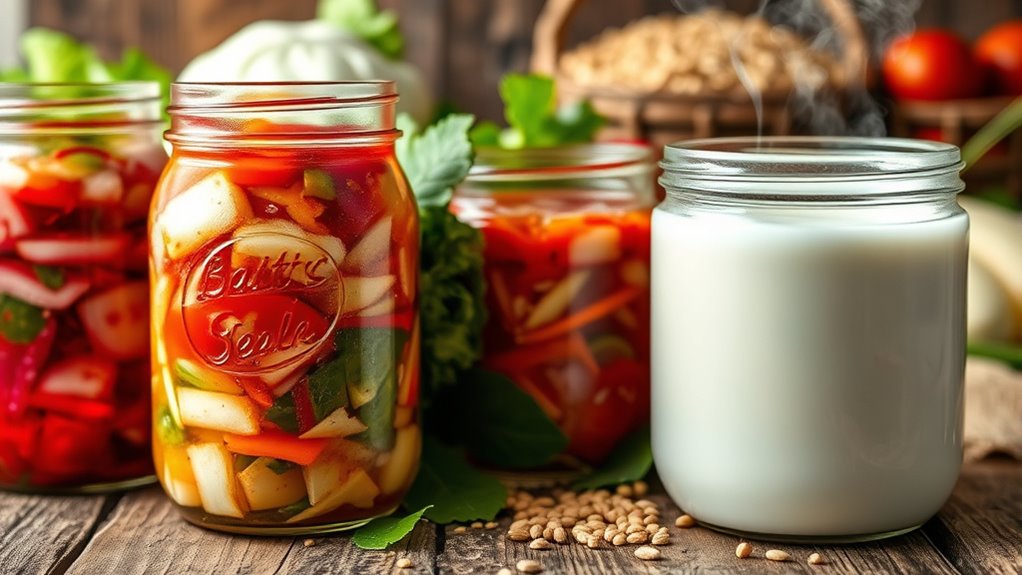
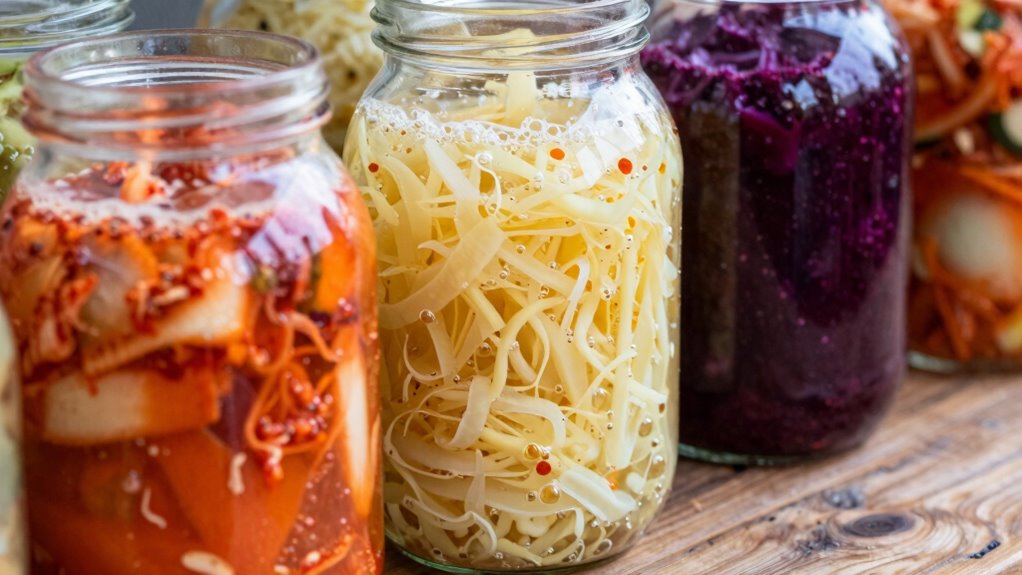
Many popular fermented foods offer unique health benefits that make them valuable additions to your diet. Fermented beverages like kombucha and kefir are rich in probiotics that support gut health and boost immunity. They also provide natural vitamins and antioxidants. Dairy fermentation, such as yogurt and cheese, enhances digestibility and introduces beneficial bacteria that aid digestion and improve nutrient absorption. Sauerkraut and kimchi, fermented vegetables, offer fiber and probiotics that promote a healthy gut environment. These foods not only support digestion but can also help reduce inflammation and improve mood. Incorporating a variety of these fermented options into your meals can diversify your gut flora and enhance overall well-being, making fermentation a delicious and healthful practice. Probiotic-rich foods Additionally, some fermented foods can influence auditory processing and other bodily functions, emphasizing their comprehensive health benefits. Recognizing the importance of gut microbiota diversity highlights how these foods contribute to a balanced and resilient digestive system.
What Scientific Changes Happen During Fermentation?
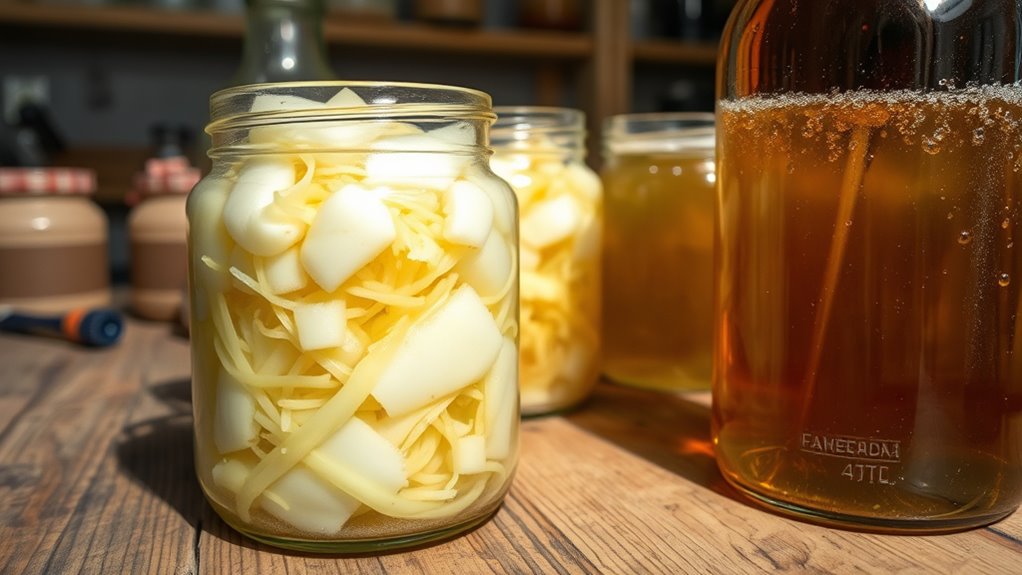
During fermentation, microorganisms such as bacteria, yeast, or molds convert carbohydrates in food into other compounds, mainly alcohols, acids, and gases. This process involves enzyme activity, which accelerates chemical reactions that break down sugars and starches. As fermentation progresses, pH fluctuations occur, typically dropping as acids like lactic acid build up, creating an environment that inhibits harmful microbes. These changes alter the food’s flavor, texture, and digestibility. The table below illustrates key scientific changes:
| Microorganism | Main Products | pH Effect |
|---|---|---|
| Bacteria | Lactic acid, gases | pH decreases |
| Yeast | Alcohol, CO₂ | Slight pH rise or stable |
| Molds | Enzymes, acids | pH fluctuations |
Understanding these changes helps you grasp how fermentation transforms food at a molecular level. Understanding fermentation processes can also reveal how these microbial activities influence the nutritional profile of fermented foods, which is a key aspect of food science. Additionally, the pH changes that occur during fermentation are crucial in determining the safety and shelf life of fermented products. Recognizing microbial activity during fermentation helps ensure the quality and safety of these foods.
Beginner’s Guide to Safe Home Fermentation

Getting started with home fermentation is exciting, but it’s important to guarantee safety to ensure your fermented foods are both delicious and safe to eat. Many fermentation myths can lead beginners astray, so stick to tried-and-true methods. Using homemade starters can help control fermentation and reduce contamination risks, but always confirm your equipment is clean. Keep your environment consistent, avoid overfilling jars, and use proper salt concentrations to inhibit unwanted bacteria. If you notice mold or foul odors, discard the batch—safety first. Trust your senses and practice good hygiene. Remember, fermentation is an art grounded in science, so patience and attention to detail are key. Proper fermentation techniques are essential for successful results. Additionally, understanding family photoshoot fails can help you prepare better for capturing memorable moments during your fermentation journey. By following these guidelines, you’ll enjoy safe, tasty homemade ferments every time. Incorporating traditional practices can enhance both flavor and cultural connection in your fermentation process.
How Fermentation Enhances Nutrient Absorption and Gut Health
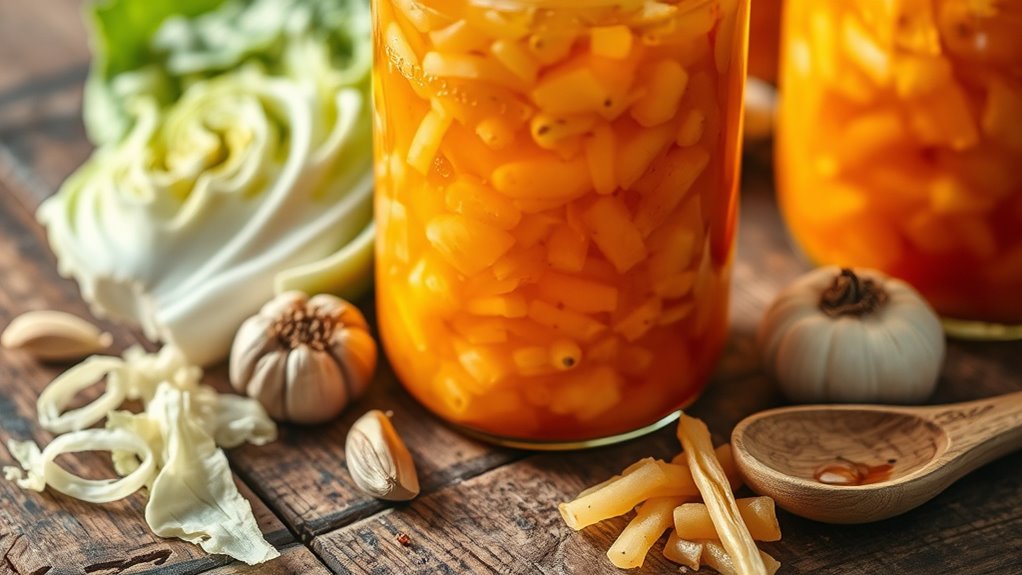
Fermentation considerably boosts nutrient absorption and promotes better gut health by breaking down complex compounds in food. This process enhances fermentation and enzyme activity, making nutrients like vitamins, minerals, and antioxidants more accessible for your body to absorb. As beneficial microbes ferment your food, they produce enzymes that pre-digest nutrients, reducing your digestive system’s workload. Additionally, fermentation supports your immunity by increasing the diversity of gut bacteria, which strengthens your immune defenses. The improved gut environment from fermentation encourages the growth of beneficial microbes, further enhancing nutrient uptake. Enhanced nutrient bioavailability is a key benefit, helping your body utilize food more efficiently. By incorporating fermented foods into your diet, you help optimize digestion, boost nutrient bioavailability, and strengthen your overall gut health, leading to better immunity and well-being.
Frequently Asked Questions
Can Fermentation Help With Specific Health Conditions or Allergies?
Yes, fermentation can help with specific health conditions and allergies. By improving your gut health, fermented foods boost your immune system and may reduce allergy symptoms. The probiotics in fermented products support digestion and help balance your gut bacteria, which can alleviate issues like food allergies or sensitivities. Incorporating fermented foods into your diet might provide allergy relief and promote overall wellness, especially if you struggle with digestive or immune-related conditions.
How Long Should I Ferment Different Foods for Optimal Benefits?
You should ferment foods for different durations to maximize benefits and flavor development. For example, sauerkraut typically ferments for 1-4 weeks, while yogurt needs only 6-12 hours. Interestingly, longer fermentation can boost probiotic content—up to 50% more in some cases. To find the best fermentation duration, monitor taste and texture; shorter times preserve freshness, while extended periods deepen flavor and enhance health benefits.
Are There Risks of Harmful Bacteria in Home Fermentation?
Yes, there are risks of harmful bacteria in home fermentation if you don’t follow proper hygiene practices. To minimize contamination risks, always wash your hands, sterilize equipment, and keep everything clean. Use fresh ingredients, monitor fermentation conditions, and avoid over-fermentation. If you notice mold, foul odors, or unusual colors, discard the batch. Staying vigilant and maintaining good hygiene guarantees safe, delicious fermented foods.
Does Fermentation Affect the Calorie Content of Foods?
Yes, fermentation can affect the calorie content of foods. It often leads to calorie reduction by breaking down carbs and sugars, making foods easier to digest. This process also helps preserve nutrients, so you still get essential vitamins and minerals. As a result, fermented foods can be lower in calories while maintaining their nutritional value, making them a smart choice for healthier eating.
Can Fermentation Be Used to Preserve Seasonal Fruits and Vegetables?
Yes, fermentation can be used for seasonal preservation of fruits and vegetables. By using fermentation techniques like brining or lacto-fermentation, you can extend the shelf life of your produce and enjoy seasonal flavors year-round. These methods encourage beneficial bacteria growth, which naturally preserves your foods while adding unique tangy tastes. So, next time you have extra harvest, try fermentation to preserve it effectively and deliciously.
Conclusion
So, now you’re a fermentation expert—ready to turn your kitchen into a probiotic paradise. Just remember, while fermenting foods might seem like a harmless science experiment, it’s actually a sneaky way to trick your taste buds and gut into thinking they’ve hit the flavor jackpot. So go ahead, embrace the tang, enjoy the health perks, and maybe, just maybe, impress your friends with your newfound fermentation prowess—without turning your kitchen into a science lab.