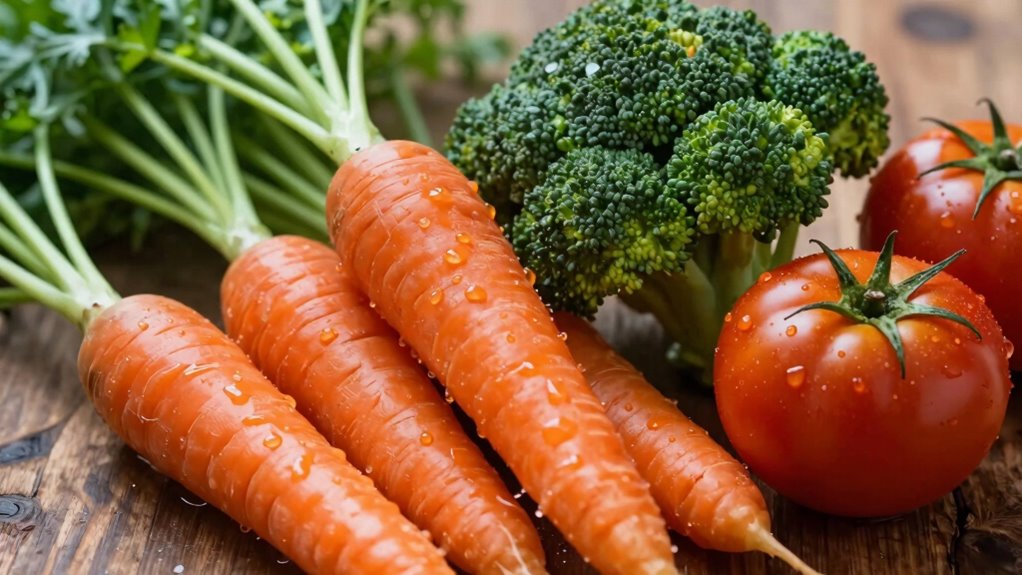

Vegetables turn mushy even when you’re careful because their cell walls break down over time or with heat, releasing enzymes that soften the produce. Handling them gently doesn’t stop this natural process, especially if they’re stored too long or overcooked. Factors like temperature, moisture, and storage methods speed up softening. To keep your vegetables crisp longer, understanding these causes and how to prevent them can make a big difference—more tips ahead.

Get kitchen staples and gadgets delivered free — and shop member deals
- Fast, free delivery on millions of items
- Access to Prime Big Deal Days deals on October 6–7
- Prime Video, Amazon Music and more included
Key Takeaways
- Overripe or aged vegetables have weakened cell walls, making them more prone to mushiness during cooking.
- Improper storage conditions, such as high temperatures or excess moisture, accelerate cell wall breakdown.
- Washing vegetables before storage introduces moisture, which speeds up spoilage and softening.
- Overcooking or using high heat quickly degrades cell structures, resulting in soggy textures.
- Using damaged or low-quality produce increases the likelihood of mushiness even when handled carefully.
vegetable storage containers with humidity control
As an affiliate, we earn on qualifying purchases.
As an affiliate, we earn on qualifying purchases.
Why Do Vegetables Turn Mushy? The Science of Texture Loss
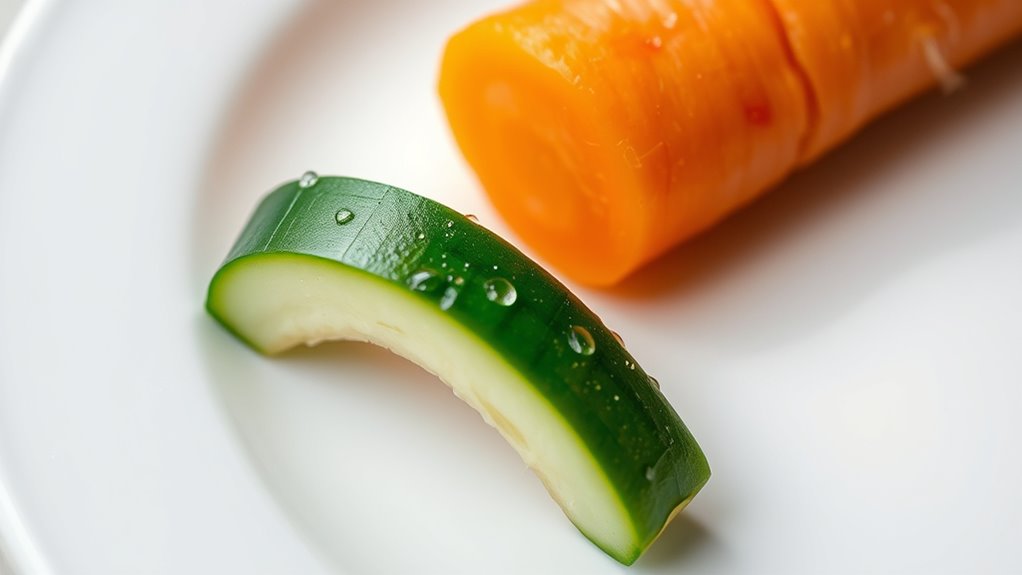
Vegetables turn mushy mainly because their cell structures break down during storage or cooking. This process involves cell wall degradation, which weakens the rigid framework that keeps vegetables firm. When the cell walls weaken, they can’t hold water as effectively, leading to a loss of water content inside the cells. As water escapes or redistributes, vegetables become softer and more fragile. The breakdown of the cell wall also releases enzymes that further accelerate this texture loss. Temperature and time play roles in speeding up cell wall degradation, especially with prolonged storage or overcooking. Ultimately, the weakening of the cell wall and the decrease in water content cause vegetables to lose their firmness, resulting in that mushy texture you notice when they’re overdone or improperly stored.
As an affiliate, we earn on qualifying purchases.
What Causes Vegetables to Soft En? Storage and Cooking Factors
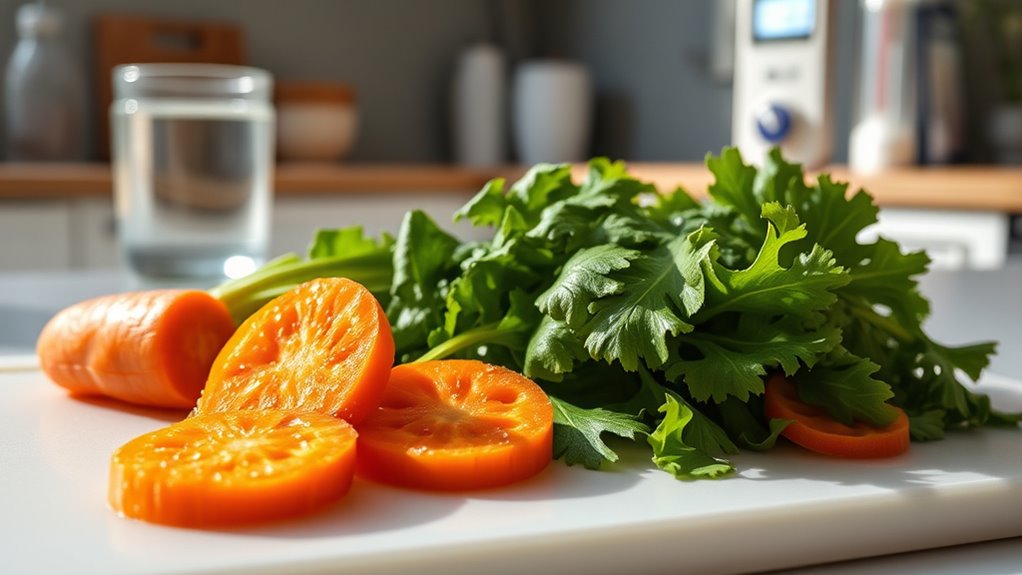
Storage conditions and cooking methods considerably influence how vegetables retain their firmness or become soft. When you store vegetables at warm temperatures or expose them to excessive moisture, you accelerate vegetable ripening, which leads to softer textures. Overripe vegetables are more prone to becoming mushy during cooking. Additionally, prolonged storage can cause nutrient degradation, weakening cell walls and making vegetables less resilient to heat. Proper color accuracy calibration can help preserve the visual quality of vegetables during preparation, ensuring they look fresh. Also, cell wall integrity plays a crucial role in how well vegetables hold their shape during cooking, with compromised walls leading to faster softening. Maintaining optimal storage conditions, such as cool, dry environments, supports cell wall strength and prolongs freshness. Cooking techniques also matter: boiling or overcooking breaks down cell walls faster, resulting in mushiness. Using high heat for too long speeds up this process, while gentle methods like steaming help preserve texture. To avoid mushiness, store vegetables properly and cook them just until tender, preventing unnecessary nutrient loss and maintaining their firmness.
vegetable freshness preservation bags
As an affiliate, we earn on qualifying purchases.
As an affiliate, we earn on qualifying purchases.
How Can You Keep Vegetables Crisp and Fresh Longer? Practical Tips
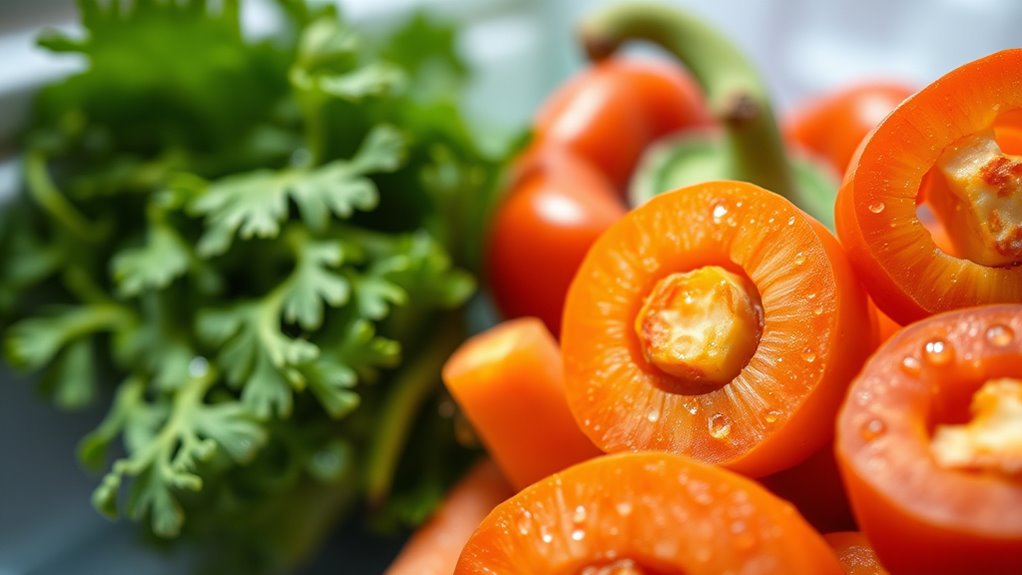
To keep vegetables crisp and fresh longer, you need to handle them properly right from the start. Freshness preservation begins with choosing high-quality produce and avoiding bruised or damaged items. Store vegetables using effective storage techniques, such as keeping leafy greens in perforated bags to allow airflow or placing root vegetables in a cool, dark place. Wrapping vegetables in paper towels can absorb excess moisture, preventing sogginess. Keep most vegetables in the crisper drawer of your refrigerator, which maintains ideal humidity. Avoid washing vegetables before storage; wash them just before use to prevent unnecessary moisture buildup. Proper storage techniques slow down spoilage and help maintain crispness, ensuring your vegetables stay fresh longer and retain their crunch. Additionally, understanding auditory processing can help you develop better sensory awareness, which is essential for handling produce gently and effectively. Recognizing food preservation methods can further enhance your ability to extend freshness and prevent spoilage. Using proper storage containers can also help maintain optimal conditions and prolong freshness. Being aware of airflow management around stored produce can also make a significant difference in keeping vegetables crisp.
high-quality chef's knives for vegetables
As an affiliate, we earn on qualifying purchases.
As an affiliate, we earn on qualifying purchases.
Common Mistakes That Soggy Vegetables and How to Avoid Them
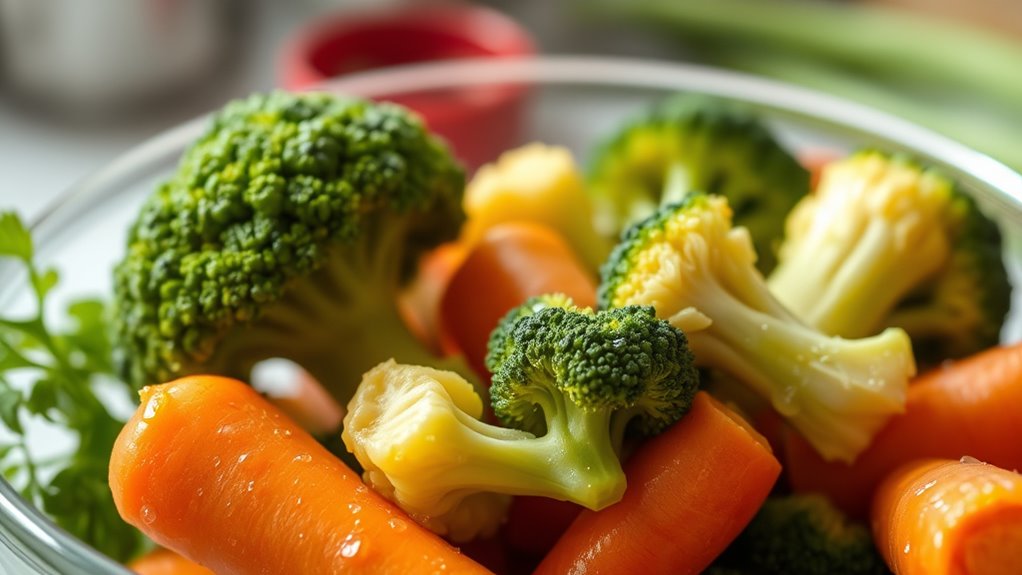
One of the most common mistakes that lead to soggy vegetables is washing them before storage, which introduces excess moisture and accelerates spoilage. Overwatering washing removes the natural barrier that keeps vegetables fresh and can cause faster rot. Improper peeling can also contribute to sogginess, especially if you peel too early or remove protective layers that help maintain moisture. To avoid these mistakes, keep these tips in mind:
- Wash vegetables just before cooking, not before storing.
- Use minimal water and dry thoroughly after washing.
- Peel only if necessary, and do so right before use.
- Store vegetables in breathable containers to prevent trapped moisture.
- Proper storage techniques can significantly extend freshness and prevent sogginess.
Following these steps helps prevent sogginess caused by excess moisture and improper peeling.
Quick Fixes for Mushy Vegetables: What to Do When Veggies Go Soft
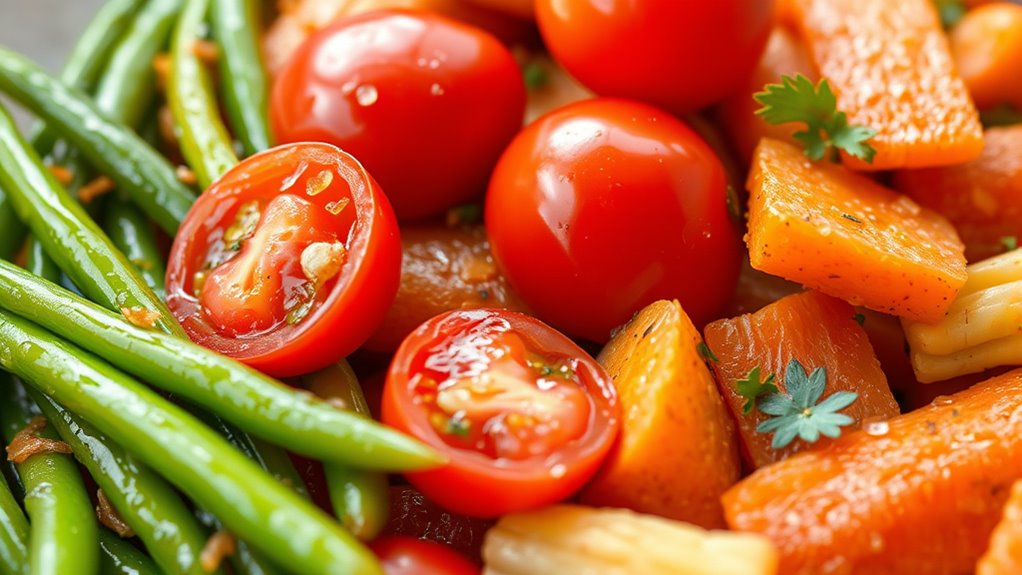
When vegetables start to turn mushy, quick action can often salvage their texture and flavor. If overwatering vegetables caused the softness, drain excess water immediately and pat them dry. For vegetables affected by improper blanching, consider repurposing them into a soup or stew where texture matters less. To prevent further deterioration, avoid reheating or overcooking. Here’s a quick guide:
| Issue | Solution |
|---|---|
| Overwatering vegetables | Drain, pat dry, and cook quickly to reduce mushiness |
| Improper blanching | Use in purees, soups, or stews to mask softness |
| Both | Incorporate into recipes where texture is less critical |
Additionally, using essential oils with antimicrobial and calming properties can help in some food preservation techniques, although they are more commonly used for health benefits rather than cooking. Applying proper storage techniques can also extend the freshness of vegetables and prevent mushiness. These quick fixes help minimize waste and maximize flavor even when veggies go soft.
Frequently Asked Questions
Does Cutting Vegetables Beforehand Affect Their Texture Longevity?
Pre-cut preservation can shorten the storage impact, causing your vegetables to spoil faster and lose their crunch. When you cut vegetables beforehand, you expose more surface area to air and moisture, which accelerates spoilage. To keep their texture longer, it’s best to cut just before use or store them properly in airtight containers. This way, you maintain freshness and prevent mushiness, ensuring your veggies stay crisp and tasty.
Can Different Cooking Methods Prevent Vegetables From Becoming Mushy?
Think of cooking methods as your vegetable’s shield against mushiness. Using techniques like steaming or stir-frying helps preserve their texture because they cook quickly and evenly. Blanching locks in firmness, while roasting caramelizes flavors without breaking down cell walls. By choosing the right cooking techniques, you protect your vegetables’ texture preservation, ensuring they stay crisp and vibrant, not soggy and limp. Your careful selection makes all the difference.
Are Organic Vegetables Less Likely to Turn Mushy Than Conventional Ones?
Organic vegetables are often less likely to turn mushy because their organic freshness typically means they’re fresher when you buy them. Plus, they’re grown without synthetic pesticides, which can impact cell structure and texture. As a result, organic produce tends to maintain its firmness longer. To keep your vegetables crisp, choose fresh, organic options, and handle them gently, regardless of whether they’re organic or conventional.
How Does the Age of Vegetables Influence Their Tendency to Soften?
The age of vegetables substantially impacts their tendency to soften. As they age, their freshness declines, and storage duration increases, causing cell walls to break down more easily. You’ll notice older vegetables soften faster because they’ve already started losing moisture and structural integrity. To keep them firm longer, use fresh produce and store it properly, minimizing storage duration and maintaining vegetable freshness.
Is It Better to Store Vegetables in the Refrigerator or at Room Temperature?
Did you know that vegetables stored in the fridge last up to four times longer than at room temperature? For ideal freshness, you should store vegetables in the refrigerator, where temperature control slows down spoilage and maintains texture. Keep your fridge at around 40°F (4°C) to prevent mushiness. Avoid room temperature storage for most vegetables, as warmth accelerates decay and softening, reducing their quality and shelf life.
Conclusion
To keep your vegetables crisp and fresh, pay attention to storage and cooking methods. Avoid common pitfalls that turn them mushy, and don’t be afraid to try quick fixes when things go south. Remember, you’re the boss of your kitchen, so with a little care, you can prevent your veggies from turning into a soggy mess. Stay vigilant, and your produce will stay delicious and firm—no need to throw in the towel.
NFL season / tailgating Picks
team gear
As an affiliate, we earn on qualifying purchases.