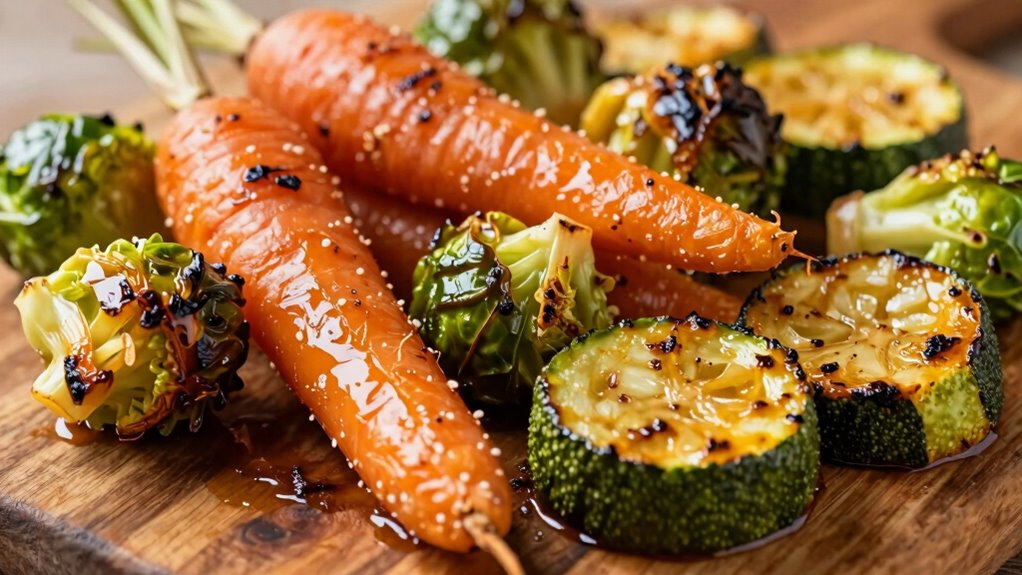
The secret behind crispy roasted veggies isn’t more oil but proper prep and technique. Use high-heat roasting, like 425°F, and spread your veggies out with enough space on the pan to prevent steaming. Toss them lightly with oil and dry vegetables thoroughly before roasting to reduce moisture. Turning the vegetables halfway helps even crispness. If you want perfect crunch without sogginess, following these tips will show you how to achieve it easily. Keep going to discover how!
Key Takeaways
- Properly dry vegetables before roasting to reduce surface moisture and promote crispness.
- Use high oven temperatures (around 425°F) and avoid overcrowding to ensure even browning.
- Spread vegetables in a single layer with space between pieces to allow hot air circulation.
- Turn vegetables halfway through roasting for uniform crispiness on all sides.
- Toss with minimal oil or substitutes like vinegar to enhance crunch without sogginess.

Commercial Quality Baking Sheet Pan Set, Natural Aluminum Cookie Sheet, Umite Chef Warp Resistant Baker's Half Sheet Pan, Large Thick Cookie Tray Pans for Baking, Roasting(2 Pack, 18X13In)
- Material: Pure uncoated aluminum for safe cooking
- Heat Conduction: Superior, even heat distribution for perfect baking
- Durability: Heavy-duty 18-gauge, 0.8mm thick construction
As an affiliate, we earn on qualifying purchases.
As an affiliate, we earn on qualifying purchases.
Why More Oil Won’t Make Your Veggies Crispy
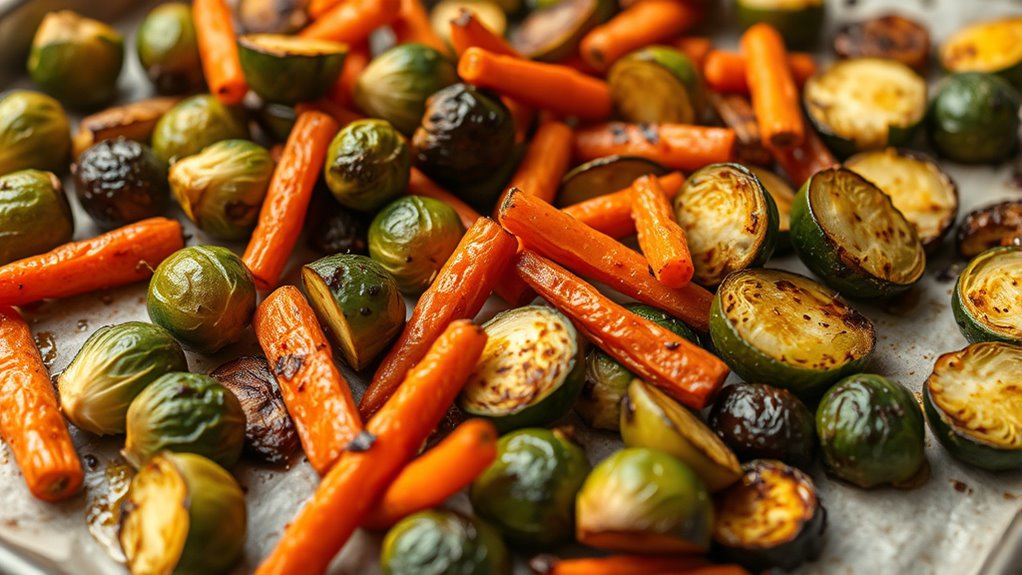
Many people assume that pouring more oil will make vegetables extra crispy, but in reality, excess oil can hinder that perfect crunch. The key is managing the oil quantity so it coats the vegetables evenly without creating a greasy layer. Too much oil can trap vegetable moisture, preventing the surface from crisping properly. When vegetables have high moisture content, excess oil can turn soggy instead of crispy. Instead of pouring on a lot of oil, use just enough to lightly coat your veggies, allowing the heat to evaporate moisture and promote browning. Proper oil quantity helps draw out moisture, which is essential for achieving that irresistible crunch. Additionally, Controlling indoor air quality can also help maintain a fresh kitchen environment while roasting. Proper cooking techniques, such as preheating the oven and avoiding overcrowding the pan, ensure the heat circulates evenly, leading to better crispiness without excess oil. Using oven temperature control is also crucial for consistent results. Paying attention to moisture management can further enhance the crispness by preventing steam buildup that hampers browning.

Decymis Cooling Rack and Baking Rack with Stainless Steel, 2 – Pack 10 x 15 Inches Heavy Duty Cooling Racks for Cooking and Baking, Sturdy Cookie Cooling Rack, Easy to Clean Oven & Dishwasher Safe
- Premium Stainless Steel: Food-grade, no harmful coatings
- Comfortable and Safe Design: Smooth edges, mirror polish for easy food release
- Oven Safe and Heat Resistant: Suitable for grill and oven, prevents warping
As an affiliate, we earn on qualifying purchases.
As an affiliate, we earn on qualifying purchases.
How to Set Your Oven for Perfect Crispy Roasting
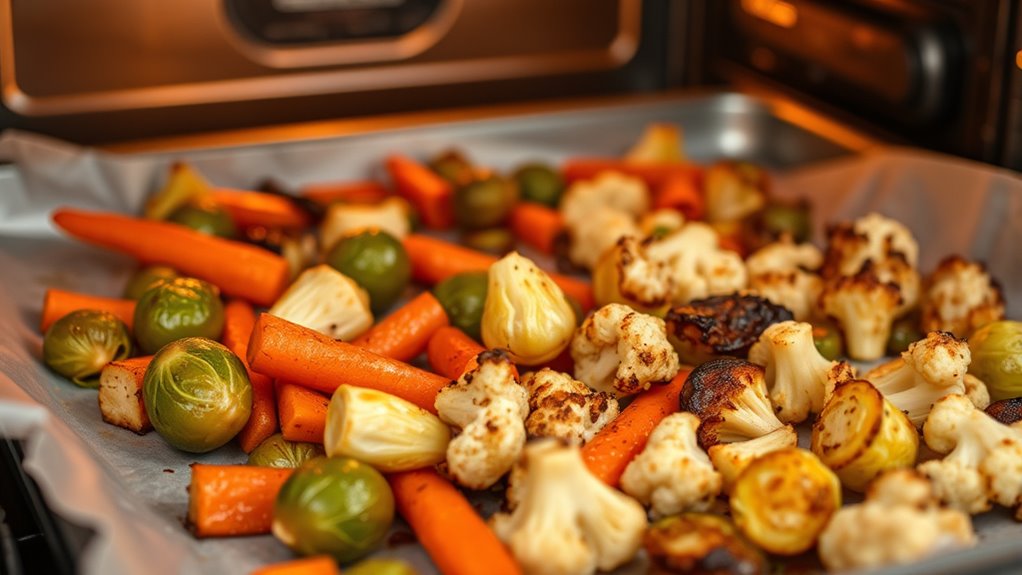
Setting your oven correctly is key to achieving that perfect crispy roasted veg. Start by preheating your oven to a high temperature, around 425°F (220°C), which promotes caramelization and crispiness. Rack positioning also matters; place the baking sheet on the middle or upper rack to ensure even heat exposure and better browning. If you want extra crispiness, use the top rack, but keep an eye to prevent burning. Avoid overcrowding the pan, as this traps moisture and hampers crisping. Using the right oven temperature and rack placement helps create the dry, hot environment needed for crispy edges without adding more oil. Employing a methodical approach to setting your oven ensures consistent results every time. Additionally, understanding oven heat distribution can help you make further adjustments for optimal crispiness, especially since oven hot spots can cause uneven baking. Recognizing the importance of convection fans in some ovens can also enhance the crisping process by circulating hot air more evenly.

Silicone Baking Mat with Red Pyramid Fat-Draining Design — Non Stick Baking Mat 16 x 11.5" for Oven, Bacon, Roasting Meats, BBQ and Pastry — Food-Grade, Flexible and Dishwasher-Safe Reusable Pan Liner
- Material: Food-grade, non-stick silicone
- Size: 16 x 11.5 inches
- Design: Red pyramid fat-draining design
As an affiliate, we earn on qualifying purchases.
As an affiliate, we earn on qualifying purchases.
Prep Veggies Right: Use High-Starch Types and Dry Them Well
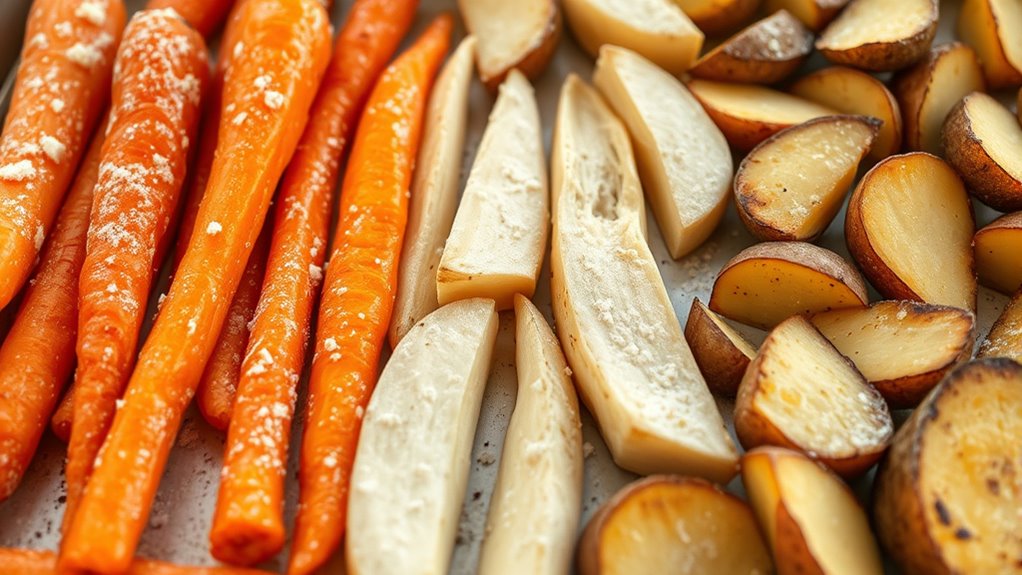
Choosing the right vegetables is essential for crispy roasted results; high-starch types like potatoes, sweet potatoes, parsnips, and carrots naturally develop a crispy exterior when roasted. To maximize crispiness, make sure to dry your vegetables thoroughly—wet surfaces hinder browning. Proper vegetable storage helps prevent excess moisture before roasting, keeping them dry and ready. Incorporating essential oils such as lemon or eucalyptus during preparation can also enhance aroma and add antimicrobial benefits natural cleaning properties. Consider these tips:
- Use high-starch vegetables for better crunch
- Pat vegetables dry with a clean towel or paper towels
- Store vegetables in a cool, dry place to reduce moisture
- Experiment with seasoning variations to enhance flavor and texture
Drying your veggies well ensures even crispness without adding unnecessary oil, and a variety of seasonings can elevate your roasted veg to new heights.
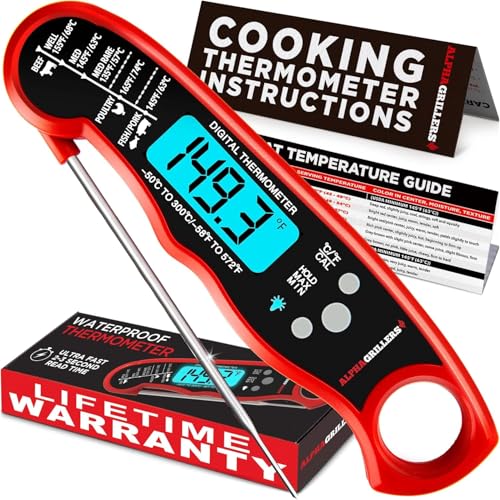
Alpha Grillers Meat Thermometer Digital – Instant Read Food Thermometer for Cooking & Grilling – Professional Kitchen Birthday Gifts for Men, Him, Dad, Husband, Boyfriend
- Fast Response Time: Reads temperature in 1-2 seconds
- Versatile Use: Suitable for grilling, baking, frying, and more
- Easy to Read Display: Bright blue backlight for clear readings
As an affiliate, we earn on qualifying purchases.
As an affiliate, we earn on qualifying purchases.
Toss Vegetables With Just a Thin Layer of Oil for Crunch
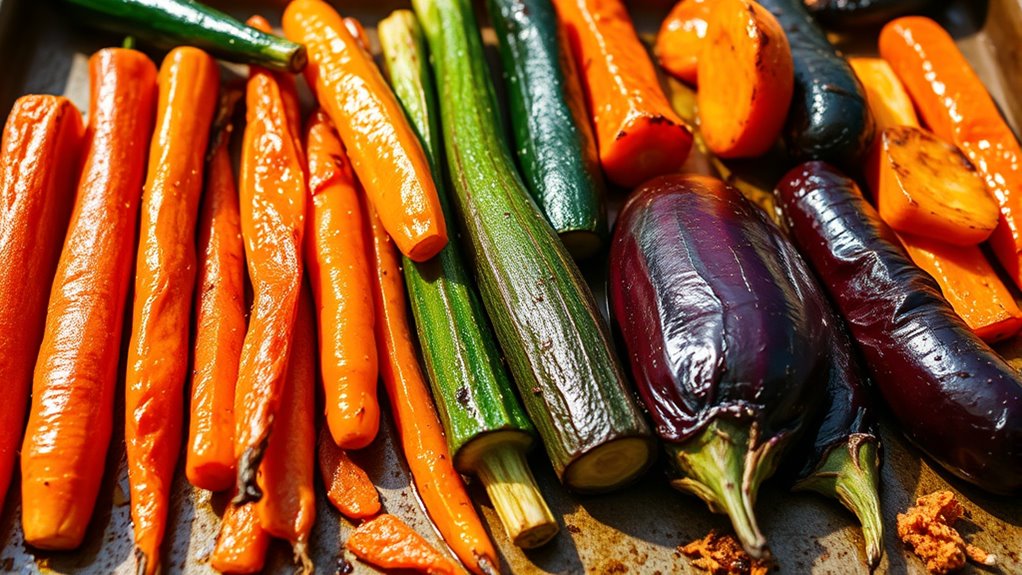
To get that perfect crunch, you should coat your vegetables with a light layer of oil. Make sure to toss them thoroughly so every piece gets a thin, even coat. Then, spread them out evenly on the pan to guarantee they roast crisp all over. Incorporating consistent feedback during roasting can help you achieve the ideal texture. Additionally, using natural ingredients can enhance flavor without relying on excess oil. Paying attention to even heat distribution can further improve your roasted veggie results. Ensuring proper ventilation in your kitchen can also help maintain optimal roasting conditions. Proper air circulation can prevent steaming and promote crispness.
Use Light Oil Coating
Using just a light coating of oil guarantees your vegetables stay crispy rather than greasy. A thin layer minimizes oil absorption, helping veggies retain their texture and preventing sogginess. It also enhances flavor without overpowering, ensuring your roasted vegetables taste vibrant and natural. To achieve this, consider these tips:
- Use a spray or a brush for even, controlled application
- Toss vegetables quickly to prevent excess oil buildup
- Stick to a small amount of oil, focusing on surface coverage
- Combine with herbs or spices for added flavor without extra oil
This approach keeps your veggies crunchy and flavorful, avoiding the heaviness that comes with too much oil. It’s about balance—just enough to improve flavor and texture, without sacrificing crispiness. For consistent results, using a sizing and load‑planning tool can help you determine the right amount of oil and seasoning for different vegetables. Additionally, understanding the hydration level of your vegetables can assist in optimizing your roasting technique for maximum crunch. Incorporating the appropriate preparation methods can further enhance crispiness and flavor. Moreover, selecting the right type of oil, such as light oils, can contribute to achieving that perfect crispy exterior without excess greasiness. Leveraging smart kitchen appliances with precise temperature and timing controls can also help perfect your roasting process.
Toss Vegetables Thoroughly
Ever wonder how to guarantee your vegetables stay crispy and flavorful? The key is to toss them thoroughly with a thin layer of oil, ensuring even coating. This method helps the seasoning variations stick better and promotes uniform crispiness. When selecting vegetables, choose those that roast well and have similar sizes for even cooking. Use a large bowl to toss your veggies with just enough oil to lightly coat each piece—no excess needed. Mix in your preferred seasonings before roasting, so every bite bursts with flavor. Proper tossing ensures the oil and seasonings distribute evenly, preventing sogginess and promoting crunch. Additionally, understanding roasting techniques can further help improve your results. Remember, thorough coating with minimal oil is what sets crispy roasted vegetables apart, giving you that perfect crunch without drowning them in oil.
Spread Evenly on Pan
Once your vegetables are evenly coated with a light layer of oil, the next step is to spread them out in a single, even layer on the baking pan. This guarantees they roast uniformly and become crispy. To achieve this, gently arrange them so they don’t overlap, allowing hot air to circulate freely. Keep in mind, seasoning variations can be added now for extra flavor—think herbs, spices, or garlic powder. For serving suggestions, consider pairing roasted veggies with dips, grains, or salads. When spreading, avoid crowding the pan; a crowded surface traps steam and softens the veggies instead of crisping them. Proper spacing guarantees maximum crunch. Remember, the key is a thin oil coating combined with even distribution for perfect, crispy roasted vegetables every time. Effective spreading techniques help ensure your vegetables become evenly crispy. Additionally, using layer concepts from construction and design can inspire how you arrange your vegetables to optimize airflow and crispiness. Incorporating air circulation principles can further enhance the crisping process by ensuring hot air reaches all surfaces evenly.
Keep Veggies Spaced Out on the Pan for Best Crispiness
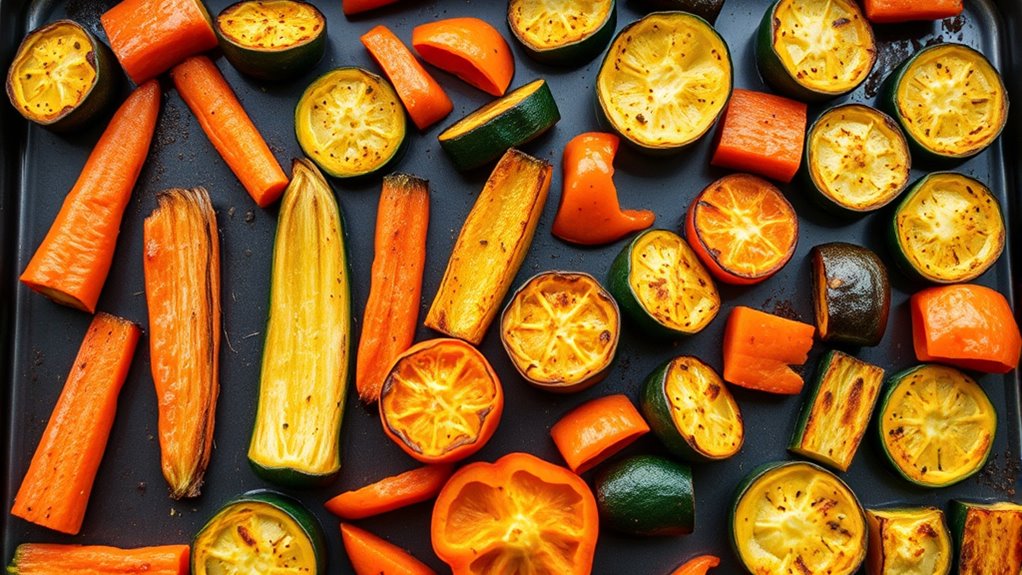
Make sure you space out your veggies on the pan to prevent steaming and promote crispiness. Avoid overcrowding, which traps moisture and softens the edges, and remember to turn them halfway through roasting. Proper spacing and turning help you achieve that perfect crispy texture.
Use Proper Spacing
To achieve perfectly crispy roasted vegetables, you need to make certain they’re spaced out evenly on the baking sheet. Proper spacing allows hot air to circulate, ensuring each piece crisps up instead of steaming. Avoid overcrowding, which traps moisture and leads to sogginess. Here are some tips to help:
- Use a baking sheet large enough to hold the veggies with space in between
- Arrange vegetables in a single, even layer
- Toss veggies with seasoning blends and alternative oils before spreading
- Leave at least ½ inch between pieces for ideal crispiness
Spacing not only improves texture but also enhances flavor absorption. By giving veggies room to breathe, you maximize crispiness without adding more oil. Proper spacing is key to delicious, evenly roasted veggies.
Avoid Overcrowding Pan
When spreading vegetables on your baking sheet, it’s important to avoid overcrowding. Overcrowding traps moisture, leading to steaming instead of crisping, which hampers your cooking techniques. Keep veggies spaced out so hot air can circulate freely around each piece, promoting even browning and maximum crispiness. Proper spacing not only enhances the texture but also acts as a flavor enhancement, allowing seasonings to better adhere and develop during roasting. If veggies are too close, they release moisture that makes them soggy rather than crispy. Use multiple baking sheets if needed, and arrange the vegetables in a single layer. This simple step ensures your roasted veggies turn out perfectly crisp, with vibrant flavors and the ideal texture you’re aiming for.
Turn Veggies During Roast
Turning your veggies during roasting is essential for achieving even crispiness and preventing burning. Proper vegetable flipping ensures all sides get crispy and avoids overcooking. To optimize roasting timing, keep vegetables spaced out on the pan, so hot air circulates evenly. Use tongs or a spatula to flip vegetables halfway through roasting. This helps promote uniform browning and prevents sticking. Remember, overcrowding stalls airflow, leading to soggy results. Here are key tips:
- Flip veggies when they start to brown for even crispiness
- Space vegetables evenly for better heat circulation
- Adjust roasting timing based on veggie size and thickness
- Keep an eye on the oven to prevent burning
Easy Tips to Make Roasted Veggies Crispy Without Extra Oil
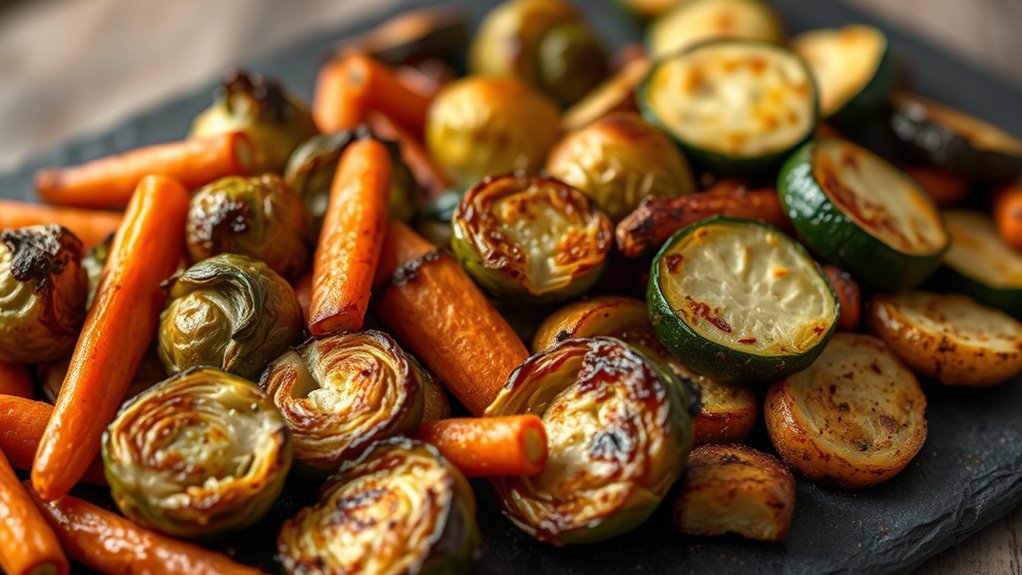
Achieving crispy roasted vegetables without adding extra oil is easier than you might think. Start by choosing starchy veggies like potatoes or sweet potatoes, which naturally crisp up better. To enhance flavor without extra oil, use seasoning techniques like tossing your veggies with a splash of vinegar or a light spray of cooking spray instead of oil. This helps improve crispiness and adds flavor enhancement. Spread the veggies in a single layer on your baking sheet, ensuring they’re not overcrowded, which allows moisture to escape and promotes crisping. Baking at a high temperature, around 425°F, also encourages a crispy exterior. Remember, simple seasoning and proper spacing are your best tools for achieving that perfect crunch without relying on additional oil.
Common Mistakes That Keep Veggies Soggy and How to Fix Them
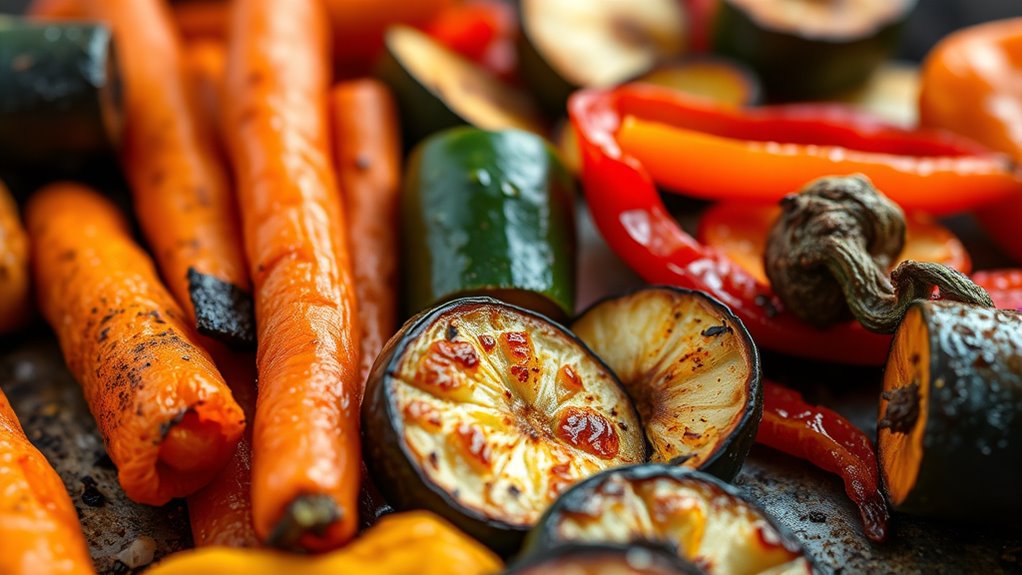
One common mistake that keeps veggies soggy is overcrowding the baking sheet, which traps moisture and prevents crisping. To fix this, spread your vegetables in a single layer, giving each piece space to breathe. Also, avoid using vegetables stored improperly; fresh, properly stored produce roasts better and crisps up more. Be mindful of seasoning variations, as too much moisture from marinades can hinder crispiness—pat veggies dry before roasting.
To improve your results:
- Don’t overcrowd the pan
- Use fresh vegetables and store them correctly
- Pat veggies dry after washing
- Keep seasoning light and avoid excess liquids
Following these steps helps you achieve the perfect crispy texture every time.
Frequently Asked Questions
Can Using Parchment Paper Improve Veggie Crispiness?
Using parchment paper on your baking sheet can definitely improve veggie crispiness. Its advantages include preventing sticking and allowing excess moisture to escape, which helps veggies crisp up better. By lining your baking sheet with parchment, you create a barrier that promotes even heat distribution and reduces sogginess. This simple step guarantees your roasted vegetables come out crunchier and more evenly cooked, making your dish tastier and more enjoyable.
Does Tossing Veggies With Vinegar Help Achieve Crispness?
Think of vinegar as a magic wand for crispiness. Tossing veggies with a vinegar marinade can help, thanks to its acidity impact, which draws out moisture and encourages a crisper exterior. The acid tightens the veggie’s surface, creating a barrier that reduces sogginess during roasting. So, yes, a splash of vinegar isn’t just flavorful—it’s your secret weapon for achieving that irresistible crunchy texture.
What’s the Ideal Vegetable Size for Maximum Crunch?
For maximum crunch, cut your vegetables into uniform sizes so they cook evenly. Smaller, consistent pieces, like 1-inch cubes or sticks, help achieve that perfect crispy texture. Use seasoning techniques that include a light oil coating and even distribution of spices, which enhances crispness without sogginess. Avoid overcrowding the pan, as this can cause uneven cooking. Uniform veggies and proper seasoning techniques are key to perfectly crispy roasted vegetables.
How Does Flipping Veggies During Roasting Affect Crispiness?
Imagine your veggies as tiny sunbathers soaking up heat; flipping them redistributes the oil and exposes fresh surface area. This action prevents sogginess, ensuring each side gets crispy and golden. When you flip, you help create an even, crunchy crust, like a well-browned pancake. Without flipping, uneven oil distribution and surface area can cause some parts to burn while others stay soft, so turn those veggies for maximum crispiness!
Is Preheating the Baking Sheet Necessary for Crispy Results?
Preheating your baking sheet is essential for crispy roasted veggies because it helps start the cooking process immediately, creating a crispy exterior. When you preheat, you get better oven temperature control, ensuring consistent results. This quick heat transfer prevents sogginess and promotes even browning. So, always heat your baking sheet beforehand to achieve that perfect, crispy texture without needing extra oil.
Conclusion
To achieve irresistibly crispy roasted veggies, focus on finesse, not fats. Dry, drain, and space out your veggies for that perfect crunch. Skip the excess oil and set your oven just right. With these simple steps, you’ll transform tender vegetables into tantalizing treats—crisp, crunchy, and completely crave-worthy. So, seize your spatula, step into the kitchen, and savor the satisfying crunch of perfectly roasted produce every time!