🔍 Read the full analysis: Bagna Cauda Night: Piedmont's Communal Anchovy-Garlic Bath on Mad Tasting

Get kitchen staples and gadgets delivered free with Prime
- Fast, free delivery on millions of items
- Prime Video, Amazon Music and more included
- Member-only deals all year
TL;DR
According to the Mad Tasting guide, bagna cauda is a warm Piedmontese sauce made mainly with salt-cured anchovies, garlic and olive oil, served with raw or cooked vegetables. The guide describes how to prepare a vegetable platter, heat the sauce gently and share it at the table; it does not report a new event or announcement.
Bagna cauda, a warm sauce of salt-cured anchovies, garlic and olive oil, is the centerpiece of a shared Piedmontese meal built around dipping vegetables. A guide from Mad Tasting describes the dish’s regional associations and offers home-hosting advice, including keeping the sauce warm and fluid without letting it bubble.
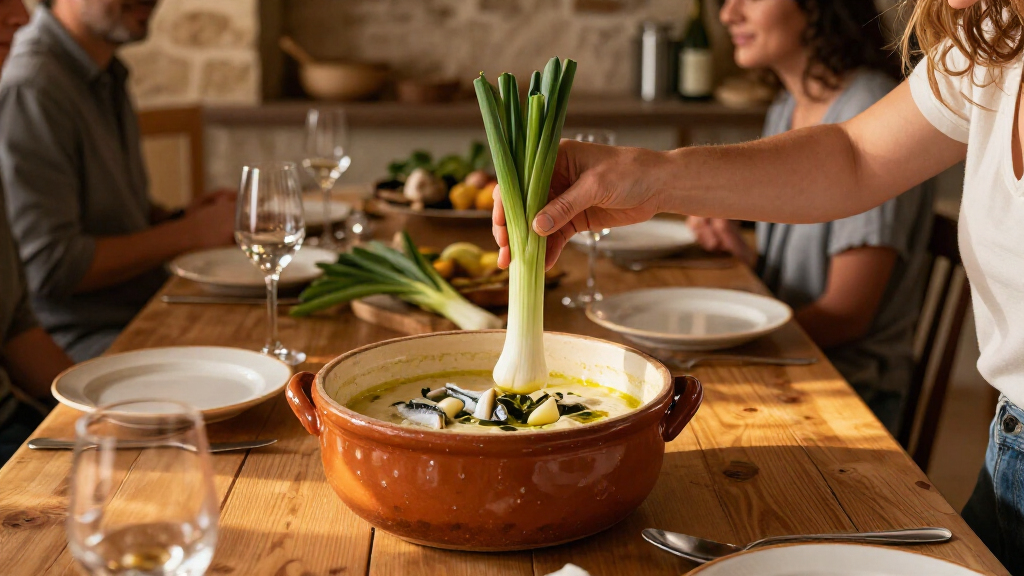
The Mad Tasting guide says the sauce is served in a shared pot with raw, boiled or roasted vegetables. Its main ingredients are garlic, anchovies and olive oil; some cooks add butter, while others keep the mixture simpler. When gently melted, the anchovies add a deep savory flavor, balanced by the garlic and oil. The word “bath” is a playful image: diners dip food into the sauce rather than entering a literal bath.
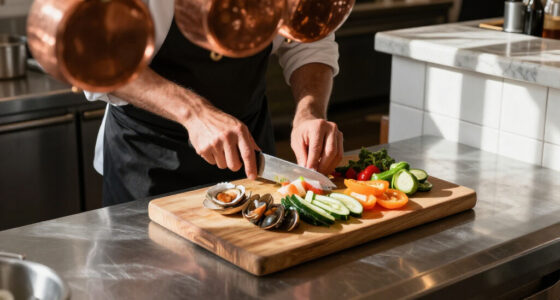
For a dinner for four, the guide suggests preparing about 2 to 3 pounds of vegetables. Fennel, celery and sweet peppers provide crunch and sweetness; blanched cabbage, cardoons and roasted Jerusalem artichokes offer softer, more substantial bites. Bread can be served to catch the remaining sauce. The guide says choices can vary with availability and preference.
For the sauce, the guide recommends warming peeled garlic in olive oil over low heat until soft, then stirring in rinsed, boneless salt-cured anchovies until they dissolve. Transfer the mixture to a heat-safe serving vessel or a traditional fujòt, a small table pot, and keep it gently warm. It advises preparing vegetables ahead, drying them well and avoiding a bubbling sauce. The guide also says to keep hot food hot and cold food cold, rather than leaving perishable ingredients out for hours.
Bagna Cauda Night Piedmont’s communal dipping meal
A Mad Tasting guide explains how to serve warm anchovy and garlic sauce with a platter of vegetables. It describes a regional food tradition, not a new event or announcement.
The shared table
A central pot lets diners choose different combinations and linger over the meal.
Fresh vegetables
Fennel, celery and sweet peppers bring crisp textures.
Cooked vegetables
Try blanched cabbage, cardoons or roasted Jerusalem artichokes.
Bread on the side
Bread can catch the sauce left after dipping.
Make and serve the sauce
Prepare the vegetables ahead and dry them well.
Warm peeled garlic in olive oil over low heat until soft.
Stir in rinsed, boneless salt-cured anchovies until they dissolve.
Serve in a heat-safe vessel or small fujòt, keeping the sauce fluid.
A regional tradition
The guide connects bagna cauda with autumn and winter gatherings in southern Piedmont.
Room for household variation
The guide describes different home versions rather than one definitive recipe.
- Add butter alongside olive oil
- Use a shared serving pot
- Keep the ingredient list simpler
- Use individual pots for larger groups or separate utensils
The Mad Tasting guide presents bagna cauda as a communal meal as much as a dish defined by its ingredients. A central pot and a platter of vegetables give diners a reason to gather, choose different combinations and linger at the table. The guide associates the custom especially with autumn and winter in southern Piedmont, including the Monferrato, Langhe and Roero.
For home cooks, the practical takeaway in the guide is that the meal does not depend on finding every traditional vegetable or following one fixed formula. A mix of crisp and cooked produce can provide different textures, and the sauce can be held warm while guests eat. The guide also notes that individual small pots may suit larger groups or people who prefer not to share utensils.
Products Worth Considering

Le Creuset Essential Non-Stick Ceramic Shallow Frying Pan, 12-Inch

Breville Barista Express Espresso Machine with Built-In Grinder, Black Truffle

Cuisinart Venture Portable Gas Grill with Cutting Board Lid
As an affiliate, we earn on qualifying purchases.
Piedmont’s Autumn Table
Piedmont is in northwestern Italy. The Mad Tasting guide associates bagna cauda particularly with the region’s southern areas, including the Monferrato, Langhe and Roero, which are also known for dishes such as tajarin, agnolotti and brasato. It connects the meal to rural autumn and winter gatherings and to agricultural and winemaking communities, while describing those origin accounts as traditions rather than settled history.
The guide explains the name as Piedmontese: bagna means sauce or dip, and cauda means hot. It describes household versions as varied: some include butter alongside olive oil, while others use fewer ingredients. The guide presents this variation as part of home cooking, not evidence that one recipe is definitive.
Tradition, Variations and Origins
The Mad Tasting source does not identify a new event, date, organizer or official announcement. It is a food guide, so there is no breaking development to confirm. It also does not establish a definitive origin story for bagna cauda or a single standard recipe; it presents accounts of the dish’s rural roots as tradition and does not specify ingredient ratios.
The guide gives a vegetable quantity for four people but no exact sauce quantities, cooking times or holding temperature. Cooks will need to use judgment to keep the sauce warm and fluid without scorching it. The source does not provide nutritional information or address individual dietary needs.
Preparing a Dinner at Home
For anyone planning bagna cauda night, the Mad Tasting guide recommends choosing a mixture of vegetables, preparing and drying them ahead, and making the sauce shortly before serving. Keep the pot gently warm at the table, with bread and serving utensils within reach. The meal can follow the ingredients available; the source gives no fixed calendar date or formal next event.
If wine is served, the guide advises that it be offered to adults only and consumed responsibly. Guests with dietary restrictions can be told that the sauce contains anchovies; the source does not provide substitutions or allergen guidance.
Key Questions
What is bagna cauda?
As described in the Mad Tasting guide, it is a warm Piedmontese dipping sauce made chiefly from salt-cured anchovies, garlic and olive oil, served with vegetables as a shared meal.
Which vegetables can be served with it?
The Mad Tasting guide suggests fennel, celery, peppers, cabbage, cardoons and Jerusalem artichokes. It recommends a combination of crisp raw and tender cooked vegetables, depending on what is available.
How should the sauce be kept warm?
The guide recommends transferring it to a heat-safe serving dish or small table pot and keeping it warm and fluid. It says not to let it bubble.
Does bagna cauda have one traditional recipe?
The Mad Tasting guide establishes no single household formula. It says some cooks add butter to the olive oil, while others use a simpler mixture, and describes the dish as open to family variation.
Source: Mad Tasting