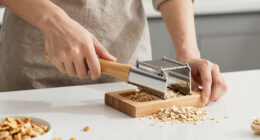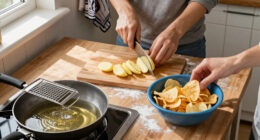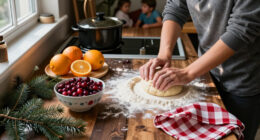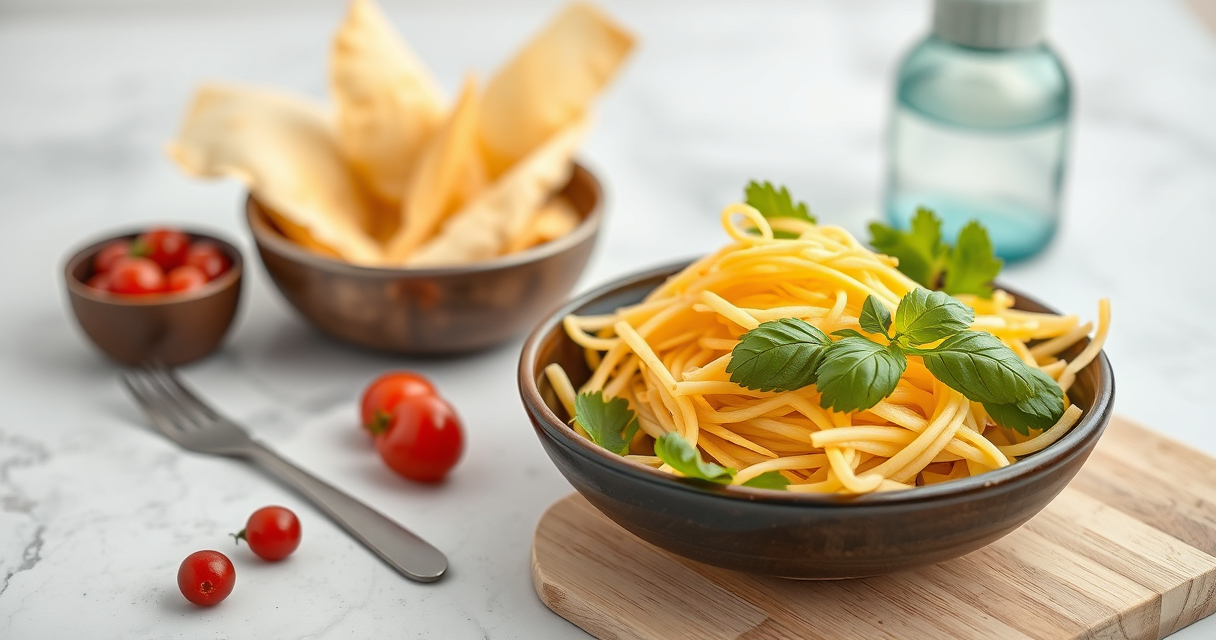

Good cooking is less about mastering hundreds of recipes than learning how ingredients, techniques, tools, timing, and personal taste work together. Once you understand those connections, you can cook more confidently, adapt meals to what is available, and recognize when specialized equipment will genuinely make a task easier.

Get kitchen staples and gadgets delivered free with Prime
- Fast, free delivery on millions of items
- Prime Video, Amazon Music and more included
- Member-only deals all year
This guide is an orientation to the major areas of home cooking, from planning everyday meals to baking bread, preserving food, maintaining knives, and making frozen desserts. Use it to identify the skills that matter most for the food you enjoy, then follow the linked guides for deeper help choosing suitable equipment.
Start With the Foundations of Home Cooking
A dependable cooking routine begins before a pan reaches the stove. It starts with choosing dishes that suit your schedule, checking what you already have, and understanding the purpose of each ingredient. Recipes provide useful directions, but they become much easier to follow when you can recognize the underlying method.
Most savory cooking relies on a manageable set of techniques: sautéing, roasting, simmering, steaming, braising, and grilling. Rather than attempting to learn everything at once, practice a few repeatable dishes that use these methods. A vegetable soup teaches chopping and simmering. A tray of roasted vegetables builds intuition about heat, spacing, and browning. A pot of rice and lentils develops timing and liquid management.
Learn to Use Your Senses
Cooking times are estimates because ingredients, cookware, burner strength, and kitchen temperature vary. Look for sensory signs of progress. Onions become translucent and aromatic. A sauce thickens enough to coat a spoon. Bread develops a browned crust. Meat and other temperature-sensitive foods should also be checked with an appropriate thermometer rather than judged by appearance alone.
Taste throughout the process whenever it is safe to do so. Salt added in stages tends to integrate more evenly than a large amount stirred in at the end. Acidity from citrus, vinegar, tomatoes, or fermented ingredients can brighten a dish that tastes heavy. Fat carries flavor and changes texture, while sweetness can soften bitterness or excessive acidity. Seasoning is a process of balancing these elements, not merely adding more salt.
Build a Practical Pantry
A useful pantry should reflect what you actually cook. Common foundations include grains, pasta, canned tomatoes, beans, lentils, oils, vinegars, flour, sugar, salt, and a focused collection of spices. Refrigerated staples might include eggs, butter, yogurt, sturdy vegetables, and a few condiments. Frozen vegetables, fruit, bread, sauces, and prepared foods can provide valuable flexibility.
Convenience food also has a legitimate place in a balanced kitchen routine. It can cover unexpectedly busy evenings or serve as a base for fresh toppings and side dishes. If pizza is one of your freezer standbys, the guide to the best frozen pizza options offers a focused starting point.
As an affiliate, we earn on qualifying purchases.
Plan Meals Around Components, Not Perfection
Meal planning does not need to mean assigning a completely different recipe to every night. A more flexible approach is to prepare components that can be recombined: one or two proteins, a cooked grain, roasted vegetables, washed greens, a sauce, and a flavorful garnish. These can become bowls, wraps, salads, soups, or quick skillet meals.
Plan first around foods that spoil quickly. Tender greens and fresh herbs should generally be used before hardy vegetables or pantry ingredients. Cooked leftovers should be cooled, stored promptly, and reheated appropriately. Labeling containers with their contents and preparation date helps prevent forgotten food from accumulating in the refrigerator.
Keep one or two low-effort meals available for days when the original plan collapses. Eggs with toast, pasta with vegetables, rice and beans, soup from stored portions, or a thoughtfully chosen frozen meal can keep an inconvenient evening from becoming an expensive one.
As an affiliate, we earn on qualifying purchases.
Use Knives Safely and Keep Them in Working Order
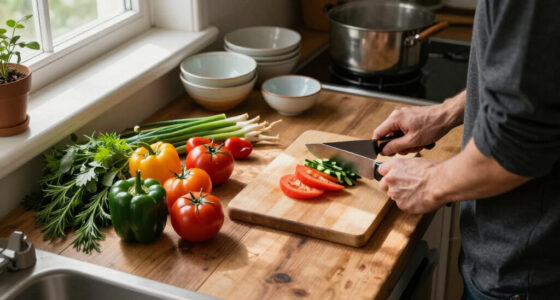
A small, well-maintained knife collection is more useful than a crowded block of neglected blades. Many kitchens can handle most tasks with a chef’s knife, a paring knife, and a serrated bread knife. The best choice depends on hand comfort, cutting habits, storage space, and the foods prepared most often.
A serrated blade is particularly useful for crusty loaves, delicate cakes, and produce with a firm exterior and soft interior. Blade length, handle shape, tooth pattern, and balance all influence how a knife feels in use. The guide to the best bread knives for clean, controlled slicing explains the category in greater depth.
Sharpness is also a safety and performance issue. A dull knife requires extra pressure and is more likely to slip or crush food. Honing can realign an edge, while sharpening removes material to create a new one; they are related but different forms of care. Anyone assembling an at-home maintenance setup can consult this comparison of knife maintenance kits.
- Use a stable cutting board with enough room for the task.
- Place a damp towel or nonslip mat beneath a board that moves.
- Keep fingertips curled away from the blade while guiding food.
- Wash knives individually instead of leaving them hidden in a sink.
- Store blades in a rack, sheath, block, or protected drawer system.
food processor for chopping and prep
As an affiliate, we earn on qualifying purchases.
As an affiliate, we earn on qualifying purchases.
Approach Baking as a System
Baking rewards precision because flour, water, fat, sugar, eggs, yeast, and chemical leaveners create predictable structural changes. Measurements, ingredient temperature, mixing method, proofing time, and oven behavior can all affect the finished result. That does not make baking inflexible; it simply means that substitutions are easier when you understand what an ingredient contributes.
Bread and Dough Basics
Bread develops through hydration, gluten formation, fermentation, shaping, proofing, and baking. Different doughs emphasize these stages differently. A lean loaf may depend on fermentation and crust development, while enriched dough gains tenderness and flavor from ingredients such as butter, milk, sugar, or eggs.
Start with one approachable dough and repeat it. Take notes on flour quantity, room temperature, rise time, dough feel, and bake results. These observations are often more useful than relying on the clock alone. Dough that has expanded and responds appropriately to a gentle press is giving you more information than a recipe’s suggested proofing time.
When Specialized Dough Equipment Helps
Rolling pins are sufficient for many home projects, but repeated preparation of laminated pastry, pasta, crackers, fondant, or evenly portioned dough can make consistent thickness difficult. A sheeter passes dough through rollers to create uniform sheets. Before considering one, assess the required dough width, thickness range, available counter space, cleaning process, and frequency of use. The overview of dough sheeter machines for home bakers can help clarify the available formats.
Highly specialized appliances make the most sense when they match a repeated task. For example, producing batches of small doughnuts involves different considerations from occasionally frying a few at home. Capacity, mold size, workflow, power requirements, and cleanup matter when comparing commercial mini donut maker machines.
As an affiliate, we earn on qualifying purchases.
Make One-Pot Meals Work Harder
One-pot cooking can reduce active work and cleanup while supporting layered flavor. The key is to add ingredients in an order that respects their cooking times. Aromatics may be sautéed first, spices briefly heated to release aroma, and liquids added before grains, legumes, vegetables, or proteins. Quick-cooking vegetables and delicate herbs usually belong near the end.
Multicookers combine several functions in one appliance, but their value depends on how well those functions align with your meals. Pressure cooking can shorten the preparation of some beans, grains, braises, and stews. Sauté settings allow flavor-building before liquid is introduced, while controlled programs can make recurring dishes easier to reproduce.
Cuisines built around layered spices, rice, legumes, and long-simmered sauces can benefit from thoughtful one-pot workflows. Buyers interested in those dishes can explore this guide to choosing a multicooker for Indian curries and rice. Regardless of appliance, follow its safety instructions, observe maximum-fill limits, and use the specified pressure-release method.
Understand Fermentation and Food Safety
Fermentation uses microorganisms to transform ingredients, creating foods such as yogurt, sourdough, pickles, kimchi, and cultured beverages. Successful fermentation depends on controlling variables including salt concentration, temperature, time, oxygen exposure, cleanliness, and acidity. Because the process intentionally encourages microbial activity, food-safety guidance should come from reliable, current sources.
Acidity is commonly expressed as pH, with lower values indicating greater acidity. Measuring it can provide useful information in fermentation and other forms of food preparation, but a meter is only helpful when it is suitable for the sample, calibrated correctly, cleaned between uses, and stored as its manufacturer directs. Measurement should supplement an established safety process rather than replace it.
For projects where acidity monitoring is appropriate, compare probe style, calibration procedure, resolution, cleaning needs, and suitability for food samples. This guide to digital pH meters for fermentation and food safety covers the equipment category. When uncertainty involves spoilage or safety rather than flavor, take the conservative approach and discard questionable food.
Explore Frozen Desserts With Better Control
Ice cream is a useful lesson in ingredient function. Dairy, sugar, egg yolks, flavorings, and incorporated air affect sweetness, richness, freezing behavior, and texture. A custard base generally involves heating dairy and tempering eggs carefully so the mixture thickens without scrambling. The base then needs to cool thoroughly before churning.
An ice cream maker freezes the mixture while agitating it, limiting the growth of large ice crystals and incorporating air. Machine styles vary, so consider whether a model requires a pre-frozen bowl, how much freezer space that bowl occupies, how much mixture it holds, and how easily its food-contact parts can be cleaned. Home cooks concentrating on cooked bases can review the best ice cream makers for custard bases.
Even with a machine, process matters. Chill the base completely, avoid overfilling the bowl, and transfer the churned dessert to a freezer-safe container for firming. Mix-ins should be prepared in advance and added at an appropriate stage so they remain evenly distributed.
Choose Kitchen Equipment With a Clear Purpose
Kitchen tools should remove a recurring point of friction. Before buying anything, identify the task, how often it occurs, and what is unsatisfactory about the current method. A specialized machine may offer speed or consistency, but it also creates demands for storage, setup, cleaning, and maintenance.
- Confirm that dimensions fit the intended counter or storage space.
- Check whether capacity matches typical batch sizes.
- Review electrical requirements and intended household or commercial use.
- Consider how many parts must be cleaned after each session.
- Look for replaceable wear items and understandable care instructions.
- Prioritize controls you will use instead of extra functions without a clear purpose.
A useful buying guide narrows the field, but the final decision should reflect your own kitchen. Someone making bread every weekend has different priorities from someone baking twice a year. A large family may value capacity, while a small household may care more about compact storage and manageable portions.
Develop Your Own Cooking Style
Confidence grows through repetition, observation, and small experiments. Choose several dishes you genuinely enjoy and learn them well. Change one variable at a time: use a different vegetable, adjust a spice, try another cooking method, or compare two dough hydrations. Keeping brief notes turns each attempt into information you can use later.
Over time, recipes become frameworks rather than rigid scripts. You learn which ingredients can be exchanged, which steps protect texture or safety, and which tools deserve space in your kitchen. That is the real foundation of better cooking: understanding enough to make thoughtful choices, recover from small mistakes, and prepare food that fits your household, schedule, and appetite.
Halloween Picks
halloween
As an affiliate, we earn on qualifying purchases.