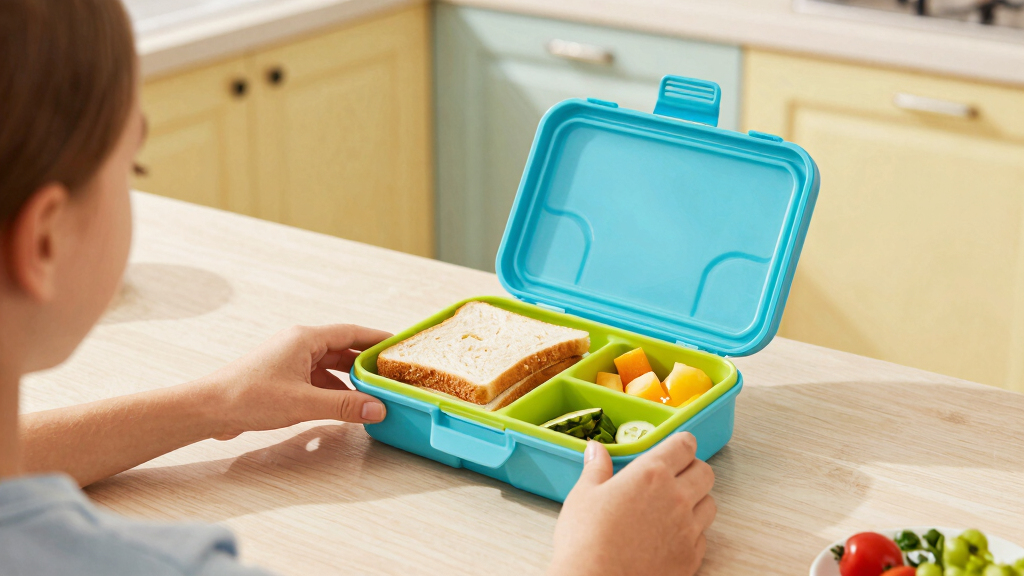
This guide helps parents and caregivers choose suitable lunch box containers for kids and pack meals efficiently. It covers selecting the right containers, organizing foods, and packing for freshness and safety. Designed for beginners, it takes about 15 to 30 minutes to complete.

TOUWMX Bento Box for Kids, 4 Pack, 3 Compartments Reusable Lunch Containers with Lids
- ✔ Material: Wheat straw and food-grade PP
- ✔ Number of Containers: 4
- ✔ Compartments per Container: 3

OmieBox Kids Bento Box – Insulated, Leakproof, 3 Compartments, Two Temperature Zones (Blue Sky)
- ✔ Weight: 1.7 lbs
- ✔ Material: BPA- and Phthalate-free stainless steel
- ✔ Compartments: 3

Buluker 4 Pack Bento Lunch Box Set, 3-Compartment Food Storage Containers, Microwave and Dishwasher Safe
- ✔ Number of Containers: 4
- ✔ Compartments per Container: 3
- ✔ Material: Polypropylene and wheat fiber
Difficulty: Beginner | Time: 15-30 minutes
What You’ll Need
Tools & Materials:
- assorted lunch box containers (with compartments if needed)
- reusable snack bags or small containers
- ice packs or freezer gel packs
- labels or markers for naming
Knowledge:
- basic understanding of food safety and storage
- ability to prepare healthy, kid-friendly meals
Gather all containers and ingredients before starting. Check container sizes to match meal portions and ensure dishwasher or hand-washing capability.

TOUWMX Bento Box For Kids, 4 Pack 3 Compartments Meal Prep Containers Reusable Lunch Containers, Food Storage Containers With Lids, Stackable Snack Boxes for School, Work, and Travel
【Wheat Straw Bento Box 】: The 3-compartment bento lunch box is made of durable wheat straw and food...
As an affiliate, we earn on qualifying purchases.
TOUWMX Bento Box for Kids, 4 Pack, 3 Compartments Reusable Lunch Containers with Lids
The TOUWMX Bento Box stands out for its durable construction with BPA-free wheat straw and food-grade PP, making it a sustainable choice. Its three compartments help with portion control, and the leakproof lids keep food secure. Compared with the OmieBox, it lacks insulation, so hot or cold separation isn’t maintained, but it is more affordable and lighter for everyday use. The size may be small for bigger appetites, and the lids require gentle hand washing to prevent deformation. This pick is ideal for parents seeking a versatile, easy-to-clean, and eco-friendly container for daily snacks and meals.
Pros:
- Durable, eco-friendly wheat straw and PP material
- Three compartments for portion control
- Leakproof lids ensure food stays fresh
- Microwave, freezer, and dishwasher safe
Cons:
- Not suitable for liquids due to leakproof design
- Lids require hand washing to prevent deformation
- May be small for larger appetites
Best for: Families needing a reliable, multi-use container for varied meals and snacks
Not ideal for: Parents wanting to keep hot foods hot or cold foods cold for extended periods
Bottom line: A versatile, durable, and eco-friendly choice perfect for everyday snacks and light meals.
“A versatile, durable, and eco-friendly choice perfect for everyday snacks and light meals.”

OmieBox Bento Box for Kids - Insulated Bento Lunch Box with Leak Proof Vacuum Insulated Food Jar - 3 Compartments, Two Temperature Zones (Blue Sky)
KIDS EAT BETTER — With OmieBox, you can pack more variety and keep their favorite foods at just...
As an affiliate, we earn on qualifying purchases.
OmieBox Kids Bento Box – Insulated, Leakproof, 3 Compartments, Two Temperature Zones (Blue Sky)
The OmieBox excels in maintaining food temperature thanks to its insulation and dual-zone design, making it perfect for hot lunches or cold snacks. Its stainless steel construction offers durability and safety, but handling hot foods requires caution to avoid burns. Unlike the TOUWMX, it’s bulkier and heavier, which might be less convenient for younger children. The removable parts make cleaning straightforward, but seals may need replacement over time. This container is ideal for parents who prioritize temperature separation and longer-lasting freshness.
Pros:
- Insulated to keep hot and cold foods separate
- Durable stainless steel construction
- Removable, easy-to-clean parts
- Made from food-safe, BPA-free materials
Cons:
- Requires careful handling of hot foods
- Heavier than plastic options
- Seals may need replacement over time
Best for: Parents who want to keep hot foods hot and cold foods cold for extended periods
Not ideal for: Children who prefer ultra-light containers or need simple, quick-use options
Bottom line: Ideal for temperature-sensitive meals, especially for longer school days where food freshness matters most.
“Ideal for temperature-sensitive meals, especially for longer school days where food freshness matters most.”

buluker 4 Pack Bento Lunch Box Set 3 Compartment Food Storage Containers Wheat Straw Meal Prep Lunch Box Plastic Food Storage Containers, Microwave and Dishwasher Safe (light colour)
【3 Compartment Design】 Three perfectly portioned compartments for the bento box allows you to store different food separately,...
As an affiliate, we earn on qualifying purchases.
Buluker 4 Pack Bento Lunch Box Set, 3-Compartment Food Storage Containers, Microwave and Dishwasher Safe
The Buluker Bento Set offers an eco-conscious alternative with its polypropylene and wheat fiber materials. Its lightweight, stackable design makes it excellent for space-saving storage and portability. The three compartments support balanced meals, and the containers are dishwasher, microwave, and freezer safe. However, the lids need to be removed before heating, which adds a step, and the limited color options might not appeal to all children. This set is best for families prioritizing sustainability and compact storage.
Pros:
- Eco-friendly polypropylene and wheat fiber
- Stackable and space-saving design
- Microwave, dishwasher, and freezer safe
- Multiple compartments for balanced meals
Cons:
- Lids require removal before heating
- Limited color options
- Not suitable for liquids or hot foods without proper lid sealing
Best for: Eco-minded families looking for space-efficient, lightweight containers
Not ideal for: Those needing containers with insulation or liquid-tight seals
Bottom line: A great eco-friendly choice for on-the-go families prioritizing sustainability and space efficiency.
“A great eco-friendly choice for on-the-go families prioritizing sustainability and space efficiency.”
As an Amazon Associate we earn from qualifying purchases.
Before You Start
Ensure that all containers are clean and in good condition. Avoid containers with cracks or damaged seals. Confirm that your kid’s lunch includes items suitable for packing in the chosen containers, and consider any allergies or dietary restrictions.
Step-by-Step Instructions
Step 1: Assess your child’s lunch needs
Determine the types of foods your child eats regularly and the portion sizes needed. Consider including a variety of food groups: proteins, grains, fruits, vegetables, and snacks.
Tip: Choose containers with multiple compartments if your child prefers separated foods, or simple single compartments for easier packing.
Check: You have a list of meal components and appropriate container types for each food group.
Step 2: Select suitable lunch box containers
Pick containers that match the meal components, are child-safe, leak-proof, and easy for your child to open and close. Consider size, material (plastic, stainless steel, silicone), and compartment features.
Tip: Opt for BPA-free, dishwasher-safe containers for easy cleaning. Stainless steel options are durable and odor-resistant.
Check: Containers fit the planned meal portions, are in good condition, and are easy for your child to access.
Step 3: Wash and dry containers thoroughly
Wash all selected containers with warm soapy water or in the dishwasher. Dry completely before packing to prevent mold and spoilage.
Tip: Check manufacturer instructions for cleaning and avoid abrasive scrubbers that can damage surfaces.
Check: Containers are spotless, dry, and ready for use.
Step 4: Prepare the food portions
Wash, cut, and portion foods into appropriate sizes for containers. Use small reusable containers or snack bags for sauces, dips, or small items.
Tip: Pre-pack foods in advance and store in the fridge to save time in the morning.
Check: All foods are portioned, packed, and stored properly, ready for loading into containers.
Step 5: Pack the lunch box containers
Fill each container with the prepared foods, leaving space for ice packs if needed. Seal the containers tightly to prevent leaks.
Tip: Place heavier or denser items at the bottom or in the center, and lighter items on top for better stability.
Check: Containers are filled without spillage, sealed properly, and organized neatly in the lunch box.
Step 6: Add cooling elements and labels
If needed, include an ice pack or gel pack in the lunch box to keep perishable foods cold. Label containers or the lunch box with your child’s name to prevent mix-ups.
Tip: Place the ice pack at the top or in a designated compartment to maximize cooling efficiency.
Check: Lunch remains cold and fresh until mealtime, and labels are clear and securely attached.
Step 7: Test and adjust packing
Close the lunch box and gently shake to check for leaks or loose lids. Make adjustments to the packing to ensure everything stays secure during transport.
Tip: Ensure the lunch box closes securely and all containers are stable inside the bag.
Check: No leaks or spills occur, and the lunch box closes properly without forcing.
Common Mistakes to Avoid
- Using containers that are too small or too large for the food portions — Measure food portions before packing and select containers that match the size to prevent overfilling or wasted space.
- Not sealing containers properly, leading to leaks — Double-check seals and lids before packing. Use containers specifically designed to be leak-proof.
- Failing to include cooling elements for perishable foods — Always include an ice pack when packing dairy, meat, or other perishable items, especially in warm weather.
- Overpacking or cramming the lunch box — Pack efficiently, leaving some space to prevent squishing foods and to allow for easy closing.
Troubleshooting
Problem: Food is spoiled or smells bad after a few hours
Solution: Ensure proper refrigeration with ice packs, or prepare perishable foods closer to mealtime.
Problem: Lids or containers leak during transport
Solution: Check that lids are properly sealed and designed to prevent leaks. Replace damaged or loose-fitting containers.
Problem: Lunch box is too heavy or bulky
Solution: Use lighter containers and pack only necessary items to reduce weight and bulk.
What Success Looks Like
The lunch box contains well-packed, organized foods that stay fresh and leak-free. The containers are sealed tightly, and the lunch box is easy to carry with no spills or messes.
Next Steps
Wash containers after each use and dry thoroughly. Reassess your child’s preferences regularly and adjust container choices accordingly. Consider exploring different container styles for variety or special needs. If issues persist, replace damaged containers or seek advice from packaging specialists.
Frequently Asked Questions
How do I choose the best lunch box containers for my child’s age?
Select lightweight, easy-to-open containers with appropriate sizes for your child’s age and strength. For younger children, look for containers with simple lids and handles. For older kids, consider more durable or compartmentalized options.
Are stainless steel containers safe for kids?
Yes, stainless steel containers are safe, durable, and resistant to odors and stains. Ensure they are made with food-grade stainless steel and have secure, leak-proof lids.
How can I prevent food from spoiling in the lunch box?
Use ice packs or frozen foods to keep perishable items cold. Pack foods that are safe at room temperature if refrigeration isn’t available, and consume them within safe time frames.
How often should I replace lunch box containers?
Replace containers when they show signs of damage, cracks, or leaks. Regularly inspect seals and lids to maintain their effectiveness and safety.