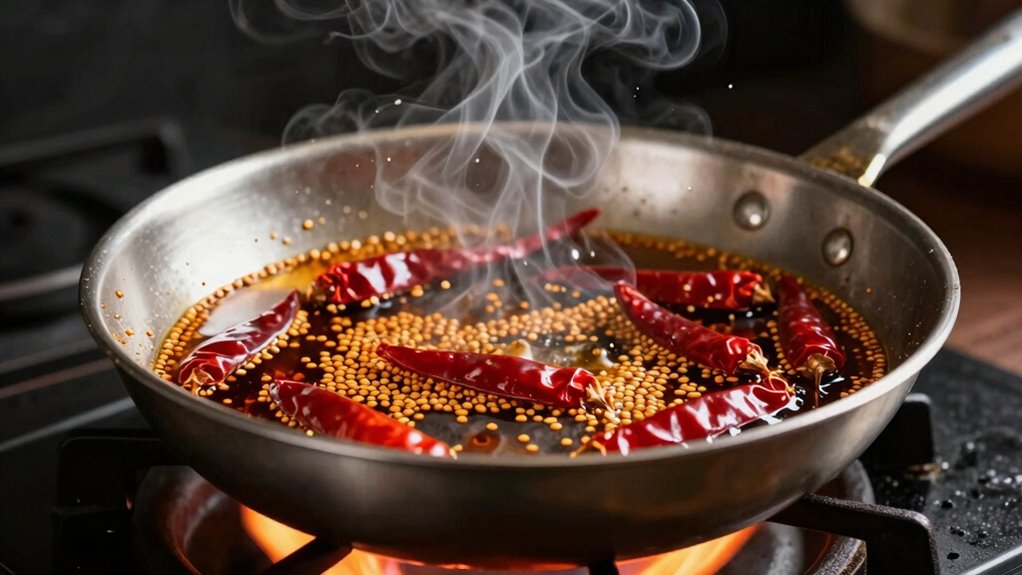

To temper spices without oil splattering everywhere, keep your spices dry and pat them lightly before adding. Use a deep, heavy-bottomed pan with high sides and maintain moderate heat to prevent rapid bubbling. Stir constantly and add spices gradually to control reactions. Employ a splatter guard or partially cover the pan to contain splashes, and stay at a safe distance while cooking. For more tips on mastering this technique, explore further details that can help keep your kitchen clean and your spices flavorful.
Key Takeaways
- Keep spices dry and pat them thoroughly before adding to hot oil.
- Use a deep, heavy-bottomed pan and maintain moderate heat to prevent vigorous bubbling.
- Employ a splatter guard or lid slightly ajar to contain oil splashes during tempering.
- Toast spices slowly on medium-low heat with constant stirring for even flavor and minimal splattering.
- Add spices gradually and remove them promptly once aromatic to avoid overreaction and spills.
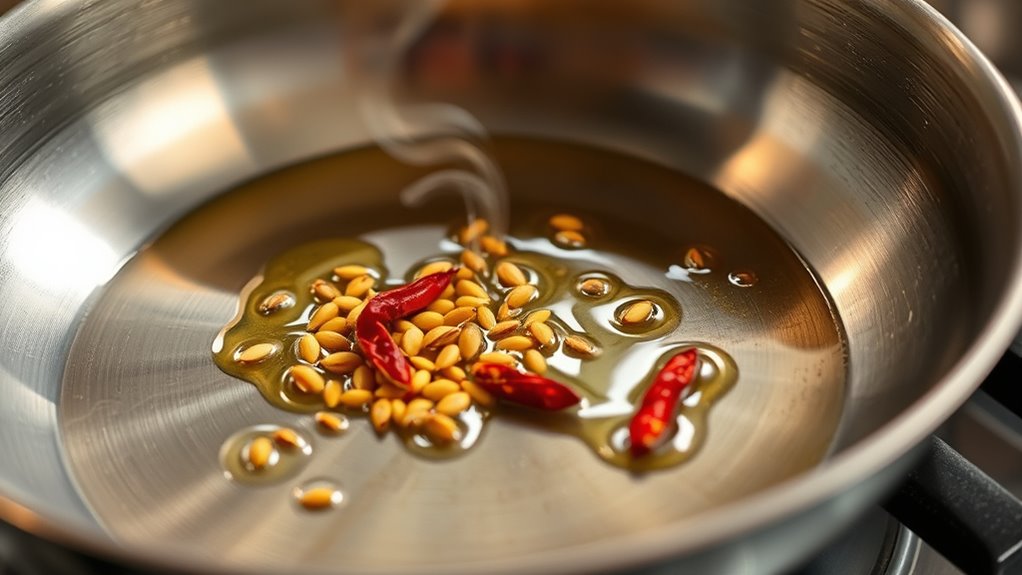
Have you ever wondered how to unseal the full flavor of your spices? One key step is tempering spices, but dealing with oil splatter can turn this flavorful process into a messy ordeal. Fortunately, with some simple tricks focused on oil splatter prevention and spice toasting techniques, you can keep your kitchen clean while revealing those vibrant aromas.
First, understanding oil splatter prevention is essential. When you add spices to hot oil, the moisture in the spices quickly turns to steam, causing oil to bubble and splatter. To minimize this, make sure your spices are dry before adding them to the pan. You can toast them lightly beforehand or use a clean, dry cloth to pat them dry. This reduces moisture content and cuts down on splattering. Also, keep the heat moderate—high heat can cause rapid bubbling, increasing the likelihood of oil splatter. Using a deep, heavy-bottomed pan with high sides creates a barrier that contains splashes, preventing oil from flying everywhere.
Dry spices thoroughly and use a heavy-bottomed pan to prevent oil splatter during tempering.
Next, mastering spice toasting techniques helps in enhancing flavor without the mess. Toast your spices on medium-low heat, stirring constantly. This ensures even heating and prevents burning, which can cause sudden bubbling. When the spices release their aroma, you’ll notice a change in color and scent—this is the perfect moment to remove them from the heat. If you add spices early on at high heat, the rapid expansion of moisture can lead to splattering. Toasting spices slowly and evenly not only prevents splashes but also maximizes their flavor potential.
Another tip is to add spices gradually. Instead of dumping a large amount at once, sprinkle them in slowly, giving each addition time to absorb the heat. This step-by-step approach reduces sudden reactions that cause splattering. Using a splatter guard or lid slightly ajar can also be very effective. It allows steam to escape while containing most of the oil splashes, keeping your stovetop cleaner.
Finally, consider the type of oil you use. Oils with higher smoking points, like vegetable or canola oil, tend to splatter less than butter or lower smoke point oils. Heating the oil to the right temperature before adding spices is vital—hot enough to toast but not so hot that it ignites or causes vigorous bubbling.
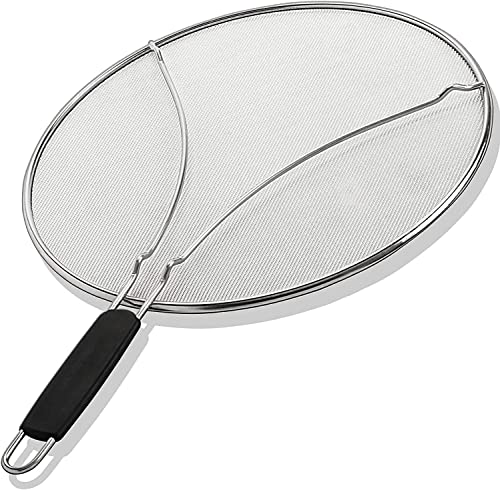
BergKoch Splatter Screen for Frying Pan – 13 Inch Stainless Steel Grease Splatter Guard – Cover Oil Splash when Sizzling Bacon, Cooking Fried Chicken or Popcorn
PROTECTS FROM HOT SPITTING OIL – Our oil splatter guard shield securely joins to the handles of cookware…
As an affiliate, we earn on qualifying purchases.
As an affiliate, we earn on qualifying purchases.
Frequently Asked Questions
Can I Use a Microwave for Tempering Spices?
You can use microwave techniques for tempering spices as an alternative flavoring method, but it’s not the traditional approach. Place your spices in a microwave-safe dish and heat in short bursts, stirring in between to prevent burning. This method minimizes splattering and is quick, but it may not develop the same depth of flavor as stovetop tempering. Experiment to find the timing that best enhances your dish without overcooking.
What’s the Best Oil Type for Splatter-Free Tempering?
Choosing the right oil for splatter-free tempering is like finding a calm sea amid a storm. Opt for healthy alternatives like avocado or grapeseed oil, which have high smoke points, reducing splattering and burning. These oils withstand high temperatures better, making your tempering process cleaner and safer. Always heat the oil gently, and you’ll enjoy perfectly tempered spices without the mess or health worries, turning cooking into a smooth, enjoyable experience.
How Do I Prevent Oil From Splattering When Adding Spices?
To prevent oil splatter during spice addition, use a splatter guard or cover the pan partially with a lid. Add spices carefully and slowly, ensuring the oil isn’t too hot to reduce splatter risk. Employ proper spice addition techniques, like dropping spices gently from a distance or using a spoon, to control the release of hot oil. These tips help keep your cooking clean and safe while enhancing flavor.
Is It Safe to Reuse Oil After Tempering Spices?
You might think reuse is clever, but oil reuse after tempering spices can compromise seasoning safety. The oil absorbs flavors and small particles, increasing the risk of spoilage or bacterial growth. So, it’s safer to discard the used oil rather than reuse it, especially if it smells off or shows signs of rancidity. Always prioritize health over convenience—fresh oil ensures your dish stays tasty and safe.
Can I Temper Spices Without Using Any Oil?
Yes, you can toast spices without oil by dry roasting or spice toasting. Simply heat a dry pan over medium heat, add your spices, and stir constantly to prevent burning. This method enhances flavor without splattering oil or using any fat. Keep an eye on the spices, as they can burn quickly. Once fragrant and lightly toasted, remove from heat and use as desired.

LOLYKITCH 7 QT Tri-Ply Stainless Steel Non Stick Sauté Pan with Lid,12 Inch Deep Frying Pan,Large Skillet,Jumbo Cooker,Induction Compatible,Heavy Duty and Oven Safe.
Tri-Ply Clad:Made with a responsive aluminum core bonded together with 2 layers of durable, stainless steel all the…
As an affiliate, we earn on qualifying purchases.
As an affiliate, we earn on qualifying purchases.
Conclusion
As you master the art of tempering spices without splattering, imagine the gentle hiss of oil meeting fragrant seeds, swirling into a fragrant dance that’s both controlled and inviting. With steady hands and a focused mind, you craft a symphony of aromas that fill your kitchen like a warm, welcoming embrace. Each perfectly tempered spice transforms your dish into a tapestry of flavor, proving that patience and precision turn simple ingredients into a culinary masterpiece.

10 Spice Bags for Cooking, Cheese Cloth Bags with Drawstring for Straining Loose Tea (4 x 6 Inch)
Value Set: You will receive 10 pcs spice bags for cooking, each spice bag is about 4 x…
As an affiliate, we earn on qualifying purchases.
As an affiliate, we earn on qualifying purchases.
BergKoch Splatter Screen for Frying Pan – 13 Inch Stainless Steel Grease Splatter Guard – Cover Oil Splash when Sizzling Bacon, Cooking Fried Chicken or Popcorn
PROTECTS FROM HOT SPITTING OIL – Our oil splatter guard shield securely joins to the handles of cookware…
As an affiliate, we earn on qualifying purchases.
As an affiliate, we earn on qualifying purchases.