
To achieve a smooth, velvety texture in lassi and milk drinks, fermentation plays a key role by transforming proteins and producing acids that thicken the drink naturally. Physical techniques like blending or whipping introduce tiny bubbles, adding lightness and creaminess. Controlling temperature and fermentation time ensures ideal microstructure development, trapping air and liquids. These processes work together to create a luxurious, consistent mouthfeel—if you want to understand how each step influences texture, keep exploring the science behind it.

Get kitchen staples and gadgets delivered free with Prime
- Fast, free delivery on millions of items
- Prime Video, Amazon Music and more included
- Member-only deals all year
Key Takeaways
- Fermentation transforms milk proteins and fats, creating a microstructure that results in a smooth, velvety texture.
- Beneficial bacteria produce acids and gases, thickening the drink naturally and enhancing creaminess.
- Physical techniques like blending or whipping introduce air bubbles, increasing lightness and smoothness.
- Proper temperature control influences protein interactions and microstructure development, optimizing texture.
- Ingredient additions such as ground nuts or fruit purees boost body and richness, contributing to a luxurious mouthfeel.
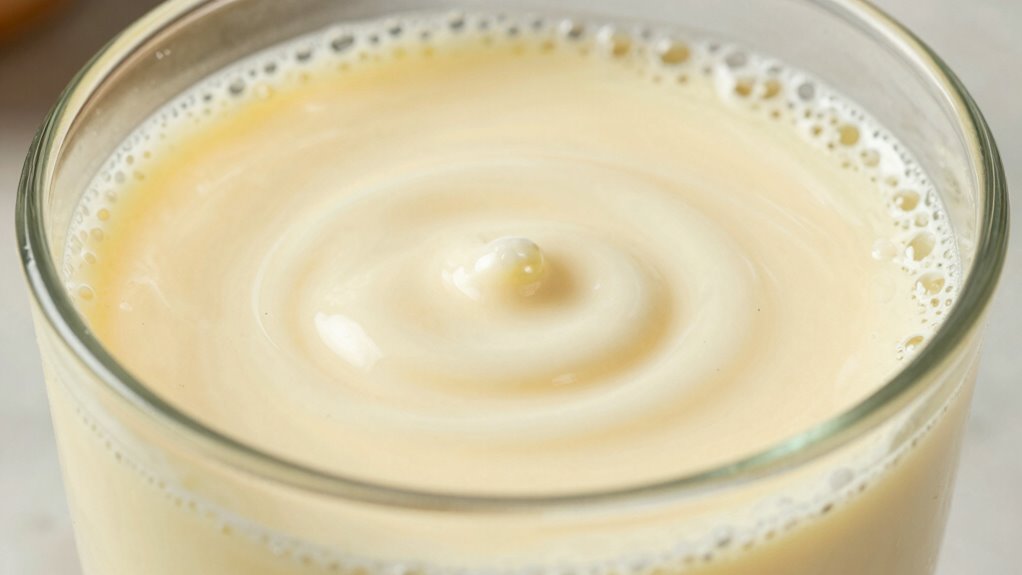
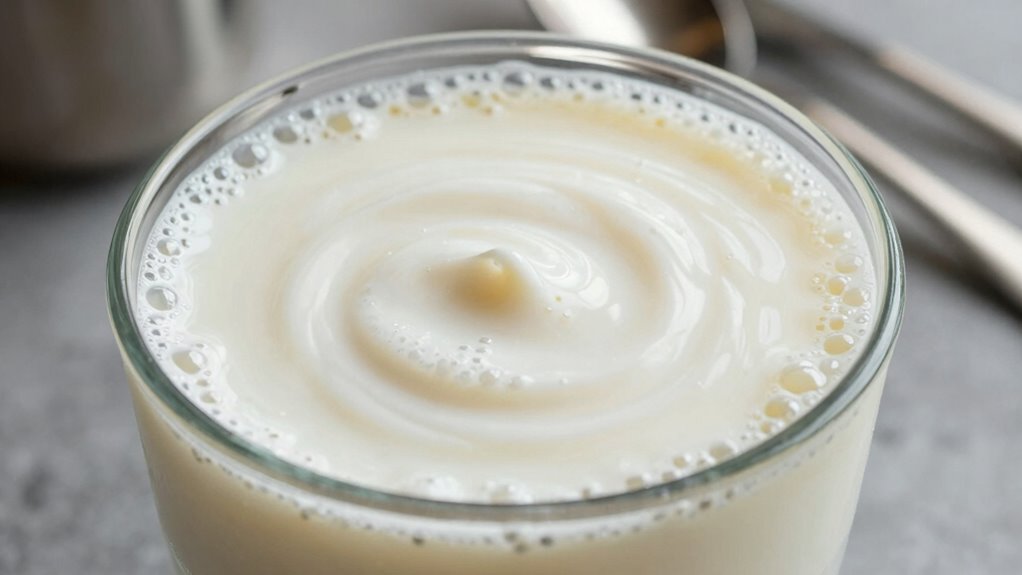
Have you ever wondered what makes smooth lassi and other milk drinks irresistibly creamy and velvety? The secret lies in the intricate science behind their texture, especially the fermentation processes and how they enhance mouthfeel. When you blend milk with ingredients like yogurt, the fermentation process begins, where beneficial bacteria convert lactose into lactic acid. This transformation thickens the drink naturally, giving it that luscious, velvety consistency you crave. The fermentation not only develops flavor but also modifies the milk’s protein structure, making it smoother and more cohesive. As the bacteria produce acids and sometimes gases, they create a microstructure that traps air and liquid, resulting in a richer mouthfeel that feels almost luxurious on your palate.
Fermentation processes play a critical role in texture development because they break down proteins and fats in the milk, creating smaller, more digestible particles that contribute to the drink’s creaminess. The acidity generated during fermentation influences how the milk proteins interact, resulting in a thicker, more stable suspension. This process helps prevent separation and gives the beverage a uniform, smooth consistency. You’ll notice that well-fermented lassi feels velvety without any graininess or chalky texture, thanks to the way the bacteria alter the milk’s molecular makeup. These changes improve mouthfeel enhancement and make each sip feel indulgent and satisfying. Additionally, controlling fermentation time and temperature helps optimize the texture development, ensuring the perfect balance of creaminess and tanginess.
In addition to fermentation, other techniques amplify the creamy texture. Blending or whipping the drink introduces air, creating tiny bubbles that enhance mouthfeel by adding lightness and smoothness. Sometimes, ingredients like ground nuts or fruit purees are incorporated to add body and richness, contributing further to the velvety sensation. The temperature at which you serve these drinks also matters; colder temperatures tend to tighten the proteins, making the texture more substantial and cooling your palate with every sip. Understanding how microstructure formation influences texture can help you craft even more delightful beverages at home.
Ultimately, the science behind the texture of smooth lassi and milk drinks is a delicate balance of microbial activity and physical manipulation. The fermentation processes produce acids and alter protein structures, which help in mouthfeel enhancement. Whether through natural fermentation or careful blending, these techniques work together to create a drink that’s not only flavorful but also irresistibly smooth and velvety. So next time you enjoy a spoonful of thick lassi or a creamy milkshake, remember that behind its luscious texture lies a fascinating science working to delight your senses with every sip.
As an affiliate, we earn on qualifying purchases.
Frequently Asked Questions
How Does Temperature Affect the Texture of Lassi?
Temperature profoundly impacts the texture of lassi by influencing fermentation effects and protein interactions. When you keep it cold, fermentation slows down, leading to a smoother, more consistent texture. Warmer temperatures accelerate fermentation, which can cause the proteins to interact more, resulting in a thicker or even slightly tangy lassi. Controlling temperature helps you achieve the desired creaminess and prevents undesirable changes in texture over time.
Can Non-Dairy Milk Alter the Smoothness of Milk Drinks?
Did you know that non-dairy milk can change the smoothness of your drinks? You can experience up to a 20% difference in texture compared to traditional milk. Non-dairy options like almond or soy milk contain plant-based proteins that influence creaminess, and they also offer flavor enhancement, making your drinks richer and more satisfying. So, experimenting with different non-dairy milks can help you customize your milk drinks to perfection.
What Role Do Stabilizers Play in Milk Beverage Textures?
Stabilizers play a vital role in milk beverage textures by enhancing emulsification stability and promoting protein interactions. They prevent ingredients from separating, ensuring a smooth, consistent drink. When you add stabilizers, they form a network that supports the suspension of fats and proteins, maintaining texture and mouthfeel. This process keeps your milk drinks uniform, creamy, and enjoyable, especially when using non-dairy or alternative milks that may lack natural stabilizers.
How Does Fat Content Influence Creaminess in These Drinks?
You’ll notice that higher fat content increases creaminess in milk drinks because it improves fat distribution, creating a smoother, richer texture. Fat also aids in emulsification stability, preventing separation and maintaining a consistent consistency. When the fat level is balanced, the drink feels luxurious on your palate. Conversely, lower fat options tend to be less creamy, with a thinner, lighter mouthfeel.
Are There Natural Thickeners That Improve Texture Without Additives?
Yes, you can use natural thickeners like natural emulsifiers, such as lecithin from eggs or soy, to improve texture without additives. Fermentation benefits also enhance creaminess naturally; fermenting milk or yogurt develops beneficial bacteria that thicken the drink and improve mouthfeel. These methods offer a wholesome way to boost texture, making your lassi or milk drinks richer and smoother without relying on artificial thickeners.
As an affiliate, we earn on qualifying purchases.
Conclusion
Now that you understand the texture science behind smooth lassi and milk drinks, you can appreciate the art and science behind each sip. Recognize the role of emulsification, viscosity, and mouthfeel in creating that perfect, creamy consistency. Whether you’re blending ingredients or choosing your drink, let this knowledge deepen your appreciation. Embrace the science, enjoy the texture, and elevate your milk-based drinks to a new level of enjoyment. Cheers to better sips and tastier experiences!
As an affiliate, we earn on qualifying purchases.
As an affiliate, we earn on qualifying purchases.
Fall Picks
fall essentials
As an affiliate, we earn on qualifying purchases.