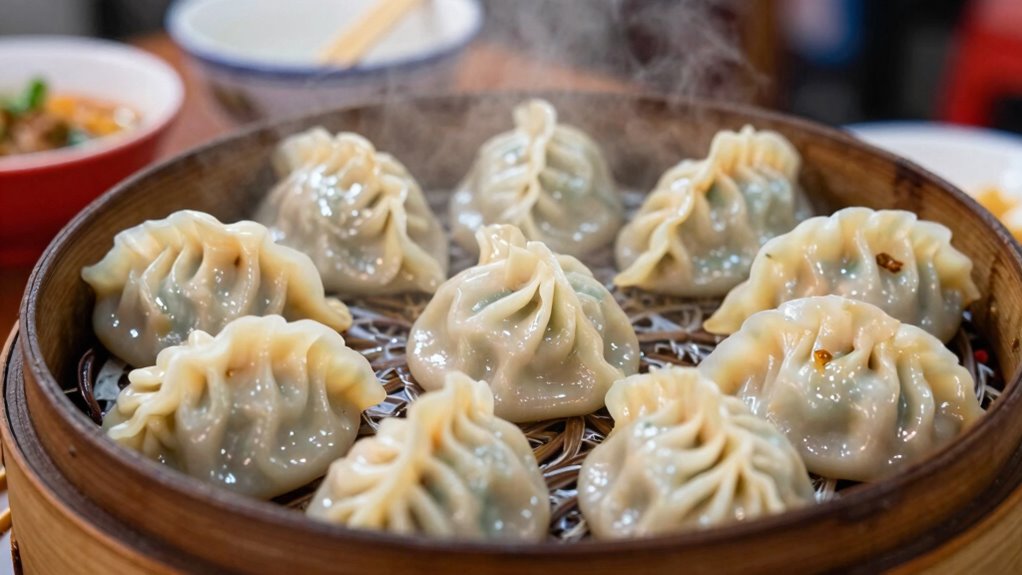

The global story of dumplings reveals how food reflects cultural identity, history, and human connection. As you explore their origins, you’ll see how they symbolize family, community, and tradition across diverse regions. Dumplings adapt with local flavors and influences, illustrating cultural exchange and innovation. Their versatility highlights the interconnectedness of food traditions worldwide. If you keep exploring, you’ll uncover even deeper insights into how these small bites tell big stories about human creativity and unity.
Key Takeaways
- Dumplings reflect cultural identity, tradition, and community bonds across different regions worldwide.
- They demonstrate culinary adaptation through fusion, blending local flavors with traditional recipes over centuries.
- Food exchanges via trade and migration have transformed dumpling recipes, showcasing global interconnectedness.
- Modern variations highlight ongoing creativity and cultural blending in contemporary culinary practices.
- Dumplings symbolize shared human experiences, connecting people through history, celebration, and cultural preservation.
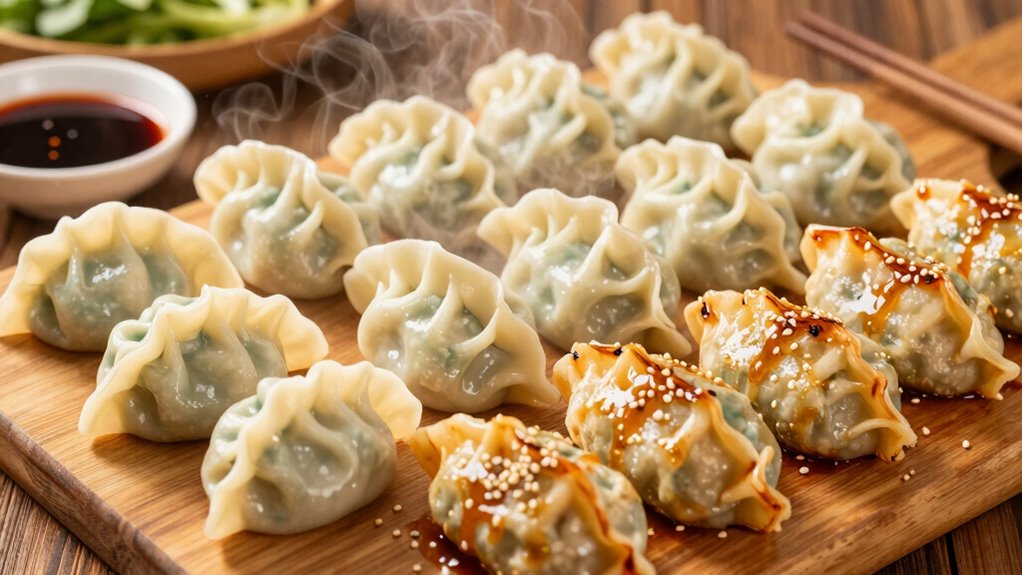
Have you ever wondered why dumplings hold such a special place in many cultures? These small, versatile pockets of dough filled with meat, vegetables, or even sweet ingredients are more than just a tasty snack—they’re a reflection of history, community, and tradition. Across the world, dumpling traditions have developed uniquely, yet they share a common thread: bringing people together. In China, for example, dumplings symbolize family unity, especially during Lunar New Year, where making and sharing them becomes a collective activity. Similarly, in Eastern Europe, pierogis carry cultural significance, often tied to seasonal celebrations or religious holidays. These traditions aren’t just about food; they’re about preserving heritage and fostering connection.
What makes dumplings even more fascinating is their role in culinary fusion. Over centuries, cultures have adapted and reinvented dumpling recipes, blending ingredients and techniques from different regions. As trade routes opened and populations migrated, dumplings traveled and transformed. Take the Japanese gyoza, which borrows from Chinese jiaozi but introduces a thinner wrapper and distinct seasoning. Or consider the Italian gnocchi, which, while different in form, shares the idea of transforming simple ingredients into comforting bites. This ongoing culinary fusion demonstrates how dumplings serve as a canvas for innovation, allowing chefs and home cooks alike to experiment with local flavors while respecting traditional methods. Such adaptations highlight how food evolves through cultural exchange, making dumplings a symbol of openness and shared history. Additionally, the interconnection of food traditions underscores how global migration influences culinary diversity.
You can see this fusion reflected not just in recipes but also in the way dumplings are enjoyed globally. In America, you might find fusion dishes like Korean-inspired dumplings filled with kimchi or Mexican-style empanadas. Each variation tells a story of migration, adaptation, and the blending of culinary heritages. When you bite into a dumpling, you’re tasting centuries of cultural dialogue—an edible testament to how food connects people across borders. Whether steamed, fried, boiled, or baked, dumplings bring warmth and familiarity, no matter where they’re from. They remind us that food isn’t static; it’s a living, breathing part of our shared human experience. So, the next time you savor a dumpling, think about the rich tapestry of tradition and fusion behind it—how it embodies history, community, and the creative spirit that unites us all. This cultural adaptation continues to evolve, reflecting the dynamic nature of food and human connection.
As an affiliate, we earn on qualifying purchases.
Frequently Asked Questions
How Did Dumplings Originate Historically Across Different Cultures?
You see, dumplings originated as symbols of prosperity and good luck in many cultures, with each adding its unique touch. In China, they represent wealth, while in Eastern Europe, they embody comfort. Over time, culinary fusion blended ingredients and techniques from different regions, creating diverse dumpling styles. This evolution highlights how dumpling symbolism connects communities, showcasing their adaptability and rich history across the globe.
What Are the Regional Variations of Dumpling Recipes Worldwide?
Imagine delicate, steaming dumplings with translucent skins, each telling a story. You’ll find regional variations worldwide, from Chinese jiaozi with savory pork, to Polish pierogi filled with cheese and potatoes, to Japanese gyoza with crispy edges. Fusion fillings blend flavors across cultures, while diverse cooking techniques—boiling, steaming, frying—highlight each region’s culinary identity. These variations celebrate local ingredients and traditions, making dumplings a universal yet uniquely regional delight.
How Do Dumplings Symbolize Cultural Identity and Traditions?
Dumpling symbolism often represents unity, prosperity, and family bonds, embodying cultural preservation across generations. When you enjoy dumplings during festivals or special gatherings, you actively partake in traditions that reinforce your cultural identity. These dishes serve as culinary symbols that connect communities and uphold customs, reminding you of your heritage. By sharing dumplings, you help preserve cultural stories and values, keeping your traditions alive for future generations.
What Are the Health Benefits and Nutritional Differences of Various Dumpling Types?
Different dumpling fillings offer unique health benefits; veggie fillings provide fiber and vitamins, while meat fillings supply protein and iron. Cooking techniques like steaming keep nutrients intact, making them healthier, whereas frying adds extra calories and fat. Opting for steamed or boiled dumplings boosts nutritional value, and choosing whole-grain wrappers increases fiber intake. So, your choice of fillings and cooking methods directly impacts your dumpling’s health benefits.
How Have Modern Culinary Trends Influenced Traditional Dumpling Recipes?
Modern culinary trends have greatly influenced traditional dumpling recipes by introducing fusion flavors and modern techniques. You might find dumplings filled with unexpected ingredients like kimchi or curry, blending cultures seamlessly. Chefs now experiment with innovative cooking methods, such as sous-vide or air frying, to improve texture and flavor. These trends make dumplings more exciting, appealing to diverse palates, and reflect how food evolves while respecting its roots.
As an affiliate, we earn on qualifying purchases.
Conclusion
So, next time you bite into a dumpling, remember it’s more than just delicious—it’s a window into a culture’s history and traditions. You might think, “It’s just food,” but these little pockets of flavor carry stories that connect people across the world. Embrace the diversity, and see beyond your plate. After all, understanding dumplings helps you appreciate the rich tapestry of food culture everywhere, making every bite a small but meaningful part of a bigger story.
As an affiliate, we earn on qualifying purchases.
As an affiliate, we earn on qualifying purchases.